
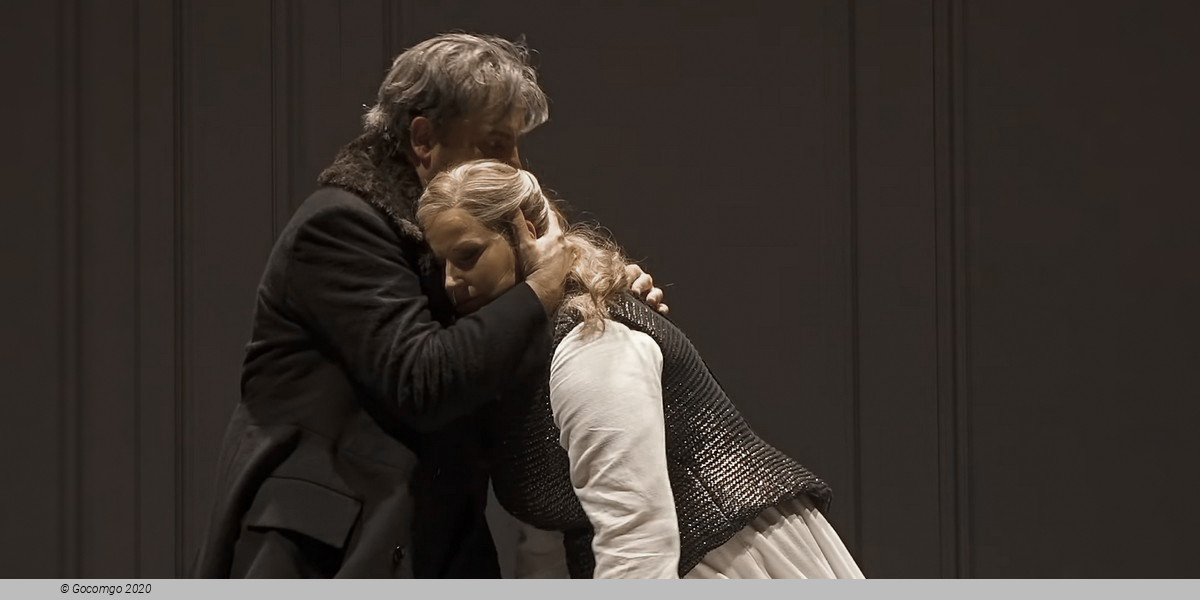
Teatro Nacional de Sao Carlos 15 March 2020 - Die Walküre | GoComGo.com

Die Walküre

Teatro Nacional de Sao Carlos, Lisbon, Portugal
All photos (11)
Select date and time
3 PM
Request for Tickets
Important Info
Type: Opera
City: Lisbon, Portugal
Starts at: 15:00

E-tickets: Print at home or at the box office of the event if so specified. You will find more information in your booking confirmation email.

You can only select the category, and not the exact seats.
If you order 2 or 3 tickets: your seats will be next to each other.
If you order 4 or more tickets: your seats will be next to each other, or, if this is not possible, we will provide a combination of groups of seats (at least in pairs, for example 2+2 or 2+3).

Overview

"SO BLÜHET DENN WÄLSUNGEN-BLUT! / Let the blood of the Wälsungen flourish! "(Act I)

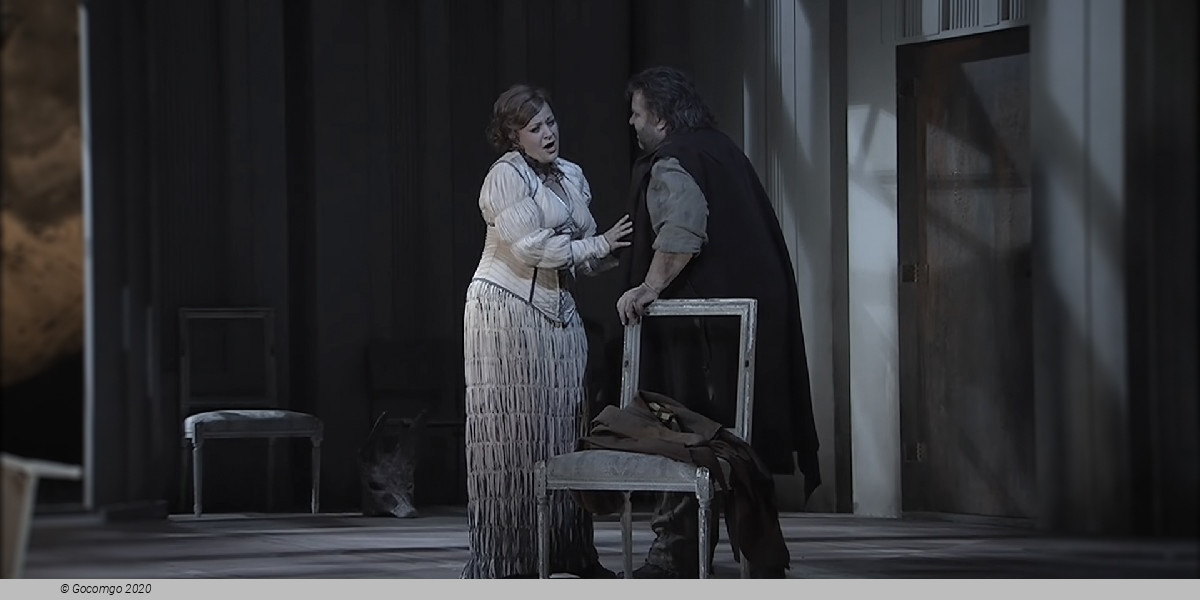
Debuted in 1870, Die Walküre remains the most popular journey of the Nibelung Ring. It contains some of the most popular passages in Wagner's work: the ardent duet of love, during which spring breaks out; the Valkyrie Cavalcade; the Music of the Magic Fire. The opera, centered on the history of the Wälsungen, tells us of the incestuous passion of the brothers Siegmund and Sieglinde and its terrible consequences.
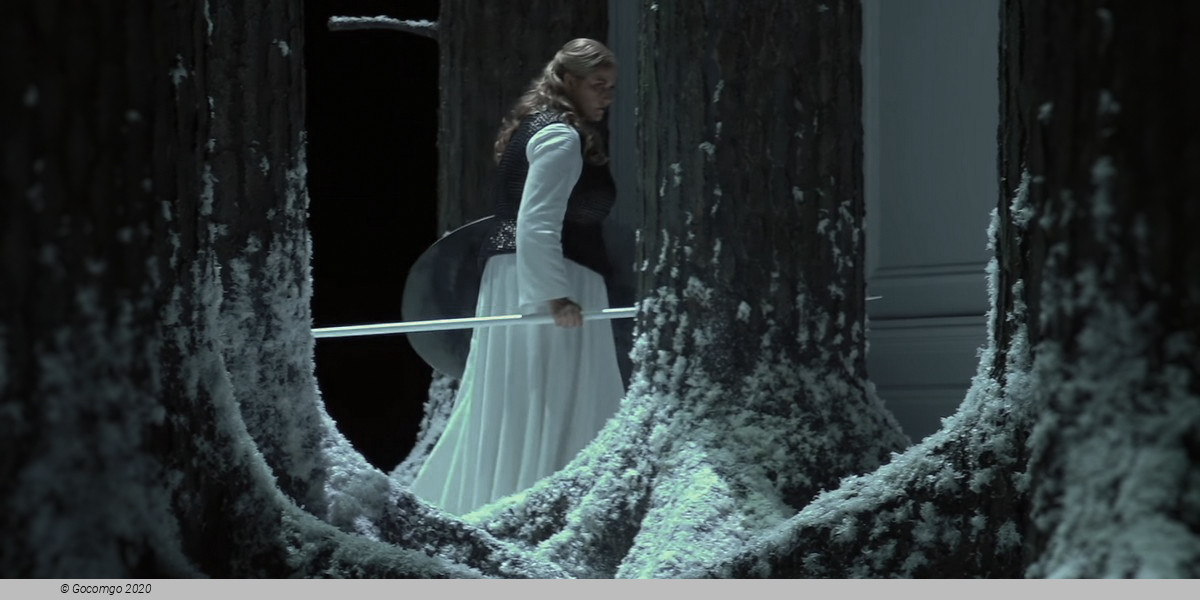
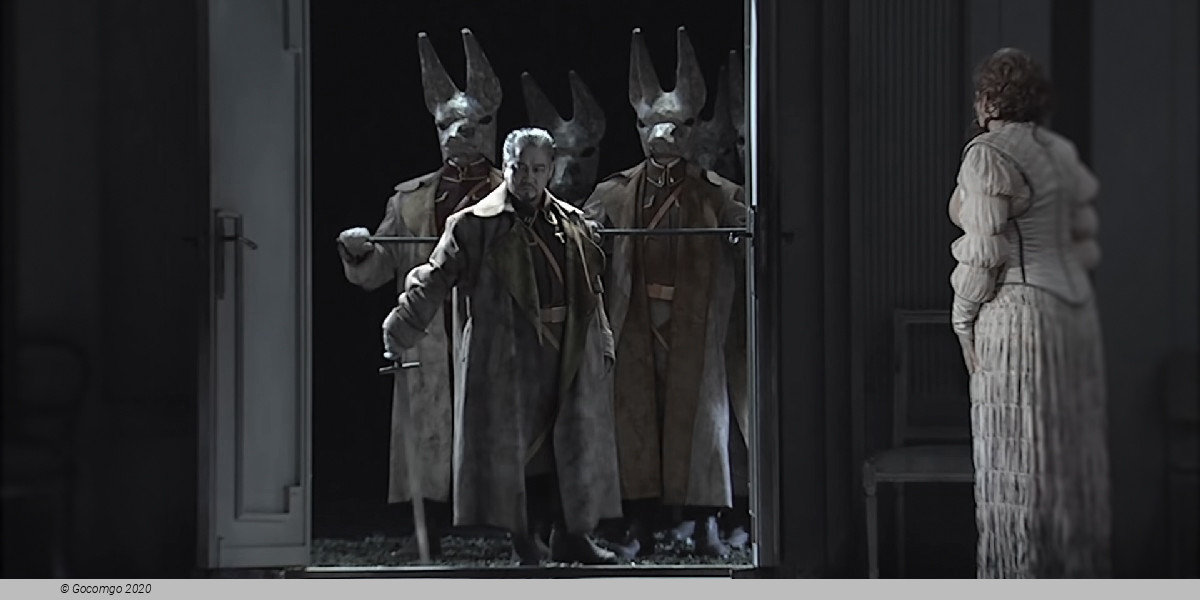
The musical direction will be in charge of Graeme Jenkins, who has provided us with powerful Wagnerian readings (Tristan und Isolde, Parsifal). Opera North's semi-staged production, festively hosted at the Royal Festival Hall, is part of a deeply democratic process of opera enjoyment. Peter Mumford, a pioneer in this outreach project, proposes a vision that privileges the psychological intimacy of characters through a unique appeal to film language. The cast includes some striking contemporary Wagnerian voices (Merbeth, Ventris, Mayer) flanked by a set of promising young singers.

History
Premiere of this production: 26 June 1870, Königliches Hof- und National-Theater in Munich

Die Walküre (The Valkyrie) is the second of the four music dramas that constitute Richard Wagner's Der Ring des Nibelungen, (English: The Ring of the Nibelung). It was performed, as a single opera, at the National Theatre Munich on 26 June 1870, and received its first performance as part of the Ring cycle at the Bayreuth Festspielhaus on 14 August 1876.


Synopsis

Prior history

During the lengthy time that has passed since the gods entered Valhalla at the end of Das Rheingold, Fafner has used the Tarnhelm to assume the form of a dragon, and guards the gold and the ring in the depths of the forest. Wotan has visited Erda seeking wisdom, and by her has fathered a daughter, Brünnhilde; he has fathered eight other daughters, possibly also by Erda. These, with Brünnhilde, are the Valkyries, whose task is to recover heroes fallen in battle and bring them to Valhalla, where they will protect the fortress from Alberich's assault should the dwarf recover the ring. Wotan has also wandered the earth, and with a woman of the Völsung race has fathered the twins Siegmund and Sieglinde, who have grown up separately and unaware of each other. From the Völsungs Wotan hopes for a hero who, unencumbered by the gods' treaties, will obtain the ring from Fafner.

Act 1

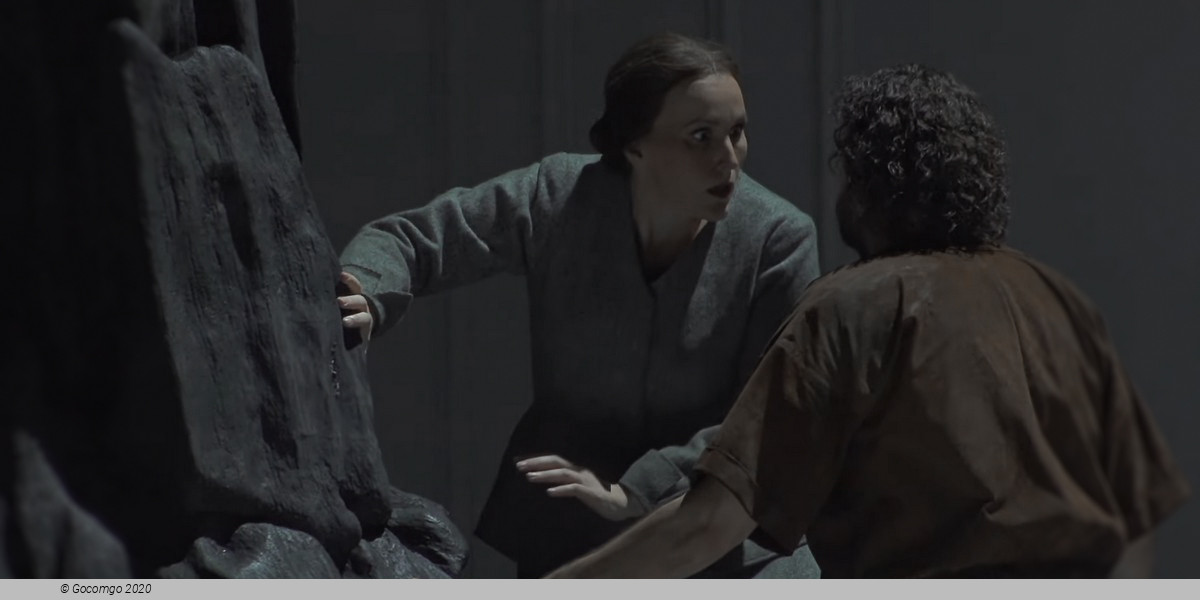
As a storm rages, Siegmund finds shelter from his enemies in a large dwelling built around a massive ash-tree. Unarmed and wounded, he collapses with exhaustion. Sieglinde enters; she tells Siegmund that she is the wife of Hunding, and that he may rest here until Hunding's return. As they talk, they look at each other with growing interest and emotion. Siegmund gets ready to leave, telling Sieglinde that misfortune follows him and he does not want to bring it on her; she replies that misfortune dwells with her already.

Hunding returns, and questions Siegmund's presence. Calling himself Wehwalt ("woeful"), Siegmund explains that he grew up in the forest with his parents and twin sister. One day he found their home burned down, his mother killed and his sister gone. Recently he fought with the relatives of a girl being forced into marriage. His weapons were destroyed, the bride was killed, and he was forced to flee. Hunding reveals that he is one of Siegmund's pursuers; Siegmund may stay, he says, but they must fight in the morning. Before leaving, Sieglinde gives a meaningful glance to a particular spot on the tree in which, the firelight reveals, a sword is buried to the hilt.

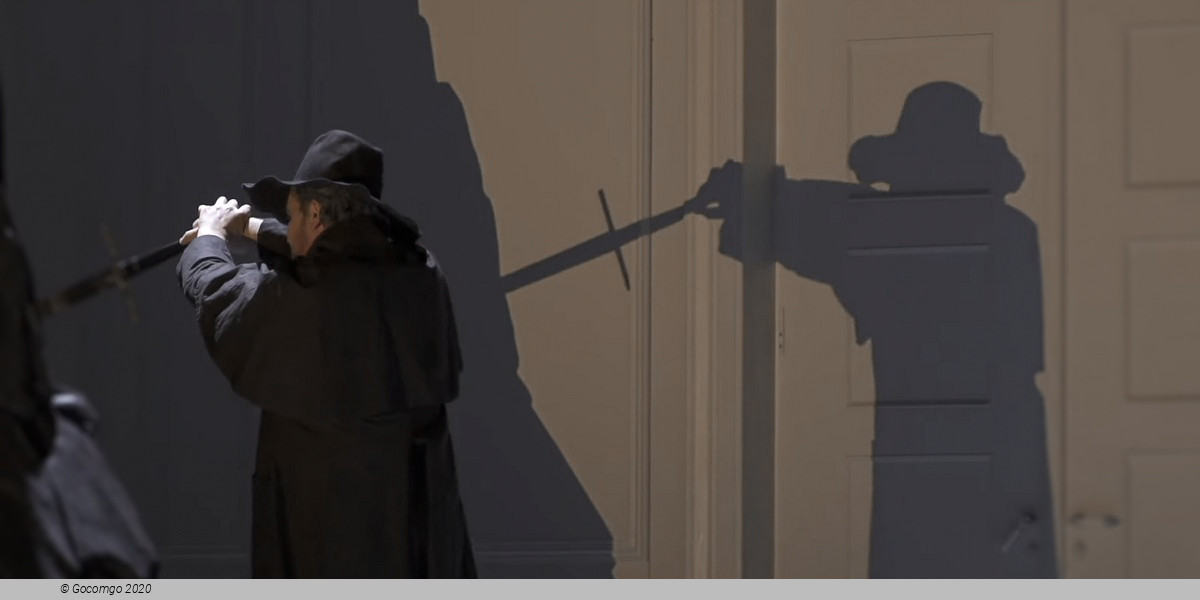
Sieglinde returns, having drugged Hunding's drink. She reveals that she was forced into the marriage and that during their wedding feast, an old man appeared and plunged a sword into the trunk of the ash tree which neither Hunding nor any of his companions have been able to remove. She is longing for the hero who will draw the sword and save her. When Siegmund expresses his love for her, she reciprocates, and when he speaks the name of his father, Wälse, she recognises him as Siegmund, and realises that the sword was left for him. Siegmund then draws the sword from the tree. She reveals herself as Sieglinde, his twin sister. Siegmund names the sword "Nothung" and declares that it will be her protection. The two sing of their passionate love for each other, as the act ends.

Act 2

On a high mountain ridge, Wotan instructs Brünnhilde, his Valkyrie daughter, to protect Siegmund in his forthcoming battle with Hunding. Fricka arrives, and in her role as goddess of family values demands that Siegmund and Sieglinde be punished for their adultery and incest. She scorns Wotan's argument that he requires Siegmund as a "free hero", who can further his plans to recover the ring from Fafner, uninhibited by Wotan's contracts. She retorts that Siegmund is not free but is Wotan's pawn, whose every move the god seeks to direct. Defeated by Fricka's argument, Wotan reluctantly agrees that he will not protect Siegmund. After Fricka leaves, the troubled Wotan gives Brünnhilde the full story, and with great sorrow rescinds his earlier instruction; he orders her to give the victory to Hunding, and then departs.

Siegmund and Sieglinde now enter, and Sieglinde faints, consumed with guilt and exhaustion. Brünnhilde tells Siegmund of his impending death; he refuses to follow Brünnhilde to Valhalla when she tells him Sieglinde cannot accompany him. Siegmund still believes that his father's sword will assure him of victory over Hunding, but Brünnhilde tells him it has lost its power. Siegmund threatens to kill both Sieglinde and himself. Much moved, Brünnhilde decides to defy her father and grant victory to Siegmund.

Hunding's call is heard; he arrives, and attacks Siegmund. Under Brünnhilde's power Siegmund begins to overpower Hunding, but Wotan appears and shatters Siegmund's sword with his spear. Hunding then stabs him to death. Brünnhilde gathers up the fragments of the sword and flees on horseback with Sieglinde. Contemptuously, Wotan strikes Hunding dead, and swearing that Brünnhilde will be punished for her defiance, sets out in pursuit of her.

Act 3

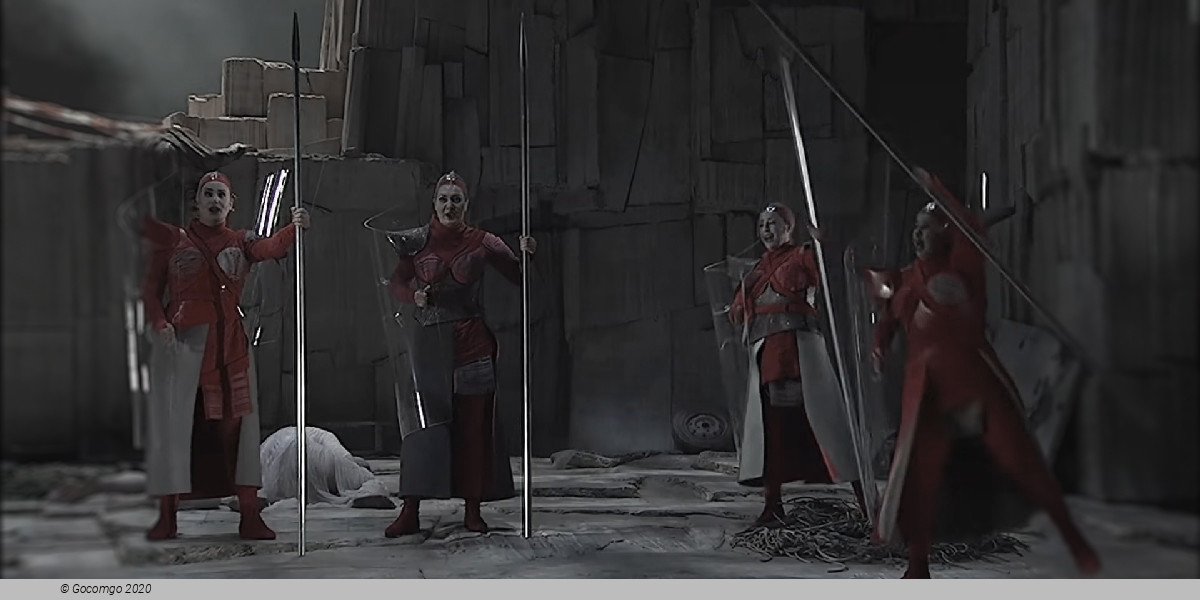
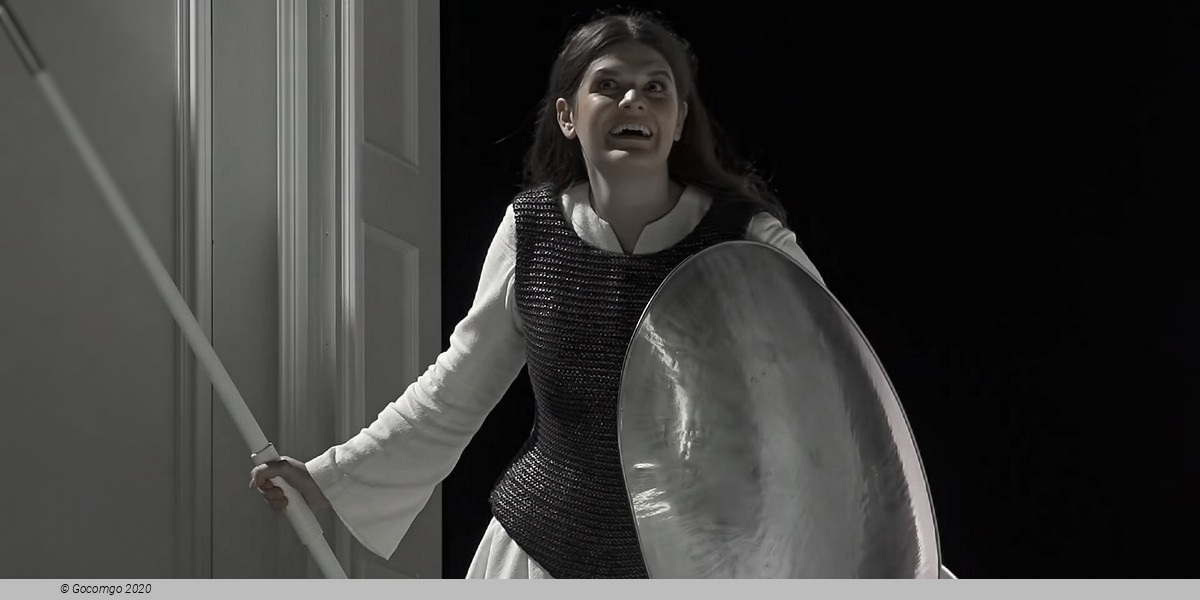
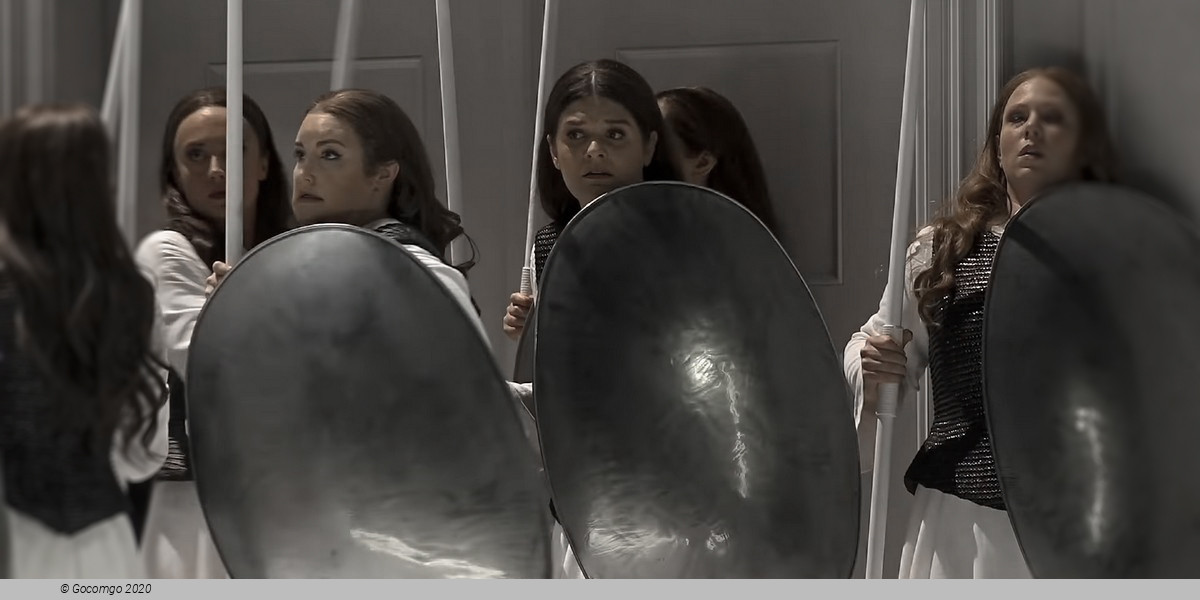
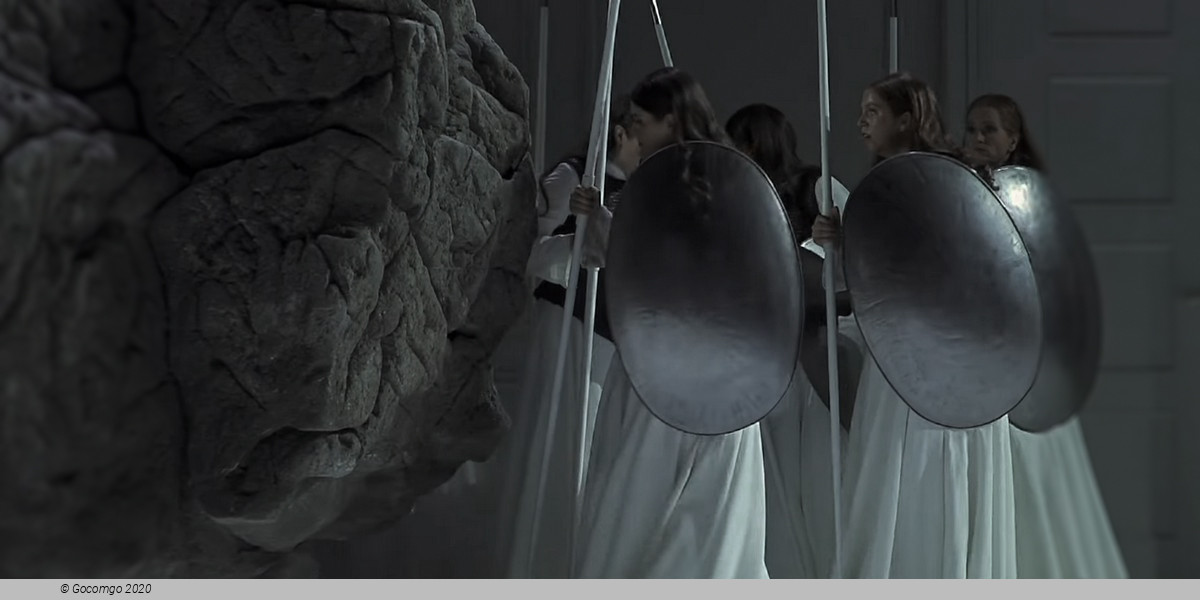
The Valkyries congregate on the mountain-top, each carrying a dead hero and chattering excitedly. Brünnhilde arrives with Sieglinde, and begs her sisters for help, but they dare not defy Wotan. Sieglinde tells Brünnhilde that without Siegmund she no longer wishes to live. Brünnhilde tells Sieglinde that she is pregnant by Siegmund, and urges her to remain alive for her child's sake, and to name the child Siegfried. Brünnhilde gives the fragments of the sword Nothung to Sieglinde, who thanks her for her loyalty and comfort, and resolves to save the child. As she departs, Wotan is heard approaching with great wrath.

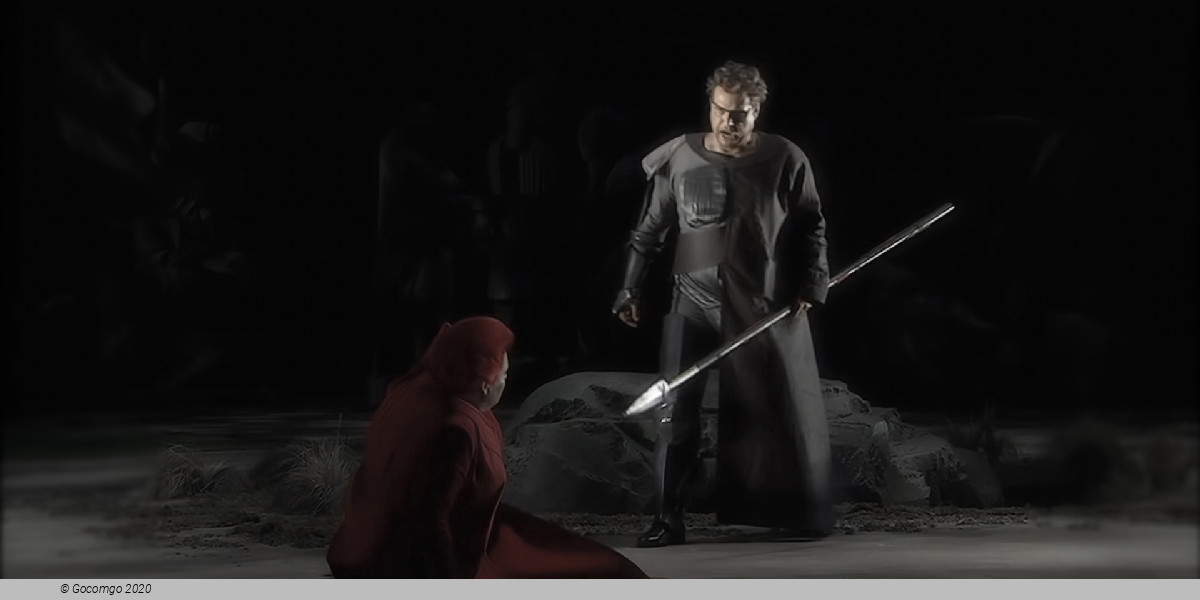
When Wotan arrives, the Valkyries vainly try to hide Brünnhilde. He faces her and declares her punishment: she is to be stripped of her Valkyrie status and become a mortal woman, to be held in defenceless sleep on the mountain, prey to any man who finds her. The other Valkyries protest, but when Wotan threatens them with the same, they flee. In a long discourse with Wotan Brünnhilde explains that she decided to protect Siegmund knowing that this was Wotan's true desire. Wotan consents to her request that he surround her resting place with a circle of fire that will protect her from all but the bravest of heroes. He bids her a loving farewell and lays her sleeping form down on a rock. He then summons Loge, the demigod of fire, who creates a circle of flames around her. Before slowly departing, Wotan pronounces that anyone who fears his spear shall never pass through the fire.

Venue Info

Teatro Nacional de Sao Carlos - Lisbon
Location   R. Serpa Pinto 9

The Teatro Nacional de São Carlos is an opera house in Lisbon, Portugal. It was opened on July 30, 1793 by Queen Maria I as a replacement for the Tejo Opera House, which was destroyed in the 1755 Lisbon earthquake. The theatre is located in the historical center of Lisbon, in the Chiado district.

In 1792, a group of Lisbon businessmen decided to finance the construction of a new Opera House in the city. The theatre was built in only six months following a design by Portuguese architect José da Costa e Silva, with neoclassical and rococo elements. The general project is clearly inspired by great Italian theatres like the San Carlo of Naples (interior) and La Scala in Milan (interior and façade). In the early 19th century, when the Portuguese Royal Court had to flee to the Portuguese colony of Brazil to escape the invading Napoleonic troops, a theatre modelled on the São Carlos was built in Rio de Janeiro.

The theatre was erected in honor of Princess Charlotte of Spain who had been married in 1785 at the age of 10 to the future King, Prince John and resided with him from 1790 once she was of childbearing age: Carlos (Portuguese form of Charles) is the masculine form of Charlotte. A Latin commemorative inscription dedicates the theatre to the princess.

The first opera presented here, in 1793, was La Ballerina Amante, by Domenico Cimarosa. The most famous Portuguese composer of the time, Marcos Portugal, became musical director of the São Carlos in 1800 after returning from Italy, and many of his operas were staged here.

Between 1828 and 1834, the São Carlos was closed during the Portuguese Civil War, fought between kings Miguel I and Pedro IV. In 1850, the lighting of the interior was changed to gas illumination, the latest technology available. Shortly afterwards, the Portuguese state bought the theatre from private investors. After a few failed attempts, electrical illumination was installed in 1887. From 1935 to 1940, the theatre was closed for repairs.

In 1974, a resident opera company was established. In 1993, the Orquestra Sinfónica Portuguesa was created as the Teatro's affiliate orchestra, with Álvaro Cassuto as the orchestra's first principal conductor. Subsequent principal conductors of the Orquestra Sinfónica Portuguesa have included José Ramón Encinar (1999–2001), Zoltán Peskó (2001–2004) and Julia Jones (2008–2011). Since January 2014, the orchestra's principal conductor is Joana Carneiro.

The theatre building was classified as Property of Public Interest in 1928 and has been reclassified as a National Monument since 1996.

Longitudinal and composite building with articulated parts has a sober facade. The frontispiece is divided into 3 parts: 2 floors on mezzanine and a third floor on the central body. This central body is torn by a portico (entrance hall), and has a loggia at the ground level composed of 3 frontal arches and a lateral, in perfect round. The loggia is crowned by a perfect terrace of balustrade in stonework. Here, the windows are framed by parastase, that supports a highlighted cornice. They also have a crown composed of panels with inscription and two high reliefs. At the level of the third floor, this same central body presents a clock surrounded by garlands and two windows, all of which is surmounted by two pinnacles and the Portuguese coats-of-arms.

At the level of the first floor, the two side bodies have two straight-polished doors crowned by low windows. Although with the same two windows, at the second floor level they feature balustrade in stonework, protruding cornice and a small window in the mezzanine area.

The main room (performance hall) is elliptic, has five tiers of boxes and seats 1148 people. The luxurious royal box was lavishly decorated by the Italian Giovanni Appianni. The ceiling was painted by Manuel da Costa and the stage by Cirilo Wolkmar Machado.

Important Info
Type: Opera
City: Lisbon, Portugal
Starts at: 15:00
Top of page