

Gallery
About
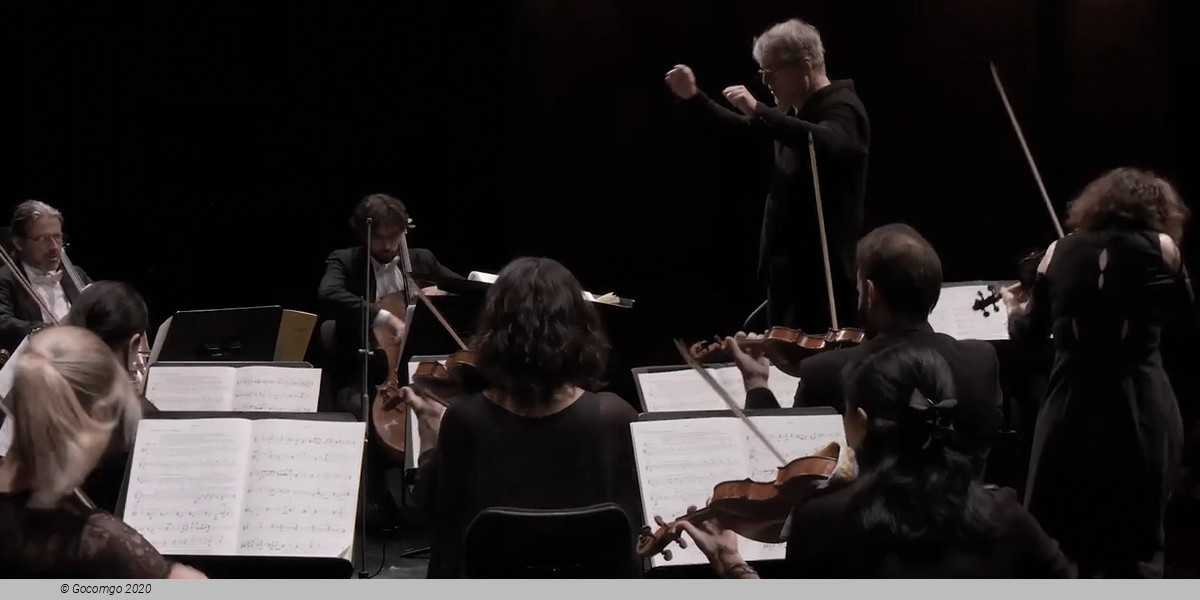
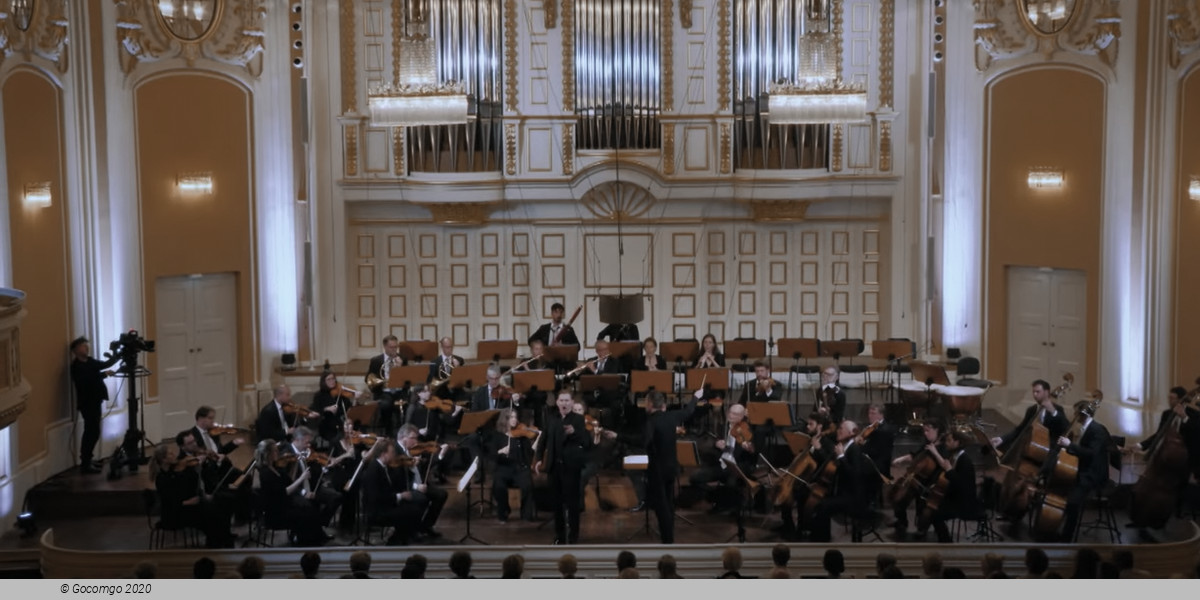
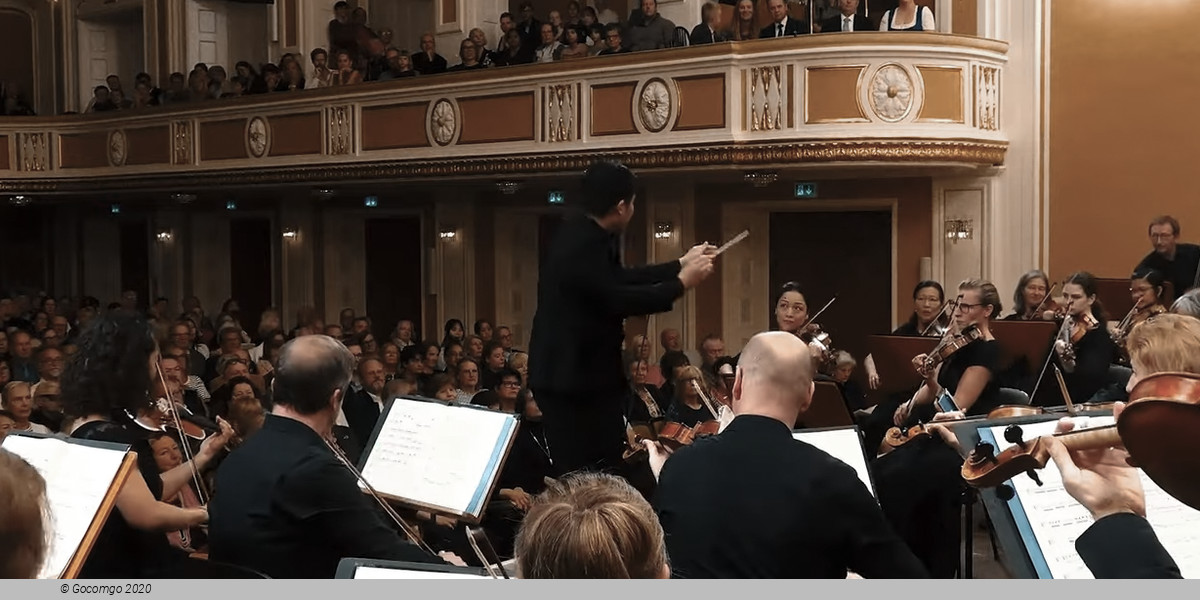
Salzburg Festival Whitsun 2027 is the main event of the year with the participation of world classical music stars.
If you are interested in this schedule leave a request. As soon as the playbill is announced, we will let you know immediately, and you will be the first to get the tickets.
In each section, you will get the best seats for the same price - centrally located and in front rows.
We provide seats with the best acoustics only.
Even in the world's best concert halls and opera houses, the listening conditions can vary greatly, and some seats are better than others. Sometimes nearby seats have very different viewing and listening conditions.
Usually, these seats are sold out soon and available for early bookers only. We guarantee that you will receive full-view seats only.
Detailed information about the 2026 Festival will be added later.
Please read about the previous Salzburg Festival Whitsun 2026:
Visitors to the Salzburg Festival are invited to Salzburg from 22 to 25 May 2026 for ‘Bon Voyage’.
For the Salzburg Festival Pentecost, Cecilia Bartoli places travel at the heart of the program. Inspired by Rossini’s “Il viaggio a Reims”, in which a traveling party amusingly misses its destination, the festival explores sea voyages, journeys of discovery, life paths – and Bartoli’s own artistic journey. The artistic director combines musical rediscoveries with fresh perspectives: “Travel is everyday life for artists, but experiencing it slowly is a luxury. For me, every artistic career is an adventure full of surprises,” says Bartoli.
In 2026, she will perform for the first time the role of the poet Corinna in Rossini’s opera, in a lively production by Barrie Kosky and Gianluca Capuano, accompanied by Les Musiciens du Prince on period instruments.
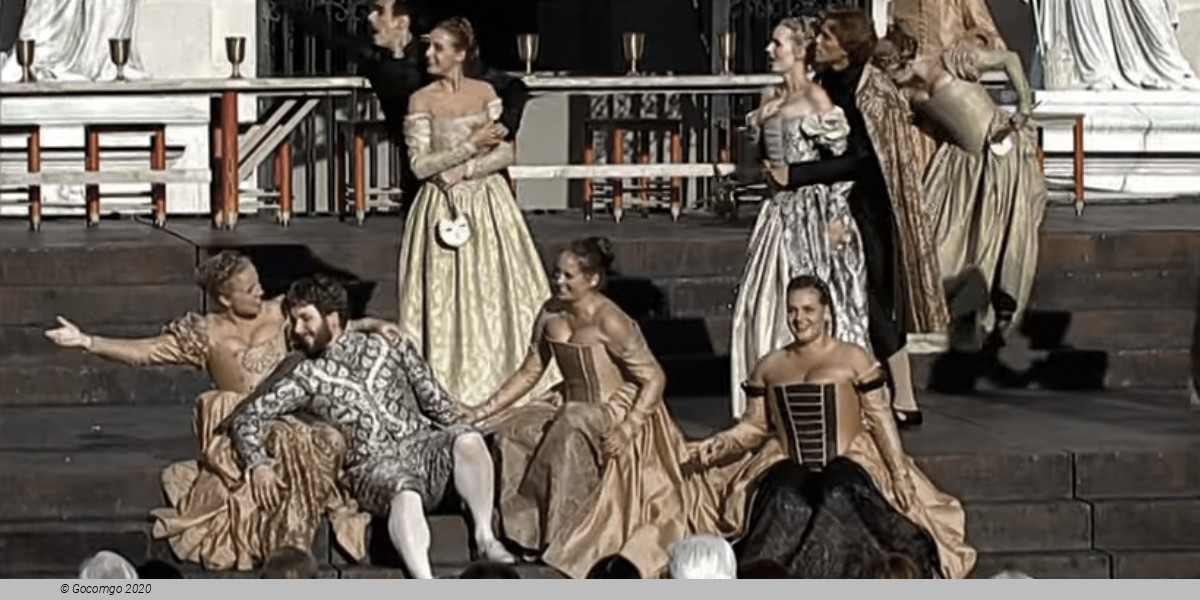
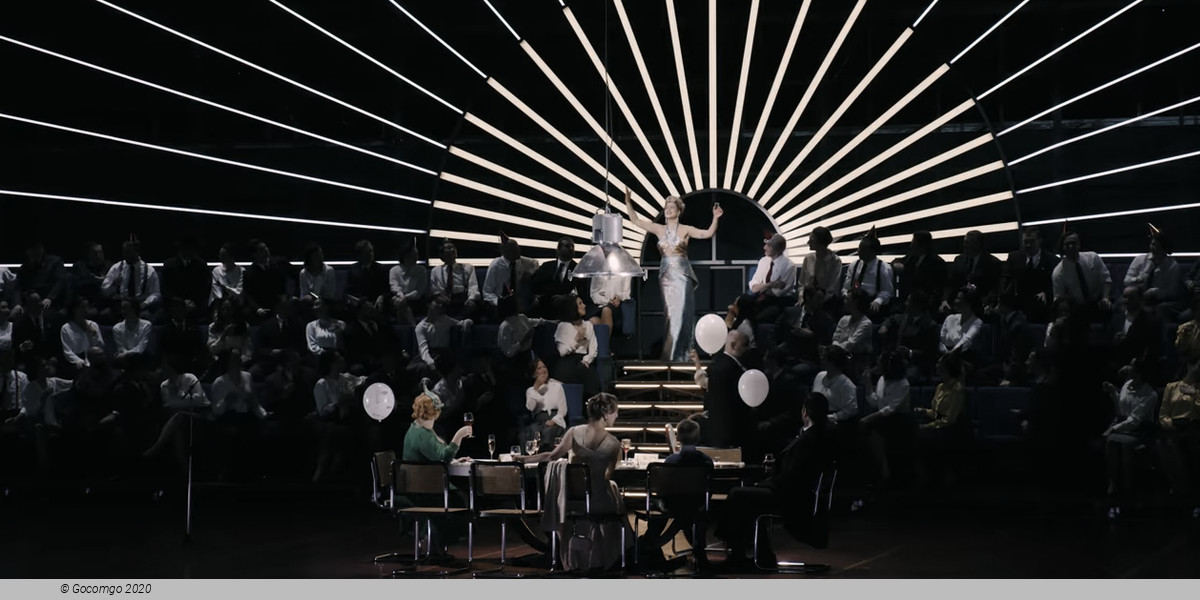
For the coronation of Charles X in Reims, a colorful traveling party finds itself stranded in a provincial hotel – bad luck for them, good luck for us. Rossini’s “Il viaggio a Reims” presents an entertaining parade of love affairs, jealousy, vanity, and eccentric characters. Composed in 1825 as Rossini’s first opera for Paris and his last in Italian, it humorously plays with national stereotypes and parodies operatic conventions.Director Barrie Kosky describes his new production as a “musical whirlwind,” inspired by the farces of Feydeau: comedy, rapid entrances and exits, romantic entanglements, and slapstick meet Rossini’s virtuosic music. The opera combines witty chaos with lyrical passages, immersing the audience in a world that spirals delightfully out of control – exuberant, seductive, and utterly entertaining.
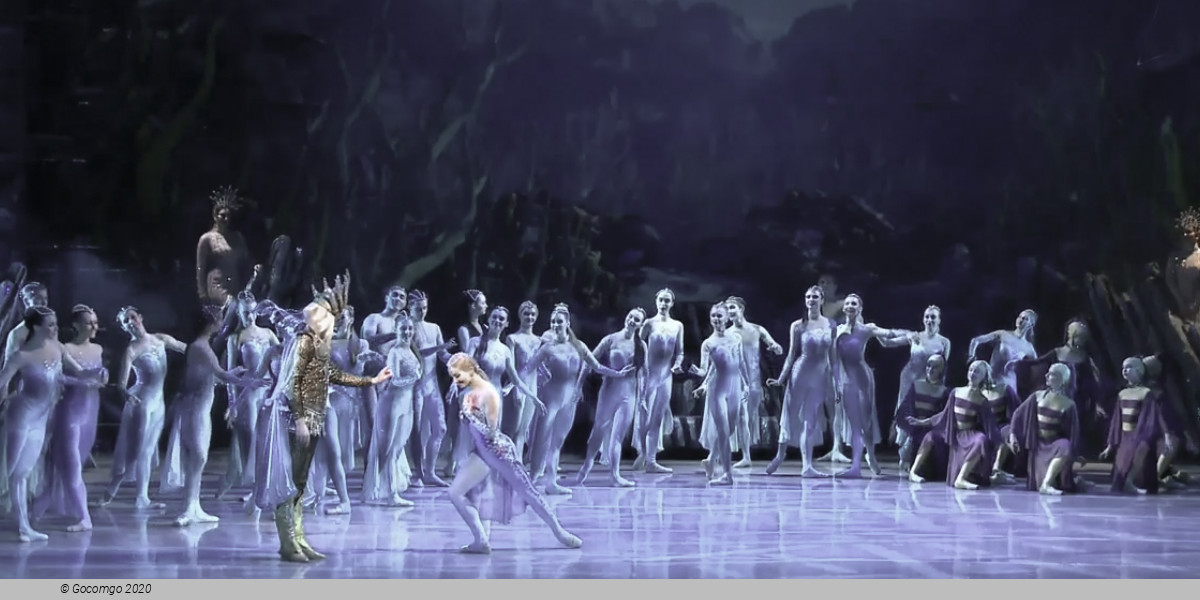
John Neumeier’s ballet blends Hans Christian Andersen’s fairy tale with biographical elements of the author. During a sea voyage, Andersen recalls the wedding of his childhood friend, and his tears flow into a sea of memories and imagination. The Little Mermaid experiences both the austere underwater world and the opulent life on land, enduring unrequited love for the prince, and ultimately finds redemption through her own strength. Andersen’s love gives her a soul – and grants immortality to both character and creator.
Monteverdi’s opera depicts the final stage of Odysseus’ journey home from Troy: with Minerva’s help, he reunites with his son Telemachus and returns, disguised as an old beggar, to the palace to confront Penelope’s suitors. Monteverdi’s rich musical language creates a colorful universe, brought vividly to life on stage by the Milanese Marionette Company Colla.
Cecilia Bartoli invites the audience on a musical journey “over the sea,” inspired by adventures and fateful voyages of past eras. Works by Monteverdi, Cavalli, Schürmann, Ghizzolo, Pisador, and traditional Mexican music create a diverse musical universe, exploring the allure of the Mediterranean and the storytelling power of its legends.
Visitors to the Salzburg Festival are invited to Salzburg from 22 to 25 May 2026 for ‘Bon Voyage’.
For the Salzburg Festival Pentecost, Cecilia Bartoli places travel at the heart of the program. Inspired by Rossini’s “Il viaggio a Reims”, in which a traveling party amusingly misses its destination, the festival explores sea voyages, journeys of discovery, life paths – and Bartoli’s own artistic journey. The artistic director combines musical rediscoveries with fresh perspectives: “Travel is everyday life for artists, but experiencing it slowly is a luxury. For me, every artistic career is an adventure full of surprises,” says Bartoli.
In 2026, she will perform for the first time the role of the poet Corinna in Rossini’s opera, in a lively production by Barrie Kosky and Gianluca Capuano, accompanied by Les Musiciens du Prince on period instruments.
For the coronation of Charles X in Reims, a colorful traveling party finds itself stranded in a provincial hotel – bad luck for them, good luck for us. Rossini’s “Il viaggio a Reims” presents an entertaining parade of love affairs, jealousy, vanity, and eccentric characters. Composed in 1825 as Rossini’s first opera for Paris and his last in Italian, it humorously plays with national stereotypes and parodies operatic conventions.Director Barrie Kosky describes his new production as a “musical whirlwind,” inspired by the farces of Feydeau: comedy, rapid entrances and exits, romantic entanglements, and slapstick meet Rossini’s virtuosic music. The opera combines witty chaos with lyrical passages, immersing the audience in a world that spirals delightfully out of control – exuberant, seductive, and utterly entertaining.
John Neumeier’s ballet blends Hans Christian Andersen’s fairy tale with biographical elements of the author. During a sea voyage, Andersen recalls the wedding of his childhood friend, and his tears flow into a sea of memories and imagination. The Little Mermaid experiences both the austere underwater world and the opulent life on land, enduring unrequited love for the prince, and ultimately finds redemption through her own strength. Andersen’s love gives her a soul – and grants immortality to both character and creator.
Monteverdi’s opera depicts the final stage of Odysseus’ journey home from Troy: with Minerva’s help, he reunites with his son Telemachus and returns, disguised as an old beggar, to the palace to confront Penelope’s suitors. Monteverdi’s rich musical language creates a colorful universe, brought vividly to life on stage by the Milanese Marionette Company Colla.
Cecilia Bartoli invites the audience on a musical journey “over the sea,” inspired by adventures and fateful voyages of past eras. Works by Monteverdi, Cavalli, Schürmann, Ghizzolo, Pisador, and traditional Mexican music create a diverse musical universe, exploring the allure of the Mediterranean and the storytelling power of its legends.
About the Salzburg Festival Whitsun
To hold the festival in Salzburg not only in the summer was offered by Hugo von Hofmannsthal, who together with max Reinhardt invented and first organized the Salzburg festival. According to his plan, the festival should be held annually not only in the summer, but also at Christmas time, Easter and during the Holy Trinity.

Since 1973, Herbert von Karajan has been organizing a short series of concerts during the Holy Trinity for season ticket holders for the Easter festival. They were called "Pfingstkonzerte" – "Concerts in the Holy Trinity." The first "Concerts" were dedicated to three symphonies by Anton Bruckner, which were performed for three evenings by the Berlin Philharmonic orchestra under the baton of Herbert von Karajan. From that time until 1982, the Berlin Philharmonic orchestra traditionally performed three orchestral concerts on Saturday, Sunday and Monday of the Holy Trinity.

After 1983 the orchestra took over and the other conductors (Georg Solti, Seiji Ozawa and Andre Previn). Since 1983, international orchestras – the Chicago Symphony Orchestra, the London Symphony orchestra and others-have taken part in the festival. Since 1998, the festival has been held under its current name-the Salzburg festival during the Holy Trinity, and Opera productions have also been added to the repertoire. Since the 1990s, the Salzburg Easter festival has given preference to the Baroque repertoire-for example, at the 2005 festival. Handel's Opera ACIS and Galatea and his oratory Solomon were performed. According to the established tradition at the festival, musicians play historical instruments.

From 2007 to 2013, the artistic Director of the Salzburg festival during the Holy Trinity was Riccardo Muti, who, wishing to show during the festival the link between Neapolitan and Austrian culture, held it under the motto "Salzburg to match Naples". During these five years, several rare operas of the Neapolitan Opera school were staged at the festival. Since 2014, the artistic Director of the Salzburg festival during the Holy Trinity is Cecilia Bartoli, who participates each year in an Opera production, which is first shown at the Salzburg festival during the Holy Trinity, and then repeated at the Salzburg summer festival. Thus, in 2012, she performed the role of Cleopatra in Handel's Opera Julius Caesar in Egypt, then played the main roles in Vincenzo Bellini's Norma (in 2013), Gioacchino Rossini's Cinderella (in 2014), and Gluck's Iphigenia in Taurida (in 2015).