

Gallery
About
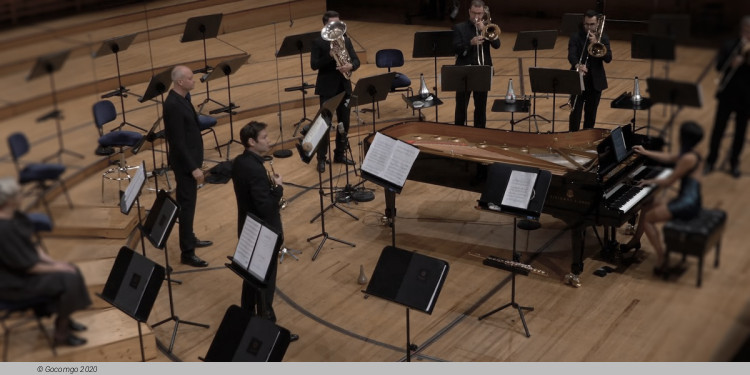
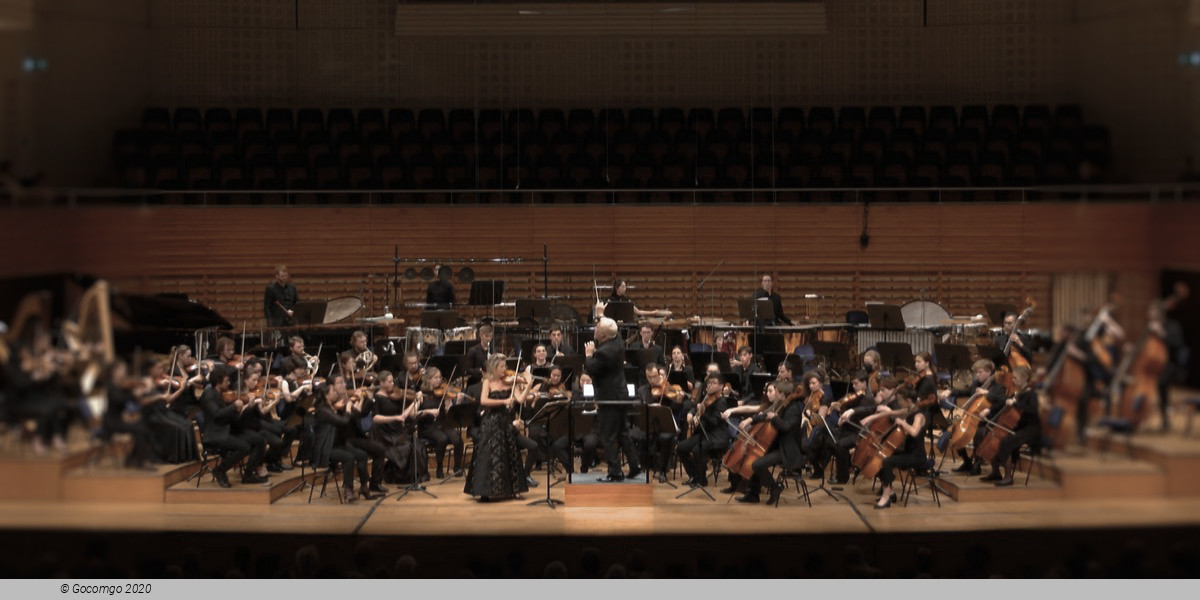
The central festival takes place in summer from mid-August to mid-September and offers a widely varied range of approximately 100 concerts and related events. Each Summer Festival features a guiding theme that runs dramaturgically through the programming. The Festival presents a diverse array of formats, including symphony concerts, chamber music, recitals, debuts, late night events, and much more.
Lucerne Summer Festival 2027 is the main event of the year with the participation of world classical music stars.
If you are interested in this schedule leave a request. As soon as the playbill is announced, we will let you know immediately, and you will be the first to get the tickets.
In each section, you will get the best seats for the same price - centrally located and in front rows.
We provide seats with the best acoustics only.
Even in the world's best concert halls and opera houses, the listening conditions can vary greatly, and some seats are better than others. Sometimes nearby seats have very different viewing and listening conditions.
Usually, these seats are sold out soon and available for early bookers only. We guarantee that you will receive full-view seats only.
Detailed information about the 2026 Festival will be added later.
Please read about the previous Lucerne Spring Festival 2027:
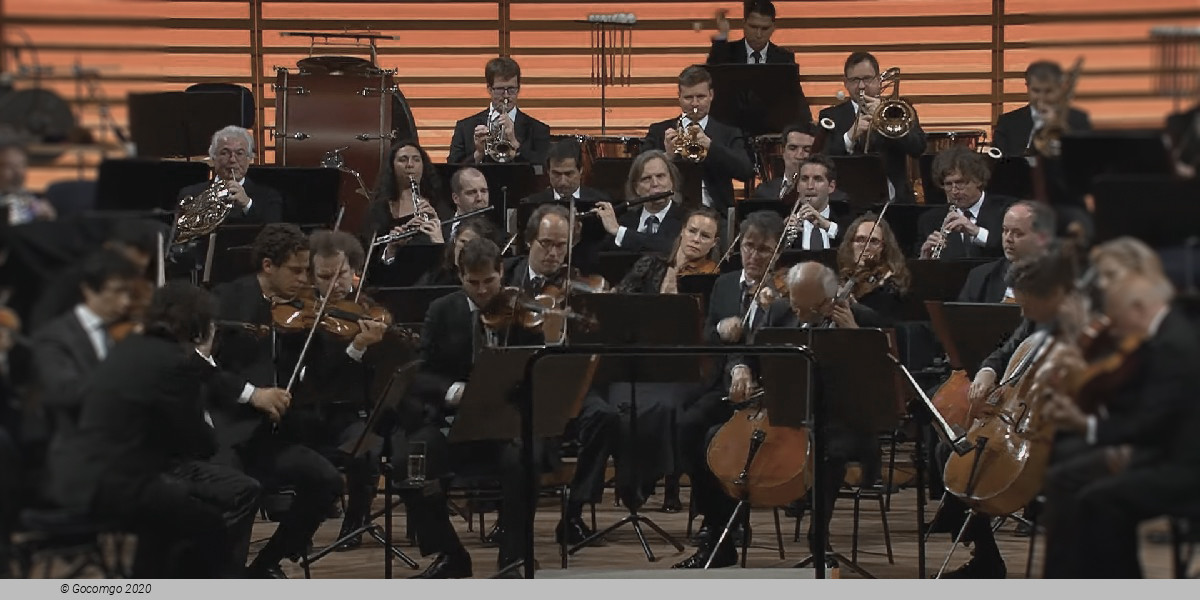
The work of the Lucerne Festival Orchestra isn’t limited to the summer. Since 2022, the ensemble has been drawing classical music fans from around the world to Lucerne each spring as well. One week before Easter, on Palm Sunday weekend, the musicians present a three-day music festival. Each year, they shine a spotlight on a particular composer through a mix of orchestral and chamber concerts. In 2022 and 2023, the five symphonies of Felix Mendelssohn were paired with works by important contemporaries. For the past three editions, which were conducted by Riccardo Chailly, Pablo Heras-Casado, Rafael Payare, and Franz Welser-Möst, the Lucerne Festival Orchestra offered fresh perspectives on selected symphonies and concertos by Ludwig van Beethoven.
Lucerne Spring Festival 2027 is the main event of the year with the participation of world classical music stars.
If you are interested in this schedule leave a request. As soon as the playbill is announced, we will let you know immediately, and you will be the first to get the tickets.
In each section, you will get the best seats for the same price - centrally located and in front rows.
We provide seats with the best acoustics only.
Even in the world's best concert halls and opera houses, the listening conditions can vary greatly, and some seats are better than others. Sometimes nearby seats have very different viewing and listening conditions.
Usually, these seats are sold out soon and available for early bookers only. We guarantee that you will receive full-view seats only.
Detailed information about the 2027 Festival will be added later.
Please read about the previous Lucerne Spring Festival 2023:
Felix Mendelssohn was probably the most important personality in German musical life during the first two decades after Beethoven’s death. As a composer, he proved through his symphonies and overtures, chamber music, and piano works that the history of music at that time had by no means reached the end point predicted by certain would-be prophets. As a performer, Mendelssohn in turn established the professional image of the conductor: he was the first to step in front of the orchestra with a baton and conduct concerts while not himself playing the violin or keyboard. Robert Schumann admiringly called him “the Mozart of the 19th century” - thus planting the preconception of Mendelssohn as a classicist. Riccardo Chailly and the Lucerne Festival Orchestra will explore this contradiction as they pair Mendelssohn’s music with works by his contemporaries, role models, and successors.

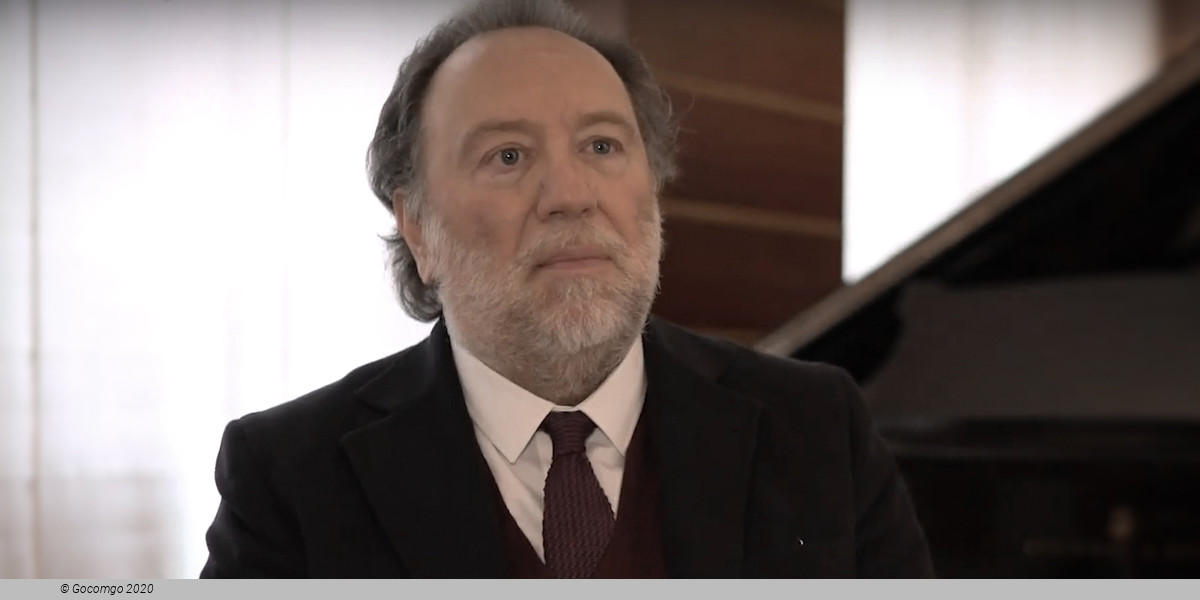
Riccardo Chailly has been studying Mendelssohn intensively for many years and has even immersed himself in the various manuscript versions of his works. He is particularly fascinated by Mendelssohn’s “love of bel canto” and Italian opera, as well as his enthusiasm for color. “You can see that not only in his scores,” Chailly explains, “but also in his drawings, with their sense of detail: the shape of a leaf, the grounding of the sky, the reflections of light on the surface of water. For Mendelssohn, nature was the dominant element of all human experience.”
The Lucerne Summer Festival 2026 invites you into a world where music becomes a landscape — refined, luminous, and deeply human. Set on the shores of Lake Lucerne and framed by the Swiss Alps, this extraordinary festival unfolds from August 13 to September 13, 2026, transforming the city into one of the most important centers of classical music in the world.
The 2026 edition revolves around the evocative theme “American Dreams”, exploring the rich diversity of musical expression shaped by the cultural imagination of the United States. From the rhythmic pulse of George Gershwin to the symphonic depth of Leonard Bernstein and the modern textures of Steve Reich, the program unfolds as a vibrant dialogue between tradition and innovation.
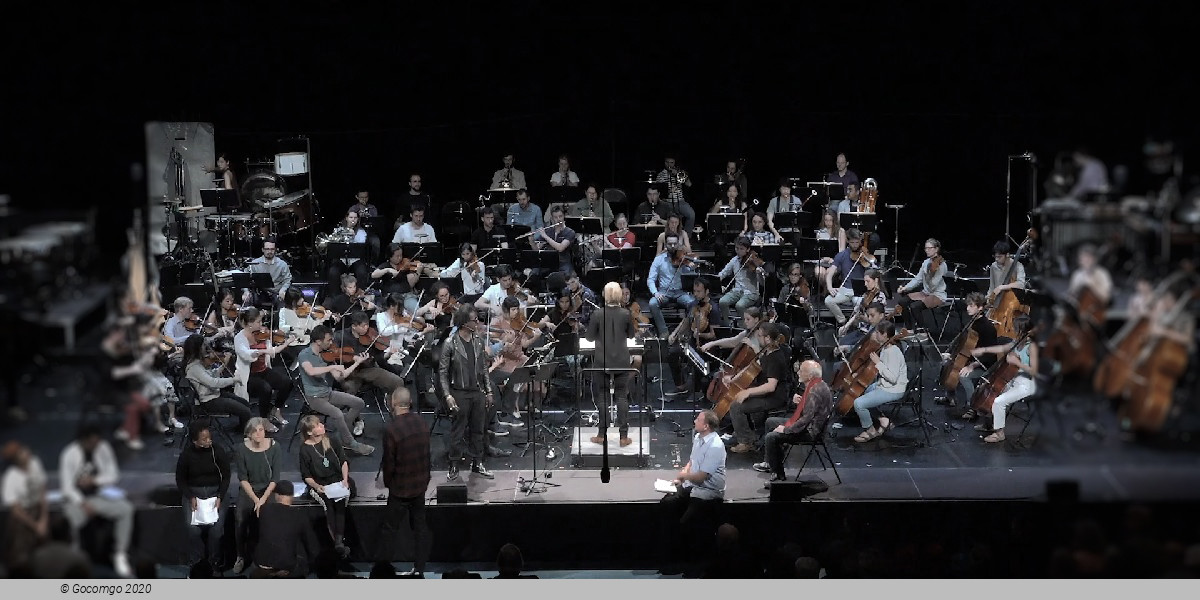
At the heart of the festival stands the legendary Lucerne Festival Orchestra, under the direction of Riccardo Chailly. Their opening concerts set the tone for the season with electrifying interpretations that blend precision, energy, and emotional depth. Symphonic highlights continue throughout the festival, with major works by Brahms, Mahler, Mozart, and Stravinsky performed at the highest artistic level.
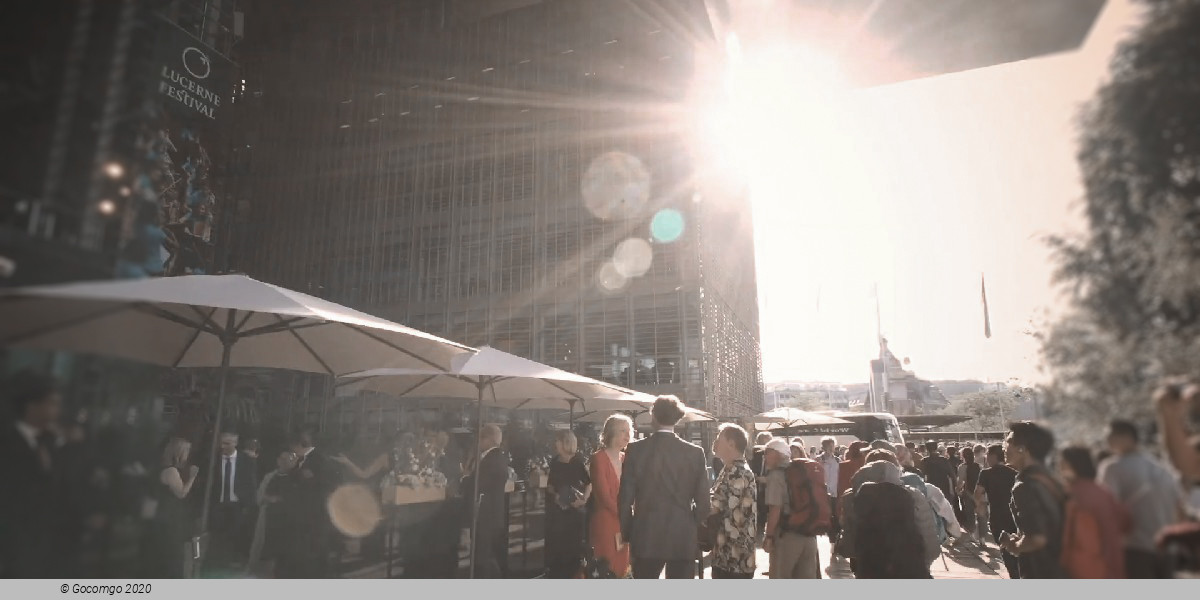
The festival’s concert program is both monumental and intimate. Alongside grand orchestral evenings, audiences can experience chamber recitals, debut concerts, and innovative formats such as the popular “40min” series and open-air performances on Europaplatz. The city itself becomes a stage through the “In the Streets” program, where music appears unexpectedly in public spaces, creating a sense of spontaneity and discovery.
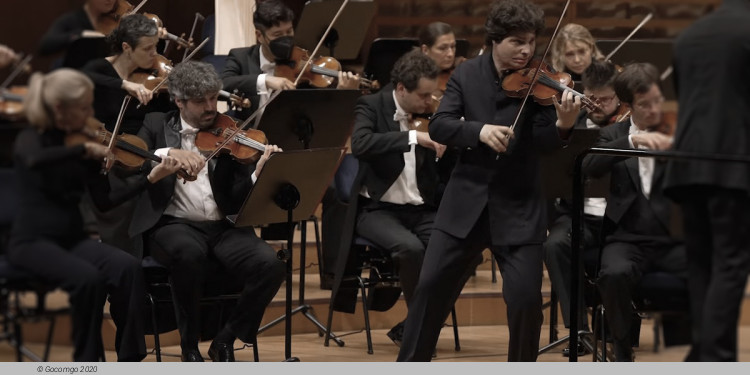
What truly defines Lucerne is its constellation of world-class artists. The 2026 season celebrates the 50-year stage anniversary of Anne-Sophie Mutter, whose presence brings both history and brilliance. Violinist Augustin Hadelich appears as “artiste étoile,” while leading performers such as Cecilia Bartoli, Seong-Jin Cho, Joyce DiDonato, and Martha Argerich shape a program of remarkable artistic depth.
Under the new artistic leadership of Sebastian Nordmann, the festival enters a fresh chapter — one that honors its legacy while embracing new ideas and contemporary voices.
The Lucerne Summer Festival is more than a series of concerts — it is a state of mind. Here, music reflects the clarity of the mountains and the stillness of the lake, inviting you to listen more deeply, feel more intensely, and rediscover the beauty of sound itself.
About the Lucerne Festival
Lucerne Festival is one of the leading international festivals in the world of classical music. Lucerne Festival was founded in 1938; since 1999, Michael Haefliger has been its Executive and Artistic Director.
The Easter Festival at the Weinmarkt in Lucerne (from 1453 into the 16th century) is regarded as one of the outstanding contributions to the early history of German-language drama. In the 19th century the General Music Society of Switzerland (later: Swiss Union of Musicians) presents music festivals in Lucerne. From 1866 to 1872 Richard Wagner lives in nearby Tribschen, where he completes Die Meistersinger von Nürnberg and composes parts of the Ring. A decade before, while in exile in Zurich, he envisaged a festival on the shores of Lake Lucerne – an idea that is also later taken up by his son Siegfried around 1930. Richard Strauss and Max Reinhardt similarly consider Lucerne as a potential festival city before they found the Salzburg Festival.
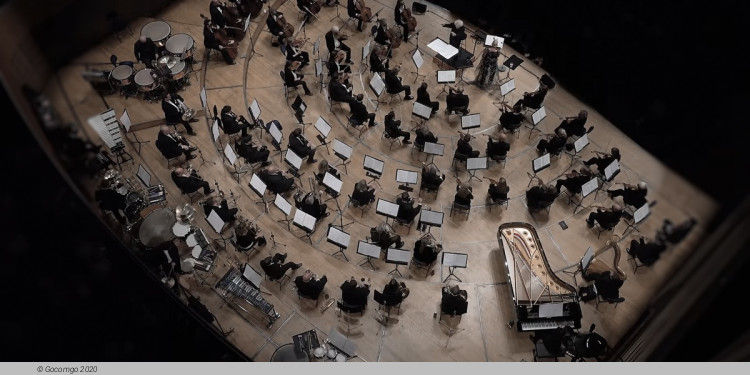
Even before music festival is founded, guest orchestras perform regularly in Lucerne under such leading conductors as Arthur Nikisch, Arturo Toscanini, and Wilhelm Furtwängler. Along with this tradition, Mayor Jakob Zimmerli – the leading force behind establishing a music festival, which will also give an impetus to the tourist industry – can also base this plan on a reliable infrastructure: the Kursaal in the Grand Casino Lucerne, the Saal of the Hotel Union, and the Kunst- und Kongresshaus, newly opened in 1933. Initial plans for a music festival are developed in 1936-37, inspired by the Swiss conductor Ernest Ansermet and in collaboration with Walter Schulthess, the director of the Zurich Concert Society AG. The Lucerne Kursaal Orchestra is foreseen as the ensemble, to be expanded with musicians from the Orchestre de la Suisse Romande, which Ansermet founded in 1918. Richard Strauss is asked to be the conductor but declines in 1938. In 1937 a “run-through” takes place in the Kursaal with the radio orchestras of Zurich and Lausanne led by Robert F. Denzler.
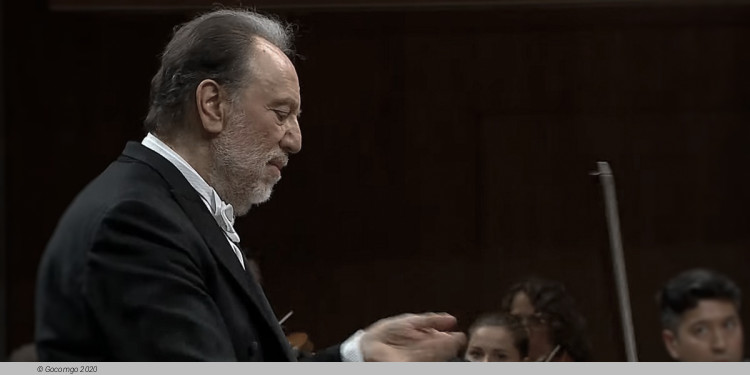
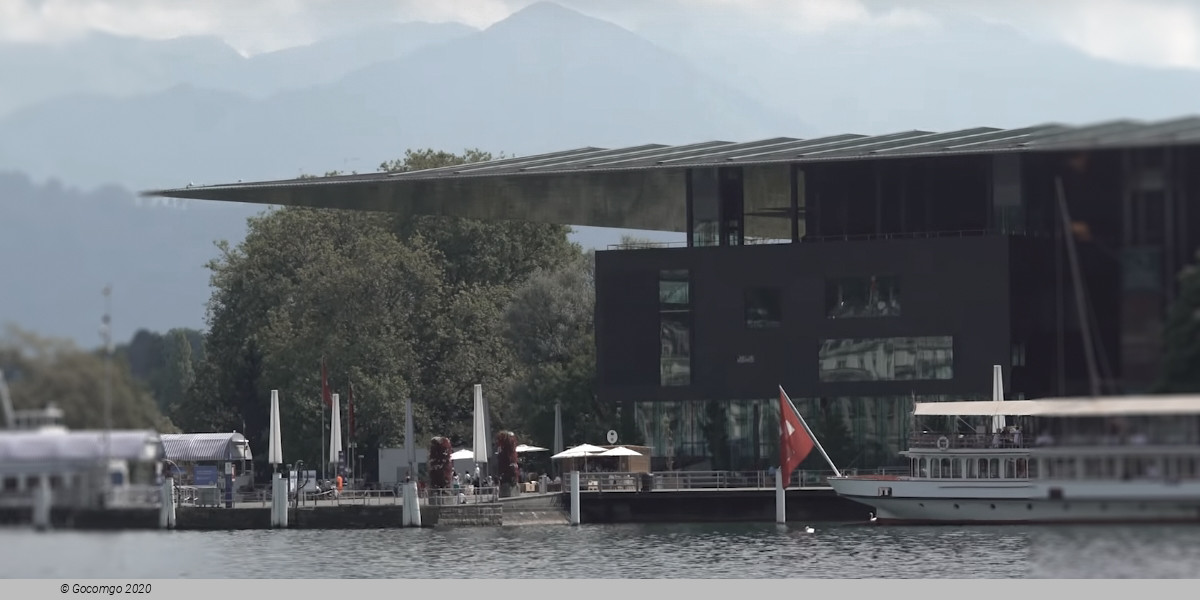
The central festival takes place in summer from mid-August to mid-September and offers a widely varied range of approximately 100 concerts and related events. Each Summer Festival features a guiding theme that runs dramaturgically through the programming. The Festival presents a diverse array of formats, including symphony concerts, chamber music, recitals, debuts, late night events, and much more. Flanking the Summer Festival are short festivals, one each in spring and fall: a spring residency featuring the Lucerne Festival Orchestra and “Lucerne Festival Forward,” which takes place in November. “Lucerne Festival Forward” is artistically and conceptually designed by musicians from the Lucerne Festival Contemporary Orchestra (LFCO). In May 2023, a fourth festival will be added. This will be a three-day Piano Festival curated by the pianist Igor Levit. The KKL Luzern, designed by Jean Nouvel and equally renowned for its acoustics and architecture, is Lucerne Festival’s central venue.
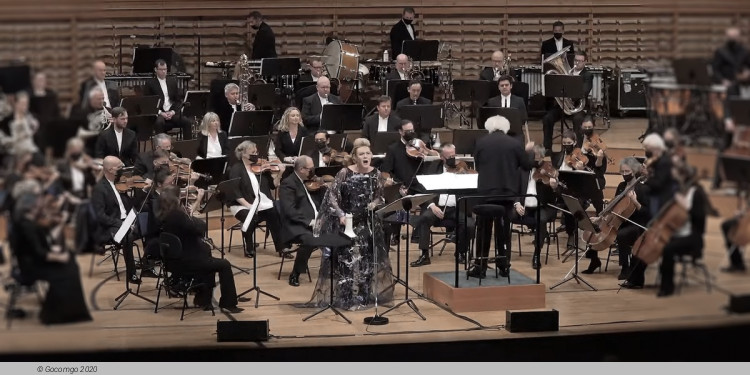
Just in time to mark the 60th birthday of the IMF, Claudio Abbado and the Berlin Philharmonic open the new concert hall on 19 August. The completion of the entire KKL complex takes until 2000. Other festivals visit as guest artists with their own productions, such as the Bayreuth Festival with parts of Götterdämmerung (under James Levine) and Die Meistersinger von Nürnberg (under Daniel Barenboim) and the Salzburg Festival with Messiaen’s Saint François d’Assise (under Kent Nagano). The KKL opens up new possibilities: the Piano Festival is the third Festival to be founded. It is devoted entirely to keyboard music.
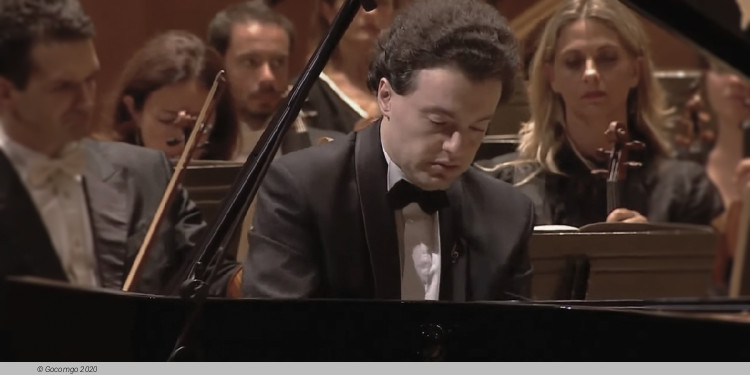
Lucerne Festival is one of the world’s leading classical music festivals. It is committed to the highest degree of artistic quality and aim to inspire the audiences at home and abroad, from young people to the elderly. It makes groundbreaking cross-connections between tradition and innovation and champion the emerging generation of musicians and the music of our time while at the same time safeguarding artistic and financial independence.
For more than 20 years, Lucerne Festival has been committed to sustainability: for the coming generation of artists, for tomorrow's audiences, for contemporary music, for diversity and social engagement in music, and recently for climate action as well.