

Gallery
About
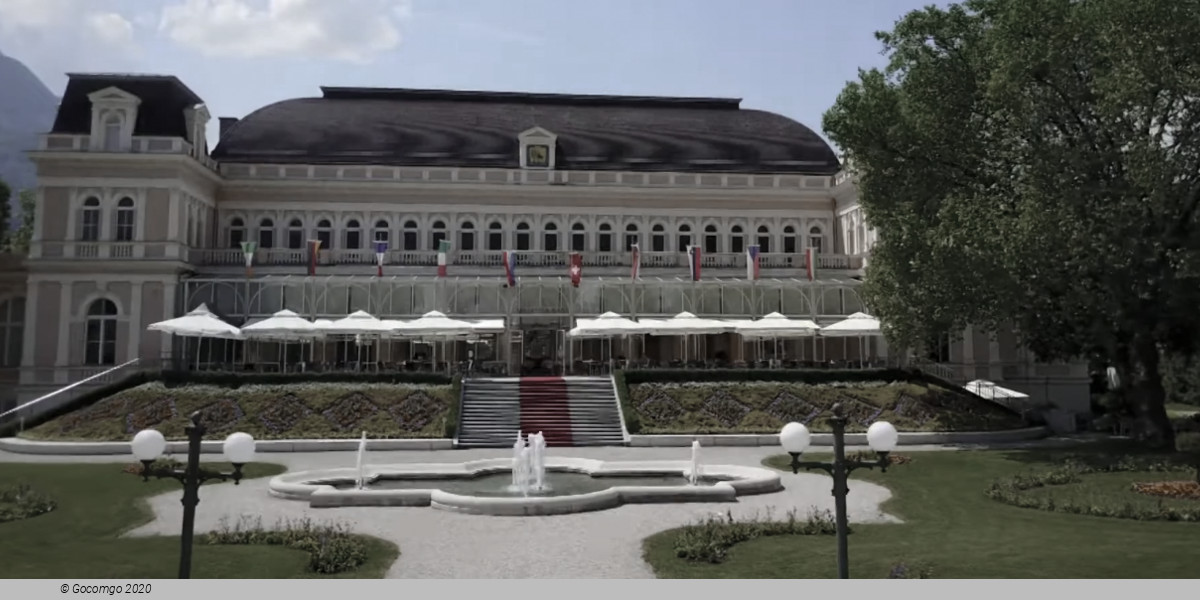
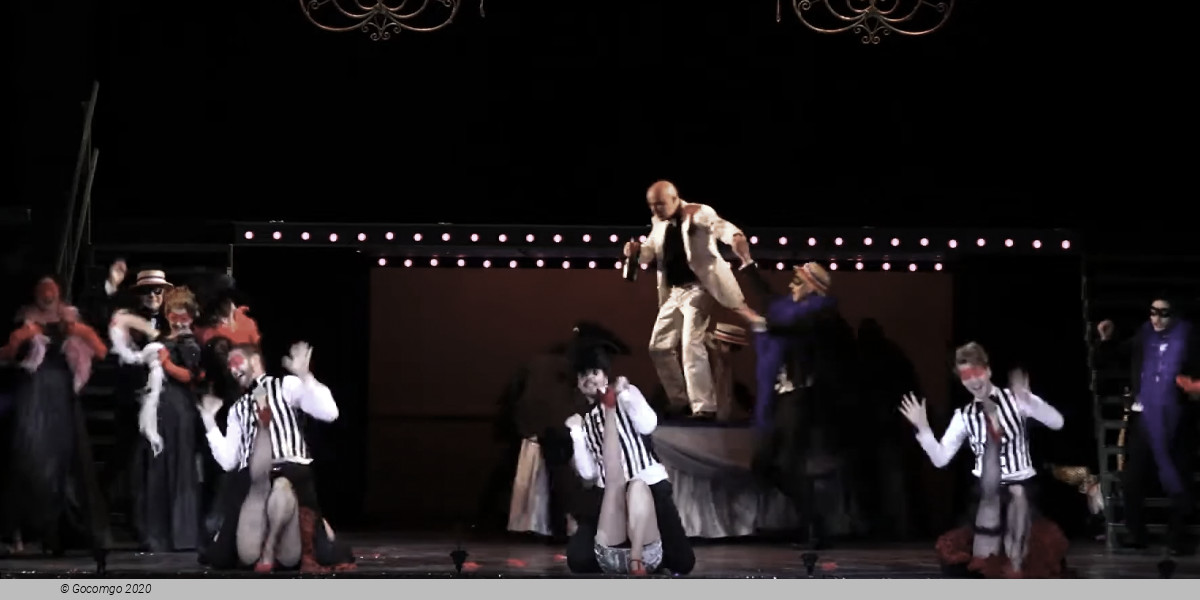
From 10 July to 29 August 2027, the Lehár Festival Bad Ischl returns to the historic spa town of Bad Ischl for a summer devoted to the elegance, wit and musical vitality of operetta. The festival is presented at the Kongress & TheaterHaus and combines three major stage productions with a wider programme of concerts, cabaret and other events.
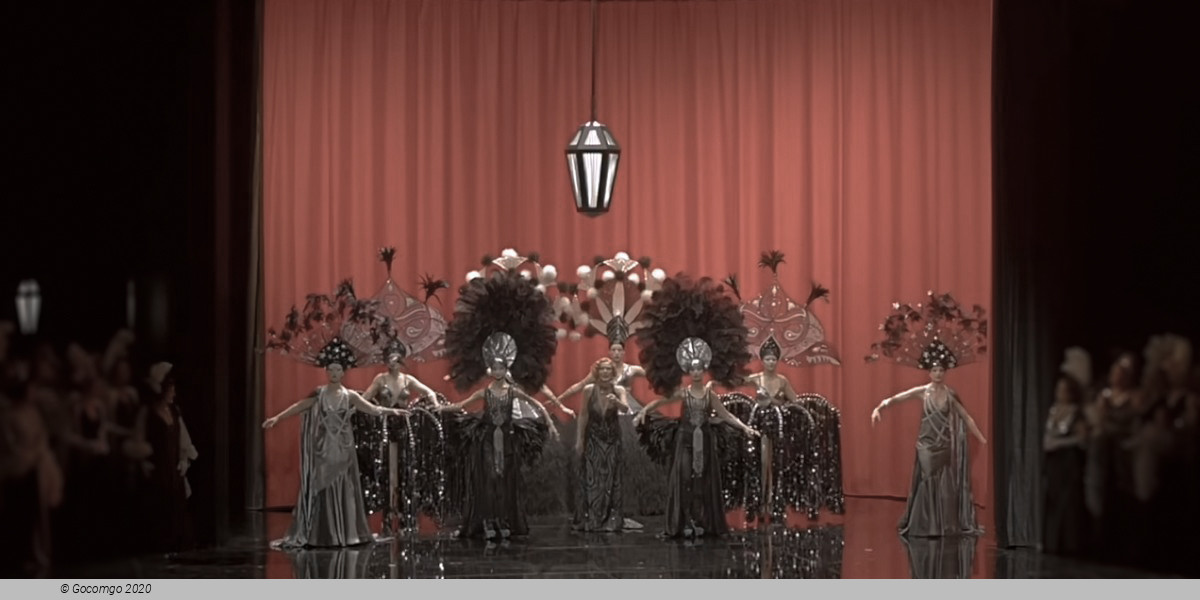
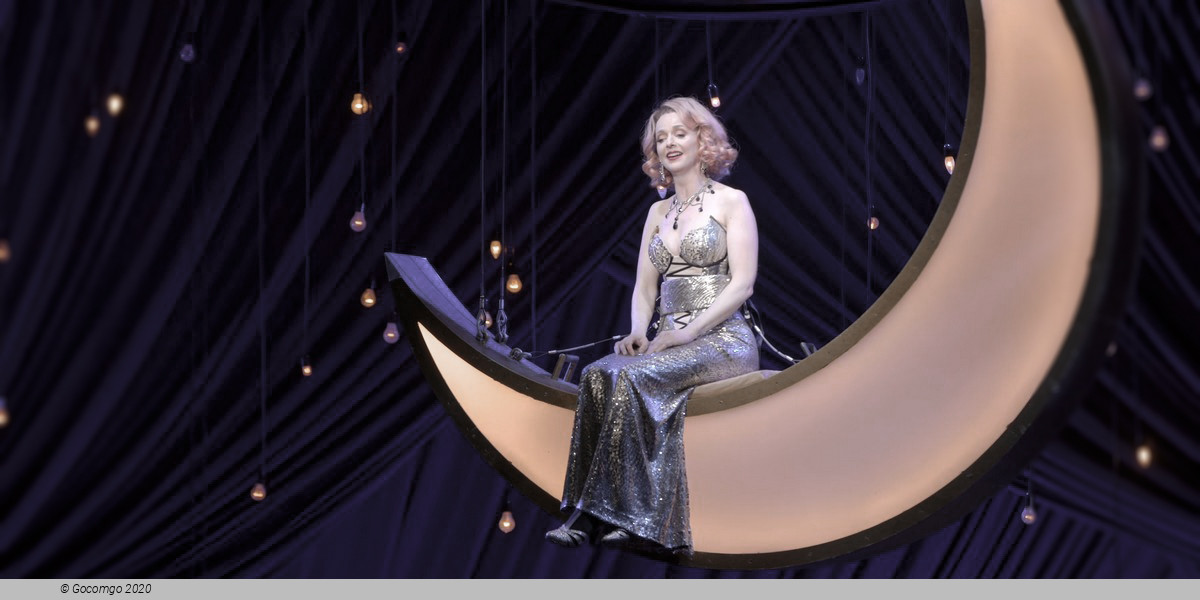
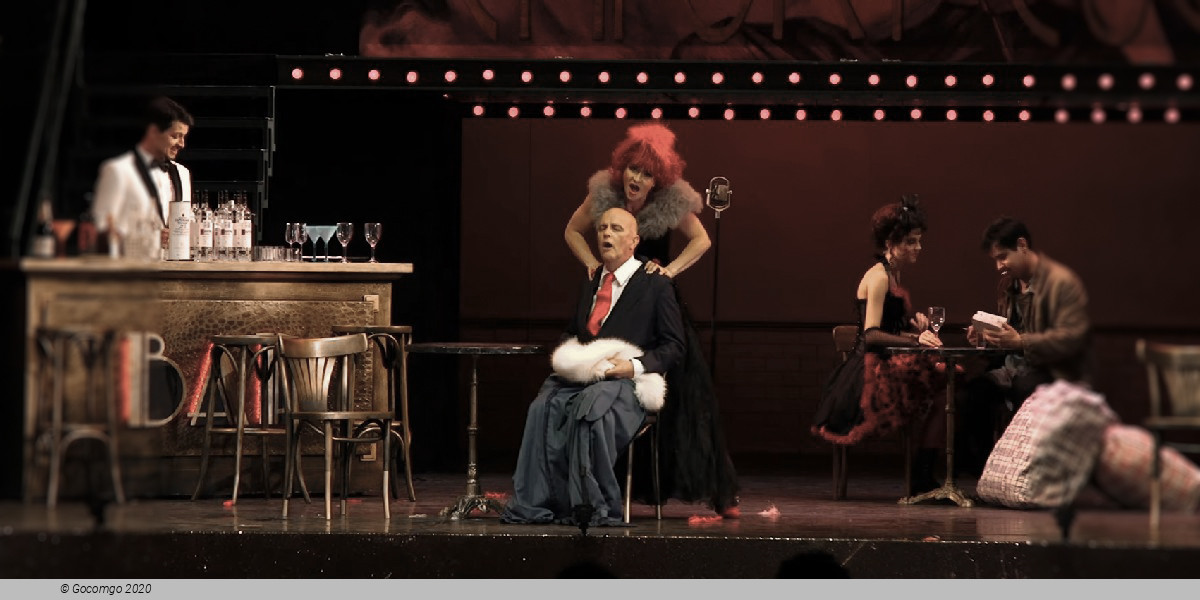
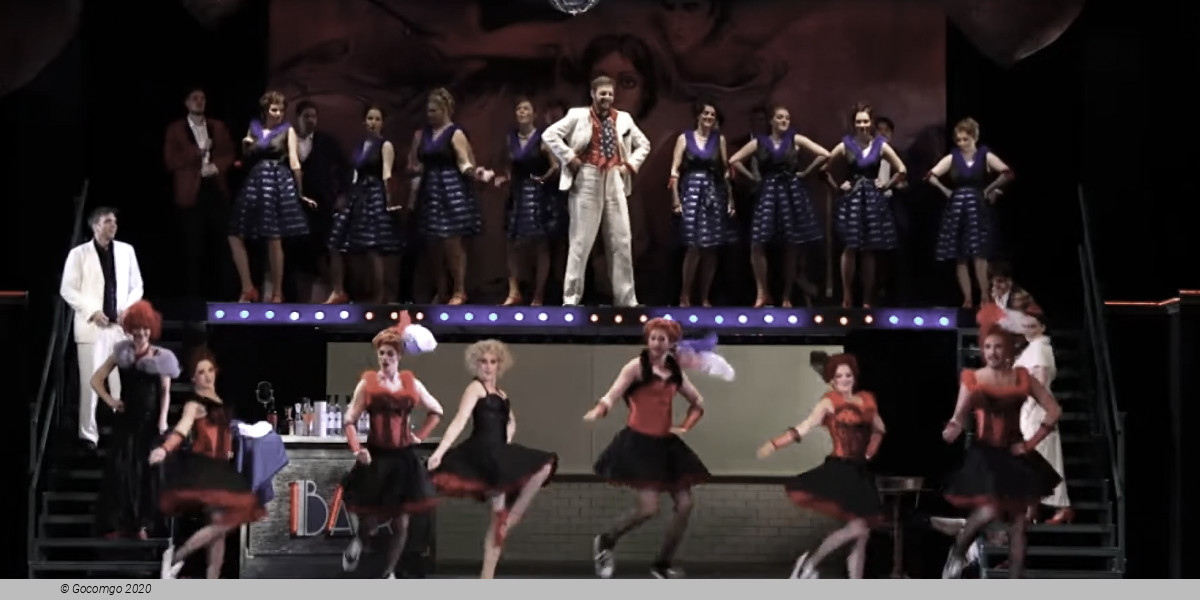
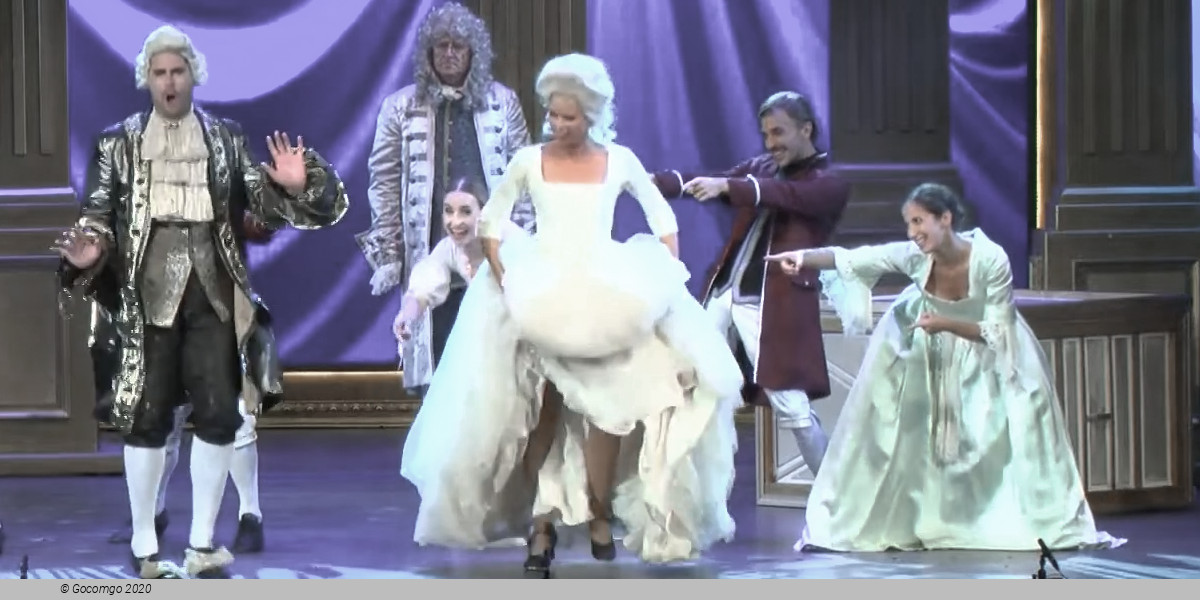
The 2027 season opens with Franz Lehár’s beloved The Merry Widow (Die lustige Witwe), premiering on 10 July. One of the most celebrated works in the operetta repertoire, the story of Hanna Glawari and Count Danilo unfolds amid elegant balls, Parisian nightlife, romantic misunderstandings and unforgettable melodies. Particularly notable is the production’s use of Erick Charell’s expanded, fast-paced revue version — being presented in Austria for the first time.
On 17 July, Gasparone by Carl Millöcker joins the programme. Set against a Mediterranean backdrop, the operetta combines mistaken identities, intrigue, romance and comic twists with a wealth of melodic invention. After many years, this popular classic returns to the Bad Ischl stage, bringing a lively sense of adventure and theatrical humour.
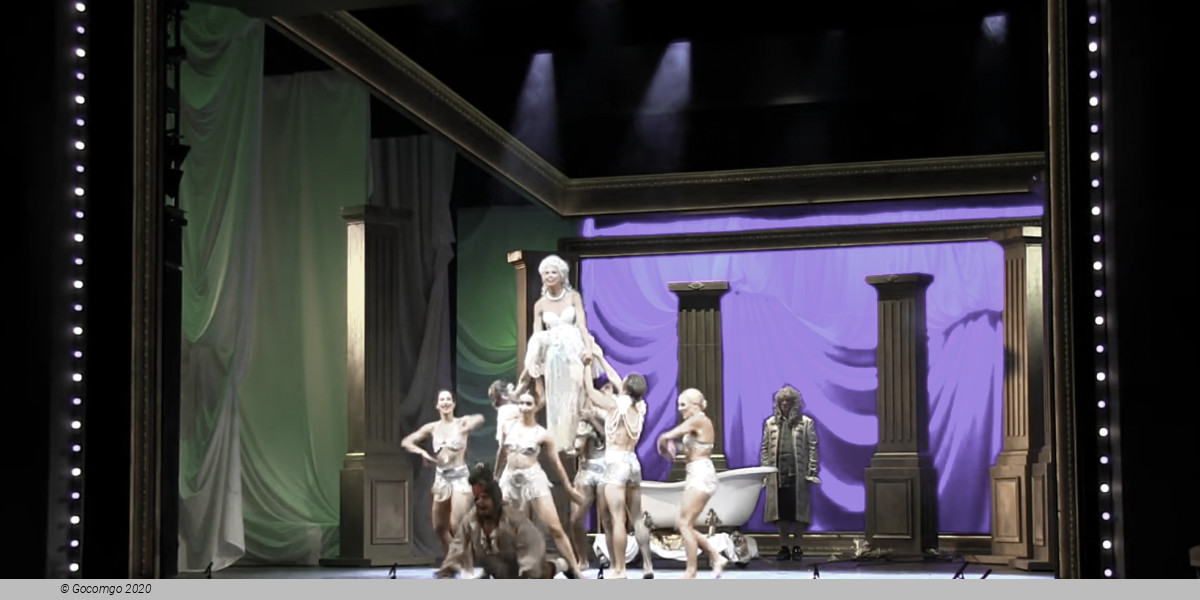
The third production is The Merry Nibelungs (Die lustigen Nibelungen) by Oscar Straus, premiering on 13 August. The legendary world of the Nibelungs becomes the subject of an irreverent operetta satire, where heroic poses give way to vanity, romantic entanglements and comic chaos. Straus’s witty score and the deliberately playful treatment of the heroic saga add a distinctive character to the season.
With its concentration on the Viennese and Central European operetta tradition, the Lehár Festival offers a programme that balances familiar masterpieces with less frequently encountered repertoire. Bad Ischl itself provides an atmospheric setting for a cultural summer shaped by music, theatre and the enduring charm of operetta.
About the Lehár Festival Bad Ischl
The Lehár Festival Bad Ischl is a theater festival primarily devoted to the performance of operettas in the Upper Austrian spa town of Bad Ischl.
The organization of a summer festival, which would present light music and operetta, was considered from about 1950. The performance of musical entertainment theater has had a tradition in Bad Ischl since the time of Emperor Franz Joseph . Operetta festivals developed from the tradition of summer theater for spa guests.

The Second World War not only meant that there were hardly any artists specializing in operetta, such as those that emerged from the numerous operetta houses in Vienna, which were also closed during the period of the so-called theater deaths, but there were also none in Bad Ischl adequate venue more.
Already at the beginning of the 1950s there were plans to hold a summer festival. Bad Ischl was predestined to become a focal point of the music theater scene - after all, the imperial city could look back on a long tradition of summer theatre. In addition to the Salzburg Festival, which focuses on drama and serious music, future operetta festivals should be held in Bad Ischl.
However, the actual implementation of the operetta festival in the 1950s failed because, according to the initiators, there was a great lack of sufficiently selected artists in Austria at the time. In addition, there was no venue. At the end of the 1950s, however, the International Society for the Care and Promotion of the Operetta “Die Operetta” was founded as a preparatory measure. The association should devote itself to the task of reviving the operetta and setting up a documentation center.

The operetta festival kicked off with the constitutive general meeting of the association “Die Operetta” on April 29, 1961. The honorary patrons of the society were chamber singers Maria Jeritza-Seery and Manfred Mautner-Markhof, and the president was actor Josef Meinrad.
The festive evening was a mixture of lectures on the subject of Bad Ischl and its relation to the operetta. A three-hour celebratory concert entitled “The operetta is alive” was then presented.

Eduard Macku took over the musical and artistic direction as well as the directorship of the first "Operetta Weeks". In addition to Kálmán's "Die Csárdásfürstin", three works by Ischl's honorary citizen Franz Lehár were on the program: "Paganini", "The Land of Smiles" and "The Merry Widow". The then 57-year-old Johannes Heesters was the darling of the audience in his prime role as Count Danilo on stage. The program was supplemented with an operetta ball and a music festival in honor of the composer Johann Strauss. The final concert on August 27, 1961, entitled "Operetta Melodies of Today", presented works by living Austrian operetta composers.