



Gallery
About
Granada Festival of Music and Dance 2027 is the main event of the year with the participation of world classical music stars.
If you are interested in this schedule leave a request. As soon as the playbill is announced, we will let you know immediately, and you will be the first to get the tickets.
In each section, you will get the best seats for the same price - centrally located and in front rows.
We provide seats with the best acoustics only.
Even in the world's best concert halls and opera houses, the listening conditions can vary greatly, and some seats are better than others. Sometimes nearby seats have very different viewing and listening conditions.
Usually, these seats are sold out soon and available for early bookers only. We guarantee that you will receive full-view seats only.
Detailed information about the 2026 Festival will be added later.
Please read about the previous Granada Festival of Music and Dance 2026:
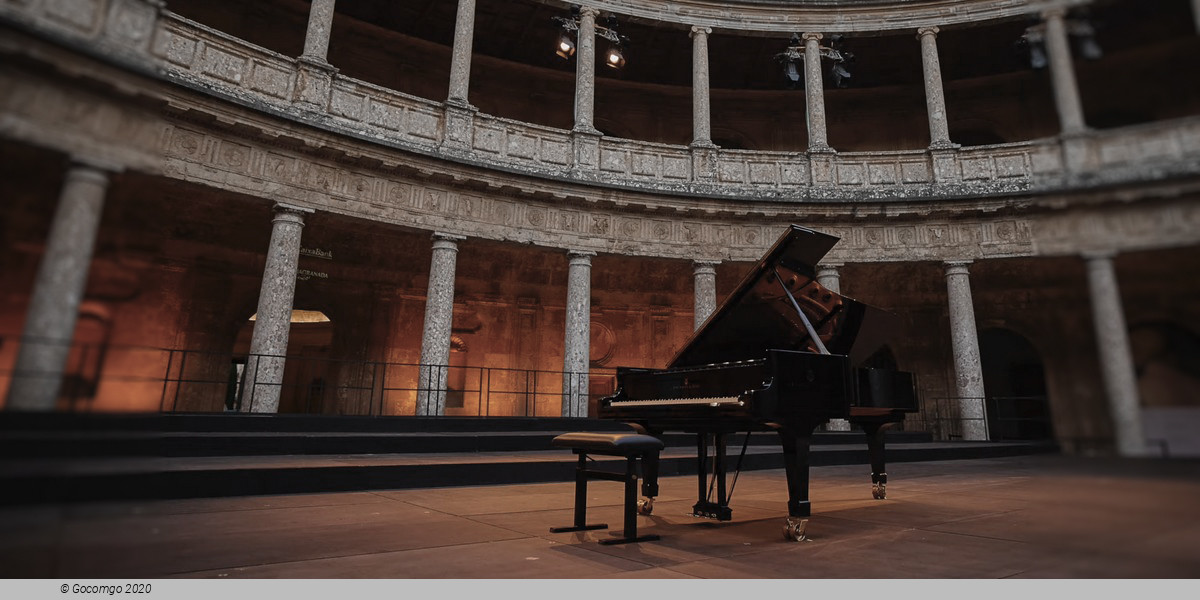
The Granada Festival of Music and Dance 2026 invites audiences into a world where classical music, ballet, and the cultural spirit of Andalusia merge beneath the summer skies of southern Spain. Held from 11 June to 12 July 2026, the festival transforms Granada into one of Europe’s most atmospheric artistic destinations, where performances unfold in extraordinary venues including the Palace of Charles V within the Alhambra, historic courtyards, gardens, and open-air stages surrounded by the beauty of the Sierra Nevada.
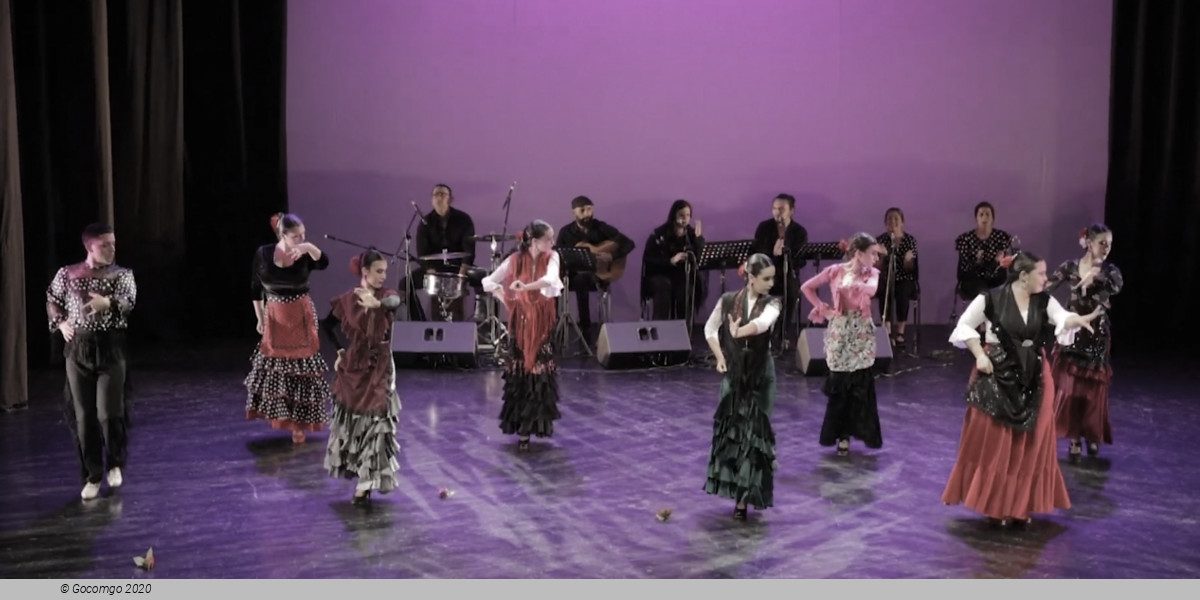
For more than seven decades, the festival has been celebrated for its unique combination of artistic excellence and architectural splendor. Music and dance here are inseparable from place: every performance becomes part of Granada’s history, light, and landscape. The 2026 edition continues this tradition with an ambitious programme of symphonic concerts, chamber music, ballet productions, flamenco-inspired performances, and vocal recitals featuring internationally renowned artists and ensembles.
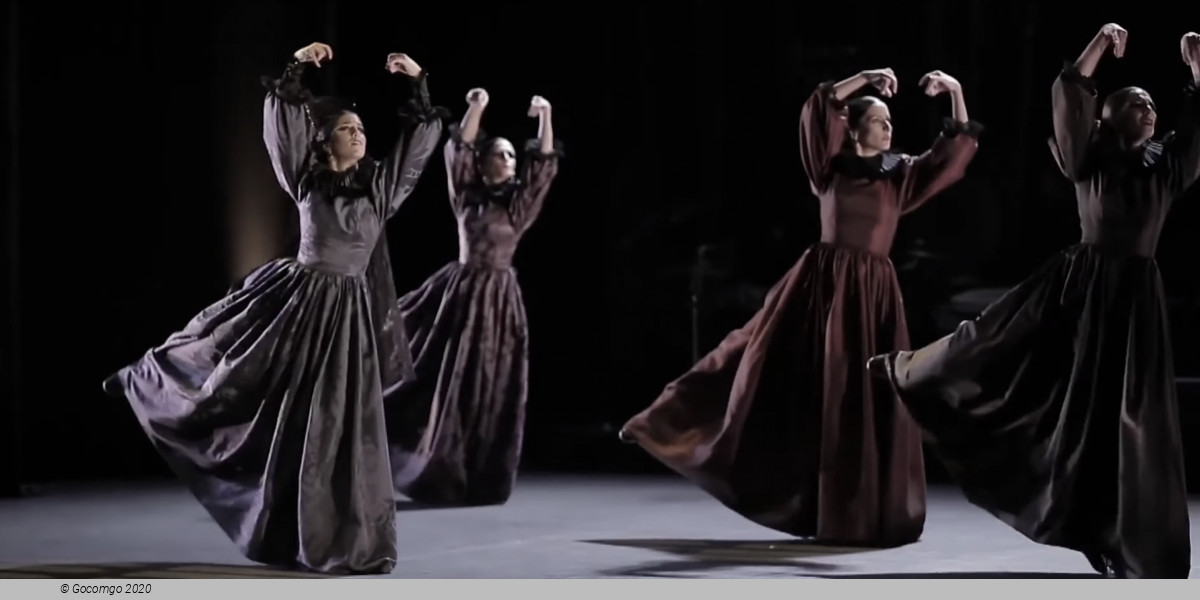
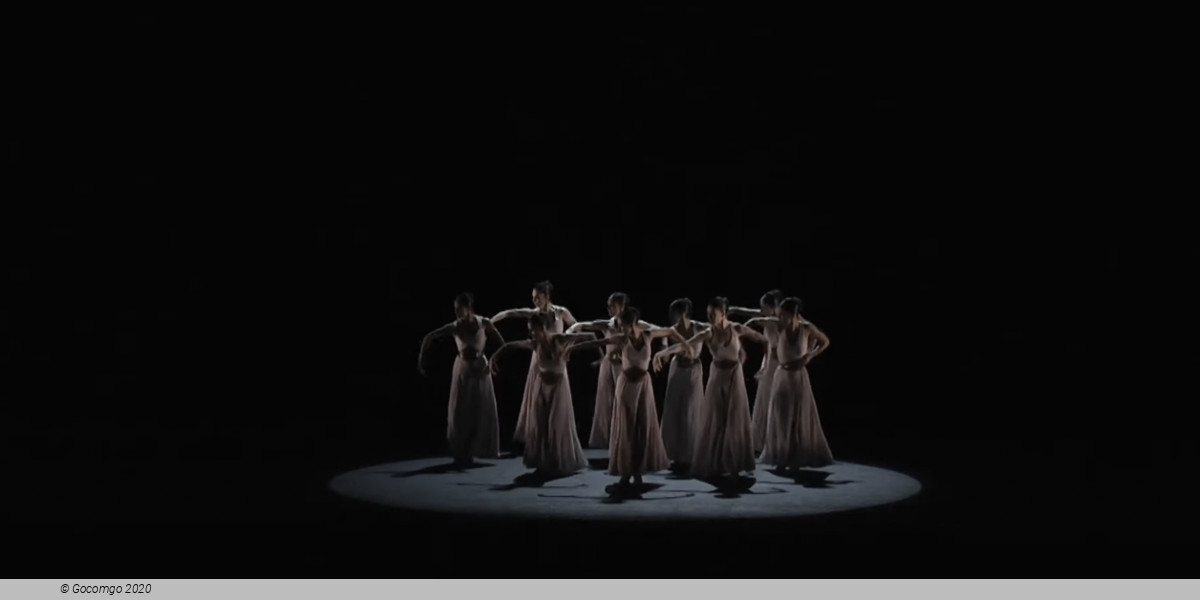
Among the central highlights of the season is the appearance of the Ballet Preljocaj, one of Europe’s most innovative contemporary ballet companies. Under the artistic direction of Angelin Preljocaj, the company presents Requiem(s) — a visually striking and emotionally powerful work that combines contemporary choreography with reflections on memory, loss, and transcendence.
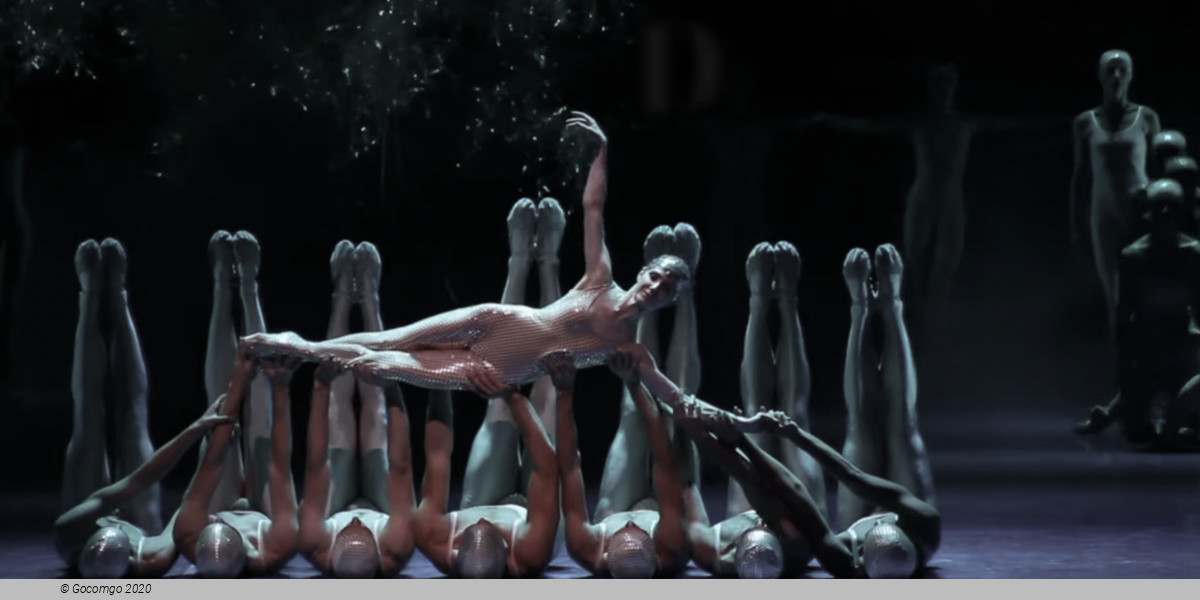
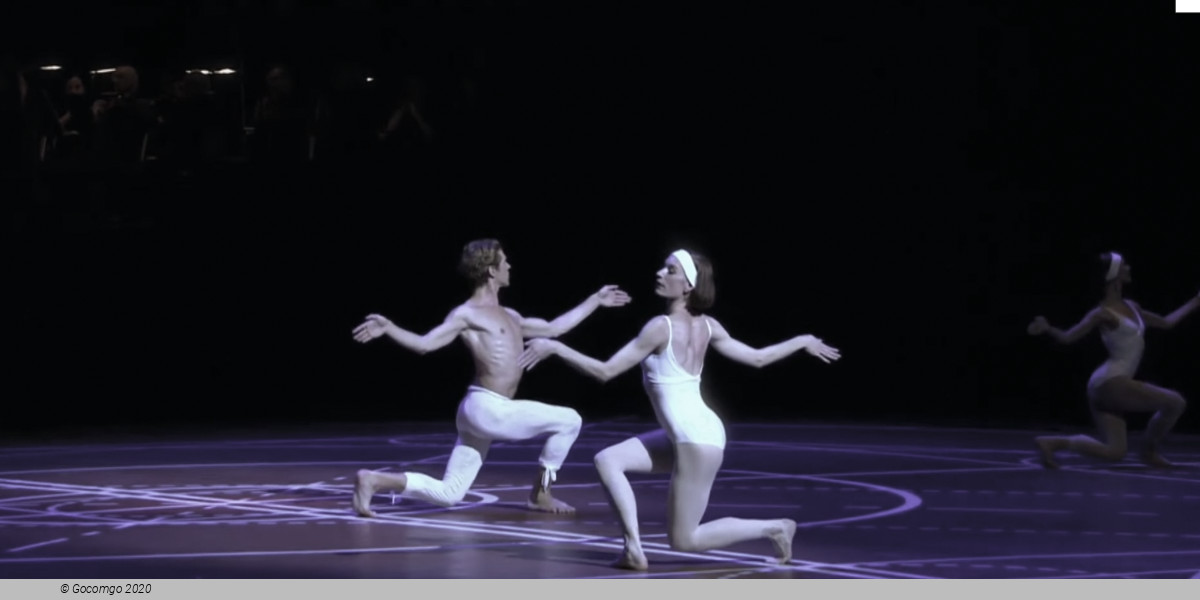
Another major dance event features the legendary Béjart Ballet Lausanne, bringing the timeless choreographic language of Maurice Béjart to Granada. The company presents a programme that celebrates Béjart’s visionary fusion of classical ballet, theatrical expression, and philosophical depth.
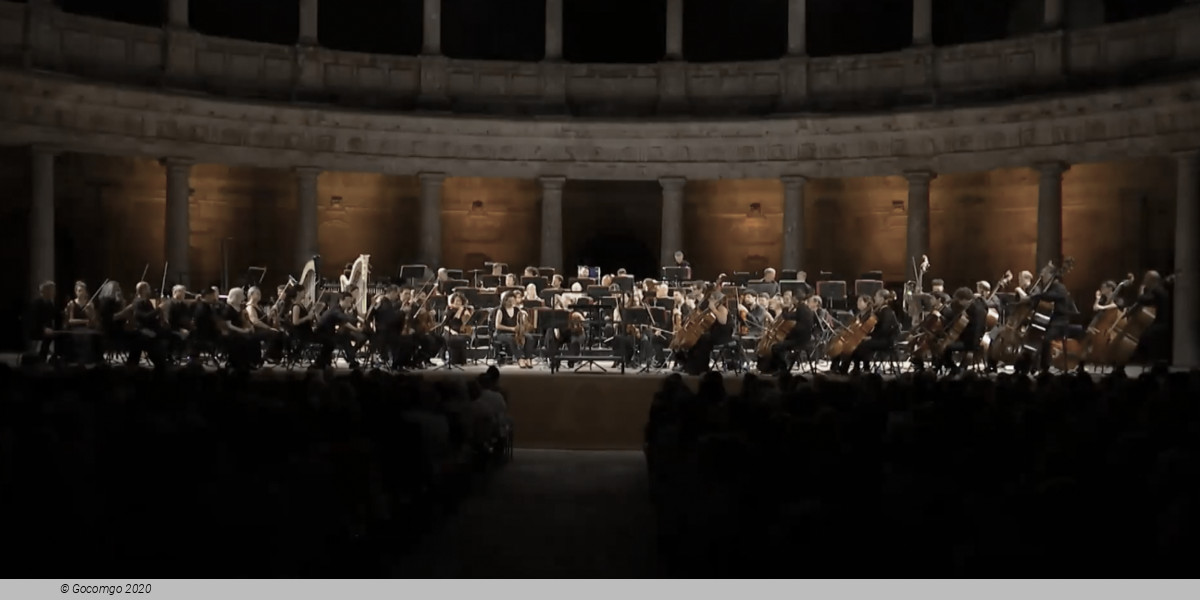
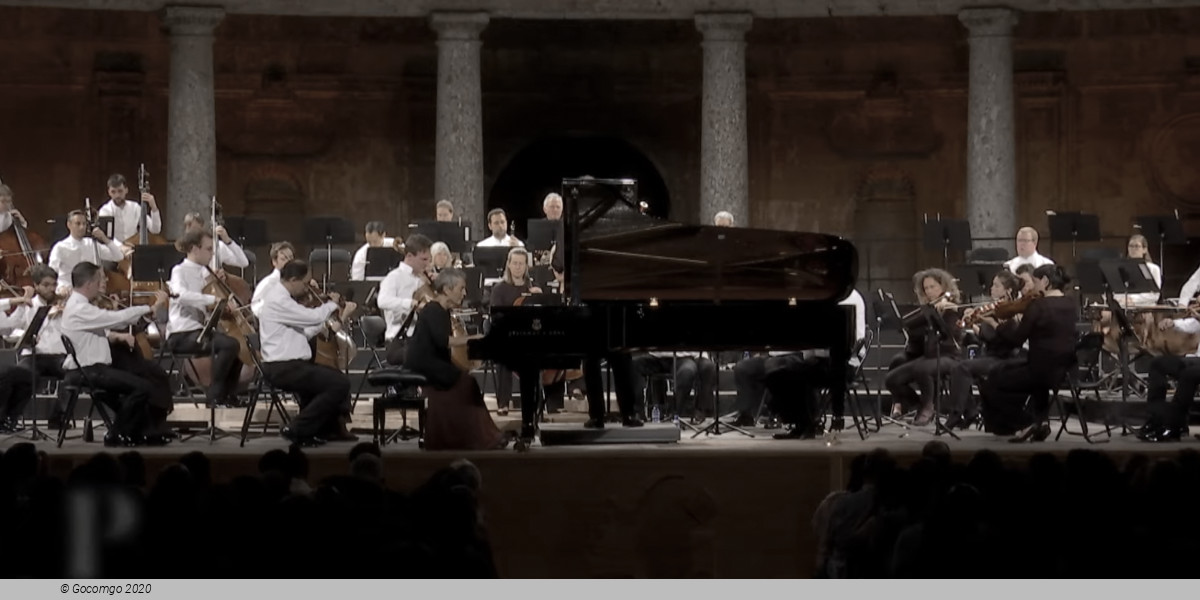
The festival’s classical concert programme gathers some of the world’s most prestigious orchestras and soloists. Confirmed appearances include the Mahler Chamber Orchestra with conductor Daniele Gatti, as well as performances by the Orquesta Nacional de España and the Freiburger Barockorchester. Their programmes range from Beethoven and Mahler to Baroque masterpieces and twentieth-century works.
Among the festival’s officially announced soloists are pianist Martha Argerich, violinist Janine Jansen, and soprano Sabine Devieilhe, whose appearances bring extraordinary artistic prestige to the 2026 edition.
As music echoes through the courtyards of the Alhambra and ballet unfolds beneath warm Andalusian nights, every performance feels suspended between history and dream. The scent of jasmine, the sound of fountains, and the golden light of Granada become part of the artistic experience itself.
The Granada Festival of Music and Dance 2026 is more than a summer festival — it is an invitation to experience classical art through beauty, emotion, and the timeless spirit of Spain.
The Granada Festival of Music and Dance 2026 invites audiences into a world where classical music, ballet, and the cultural spirit of Andalusia merge beneath the summer skies of southern Spain. Held from 11 June to 12 July 2026, the festival transforms Granada into one of Europe’s most atmospheric artistic destinations, where performances unfold in extraordinary venues including the Palace of Charles V within the Alhambra, historic courtyards, gardens, and open-air stages surrounded by the beauty of the Sierra Nevada.
For more than seven decades, the festival has been celebrated for its unique combination of artistic excellence and architectural splendor. Music and dance here are inseparable from place: every performance becomes part of Granada’s history, light, and landscape. The 2026 edition continues this tradition with an ambitious programme of symphonic concerts, chamber music, ballet productions, flamenco-inspired performances, and vocal recitals featuring internationally renowned artists and ensembles.
Among the central highlights of the season is the appearance of the Ballet Preljocaj, one of Europe’s most innovative contemporary ballet companies. Under the artistic direction of Angelin Preljocaj, the company presents Requiem(s) — a visually striking and emotionally powerful work that combines contemporary choreography with reflections on memory, loss, and transcendence.
Another major dance event features the legendary Béjart Ballet Lausanne, bringing the timeless choreographic language of Maurice Béjart to Granada. The company presents a programme that celebrates Béjart’s visionary fusion of classical ballet, theatrical expression, and philosophical depth.
The festival’s classical concert programme gathers some of the world’s most prestigious orchestras and soloists. Confirmed appearances include the Mahler Chamber Orchestra with conductor Daniele Gatti, as well as performances by the Orquesta Nacional de España and the Freiburger Barockorchester. Their programmes range from Beethoven and Mahler to Baroque masterpieces and twentieth-century works.
Among the festival’s officially announced soloists are pianist Martha Argerich, violinist Janine Jansen, and soprano Sabine Devieilhe, whose appearances bring extraordinary artistic prestige to the 2026 edition.
As music echoes through the courtyards of the Alhambra and ballet unfolds beneath warm Andalusian nights, every performance feels suspended between history and dream. The scent of jasmine, the sound of fountains, and the golden light of Granada become part of the artistic experience itself.
The Granada Festival of Music and Dance 2026 is more than a summer festival — it is an invitation to experience classical art through beauty, emotion, and the timeless spirit of Spain.
About the Granada Festival of Music and Dance
The Granada Festival of Music and Dance was born in the Alhambra to preserve and transmit that legacy, reinforcing the bond between the imaginary and real city, between the popular and high culture of Andalusia, and the vast heritage of European musical tradition.
In Granada, approximately between the beginning of the second decade of the 20th century and the middle of the third, a crucial part of what historian Juan Marichal called "the universalization of Spain" takes shape: a dual movement of expansion and reception, radiating influence and learning. The best of Spain’s cultural tradition projects outward, overcoming the dual barriers of ignorance and stereotype, and rising above centuries of isolation; At the same time, the finest influences from those previously inaccessible worlds reach the culture, enriching and inspiring it.
These are the years when Granada imagined «La vida breve» and «El amor brujo» of Falla that dazzles many in Paris, and «Noches en los jardines de España» takes its place in the most demanding circles of new music. In Granada, the meeting of innovation and tradition reaches its peak. Falla delves into the roots of Cante Jondo while simultaneously making a leap into modernity that carries him at least as far as Stravinsky’s Petrouchka or «L’Histoire du Soldat».
When «El retablo de maese Pedro» premiered in Paris, its success was an international recognition of the secret developments taking shape in Granada, within the intimate scale of a city introspectively focused on itself, yet simultaneously opening to the world. It is the Granada of the 1923 Fiesta de Reyes or Celebration of Kings at the García Lorca family home and of the puppet workshop of the great Hermenegildo Lanz—unfortunate and almost unknown to posterity—creator of puppets eerily similar to those Paul Klee was making at the same time in the Bauhaus. Granada astonishes many in the universality of what is created within it and what the imaginations of those who have never visited it project upon it. A pastel-colored postcard of the Alhambra's Puerta del Vino, sent to Paris by Manuel de Falla, was enough for Debussy to compose one of his mysterious preludes dedicated to it. To listen to it is to return to Granada for those who are absent and to glimpse the city for those who do not know it. Granada is a real city, and it is also a place of imagination.
Music crowned this outpouring of creative enthusiasm. Returning to the best of that time is a way of reconnecting with the finest aspects of the past and embracing the most generous possibilities of the future. Falla and Lorca equally loved the tradition of folk songs and the disruptive music that demanded new ears to be fully appreciated. They knew how to work on both a small scale and an immense one. In their daily work and ambition to achieve the perfection demanded by another exemplary visitor, Juan Ramón Jiménez—"Better to be great and perfect"—those Granadans rose to the highest dreams the city inspired. Throughout all of Europe, and in the cultured Americas of Buenos Aires and New York, the universality of their Granadan sensibilities resounded.