

Gallery
About
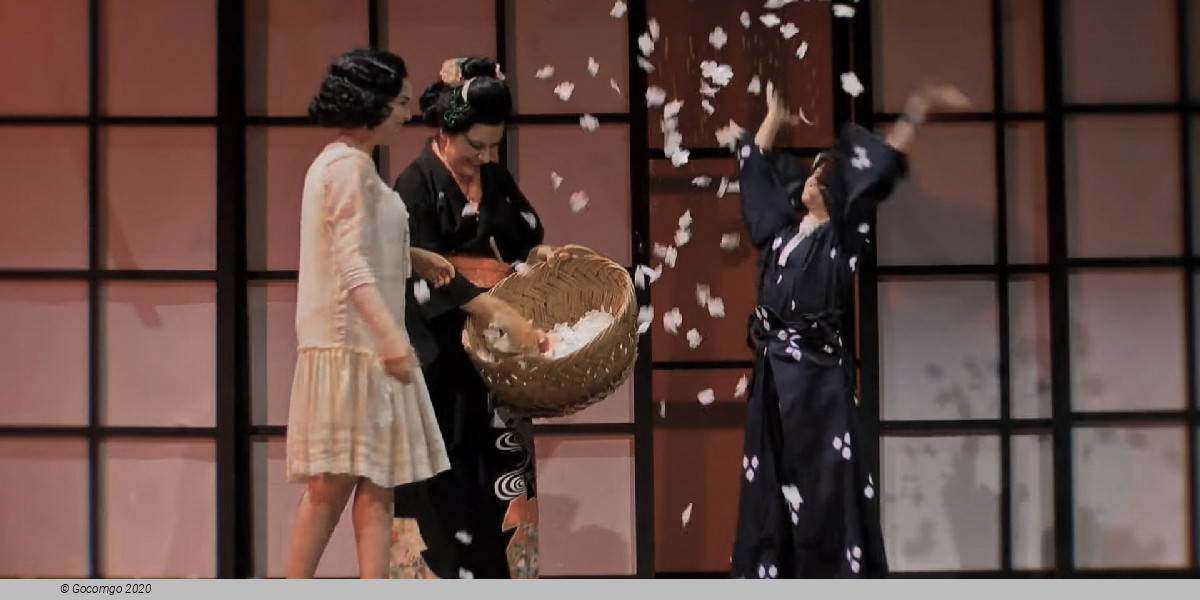
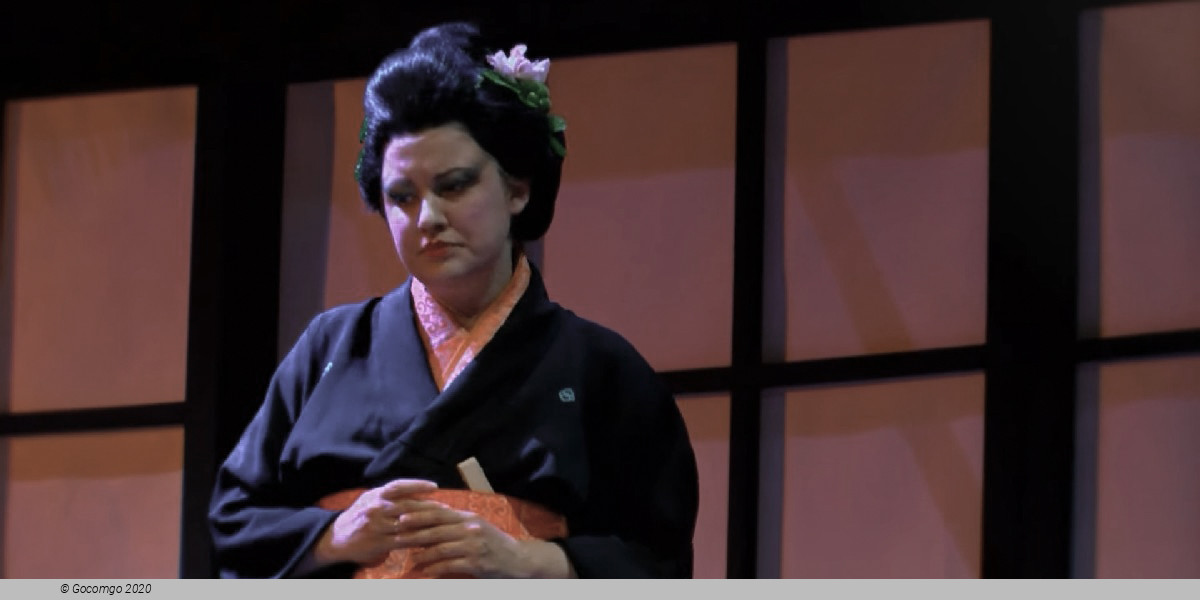
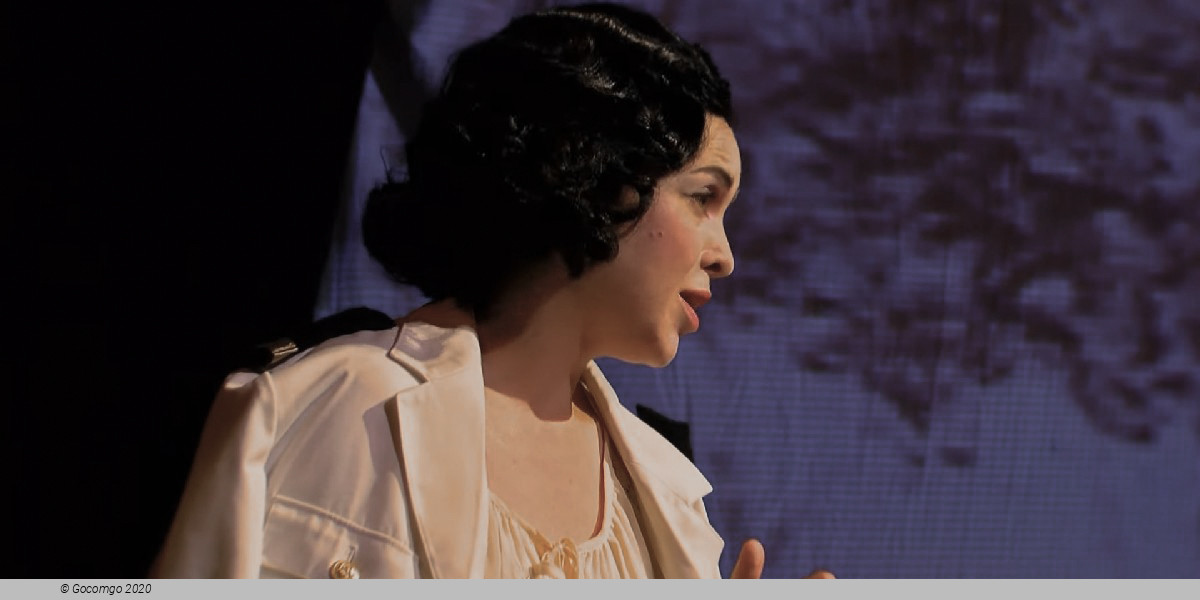
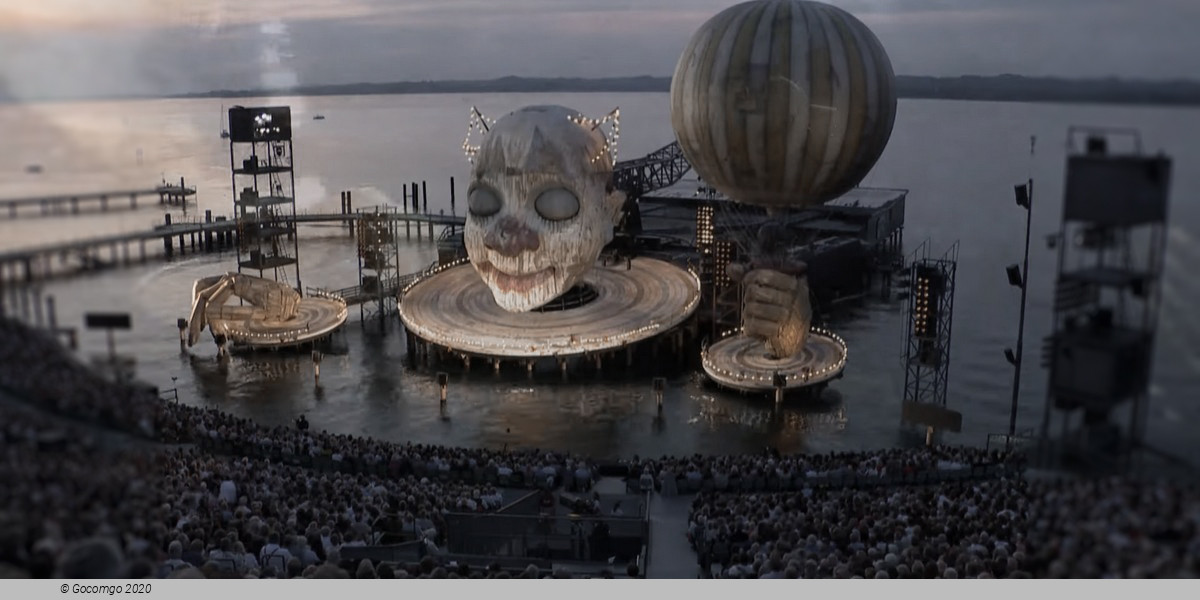
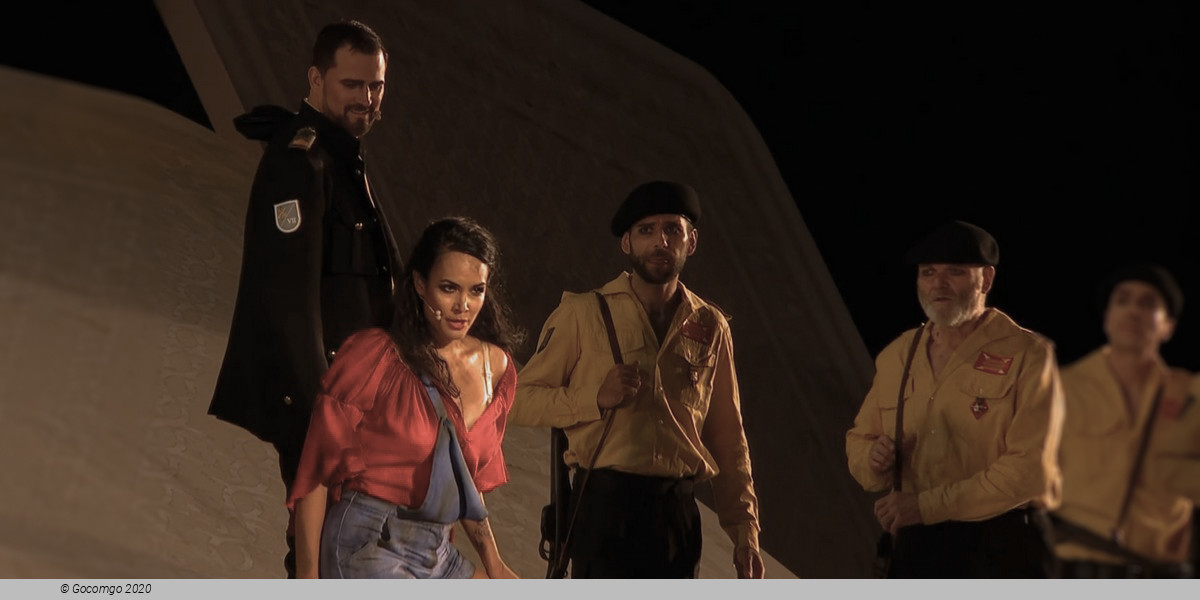
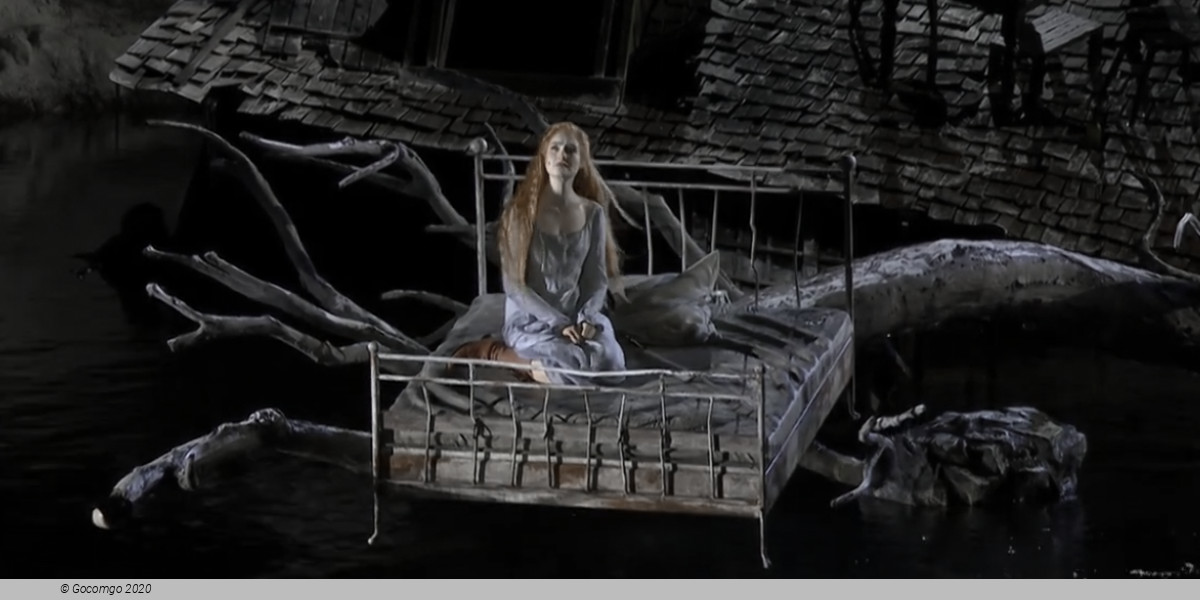
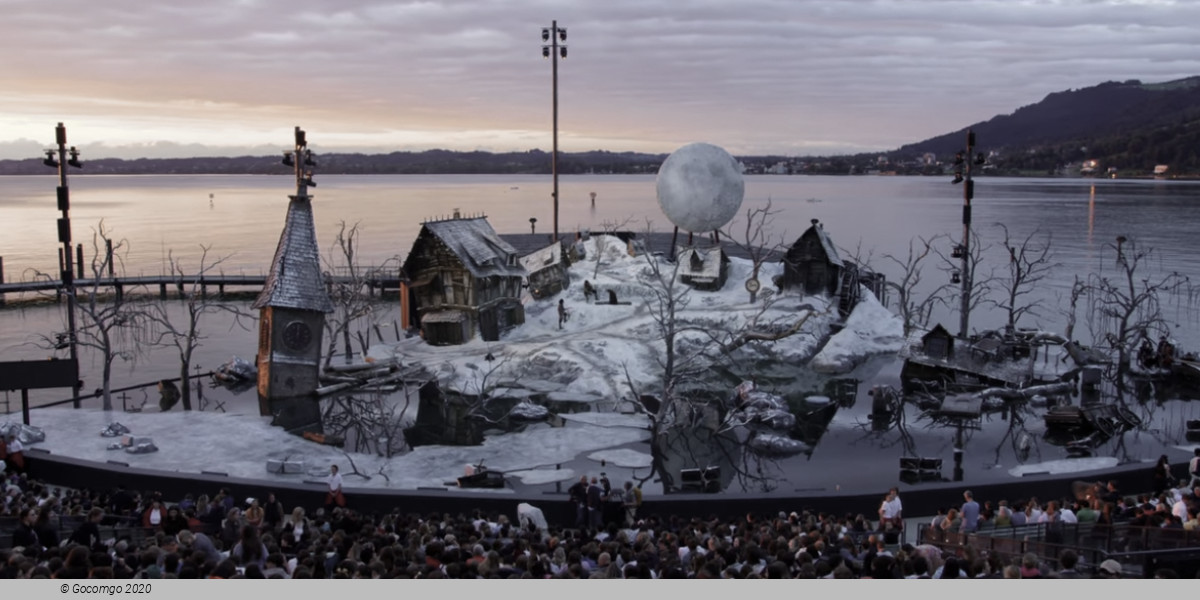
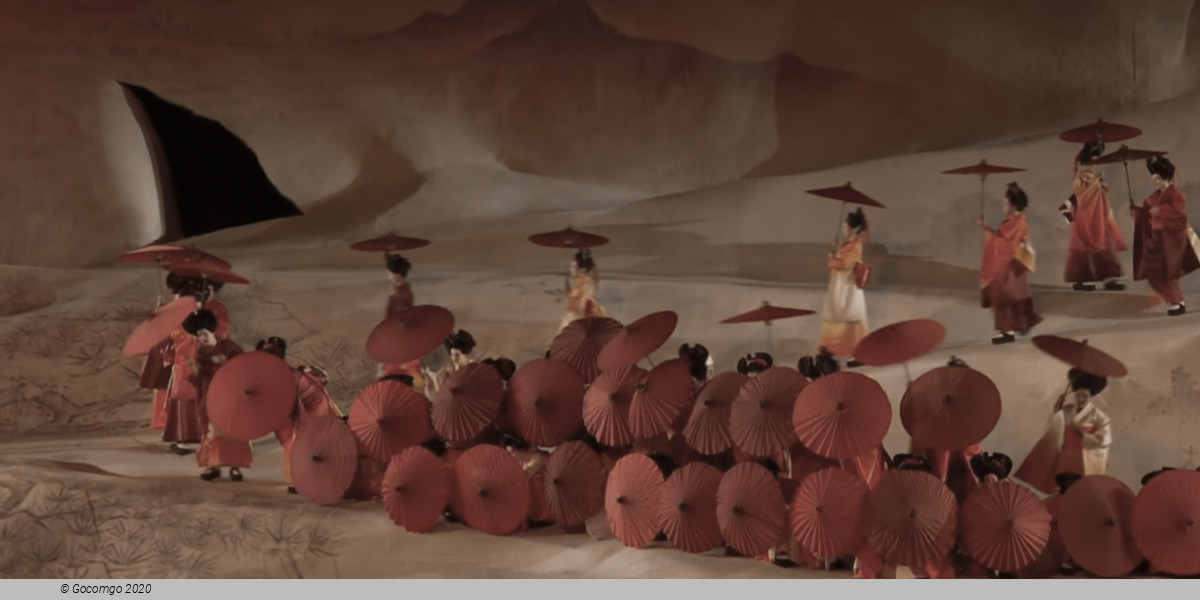
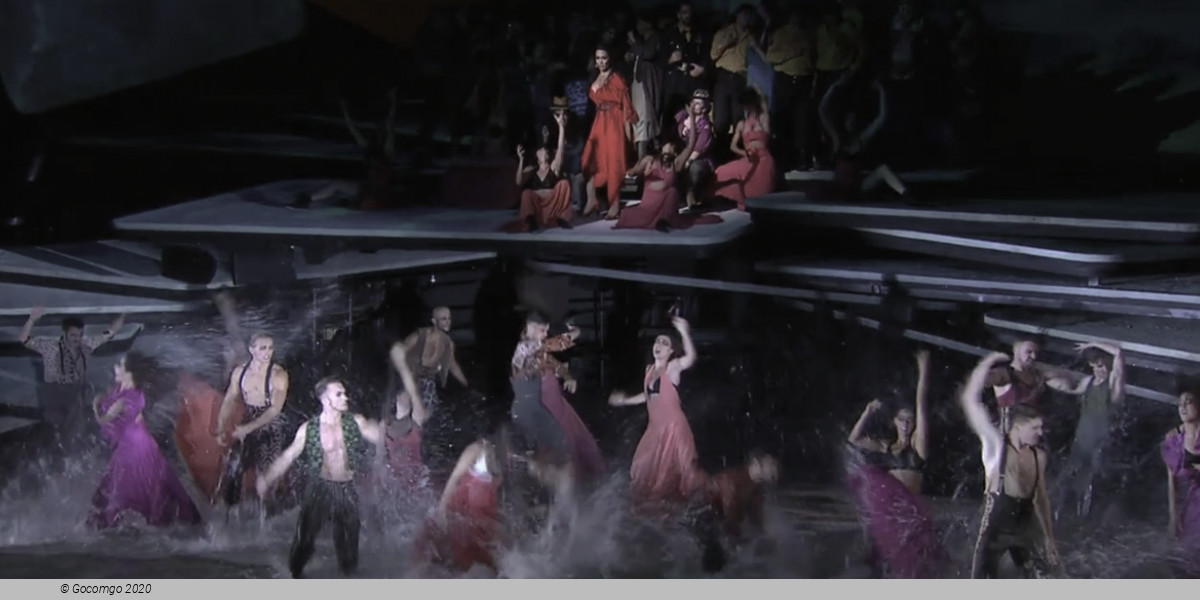
Enthusiastic visitors, impressive productions and a lot of positive reporting in the media – three days before the 76th season ends, the Bregenz Festival can look back on a highly varied summer of culture, the first production of which was staged back at Easter. The opera on the lake stage attracted visitors in droves again. Madame Butterfly production played on 26 dates in all, including dress rehearsal and Crossculture Night. The opera by Giacomo Puccini, which was staged for the first time on the Bregenz lake stage, has played to capacity audiences. The festival season began on the Easter weekend with guest performances of the play No Exit (Huis clos) presented by Vienna’s Burgtheater.
A music theatre premier at the Workshop Theatre, an Opera Studio premiere at the Kornmarkt, a concert by the newly formed Academy Orchestra, and six remaining performances of Madame Butterfly – the programme of the final week of this year’s festival could hardly be more varied.

Before the 76th season of the Bregenz Festival came to a close on the evening of 21 August with the 26th performance of Madame Butterfly on the lake stage, visitors could look forward to a wide range of events taking place at three other venues.
Melencolia: Human longing for deliverance
Melancholy is the theme of a piece of music theatre – “a show against the indifference of the universe” – created by composer Brigitta Muntendof and the dramaturg Moritz Lobeck. This state or mood has affected creative artists since time immemorial, among them Albrecht Dürer in his engraving Melencolia I from the year 1514, which the creative duo behind the show describe as a “symbol of the contradictions and irresolvabilities within the human longing for deliverance”. Melancholy, they say, is a mood that we need in order to learn to bear conflicts which there is no solution to.

The production has been commissioned by Ensemble Modern and the Bregenz Festival. In it, the digital world interacts with the real one. For example, it features artificial, defamiliarised voices, and the audience can use a specially programmed app as well as green screens to experience the show on a partly virtual basis. Sixty loudspeakers create a 3D sound world.
The Bregenz Festival’s seventh Opera Studio premiere
The second of this season’s two Opera Studio productions was premiered, once again at the Kornmarkt-Theater. The first production, L’italiana in Algeri, was enthusiastically received in July. The Opera Studio was established by the Bregenz Festival’s artistic director Elisabeth Sobotka in 2015 with the aim of making it easier for young singers to begin their professional career and also for staging unconventional productions.
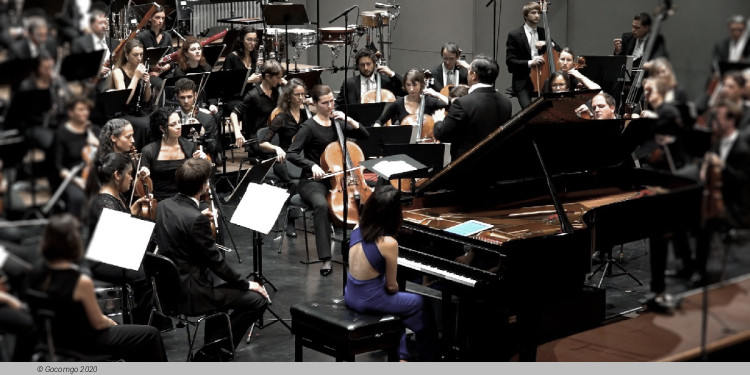
For Joseph Haydn’s Armida, Jonathan Brandani, who conducted the first Opera Studio premiere of the 2022 season, was returning to the rostrum, while the director is Jörg Lichtenstein, who was responsible for the acclaimed Opera Studio productions of Così fan tutte (2015) and The Marriage of Figaro (2017). Brandani was conducted the Vorarlberg Symphony Orchestra.
Haydn’s opera centres on the sorceress Armida. In Lichtenstein’s view the work is a “startling mix of fantasy opera, historical drama and a battle royal of love,” which essentially revolves around the difficulties of partnership from a practical point of view. “What is sensationally atypical about this opera is the fact that the characters get out of their depth by themselves, not as a result of external influences,” he says.
Armida is the seventh Opera Studio production of the Bregenz Festival. The premiere was on 15 August, with two furthered performances to follow.
First Academy Orchestra concert, with world premiere
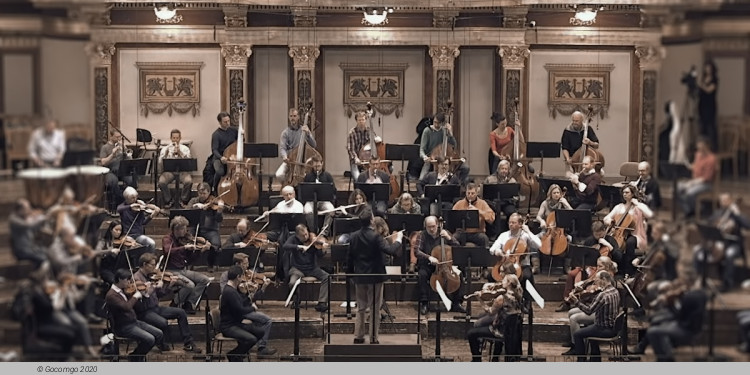
Young musicians aged between 17 and 27 was perform in the first graduation concert of the newly formed Bregenz Festival Academy Orchestra. The concert will be conducted by Daniel Cohen. The young musicians have spent the week leading up to the concert rehearsing the programme with the Israeli conductor and members of the Vienna Symphony Orchestra:
DSONG for Orchestra – Excerpt in Thee Movements (2022), a world premiere by Herbert Willi; Joseph Haydn’s Concerto for Trumpet and Orchestra in E flat Major, Hob. VIIe:1, with Selina Ott as solo trumpet; and Dmitri Shostakovich’s Symphony No. 5 in D minor op.47.

Cohen has appeared at Bregenz before, conducting Don Quichotte at the Festspielhaus in 2019 and Rigoletto on the lake stage in tandem with Julia Jones in 2021. Born in 1984, at the age of 19 he became a long-term member of the West–Eastern Divan Orchestra as a violinist, where he gained valuable experience with a professional orchestra of young musicians. He is now General Music Director of the Staatstheater Darmstadt and has also conducted the Staatskapelle Berlin, the Los Angeles Philharmonic Orchestra, the Dresden Philharmonic, and the Israel Philharmonic Orchestra. A cooperation partner of the Bregenz Festival Academy Orchestra is the Vorarlberg State Conservatory.
The opera on the lake stage, Madame Butterfly, has played to a total audience of over 100,000 at its 15 performances to date (including the dress rehearsal and Cross Culture Night).
About the Bregenz Festival
The Bregenz Festival is one of the largest Opera festivals in Europe, which starts in July every year and lasts for a month, bringing together Opera lovers from all over the world.
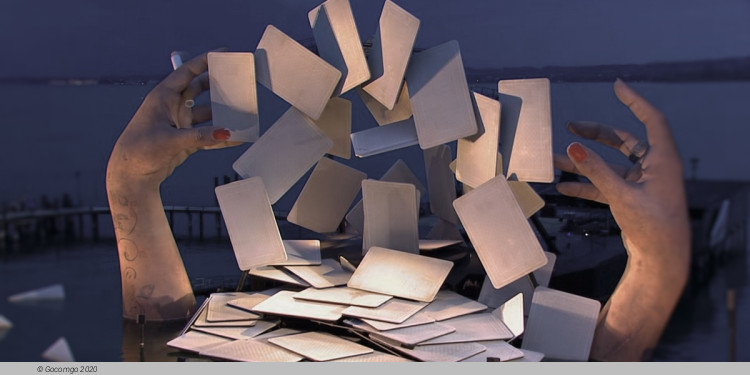
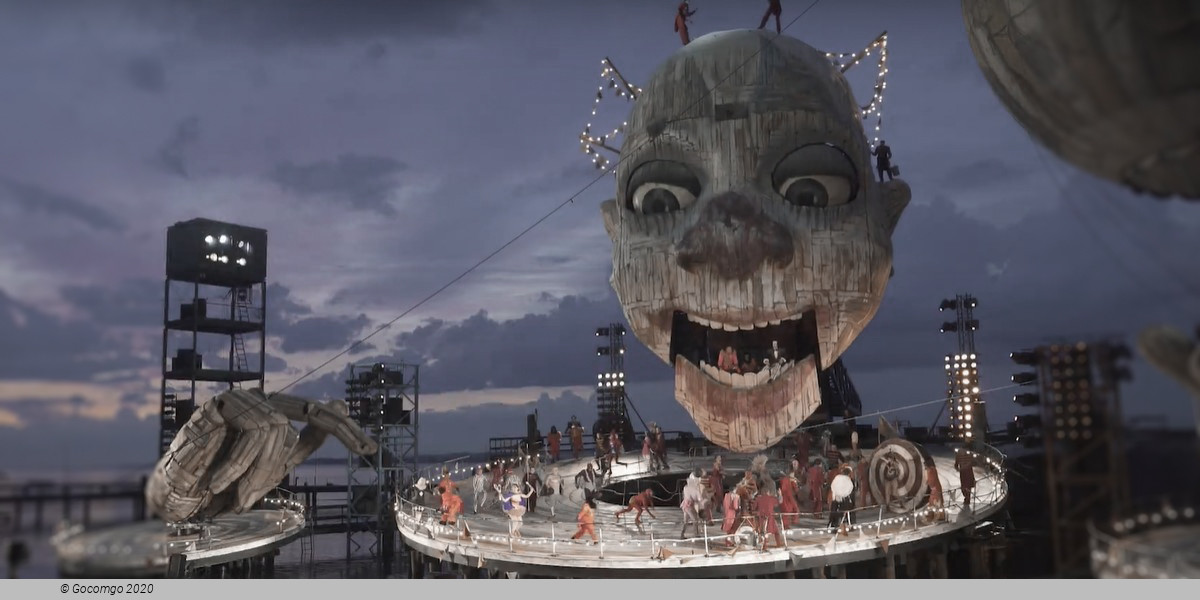
The festival takes place in the picturesque Austrian town of Bregenz on the shore of lake Constance. The program of the festival takes place in different places, but the site that is most in demand among the public is the lake scene (Seebühne). This is a modern stage, which is located on an artificial island among the lake waters. By the next performance, she changes her appearance, reincarnating in the main scenery of the production. The auditorium, which can accommodate about seven thousand people, is located on the shore in the open air. That is, you are sitting on the shore, and the Opera is played on the water, on a floating stage. So the play is born in unity with the landscape.
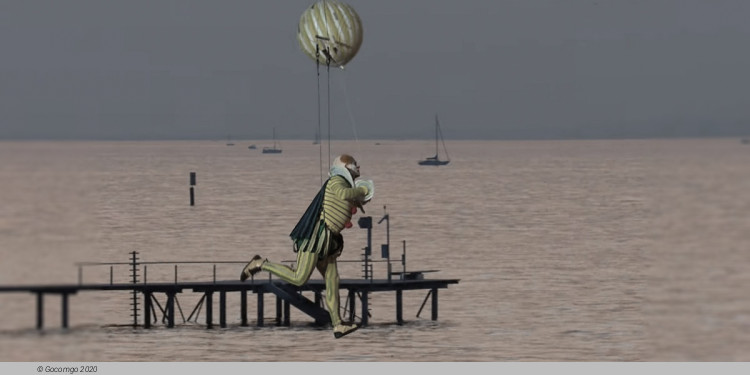
The music lover, who got to Bregenz for the first time, can be confused by the obvious artificiality of sound. There is no direct contact between the singers, the conductor, and the orchestra: the latter play in the Festspielhaus building and remain invisible. So every artist is equipped with a microphone and sees the conductor only in the monitor. Festival in Bregenz uses a sound system similar to Dolby developed in Franciscom the Institute of media technology and is designed for showing movies outdoors. The system provides perfect contact between the performers on the lake stage and the invisible orchestra, and, in addition, allows the singers with maximum freedom to move horizontally and vertically.
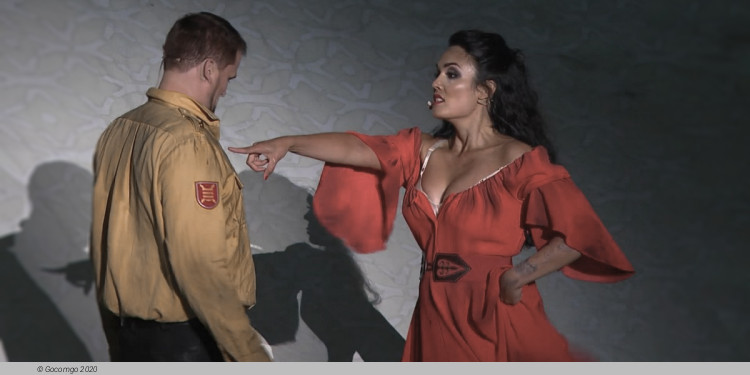
The history of the festival began in postwar 1946 when two floating barges were placed on the lake. One housed the Vienna Symphony orchestra, which later became a regular participant in the festival, and the other held the main stage. The auditorium was arranged in the open air.
The first production was the opera Bastien et Bastienne by W. A. Mozart, the festival itself lasted only a week.
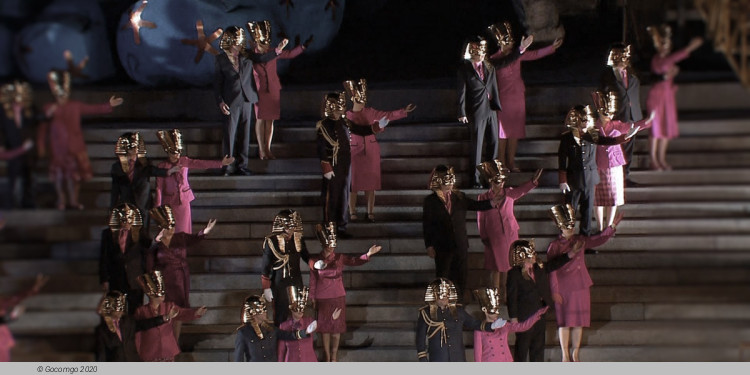
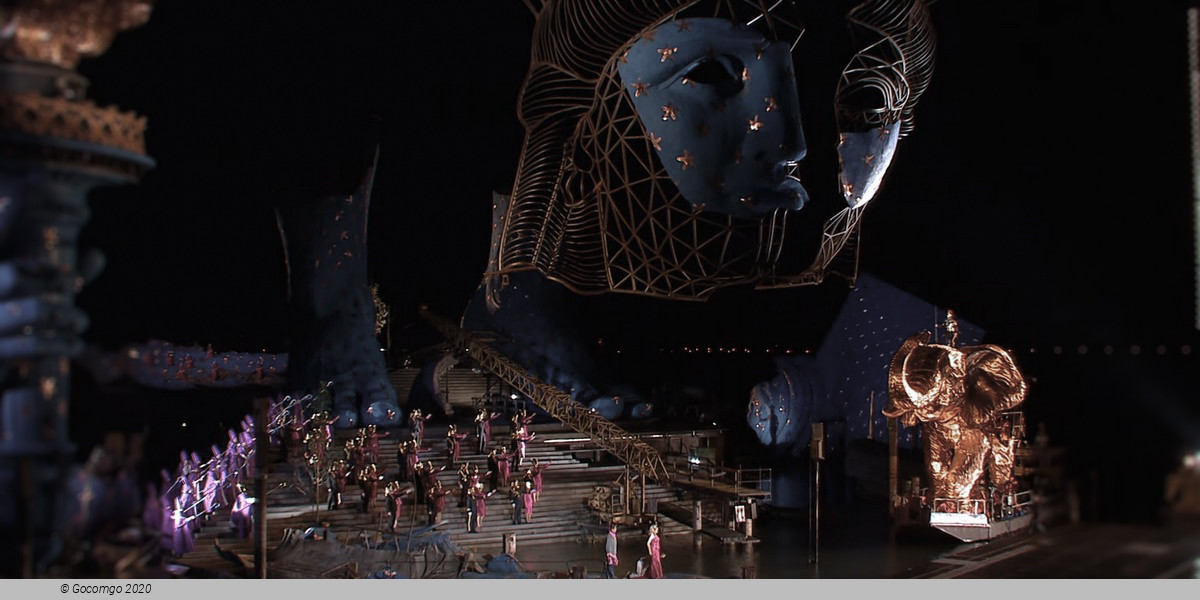
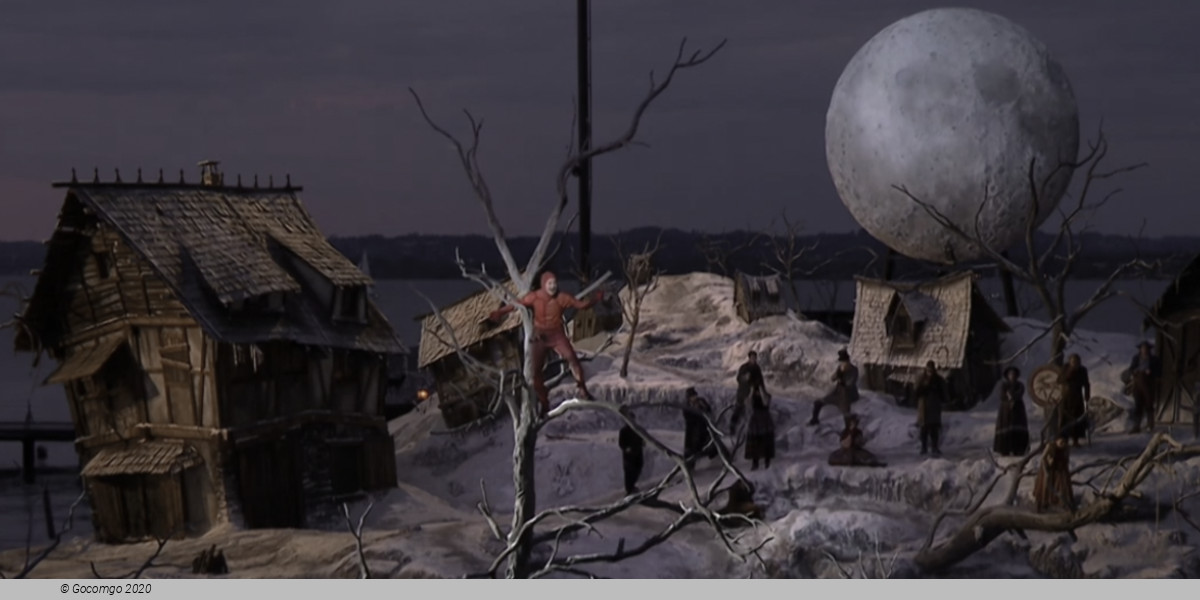
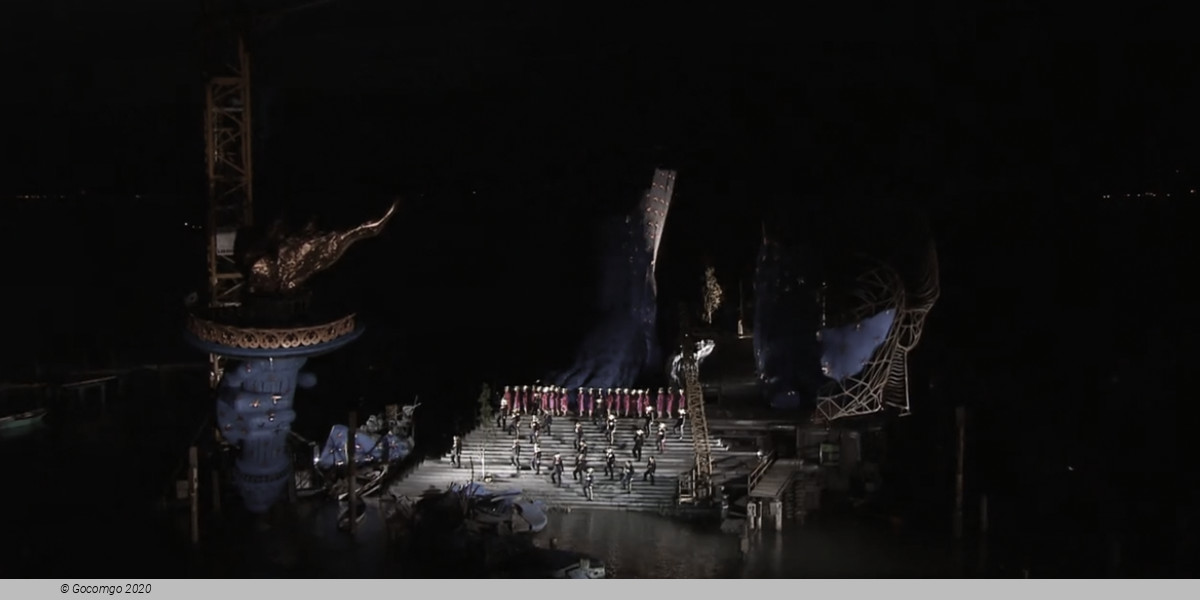
Operas "on the water" are often popular productions: Mozart, Puccini, Verdi, Bernstein. But in some cases, a classical opera is performed with a “new maneuver”: stage directors and directors use not only special effects, complex stage decorations, and the latest acoustic systems - they also fully use the water surface of Lake Constance, moving part of the action there. Examples are the famous opera "Aida" with numerous actions right on the water against the backdrop of the destroyed Statue of Liberty and the opera "André Chenier", dedicated to the life of this poet.
Operas on the lake stage go on for several seasons in a row, so after the end of the festival season, the stage constructions are not dismantled, but left to winter until next summer.