
Dutch National Opera tickets 12 June 2027 - Play | GoComGo.com

Play

Dutch National Opera, Main Stage, Amsterdam, Netherlands
All photos (6)
Select date and time
8:15 PM
From
US$ 159

E-tickets: Print at home or at the box office of the event if so specified. You will find more information in your booking confirmation email.

You can only select the category, and not the exact seats.
If you order 2 or 3 tickets: your seats will be next to each other.
If you order 4 or more tickets: your seats will be next to each other, or, if this is not possible, we will provide a combination of groups of seats (at least in pairs, for example 2+2 or 2+3).

Important Info
Type: Modern Ballet
City: Amsterdam, Netherlands
Starts at: 20:15
Acts: 2
Intervals: 1
Duration: 2h

E-tickets: Print at home or at the box office of the event if so specified. You will find more information in your booking confirmation email.

You can only select the category, and not the exact seats.
If you order 2 or 3 tickets: your seats will be next to each other.
If you order 4 or more tickets: your seats will be next to each other, or, if this is not possible, we will provide a combination of groups of seats (at least in pairs, for example 2+2 or 2+3).

Cast
Performers
Singer: Callie Day
Orchestra: Dutch Ballet Orchestra
Ballet company: Dutch National Ballet
Creators
Choreographer: Alexander Ekman
Sets design: Alexander Ekman
Dramaturge: Carin Nildalen
Music: Mikael Karlsson
Overview

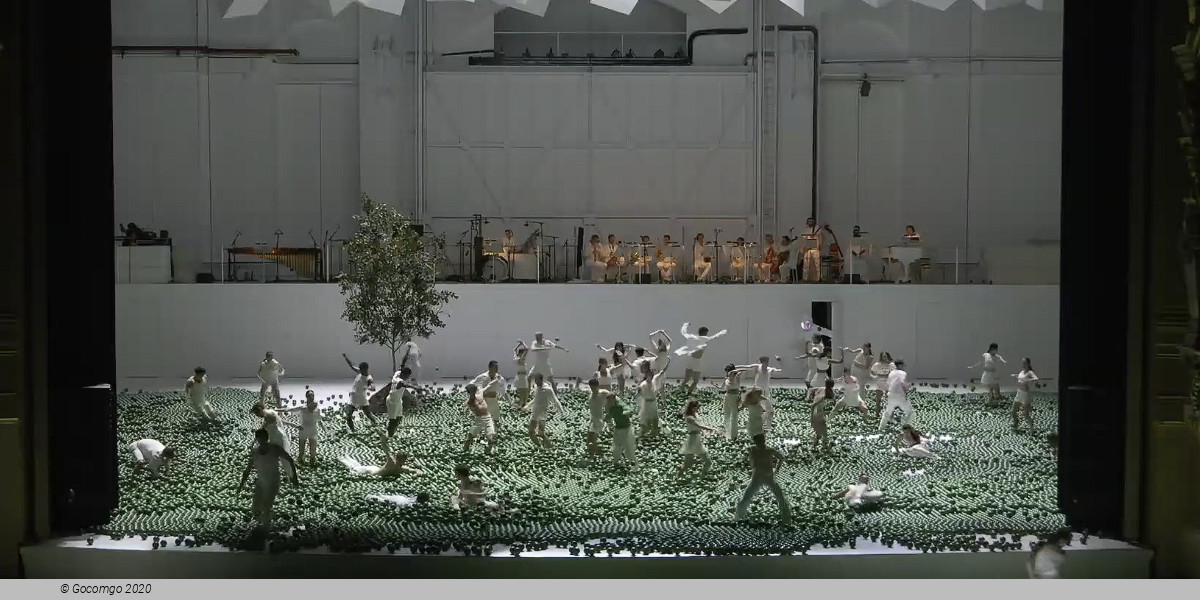
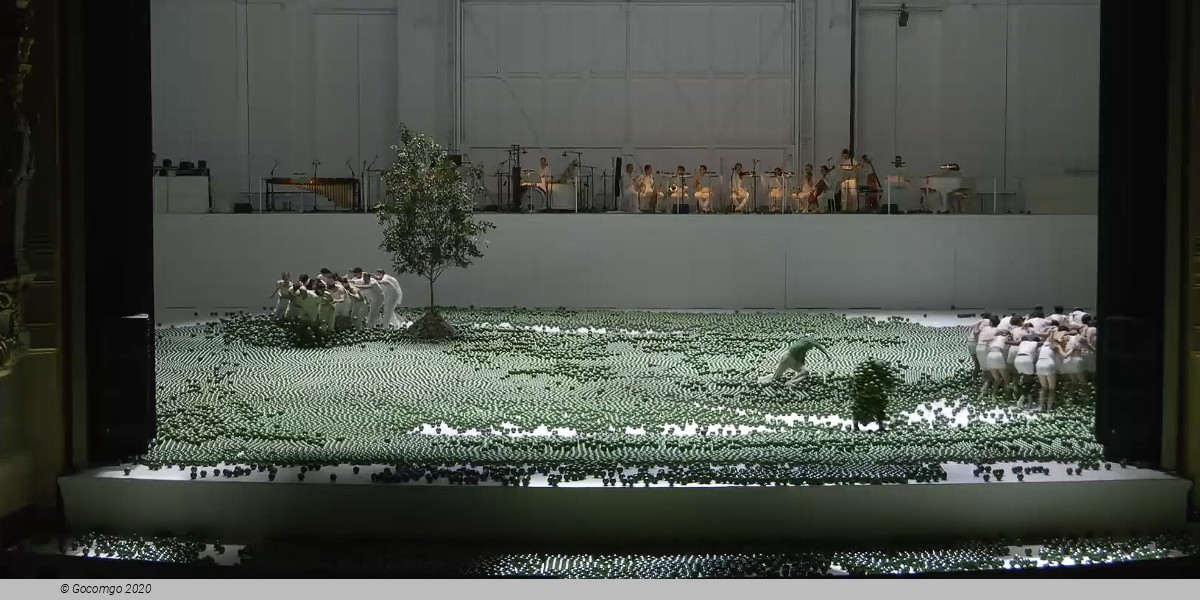
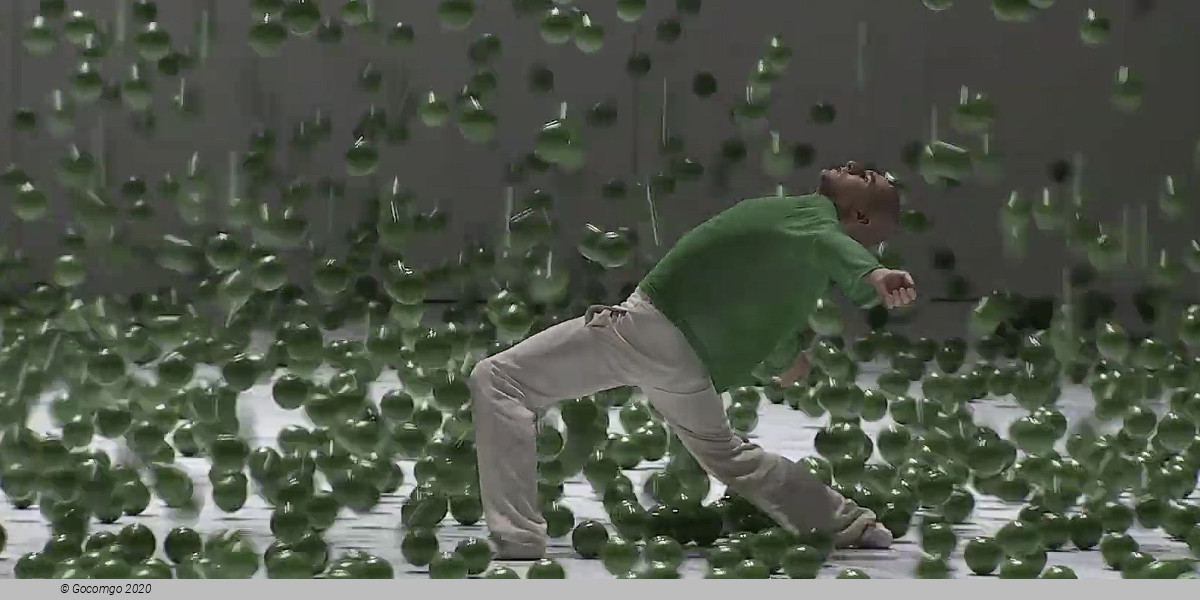
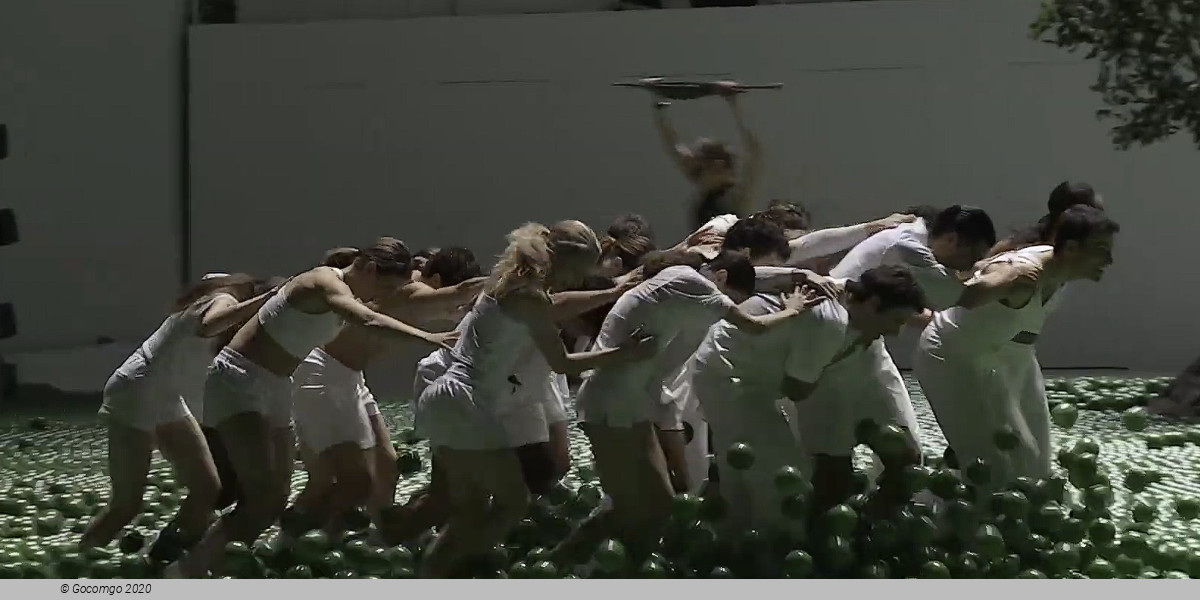
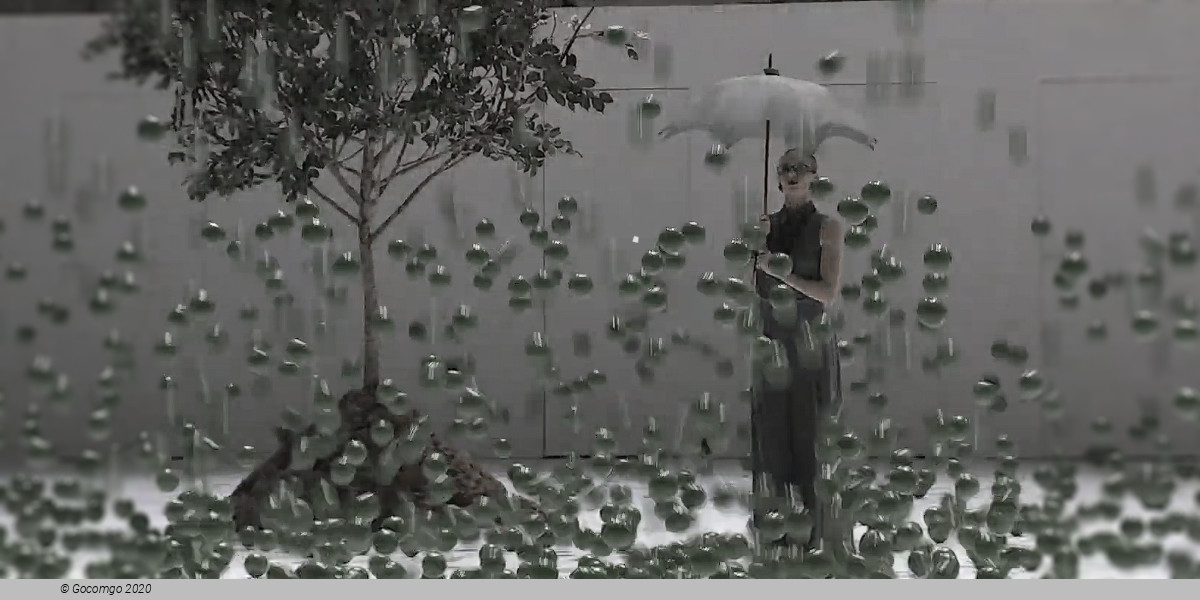
Men in spacesuits, galloping horses, giant balloons and thousands of green balls clattering down like hailstones. In Alexander Ekman’s PLAY, the stage is one big playground, with the underlying question: what has become of the child within us?

Although the Swedish choreographer is best known here for his work with Nederlands Dans Theater, PLAY – which makes use of pointe technique – can only be performed by a classical ballet company. Dutch National Ballet is the first company to be granted this honour after the ballet’s premiere in Paris.

Set to music by Mikael Karlsson, by turns hallucinatory and feverish, Ekman uses wit and absurdity to confront us with an uncomfortable truth: from our very first day at school, life revolves around achievement. Yet the idea that performance alone gives life meaning is a myth. In the liberating finale of PLAY, Ekman seems to urge us to rediscover something essential: ‘We must play. Without it, something vital is lost.

History
Premiere of this production: 06 December 2017, Palais Garnier, Opéra national de Paris, Paris, France

Men in spacesuits, galloping horses, giant balloons and thousands of green balls clattering down like hailstones. In Alexander Ekman's PLAY, the stage is one big playground.

Synopsis

First Act

The first act explores the instinctive, childlike urge to play. The stage becomes a giant school playground where dancers run, shout and laugh. They play with giant balloons, soap bubbles, skipping ropes and cubes descending from the ceiling. A strict schoolteacher figure watches over them. The dancers dive into an enormous pool of green balls. The world is populated by strange characters: a cosmonaut, a ghost, a man in a giant white hoop skirt, and a herd of deer-women on pointe with antlers. The act ends with thousands of green balls flooding the stage.

Second Act

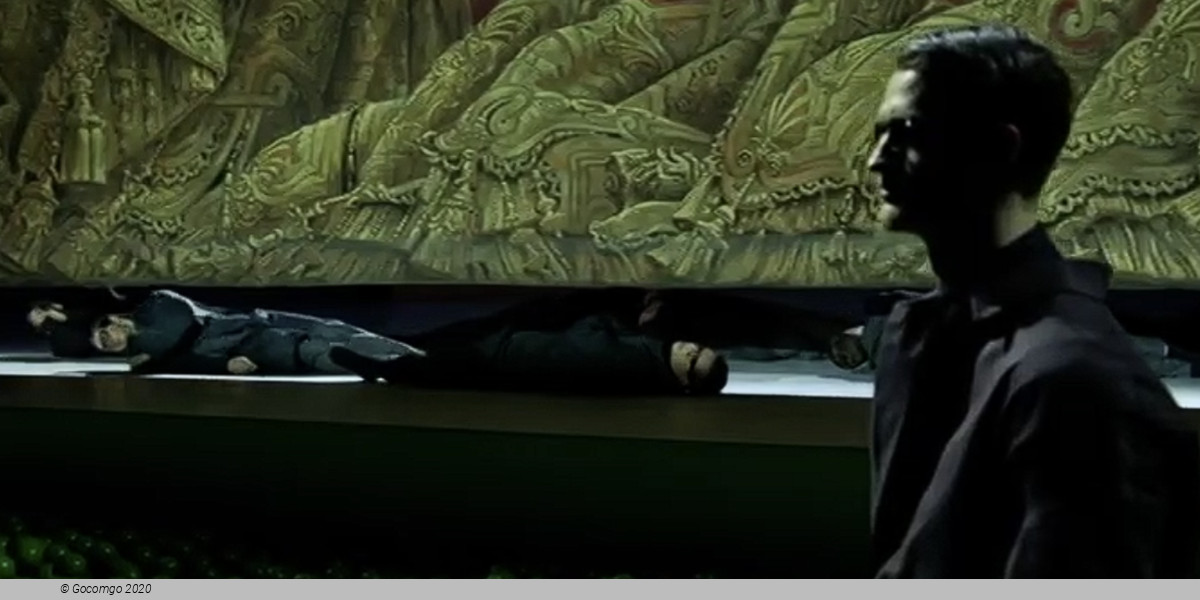
The second act is more melancholic. The dancers change into black costumes, symbolising adulthood, labour and competition. Play becomes a challenge, a game where one risks losing oneself. Gospel singer Callie Day sings from a tribune above the stage. The choreography explores what remains of our childhood games when we become adults and have to function within a larger community. In the end, the dancer is left almost naked – an eternal cycle of renewal.

Venue Info

Dutch National Opera - Amsterdam
Location   Amstel 3

The Dutch National Opera is the largest theatre production house in the Netherlands. Situated in the heart of Amsterdam, the iconic theatre of Dutch National Opera & Ballet offers a magnificent view of the River Amstel and the famous Magere Brug (Skinny Bridge). The various spaces form an inspiring backdrop for a whole range of special events.

Dutch National Opera & Ballet is a young theatre with a long history. The plans for building a new theatre ran parallel to the plans for a new city hall. The first discussions held by the Amsterdam city council about building a new city hall and opera house go back to 1915. At that time, the plans were specifically for an opera house, since ballet was a relatively unknown art form back then.

Ideas for the site of the new city hall and opera house were continually changing, and the idea that both buildings could form a single complex only emerged much later. Sites considered for the new city hall were initially the Dam, followed by the Frederiksplein, and finally the Waterlooplein.

In 1955, the city council commissioned the firm of architects Berghoef and Vegter to draft a design for a city hall on the Waterlooplein. The draft was approved, but in 1964 the council ended the association with the architects, as the final design was nothing like the original plans they had been shown. In 1967, a competition was held for a new design, with the Viennese architect Wilhelm Holzbauer emerging as the winner. Amsterdam's financial problems, however, meant that the plans for the new city hall were put on hold for several years.

DNO has its own choir of sixty singers and technical staff of 260. DNO historically has not had its own resident orchestra, and so various orchestras of the Netherlands, including the Netherlands Philharmonic Orchestra (NPO), the Netherlands Chamber Orchestra (NKO), the Royal Concertgebouw Orchestra, the Rotterdam Philharmonic Orchestra, the Radio Filharmonisch Orkest and the Asko/Schönberg ensemble have provided the orchestral forces for DNO productions.

DNO produces on average eleven productions per year. While most performances are in the Dutch National Opera & Ballet building, the company has also performed in the Stadsschouwburg, at the Carré Theatre, and on the Westergasfabriek industrial site in Amsterdam. For many years, the June production has been organized as part of the Holland Festival and includes the participation of the Royal Concertgebouw Orchestra. DNO has lent its productions to foreign companies, such as the Metropolitan Opera, the Brooklyn Academy of Music, the Lincoln Center Festival in New York, as well as the Adelaide Festival in Australia.

Since 1988, the French-Lebanese theatre director Pierre Audi has been the artistic director of DNO. Audi is scheduled to conclude his DNO tenure in 2018. In April 2017, DNO announced the appointment of Sophie de Lint as the company's next artistic director, effective 1 September 2018.

Hartmut Haenchen was chief conductor from 1986 to 1999, in parallel with holding the title of chief conductor of the NPO. He subsequently held the title of principal guest conductor with DNO. Subsequent chief conductors have been Edo de Waart (1999-2004) and Ingo Metzmacher (2005-2008). In March 2009, DNO announced the appointment of Marc Albrecht as the orchestra's next chief conductor, with the 2011-2012 season, for an initial contract of four years. This return to a single chief conductor at both DNO and the NPO/NKO allows for the NPO to become the principal opera orchestra for DNO. Albrecht is scheduled to stand down as chief conductor of DNO at the end of the 2019-2020 season.

Important Info
Type: Modern Ballet
City: Amsterdam, Netherlands
Starts at: 20:15
Acts: 2
Intervals: 1
Duration: 2h
Top of page