

About
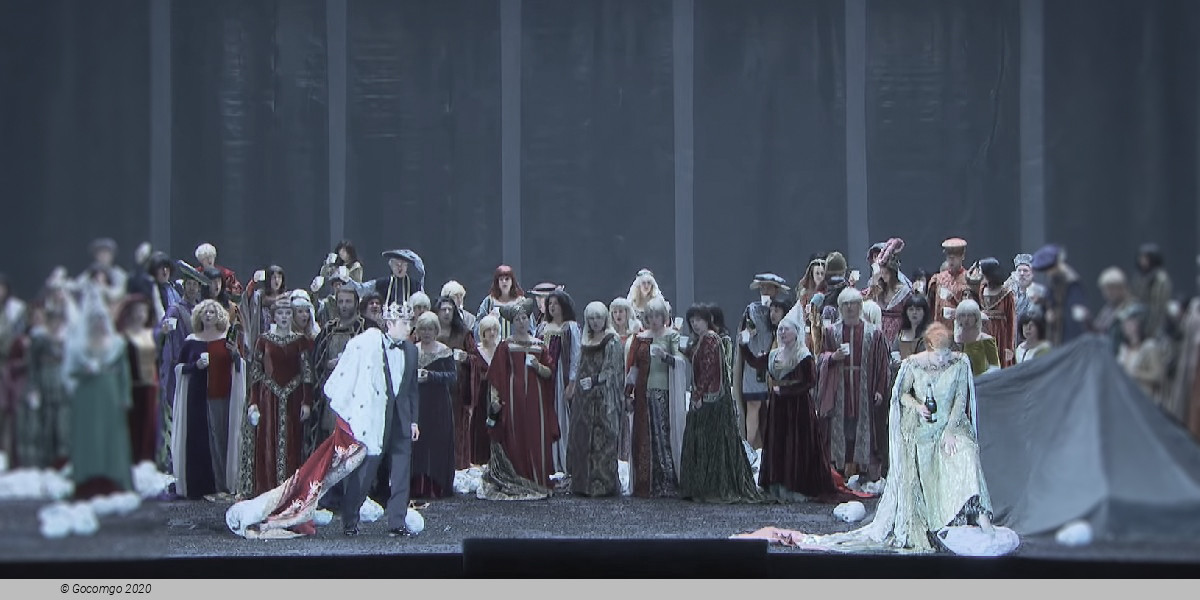
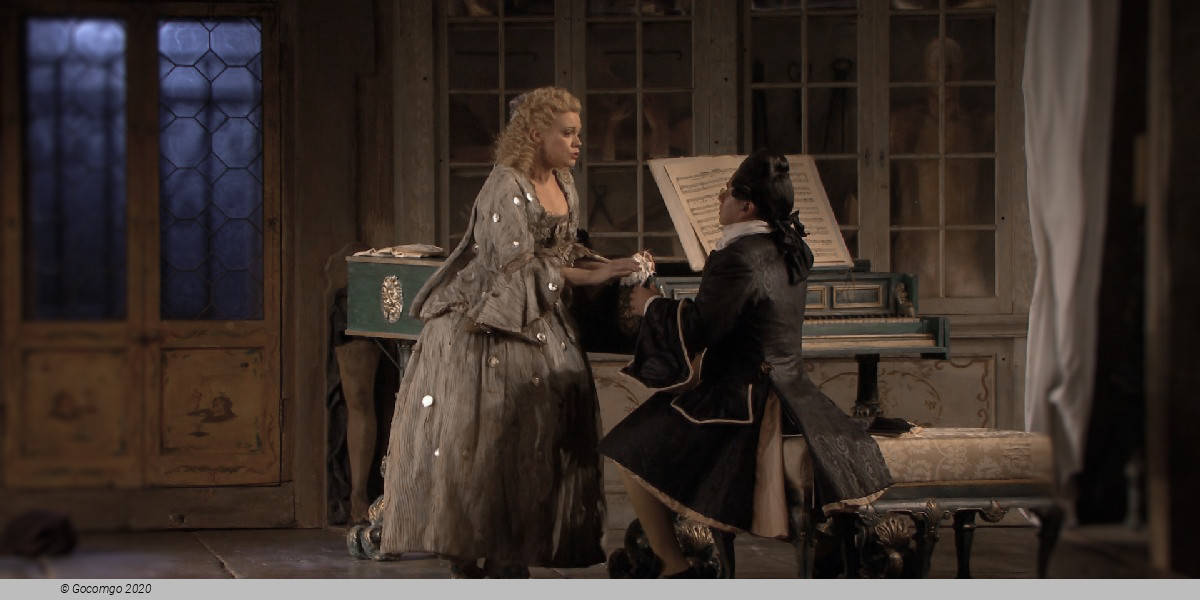
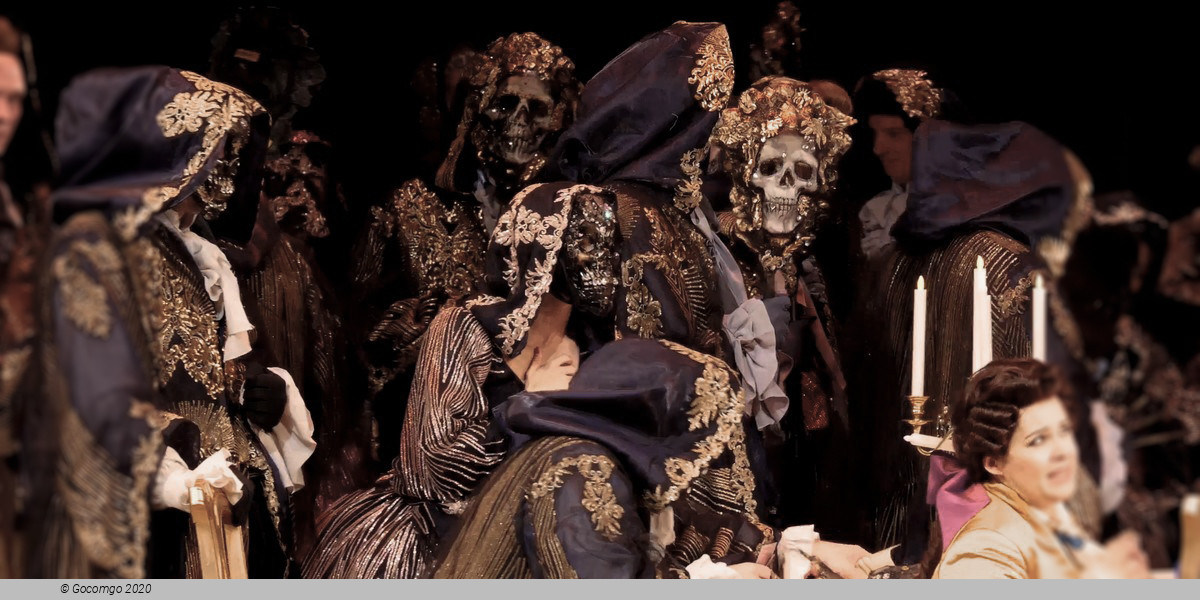
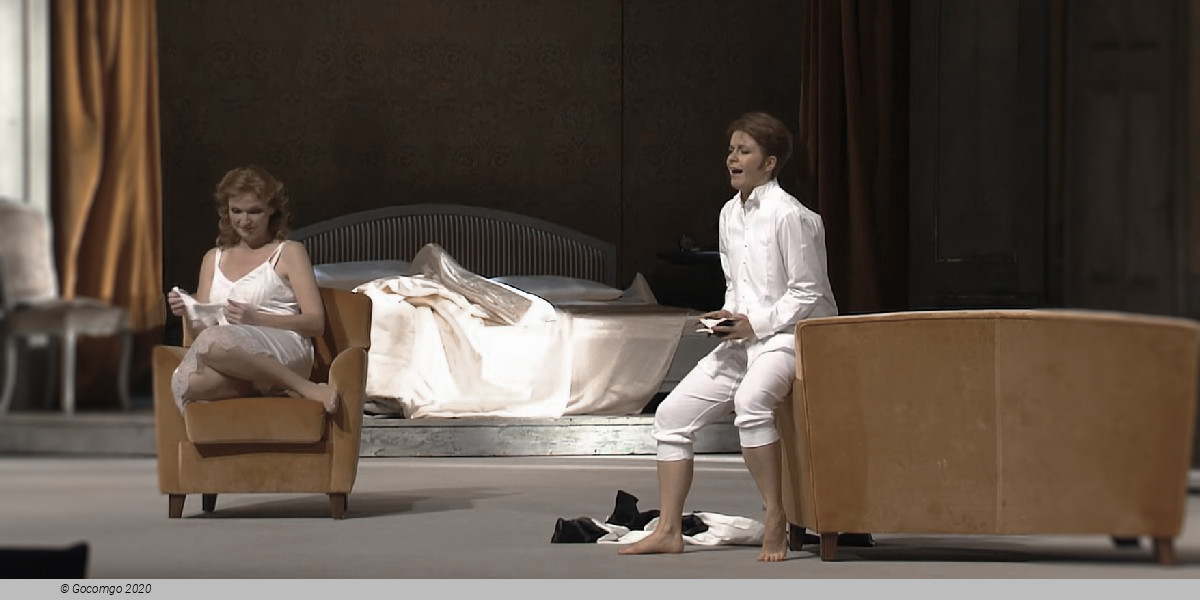
The Bavarian State Opera (German: Bayerische Staatsoper), one of the world's leading opera companies, is based in Munich, Germany, and operates primarily at the National Theater, a 2,101—seat neoclassical building opened in 1818. Born at the first opera performance in Munich in 1653, the Bavarian State Opera has evolved from a court entertainment into a major public institution known for its permanent cast of singers, the Bavarian State Orchestra and the Bavarian State Ballet. Each year, the theater presents more than 40 operas spanning five centuries, more than 20 ballets and additional concerts attended by about 600,000 people at 400 events.
The troupe's history began on February 2, 1653, with the premiere of Giovanni Battista Maccioni's "The Celebrating Harpist" at the residence of the Elector of Bavaria. Initially, it was exclusively a court ritual, but in the 18th and 19th centuries, the troupe gradually began to perform in front of a wider audience. Among the key venues is the Rococo Cuvillier Theater (also known as the Old Court Theater; it was opened in 1753 and reconstructed after World War II), but since 1818 the National Theater has been its main venue, despite the devastating fire in 1823, after which the building was rebuilt according to the design of architect Leo von Klenze. in 1825, and almost completely destroyed by Allied bombing in 1943, after which the theater was rebuilt and reopened on November 21, 1963. After World War I, he moved from the Bavarian Court Opera to the Bavarian State Opera, reflecting Bavaria's republican status. The Bavarian State Opera celebrates his role in opera innovations such as numerous world premieres, including Wolfgang Amadeus Mozart's Idomeneo in 1781, Richard Wagner's Tristan und Isolde (1865), The Nuremberg Meistersingers (1868), The Rhine Gold (1869) and The Valkyrie (1870), as well as later works like Richard Strauss's Friedenstag (1938) and Capriccio (1942), Aribert Reimann by Lear (1978), and Joerg Widmann by Babylon (2012). During the Second World War, after the destruction of the National Theatre, its activities were transferred to the Prinzregenten Theatre, and after the war it resumed work as a repertory theatre, which staged both classical and modern works. Today, the theater is led by Intendant Serge Dorney (appointed in 2021) and General Musical director Vladimir Yurovsky (starting in 2021, the contract has been extended until the 2028/2029 season), together with choreographer Laurent Hilaire (starting in 2022), continues to pay special attention to artistic excellence, modern trends and audience engagement, including as part of the annual Munich Opera the festival.