
Vienna State Opera 19 February 2023 - Liebeslieder: ballets "Other Dances", "Concerto", "Liebeslieder Walzer" | GoComGo.com

Liebeslieder: ballets "Other Dances", "Concerto", "Liebeslieder Walzer"

Vienna State Opera, Main Stage, Vienna, Austria
All photos (6)
Select date and time
7:30 PM

E-tickets: Print at home or at the box office of the event if so specified. You will find more information in your booking confirmation email.

You can only select the category, and not the exact seats.
If you order 2 or 3 tickets: your seats will be next to each other.
If you order 4 or more tickets: your seats will be next to each other, or, if this is not possible, we will provide a combination of groups of seats (at least in pairs, for example 2+2 or 2+3).

Important Info
Type: Modern Ballet
City: Vienna, Austria
Starts at: 19:30
Intervals: 1

E-tickets: Print at home or at the box office of the event if so specified. You will find more information in your booking confirmation email.

You can only select the category, and not the exact seats.
If you order 2 or 3 tickets: your seats will be next to each other.
If you order 4 or more tickets: your seats will be next to each other, or, if this is not possible, we will provide a combination of groups of seats (at least in pairs, for example 2+2 or 2+3).

Overview

"I’ll come whatever you want me to do. I can dance, I can choreograph." With these words  Jerome Robbins approached the Director of the New York City Ballet in 1948. And he – George Balanchine, who knew Robbins’ work on Broadway and his talent very well, – simply replied: "Come!" This sealed an American success story: from now on Robbins would play a key role alongside Mr. B., not only as a ballet master but also as a choreographer,  in New York City Ballet’s growth into one of the most important dance companies in the world.

Jerome Robbins‘ "Other Dances" is performed with the permission of © The Robbins Rights Trust, George Balanchine’s "Liebeslieder Walzer" is performed with the permission of © The George Balanchine Trust.

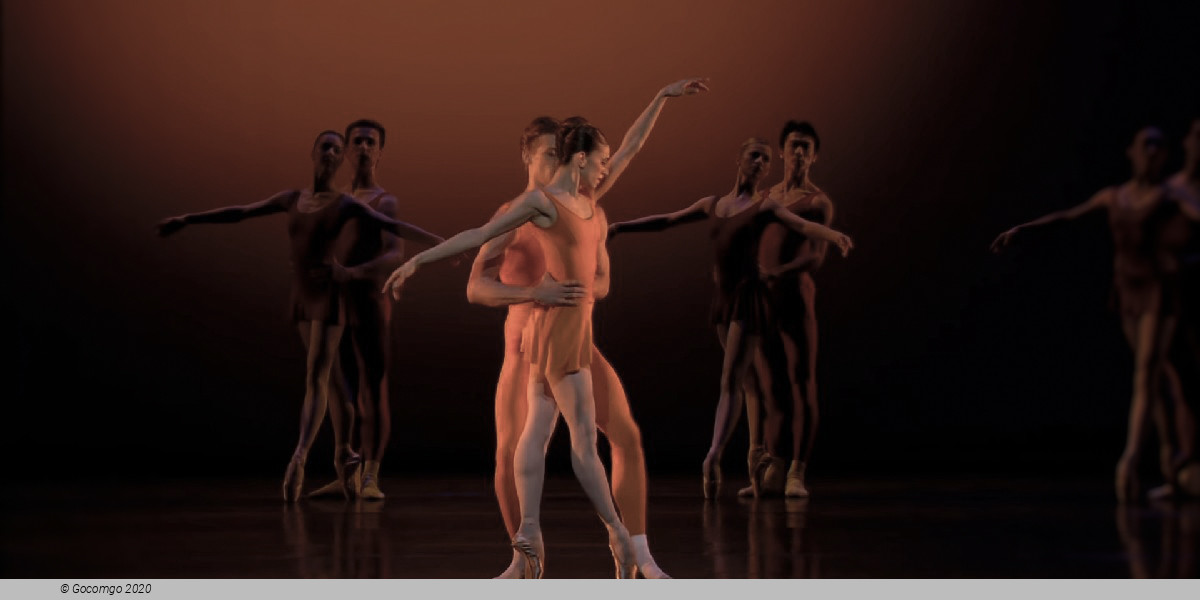
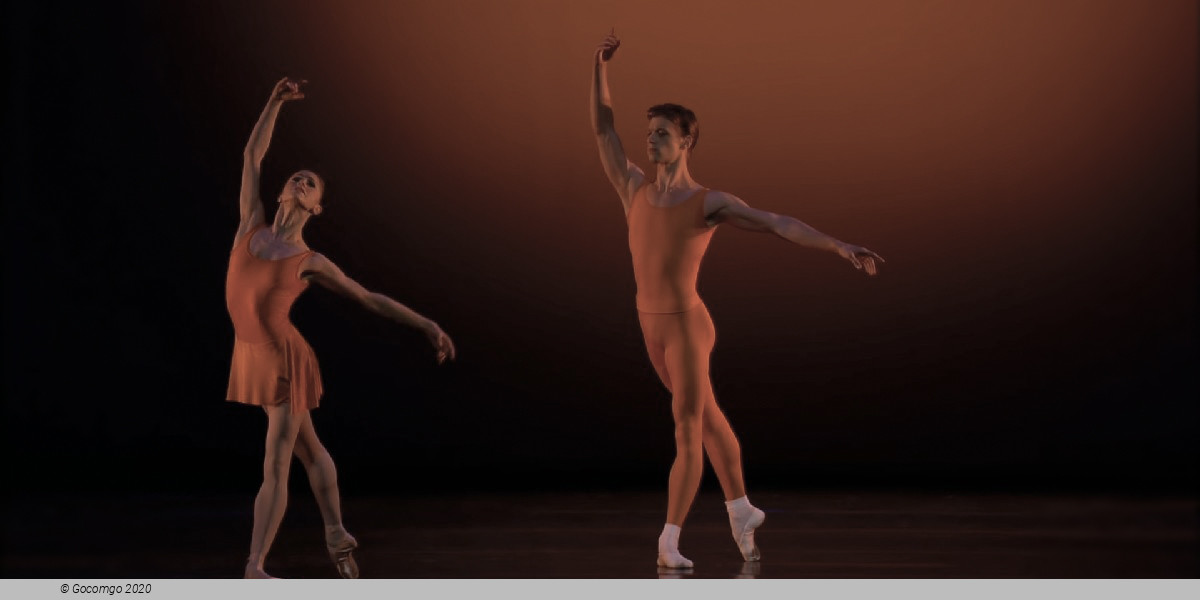
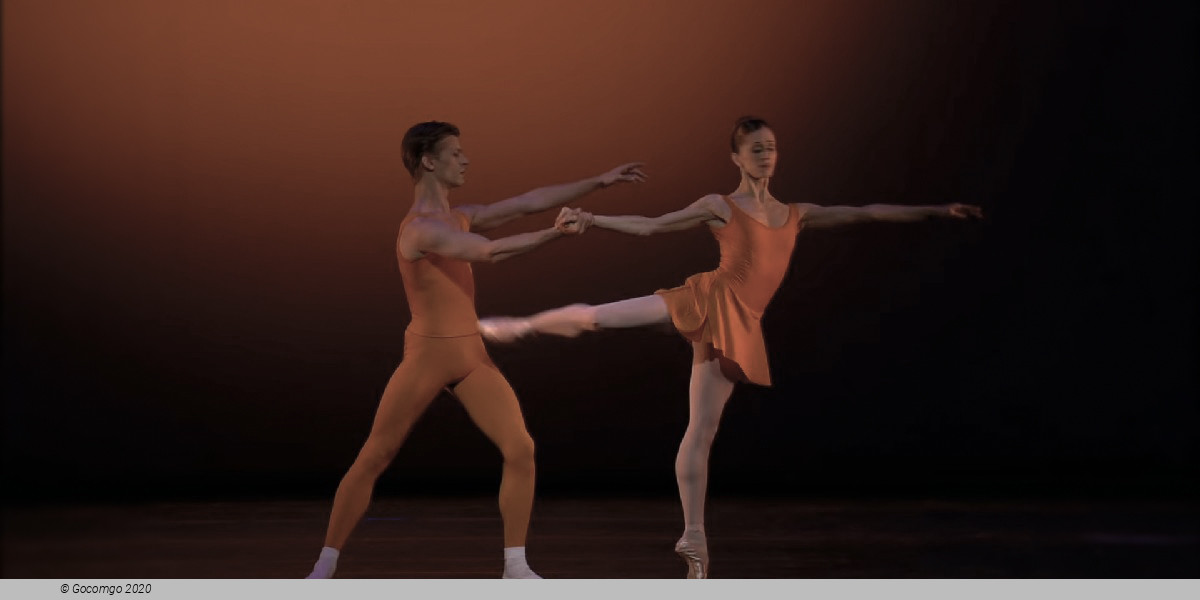
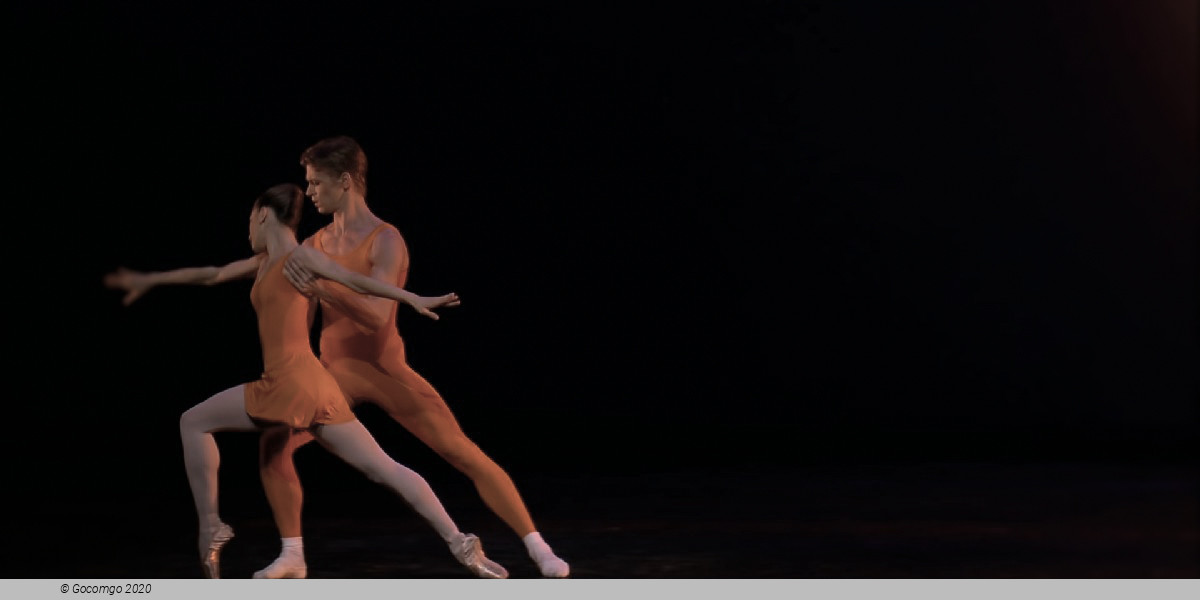
In 1976 he created "Other Dances" for Natalia Makarova and Mikhail Baryshnikov – a Chopin ballet that beautifully illustrates what the Russian star ballerina once said about its choreographer: "Robbins is the most Romantic of all the moderns." In this Pas de deux the Romanticism of the music blends with the elegance of classical ballet technique in a way that is both sublime and yet also natural.

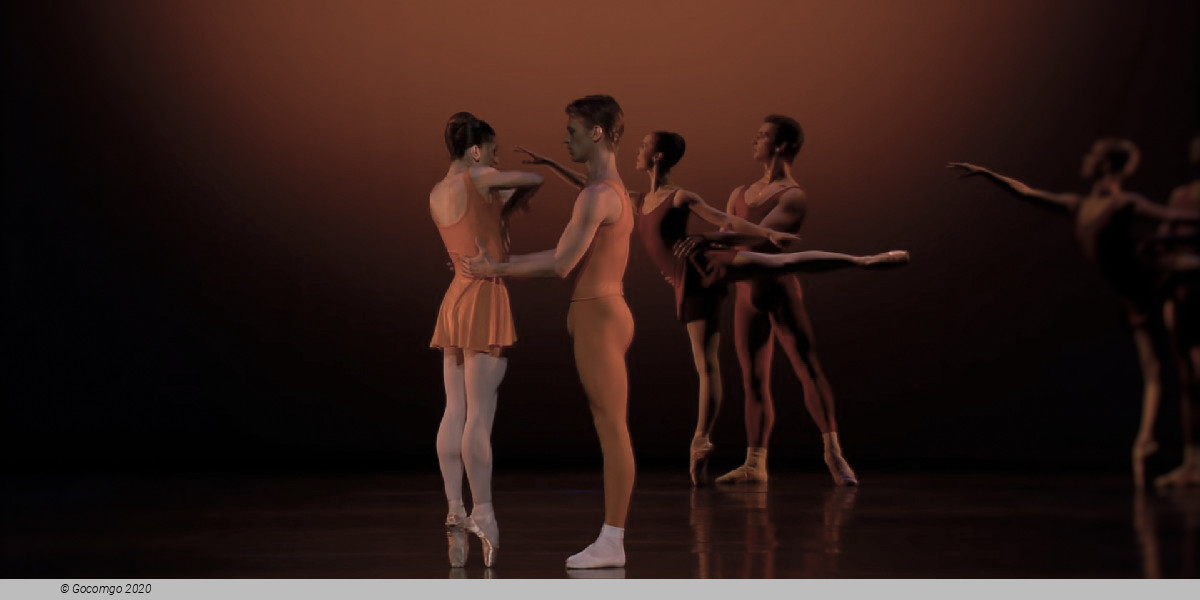
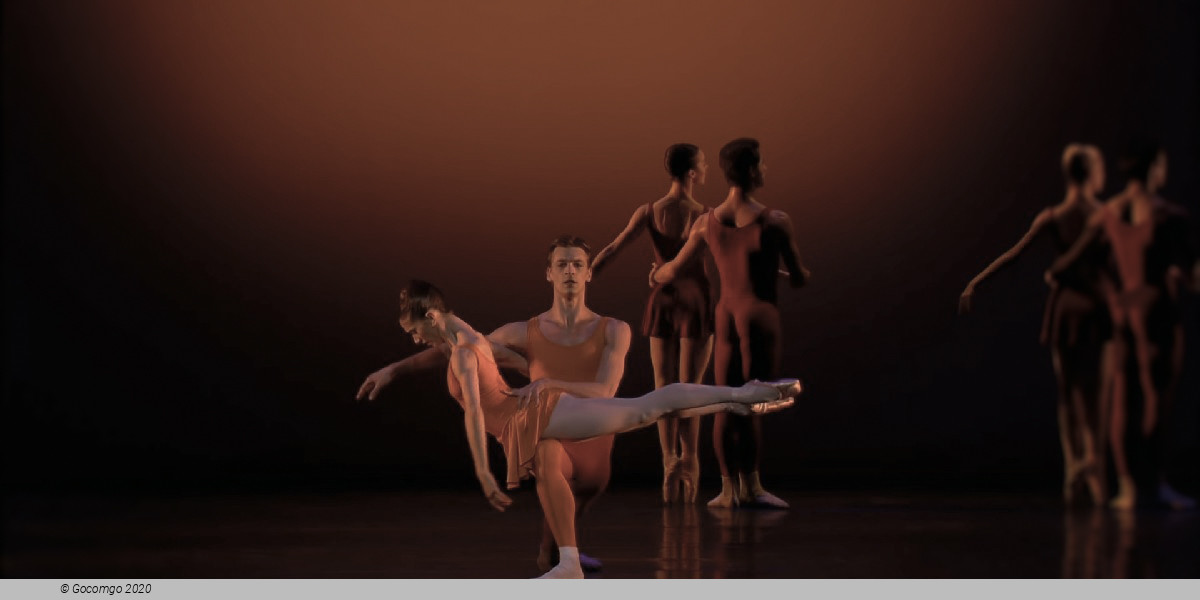
What happens to our perception of a movement when it is constantly repeated, albeit in different situations? Lucinda Childs considers this question, creating dance architectures in pure form. "Concerto", which received its world premiere in Lisbon in 1993 performed by the Lucinda Childs Dance Company, marks the first time that a work by this important American choreographer will be seen at the Vienna State Ballet. In its elementary combination of geometric patterns, repeating movement sequences, and rhythms, "Concerto" produces a hypnotic effect in congenial partnership with Henryk M. Górecki’s Concerto for Harpsichord and Strings – a score that is like a "prank", according to the Polish composer.

By contrast, Balanchine’s "Liebeslieder Walzer" whisk us away to the world of Viennese balls. This work, world premiered in 1960 by the New York City Ballet, was a fixture of the Vienna State Ballet’s repertoire from 1977 to 1991, and now returns in a restaged version. Four pairs of dancers, singers and pianists meet as if for an exuberant Schubert celebration on a stage that is transformed into a ballroom by Johannes Brahms’ "Liebeslieder-Walzer" op. 52 and his "Neue Liebeslieder" op. 65. Initially in elegant and playful evening dress, then in ballet wear and pointe shoes, Balanchine presents intimate portraits of passion:  "In the first act it is real people who are dancing. In the second act, it is their souls", the choreographer claimed.

Venue Info

Vienna State Opera - Vienna
Location   Opernring 2

The Vienna State Opera is one of the leading opera houses in the world. Its past is steeped in tradition. Its present is alive with richly varied performances and events. Each season, the schedule features 350 performances of more than 60 different operas and ballets. The members of the Vienna Philharmonic are recruited from the Vienna State Opera's orchestra. The building is also the home of the Vienna State Ballet, and it hosts the annual Vienna Opera Ball during the carnival season.

The 1,709-seat Renaissance Revival venue was the first major building on the Vienna Ring Road. It was built from 1861 to 1869 following plans by August Sicard von Sicardsburg and Eduard van der Nüll, and designs by Josef Hlávka. The opera house was inaugurated as the "Vienna Court Opera" (Wiener Hofoper) in the presence of Emperor Franz Joseph I and Empress Elisabeth of Austria. It became known by its current name after the establishment of the First Austrian Republic in 1921. The Vienna State Opera is the successor of the Vienna Court Opera, the original construction site chosen and paid for by Emperor Franz Joseph in 1861.

The opera house was the first major building on the Vienna Ringstrasse commissioned by the Viennese "city expansion fund". Work commenced on the house in 1861 and was completed in 1869, following plans drawn up by architects August Sicard von Sicardsburg and Eduard van der Nüll. It was built in the Neo-Renaissance style by the renowned Czech architect and contractor Josef Hlávka.

Gustav Mahler was one of the many conductors who have worked in Vienna. During his tenure (1897–1907), Mahler cultivated a new generation of singers, such as Anna Bahr-Mildenburg and Selma Kurz, and recruited a stage designer who replaced the lavish historical stage decors with sparse stage scenery corresponding to modernistic, Jugendstil tastes. Mahler also introduced the practice of dimming the lighting in the theatre during performances, which was initially not appreciated by the audience. However, Mahler's reforms were maintained by his successors.

Herbert von Karajan introduced the practice of performing operas exclusively in their original language instead of being translated into German. He also strengthened the ensemble and regular principal singers and introduced the policy of predominantly engaging guest singers. He began a collaboration with La Scala in Milan, in which both productions and orchestrations were shared. This created an opening for the prominent members of the Viennese ensemble to appear in Milan, especially to perform works by Wolfgang Amadeus Mozart and Richard Strauss.

Ballet companies merge

At the beginning of the 2005–2006 season, the ballet companies of the Staatsoper and the Vienna Volksoper were merged under the direction of Gyula Harangozó.

From the 2010–2011 season a new company was formed called Wiener Staatsballet, Vienna State Ballet, under the direction of former Paris Opera Ballet principal dancer Manuel Legris. Legris eliminated Harangozós's policy of presenting nothing but traditional narrative ballets with guest artists in the leading roles, concentrated on establishing a strong in-house ensemble and restored evenings of mixed bill programs, featuring works of George Balanchine, Jerome Robbins, Jiří Kylián, William Forsythe, and many contemporary choreographers, as well as a reduced schedule of the classic ballets.

Opera ball

For many decades, the opera house has been the venue of the Vienna Opera Ball. It is an internationally renowned event, which takes place annually on the last Thursday in Fasching. Those in attendance often include visitors from around the world, especially prominent names in business and politics. The opera ball receives media coverage from a range of outlets.

Important Info
Type: Modern Ballet
City: Vienna, Austria
Starts at: 19:30
Intervals: 1
Top of page