
Vienna State Opera 12 June 2023 - Lady Macbeth of Mtsensk | GoComGo.com

Lady Macbeth of Mtsensk

Vienna State Opera, Main Stage, Vienna, Austria
All photos (8)
Select date and time
7 PM

E-tickets: Print at home or at the box office of the event if so specified. You will find more information in your booking confirmation email.

You can only select the category, and not the exact seats.
If you order 2 or 3 tickets: your seats will be next to each other.
If you order 4 or more tickets: your seats will be next to each other, or, if this is not possible, we will provide a combination of groups of seats (at least in pairs, for example 2+2 or 2+3).

Important Info
Type: Opera
City: Vienna, Austria
Starts at: 19:00
Intervals: 1

E-tickets: Print at home or at the box office of the event if so specified. You will find more information in your booking confirmation email.

You can only select the category, and not the exact seats.
If you order 2 or 3 tickets: your seats will be next to each other.
If you order 4 or more tickets: your seats will be next to each other, or, if this is not possible, we will provide a combination of groups of seats (at least in pairs, for example 2+2 or 2+3).

Overview

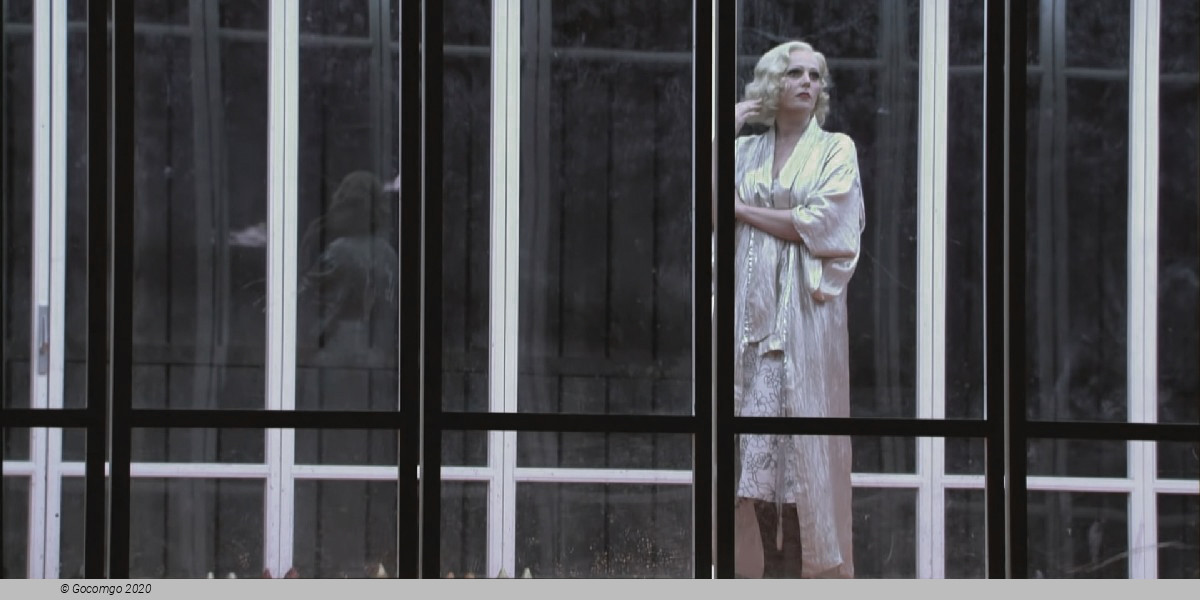
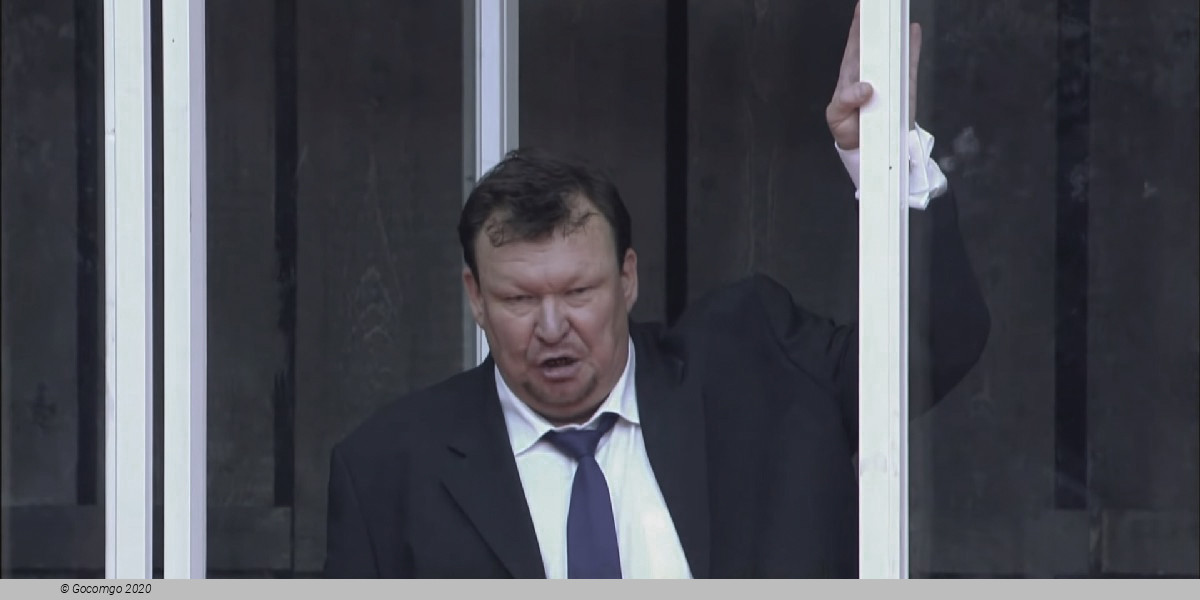
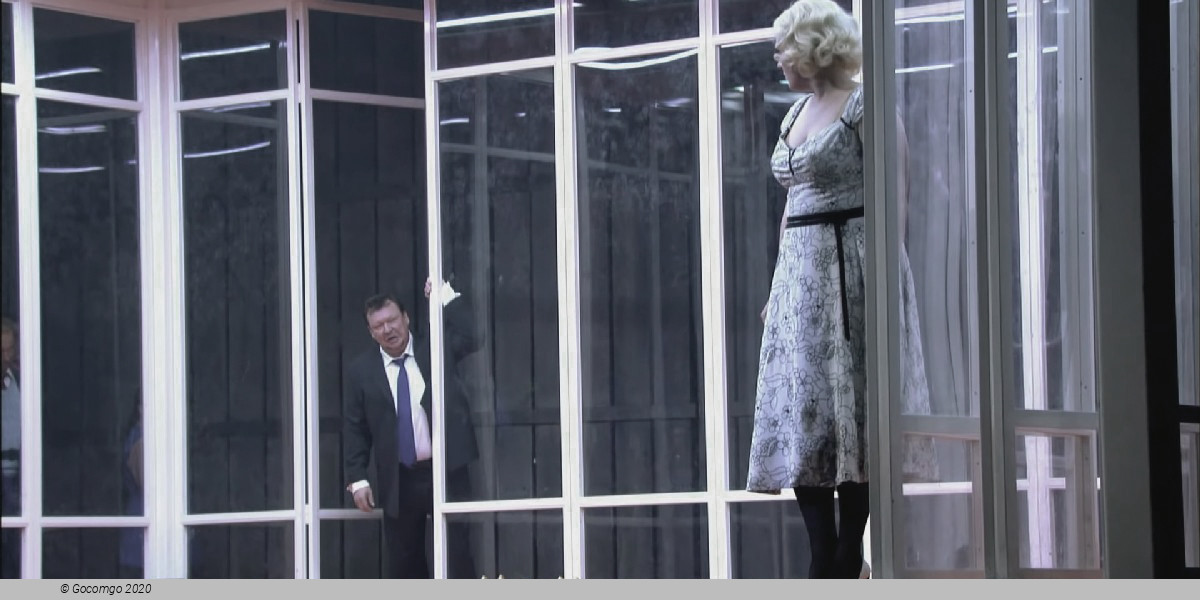
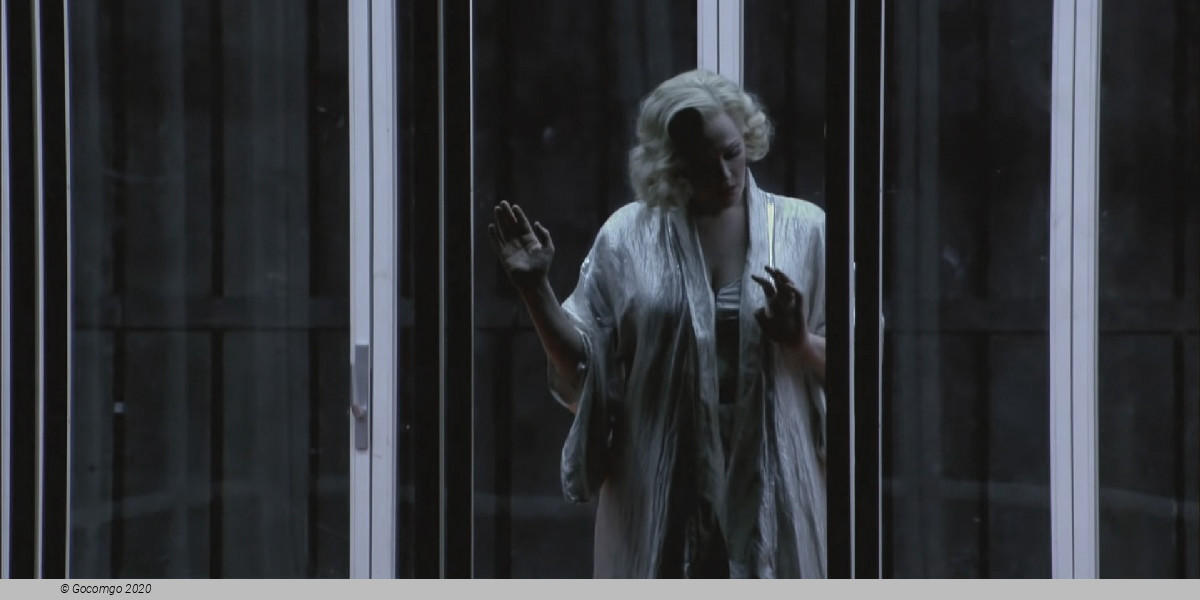
The young Katerina Ismailowa, from a poor background is unhappily married to the rich provincial merchant, Sinowi. After 5 years, the marriage is still childless, and Katerina suffers from a lack of affection of her husband. The daily accusations and innuendoes from her tyrannical father-in-law Boris, who supervises the family, also set the young lady off. Through the hiring of the servant Sergej, the daily nagging is abruptly interrupted. Katerina is warned of Sergey, and even has to witness him taking part in a collective rape, and still unresistingly falls under his spell. 

The fact that Sinowi is away from home for long periods of time, allows Sergei and Katerina countless undisturbed nights of love. One night however, the two are surprised by Boris, who then furiously whips Sergej publicly. In view of this cruelty, Katerina decides to kill Boris, and serves him a plate of mushrooms laced with rat poison, which he eats with great relish. Shortly thereafter, Boris dies. 

The two lovers Katerina and Sergei are surprised one night by the returning Sinowi. They unceremoniously kill him and hide his body in the cellar. A while later, Katerina and Sergej decide to marry and organize a big wedding party. In the meantime, a drunken builder finds the body of Sinowi and alarms the police, who interrupt the wedding party and arrest Katerina and Sergej.

Despite Sergej and Katerina’s punishment of forced labor, Katarina’s love for Sergej remains strong. Sergej however attempts to win the favor of Sonjetka, a pretty fellow prisoner. When Katerina notices that Sergej is chasing her, she kills herself and her rival.

History
Premiere of this production: 22 January 1934, Leningrad Maly Operny

Lady Macbeth of the Mtsensk District is an opera in four acts and nine scenes by Dmitri Shostakovich. The libretto, jointly written by Alexander Preys and the composer, is based on the novella of the same name by Nikolai Leskov. (The opera is generally translated in English as Lady Macbeth of Mtsensk.) Dedicated by Shostakovich to his first wife, physicist Nina Varzar, the roughly 160-minute opera was first performed on 22 January 1934 at the Leningrad Maly Operny, and on 24 January 1934 in Moscow. It incorporates elements of expressionism and verismo, telling the story of a lonely woman in 19th-century Russia who falls in love with one of her husband's workers and is driven to murder.

Synopsis

Although the opera shares the basic characters and outline of the play, it has a number of differences from the original story in terms of plot and emphasis. One example is in the convoy after Katerina gives Sergei her stockings: in the opera, all the women mock Katerina, whereas in the story, Sergei and Sonya mock her while Fiona and Gordyushka shame them in response to their cruelty toward her.

Act 1
Scene 1: Katerina's room

Katerina is unhappily married to Zinovy, a provincial flour-merchant. She complains to herself of her loneliness. Her father-in-law Boris, angered at her attitude in response to his saying that mushrooms are his favourite dish, says it is her fault for not producing an heir. She replies that Zinovy cannot give her a child – which Boris disdains; he then threatens her if she decides to seduce some youthful lover. Zinovy is called away on business, and Boris – against his son's inclinations – makes Katerina swear before an icon to be faithful. A servant, Aksinya, tells Katerina about the womanising new clerk, Sergei.

Scene 2: The Izmailovs' yard

Sergei and his comrades are sexually harassing Aksinya. Katerina intervenes. She berates him for his machismo and asserts that women are as brave and capable as men. Sergei is willing to prove her wrong and they wrestle; she is thrown down and Sergei falls on top of her. Boris appears. She says that she tripped and Sergei in trying to help her, fell down also. The other peasants back her up. Boris however is suspicious and roars at the peasants, telling them to get back to work before ordering Katerina to fry some mushrooms for him and threatening to tell Zinovy all about her behaviour.

Scene 3: Katerina's room

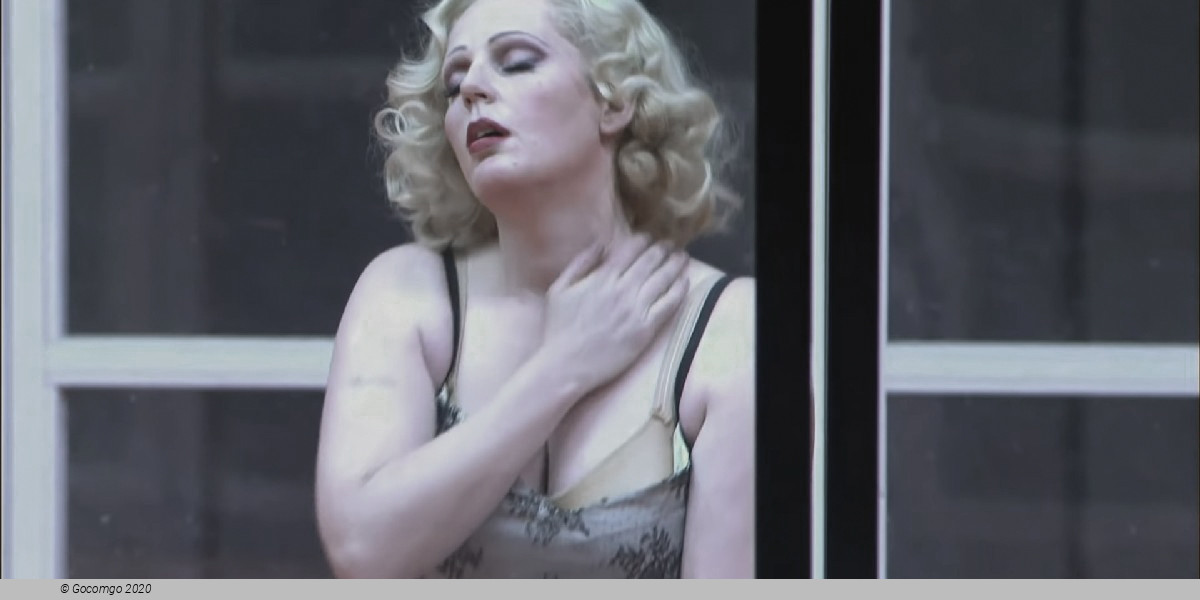
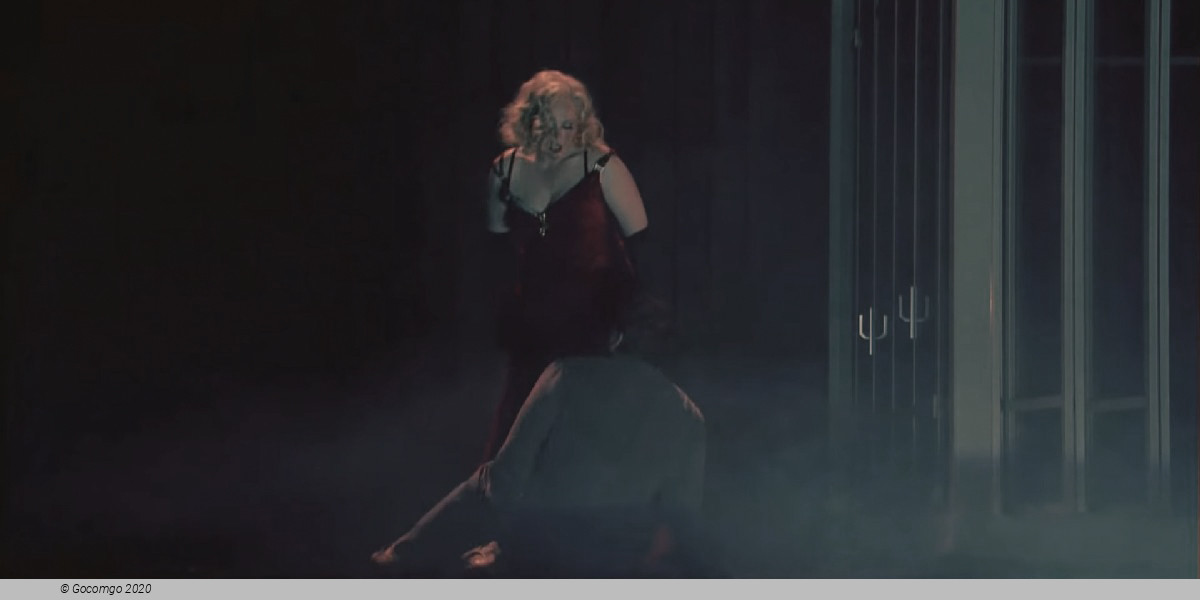
Katerina prepares to go to bed. Sergei knocks on her door with the excuse that he wants to borrow a book because he cannot sleep, but Katerina has none; she cannot read. As she is about to close the door he continues attempting to seduce her by remembering their wrestling match earlier that day. He gets into the room and forces himself on her. After this is done, she tells him to leave, but he refuses and she agrees to embark on an affair with him. Boris knocks on the door and confirms that Katerina is in bed and locks her in. Sergei is trapped in the room, and the two make love.

Act 2
Scene 4: The yard

One night a week later. Boris, unable to sleep due to unease about thieves being on the prowl, is walking in the courtyard in the pre-dawn darkness. He, remembering his own youthful days as a rake and knowing Zinovy's low libido, is considering seducing Katerina himself to fulfill his son's marital duties. He spots Sergei climbing out of Katerina's window. He catches him and publicly whips him as a burglar, then has him locked up. Katerina witnesses this but cannot stop him because she remains locked in her room. When finally she manages to climb down the eavestrough-drainpipe the other servants restrain her on Boris' order. After being exhausted by beating Sergei, Boris demands some dinner, saying that he will whip Sergei again the next day and dispatches a servant to call Zinovy back, saying that Zinovy is to be told that there's trouble at home. Katerina adds rat-poison to some mushrooms and gives them to him. As he is dying, calling for a priest, she retrieves the keys to free Sergei. The priest, called by the arriving morning shift of workers who find Boris in agony, arrives: Boris vainly tries to tell him that he was poisoned and falls back dead pointing at Katerina. Katerina, weeping crocodile tears, convinces him that Boris has accidentally eaten poisonous mushrooms and he says a prayer over Boris' body.

Scene 5: Katerina's room

Katerina and Sergei are together. Sergei querulously says that their affair will have to end due to Zinovy's impending return and wishes he and Katerina could marry – Katerina assures him that they'll marry but refuses to tell him how she'll arrange it. Sergei then falls asleep; Katerina is then tormented by Boris' ghost and cannot sleep. Later she hears Zinovy returning. He has been called back by one of the servants with the news of his father's death. Although Sergei hides, Zinovy sees Sergei's trousers and belt and guesses the truth. As he and Katerina quarrel, he whips her with the belt. Hearing Katerina's cries, Sergei emerges and confronts Zinovy, who then tries to escape and call the servants. Katerina stops Zinovy: she and Sergei then proceed to strangle Zinovy, who's finally finished off by Sergei with a blow on the head with a heavy candlestick. The lovers hide the corpse in the wine-cellar.

Act 3
Scene 6: Near the cellar

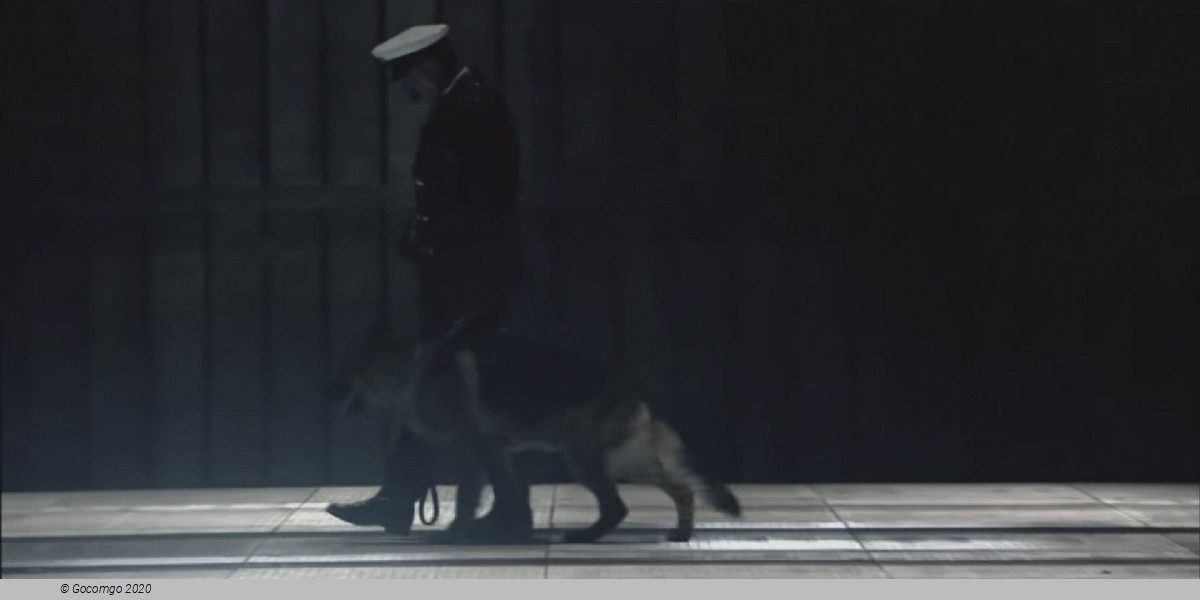
Following Zinovy's disappearance he has been presumed dead. Katerina and Sergei prepare to get married, but she is tormented by the fact that Zinovy's corpse is hidden in the wine cellar. Sergei reassures her and they leave for the wedding ceremony. A drunken peasant breaks into the cellar, finds Zinovy's body and goes to fetch the police.

Scene 7: The police station

The police are complaining about not being invited to the wedding and vainly try to distract themselves by tormenting a "nihilist" schoolteacher because of atheism when the peasant arrives and gives them the opportunity for revenge.

Scene 8: The Izmailov garden

Everyone is drunk at the wedding. Katerina sees that the cellar door is open, but the police arrive as she and Sergei are trying to escape.

Act 4
Scene 9. A temporary convict camp near a bridge

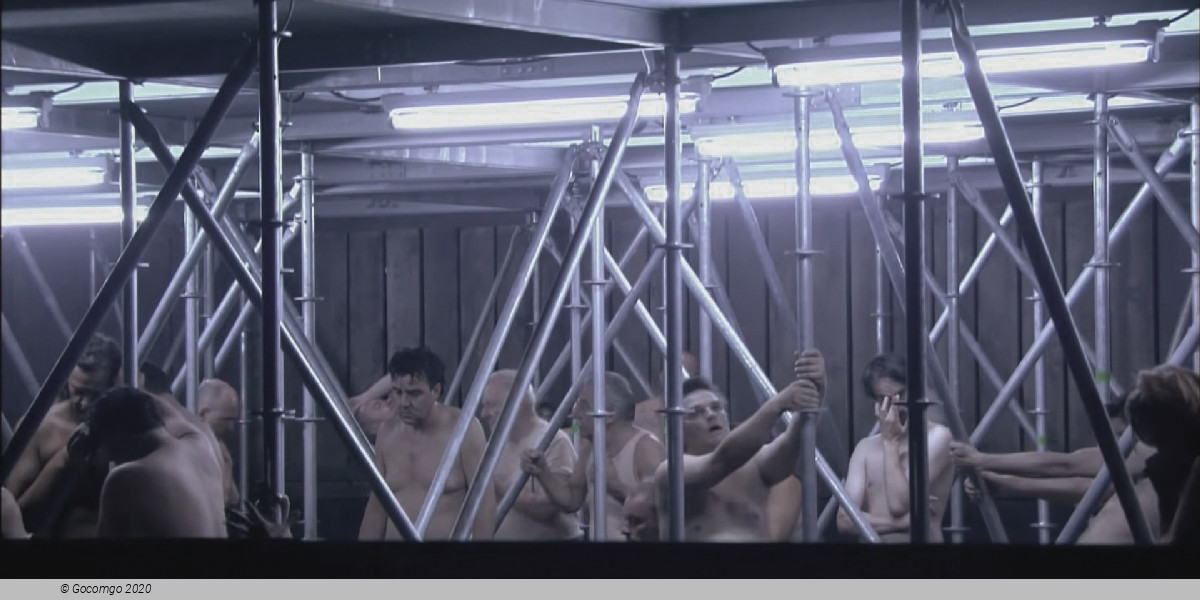
On the way to penal labour to Siberia, Katerina bribes a guard to allow her to meet Sergei. He blames her for everything. After she leaves, Sergei tries to seduce another convict, Sonyetka. She demands a pair of stockings as her price. Sergei tricks Katerina into giving him hers, whereupon he gives them to Sonyetka. Sonyetka and the other convicts taunt Katerina, who pushes Sonyetka into an icy river – also, herself, falling in. They are swept away and the convict train moves on.

Venue Info

Vienna State Opera - Vienna
Location   Opernring 2

The Vienna State Opera is one of the leading opera houses in the world. Its past is steeped in tradition. Its present is alive with richly varied performances and events. Each season, the schedule features 350 performances of more than 60 different operas and ballets. The members of the Vienna Philharmonic are recruited from the Vienna State Opera's orchestra. The building is also the home of the Vienna State Ballet, and it hosts the annual Vienna Opera Ball during the carnival season.

The 1,709-seat Renaissance Revival venue was the first major building on the Vienna Ring Road. It was built from 1861 to 1869 following plans by August Sicard von Sicardsburg and Eduard van der Nüll, and designs by Josef Hlávka. The opera house was inaugurated as the "Vienna Court Opera" (Wiener Hofoper) in the presence of Emperor Franz Joseph I and Empress Elisabeth of Austria. It became known by its current name after the establishment of the First Austrian Republic in 1921. The Vienna State Opera is the successor of the Vienna Court Opera, the original construction site chosen and paid for by Emperor Franz Joseph in 1861.

The opera house was the first major building on the Vienna Ringstrasse commissioned by the Viennese "city expansion fund". Work commenced on the house in 1861 and was completed in 1869, following plans drawn up by architects August Sicard von Sicardsburg and Eduard van der Nüll. It was built in the Neo-Renaissance style by the renowned Czech architect and contractor Josef Hlávka.

Gustav Mahler was one of the many conductors who have worked in Vienna. During his tenure (1897–1907), Mahler cultivated a new generation of singers, such as Anna Bahr-Mildenburg and Selma Kurz, and recruited a stage designer who replaced the lavish historical stage decors with sparse stage scenery corresponding to modernistic, Jugendstil tastes. Mahler also introduced the practice of dimming the lighting in the theatre during performances, which was initially not appreciated by the audience. However, Mahler's reforms were maintained by his successors.

Herbert von Karajan introduced the practice of performing operas exclusively in their original language instead of being translated into German. He also strengthened the ensemble and regular principal singers and introduced the policy of predominantly engaging guest singers. He began a collaboration with La Scala in Milan, in which both productions and orchestrations were shared. This created an opening for the prominent members of the Viennese ensemble to appear in Milan, especially to perform works by Wolfgang Amadeus Mozart and Richard Strauss.

Ballet companies merge

At the beginning of the 2005–2006 season, the ballet companies of the Staatsoper and the Vienna Volksoper were merged under the direction of Gyula Harangozó.

From the 2010–2011 season a new company was formed called Wiener Staatsballet, Vienna State Ballet, under the direction of former Paris Opera Ballet principal dancer Manuel Legris. Legris eliminated Harangozós's policy of presenting nothing but traditional narrative ballets with guest artists in the leading roles, concentrated on establishing a strong in-house ensemble and restored evenings of mixed bill programs, featuring works of George Balanchine, Jerome Robbins, Jiří Kylián, William Forsythe, and many contemporary choreographers, as well as a reduced schedule of the classic ballets.

Opera ball

For many decades, the opera house has been the venue of the Vienna Opera Ball. It is an internationally renowned event, which takes place annually on the last Thursday in Fasching. Those in attendance often include visitors from around the world, especially prominent names in business and politics. The opera ball receives media coverage from a range of outlets.

Important Info
Type: Opera
City: Vienna, Austria
Starts at: 19:00
Intervals: 1
Top of page