
Vienna State Opera 13 December 2022 - La Fille mal gardée | GoComGo.com

La Fille mal gardée

Vienna State Opera, Main Stage, Vienna, Austria
All photos (16)
Select date and time
7:30 PM

E-tickets: Print at home or at the box office of the event if so specified. You will find more information in your booking confirmation email.

You can only select the category, and not the exact seats.
If you order 2 or 3 tickets: your seats will be next to each other.
If you order 4 or more tickets: your seats will be next to each other, or, if this is not possible, we will provide a combination of groups of seats (at least in pairs, for example 2+2 or 2+3).

Important Info
Type: Ballet
City: Vienna, Austria
Starts at: 19:30
Acts: 2
Intervals: 1

E-tickets: Print at home or at the box office of the event if so specified. You will find more information in your booking confirmation email.

You can only select the category, and not the exact seats.
If you order 2 or 3 tickets: your seats will be next to each other.
If you order 4 or more tickets: your seats will be next to each other, or, if this is not possible, we will provide a combination of groups of seats (at least in pairs, for example 2+2 or 2+3).

Overview

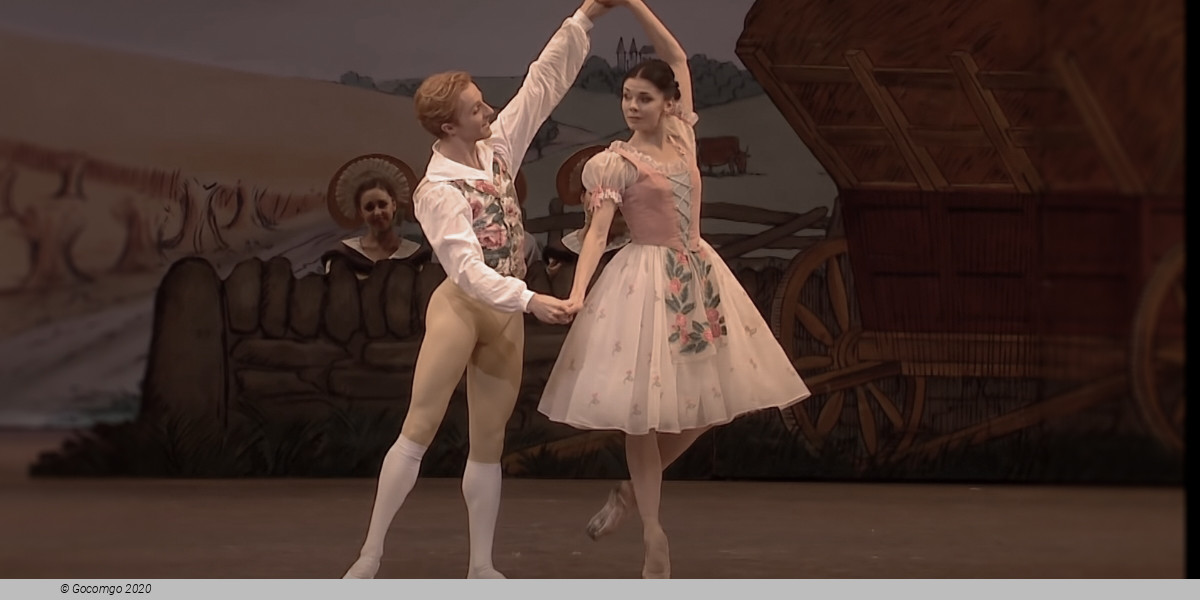
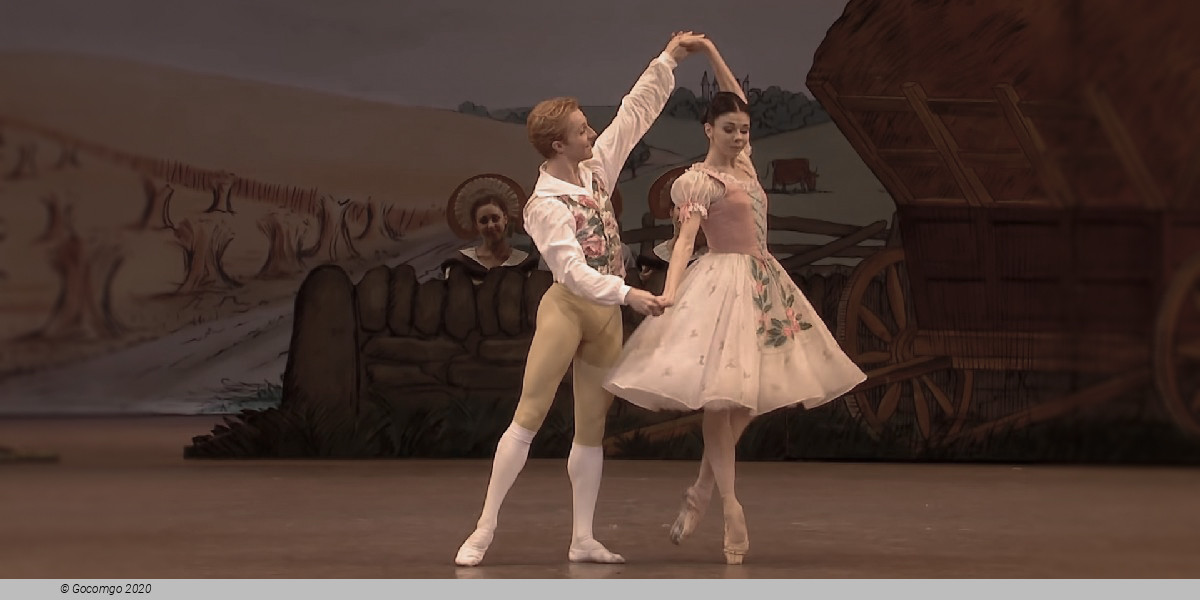
Lise and Colas are in love. But Lise’s mother Simone has already chosen a husband for her daughter: Alain, the oafish son of a rich wine grower. As Simone watches over her daughter day and night, the young couple have to think hard to find ways of meeting each other.

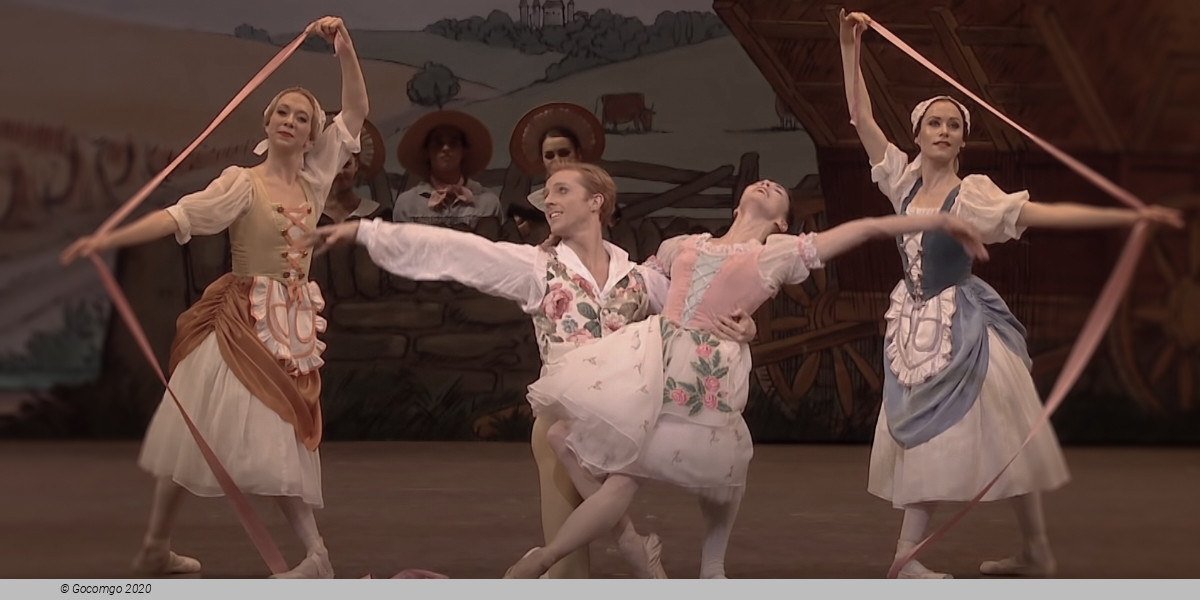
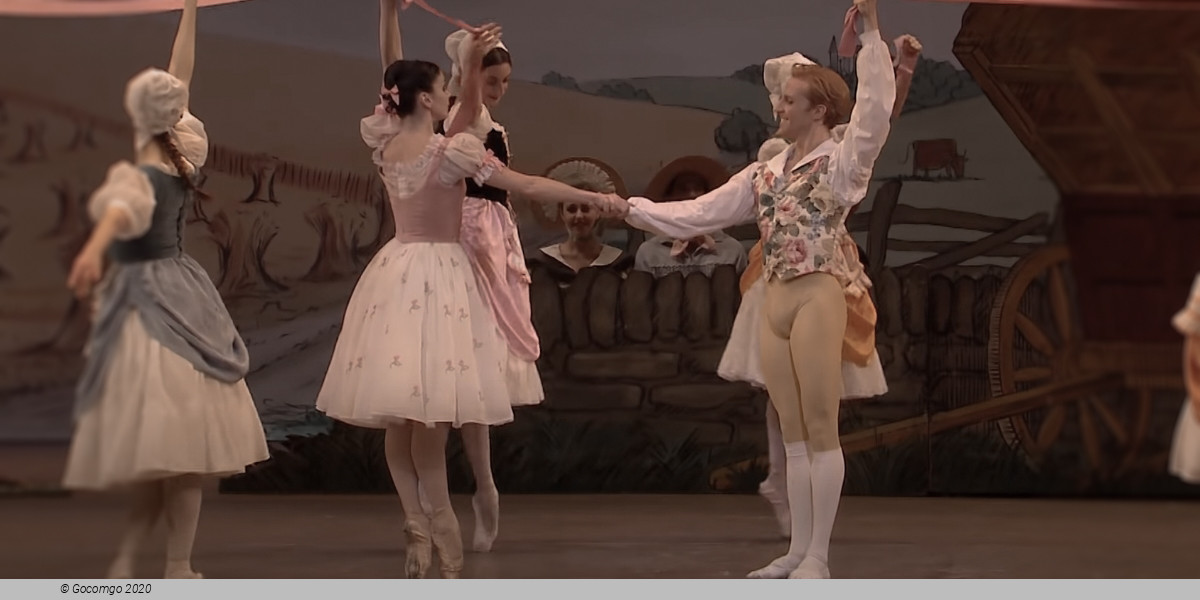
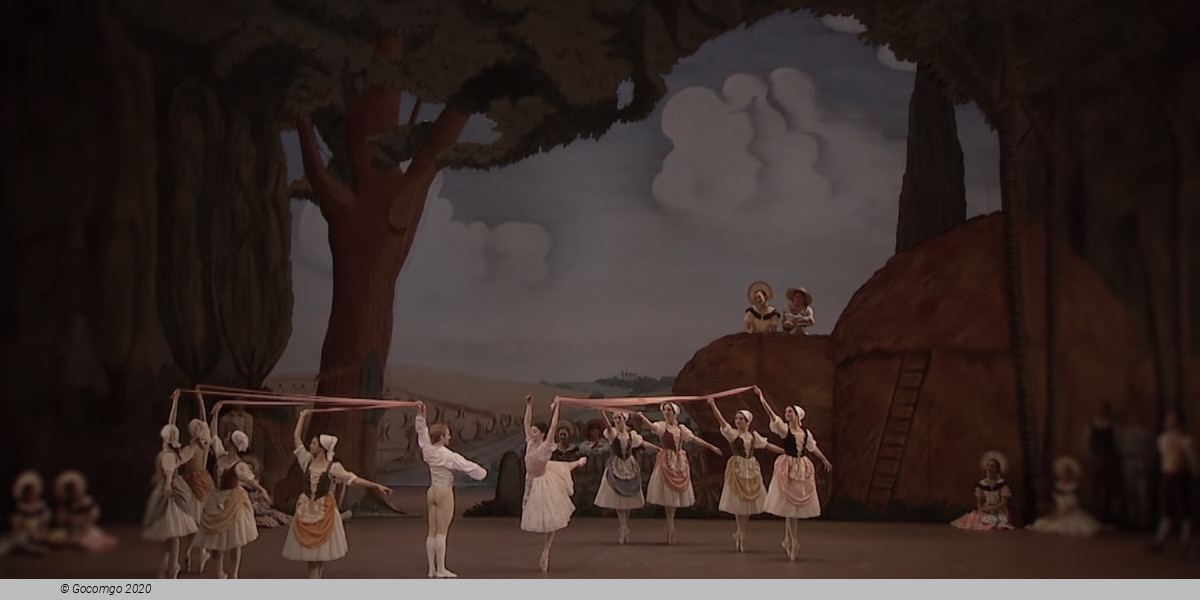
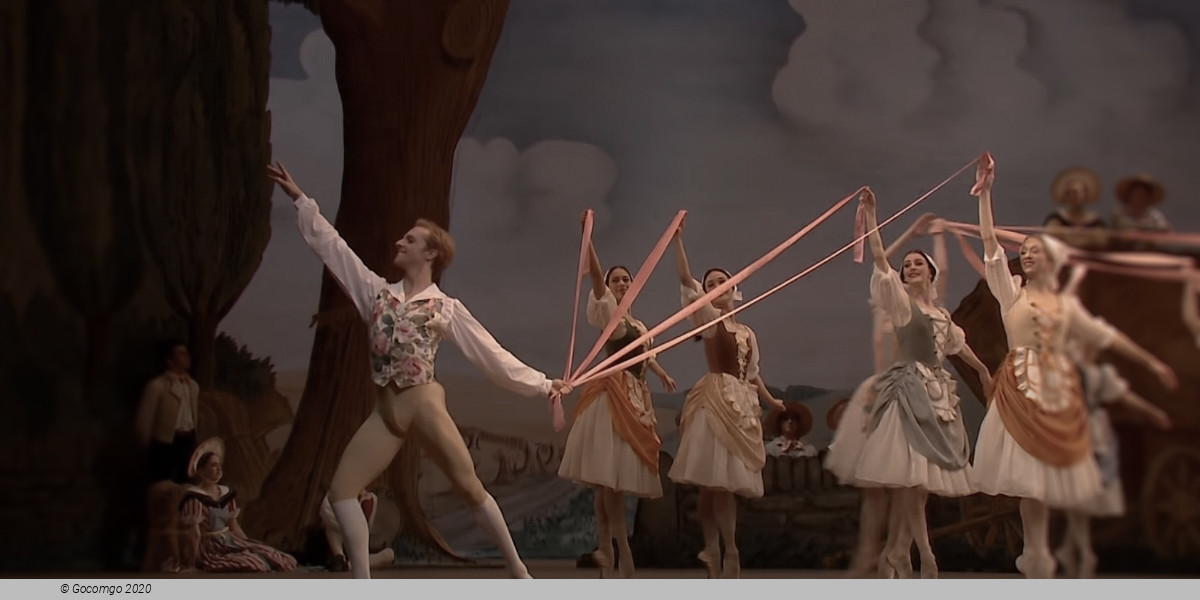
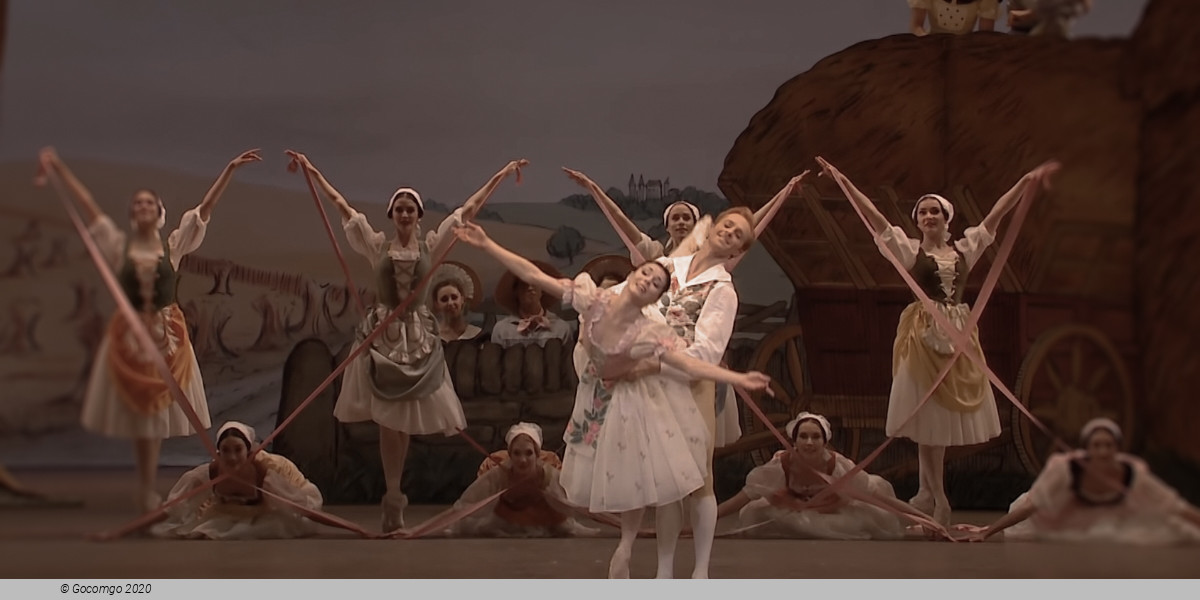
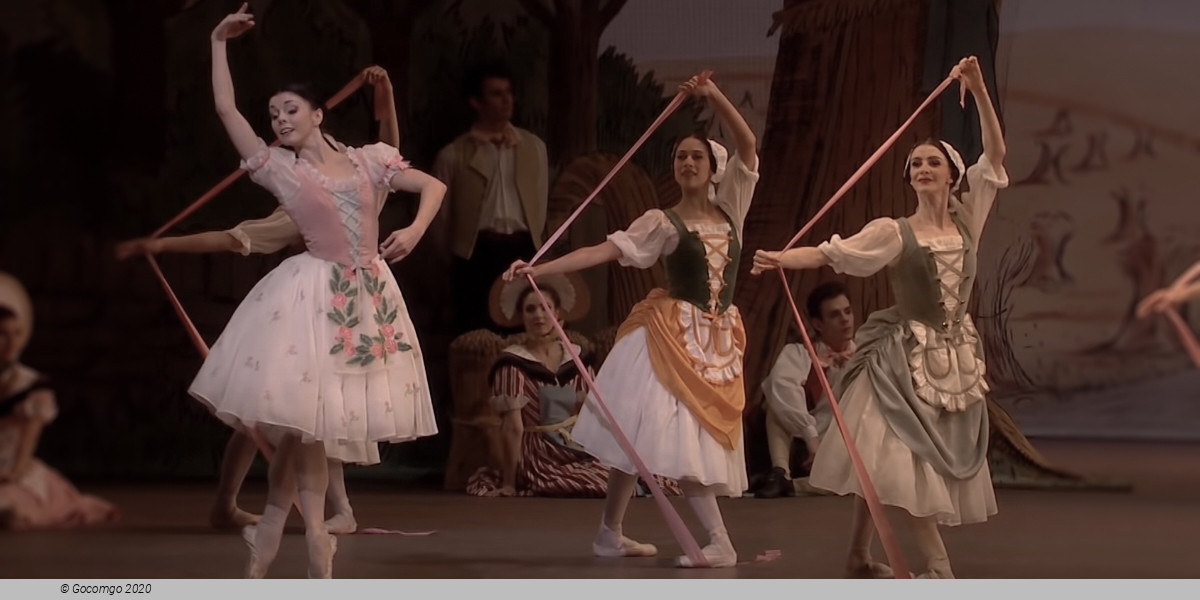
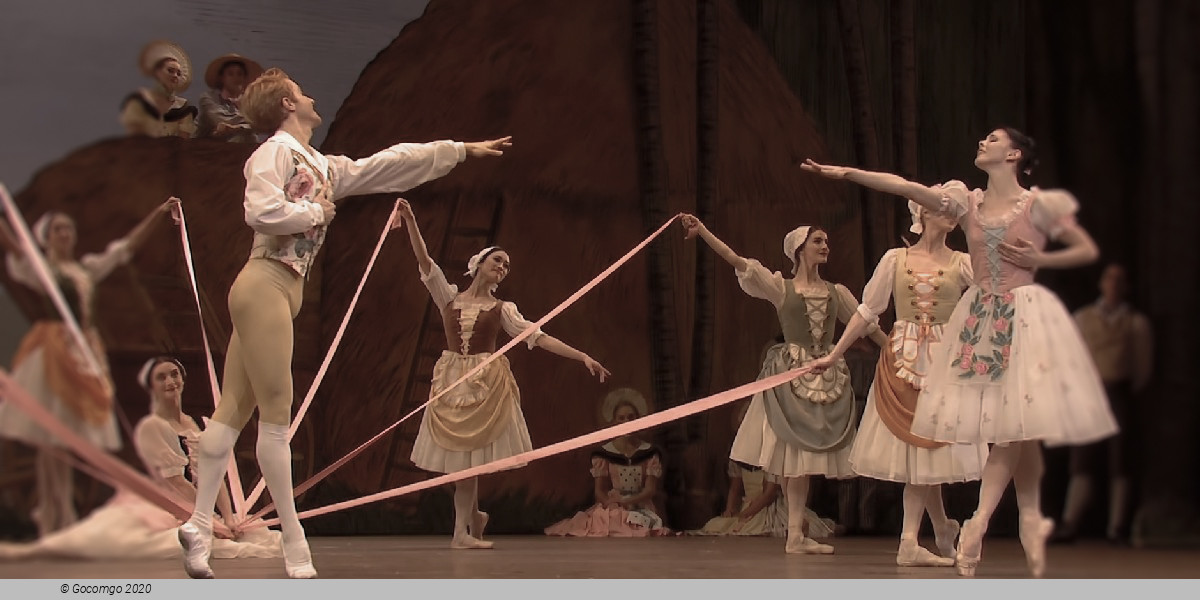
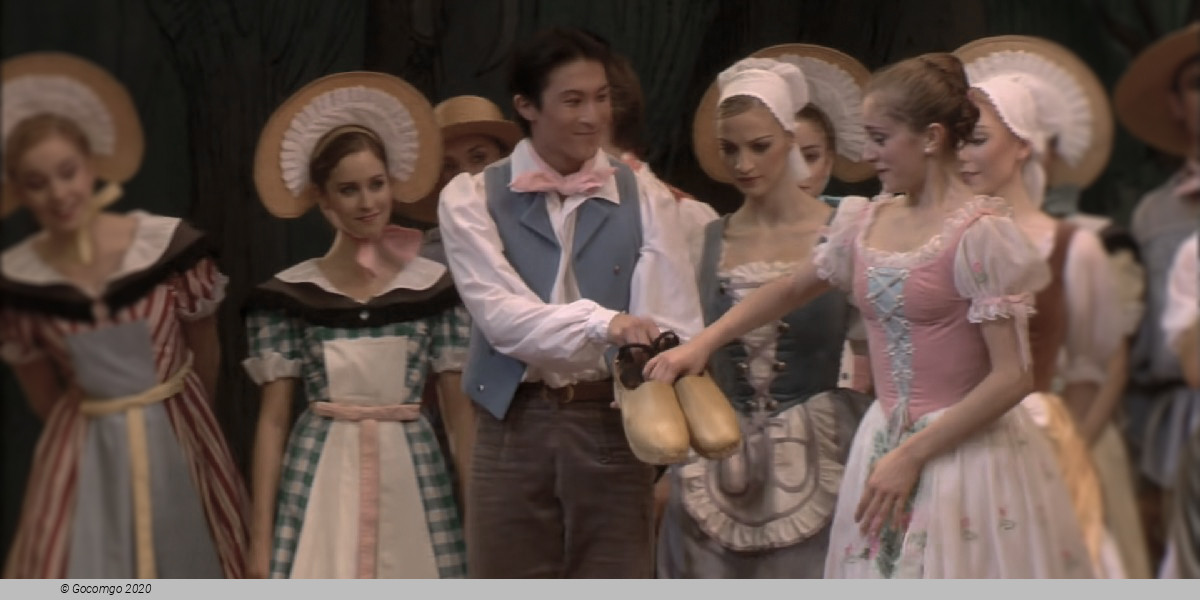
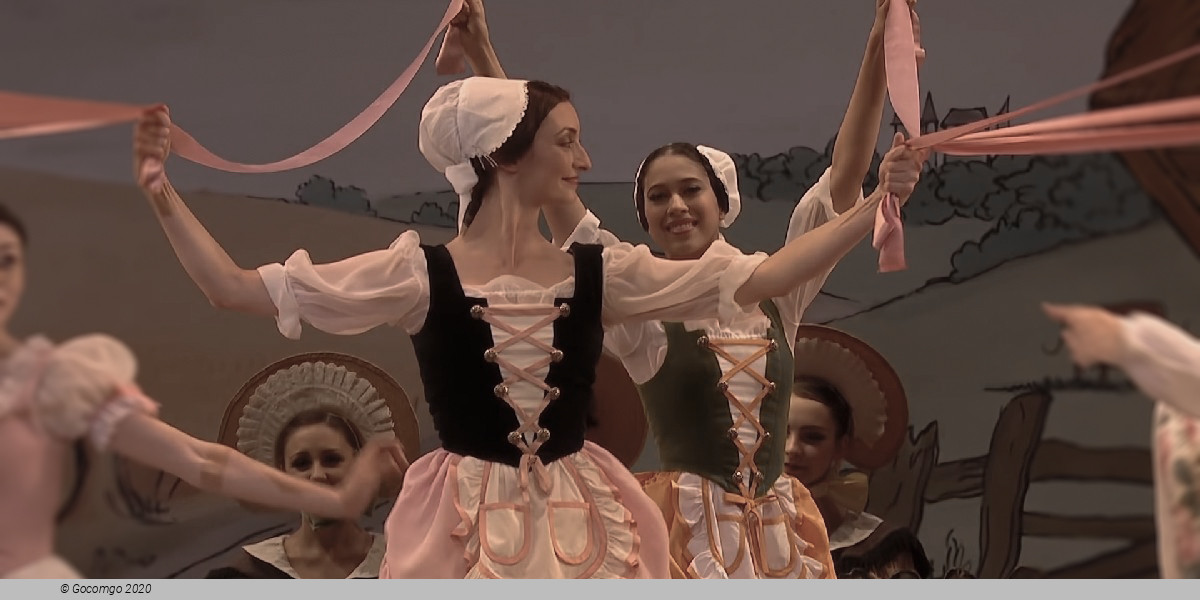
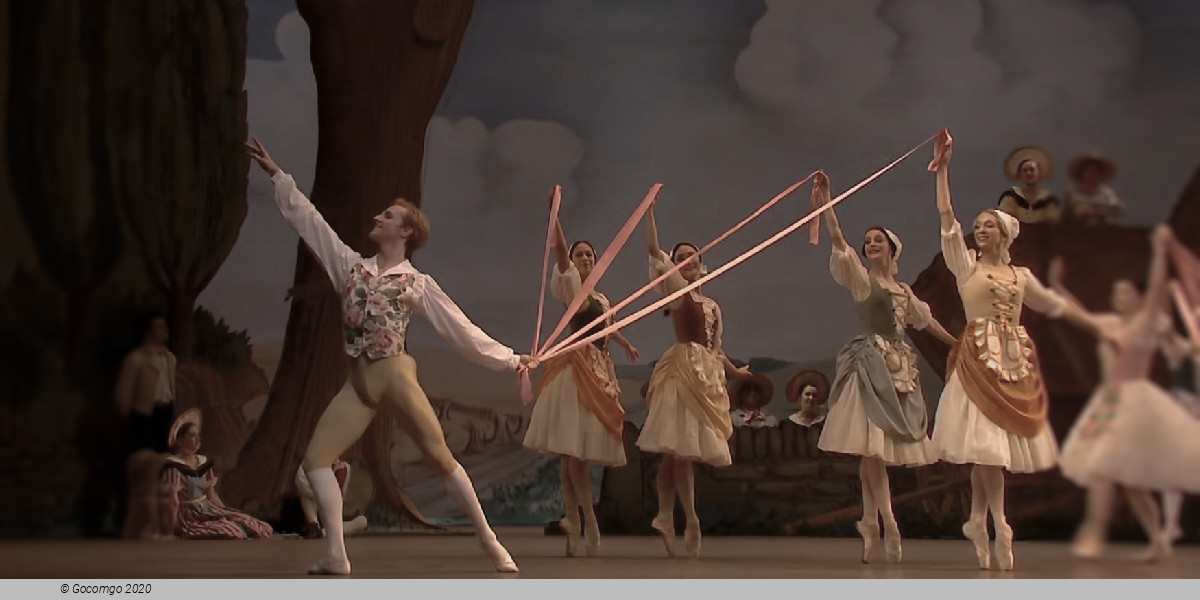
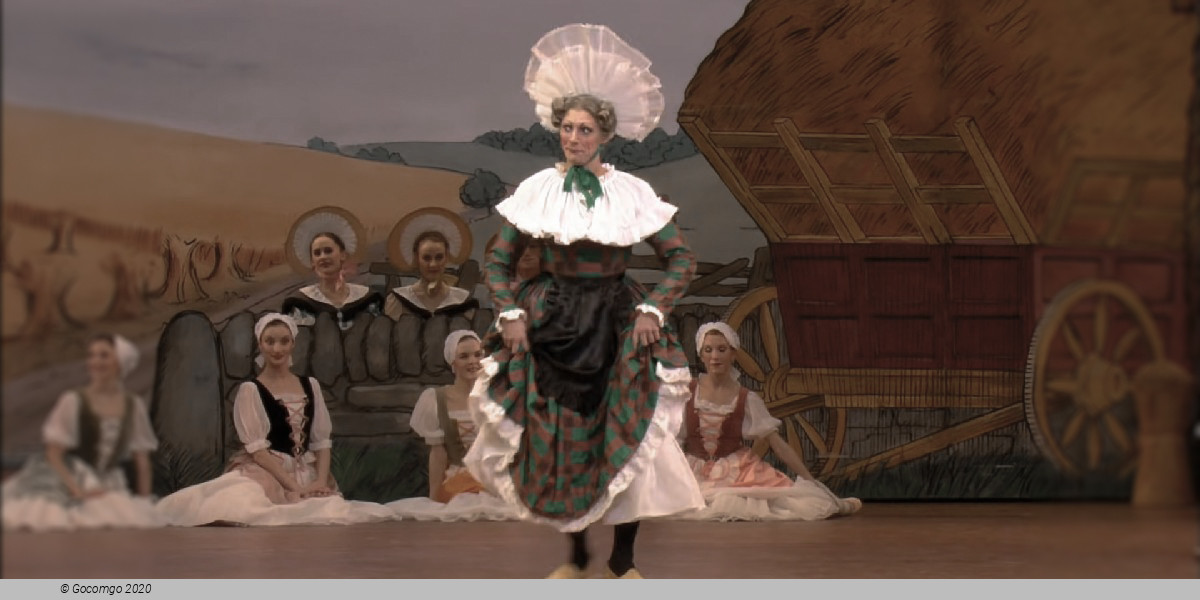
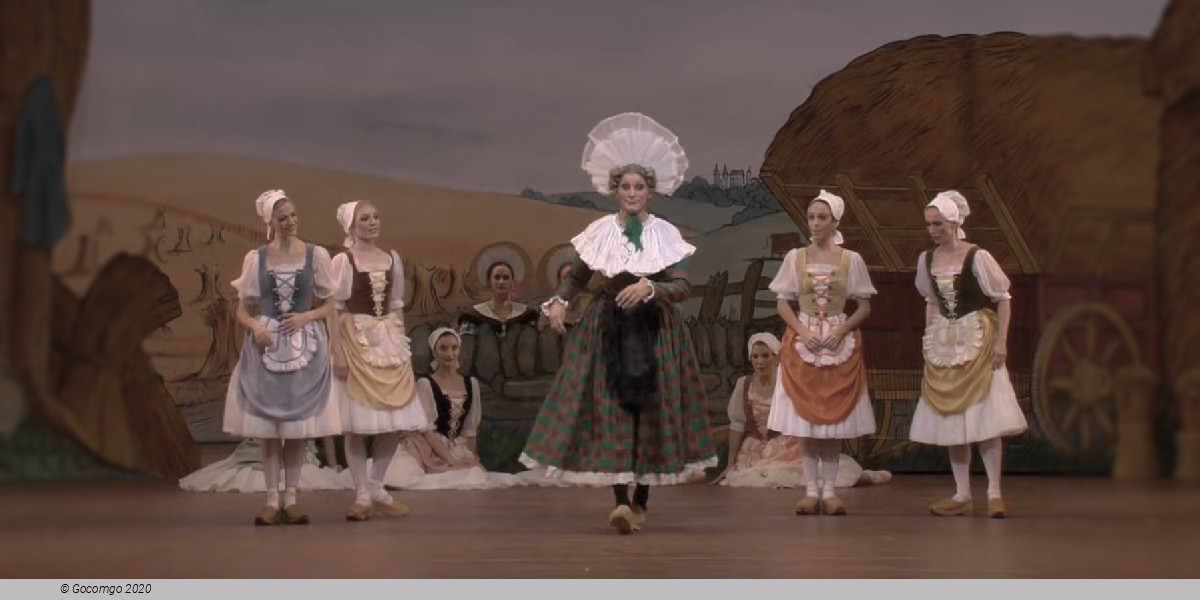
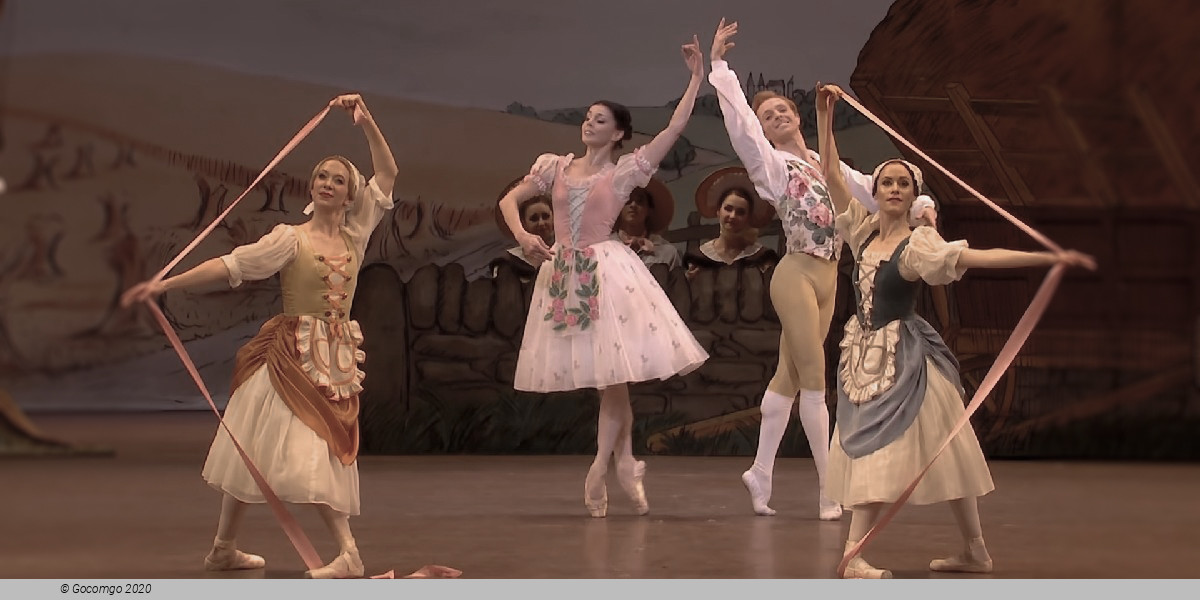
Frederick Ashton, with his 1960 ballet about the "poorly guarded girl", created a masterpiece in the style known as demi-caractère. Instead of an aristocratic dance world full of princes and princesses, he presents ordinary characters in a colourful narrative and visual style, combining elements of folk dance with the formal language of ballet: the highlights include artistic games with colourful ribbons as well as a clog dance and an extremely funny scene involving some hens and a cockerel.

The story is based on a pantomime ballet by Jean Dauberval, which was first performed to music by Franz Ignaz Beck on 1 July 1789 at the Grand Théâtre de Bordeaux under the title Le Ballet de la paille, ou il n’est qu’un pas du mal au bien. As the audience on the eve of the French Revolution was able to identify with the character of the defiant and insubordinate Lise, the piece rapidly spread to theatres around the world in a variety of new choreographic and musical versions and was soon also seen in Vienna, being first performed at the Royal and Imperial Court Theatre in 1794, choreographed by the Italian Salvatore Viganò.

Frederick Ashton’s version has been in the Vienna State Ballet’s repertoire since 1986. The music, which was composed by Ferdinand Hérold in 1828 for a new Paris version by Dauberval’s pupil Jean-Pierre Aumer, was especially re-arranged for Ashton by John Lanchbery. As well as several freshly composed scenes, the famous Fanny Elßler pas de deux for the two protagonists, to music from Gaetano Donizetti’s opera L’elisir d’amore, also found its way back into the score, having originally been added to the piece for the famous Viennese dancer Fanny Elßler when she made her debut as Lise in Paris.

The story is based on a pantomime ballet by Jean Dauberval, which was first performed to music by Franz Ignaz Beck on 1 July 1789 at the Grand Théâtre de Bordeaux under the title Le Ballet de la paille, ou il n’est qu’un pas du mal au bien. As the audience on the eve of the French Revolution was able to identify with the character of the defiant and insubordinate Lise, the piece rapidly spread to theatres around the world in a variety of new choreographic and musical versions and was soon also seen in Vienna, being first performed at the Royal and Imperial Court Theatre in 1794, choreographed by the Italian Salvatore Viganò.

Frederick Ashton’s version has been in the Vienna State Ballet’s repertoire since 1986. The music, which was composed by Ferdinand Hérold in 1828 for a new Paris version by Dauberval’s pupil Jean-Pierre Aumer, was especially re-arranged for Ashton by John Lanchbery. As well as several freshly composed scenes, the famous Fanny Elßler pas de deux for the two protagonists, to music from Gaetano Donizetti’s opera L’elisir d’amore, also found its way back into the score, having originally been added to the piece for the famous Viennese dancer Fanny Elßler when she made her debut as Lise in Paris.

In 1959, the choreographer Frederick Ashton began creating a completely new version of La Fille mal gardée for the Royal Ballet of London. This production premiered on 28 January 1960, with the ballerina Nadia Nerina as Lise, David Blair as Colas, Stanley Holden as the Widow Simone, and Alexander Grant as Alen. Since its inception Ashton's staging has become a celebrated classic of the ballet repertory.

Ashton created what is considered to be among his most masterful choreography for his new version of La Fille mal gardée. He resurrected the Pas de ruban for Lise and Colas, in which the lovers perform a charming pas with intricate tricks using a pink satin ribbon. Ashton took this idea to an entirely new level with the Fanny Elssler pas de deux, devising a spectacular Grand adage for Lise, Colas and eight women with eight ribbons. Ashton also included Petipa's original mimed sequence known as When I'm Married, a passage that was performed by all of the great ballerinas of old when they danced the role of Lise. He was taught this passage by Tamara Karsavina, former Ballerina of the St. Petersburg Imperial Theatres and the Original Ballet Russe. She had in turn learned it from her teacher Pavel Gerdt, once the Imperial Ballet's leading male dancer who partnered all of the great ballerinas of the late 19th century and early 20th century in the role of Lise, including Virginia Zucchi.

Ashton's 1960 version of La Fille mal gardée has been staged for many companies throughout the world and has become the more or less "traditional" version, replacing the productions derived from the Petipa/Ivanov/Gorsky versions danced in Russia to the music of Hertel. Among such companies are the Bolshoi Ballet (2002), and American Ballet Theatre (2004). In spite of this, the famous La Fille mal gardée pas de deux, which is taken from the Petipa/Ivanov/Gorsky versions of the ballet, is still performed with regularity as a gala excerpt, and is often used by various young dancer on the ballet competition circuit.

History
Premiere of this production: 01 July 1789, Grand Théâtre de Bordeaux in Bordeaux, France

La Fille mal gardée is one of the oldest and most important works in the modern ballet repertory, having been kept alive throughout its long performance history by way of many revivals. The work has undergone many changes of title and has had no fewer than six scores, some of which were adaptations of older music.

Synopsis

ACT I

Scene 1 – The Farmyard

The dawn of a busy day on the farm is heralded by the cock and his attendant hens. Lise, disappointed at not seeing Colas, leaves a ribbon tied in a lover’s knot, as a token of her devotion. He finds it and binds it to his staff. The lovers meet, but are interrupted by Simone, who sets her daughter a task churning butter. Colas, in hiding in the loft, joins her. The work is shared and then forgotten as they declare their love. The farm girls summon Lise to play, but her mind is elsewhere. Her suspicious and ever watchful mother catches hold of her and chastises her. Just then Thomas, the pompous and wealthy proprietor of a vineyard, arrives with his son Alain. Simone, aware of their mission, dismisses Lise and Thomas asks her hand for his son. When Lise returns, Alain coyly and clumsily shows off his paces. She is amused and a little shocked by his antics, but definitely not interested. They set off for the harvest.

Scene 2 – The Cornfield

It is harvest time, and after working in the fields the harvesters, led by Colas, relax in a joyful dance. Lise and Alain dance, but Colas intervenes, and the young girl makes it clear where her preference lies. One of the harvesters plays the flute to everybody’s general merriment and Alain thinks he will take a turn; but the harvesters mock him and he is rescued from their horseplay by his indignant father. The field is now left clear for the triumphant Colas, who dances with Lise. Simone joins in the merriment of the harvesters. Suddenly they are interrupted by a storm that drenches them, scattering them far and wide.

ACT II

Interior of the Farmhouse

Mother and daughter, soaked by the storm, return to the farmhouse. They sit down to spin; work, thinks the mother, should keep Lise out of mischief. But she is overcome by sleep and Lise, who has seen Colas through the gate, tries to take the key from her. Simone awakes and, in order to remain watchful, plays the tambourine for Lise to dance. But the taps grow feebler, she begins to nod, and now she is fast asleep. Colas opens the top part of the farmhouse door and leans towards Lise. She runs joyfully into his arms. The knocking of the harvesters, coming for their pay, awakens Simone. Simone tells her daughter to get on with her chores as she leaves to give the harvesters a drink. Lise, thinking she is alone, dreams of the delights of married life. Colas cannot resist, and comes out from hiding. She is bashful at having been taken by surprise, but once again they declare their love, exchanging scarves as a token.

As Simone reappears, Lise hustles Colas into her bedroom. The ever-suspicious mother realises that the lovers have been meeting, and in her turn hustles Lise into the bedroom, locking the door. Alain and his father now arrive with a notary to complete the contract. When it has been signed, Simone hands Alain the bedroom key. After a moment of idiotic indecision, he opens the door and to everyone’s dismay Colas and Lise emerge. The lovers fall on their knees to ask Simone for forgiveness and a blessing. In spite of Thomas and Alain, she finally gives in amidst general rejoicing.

Lise and Colas are in love and want to marry. However, the Widow Simone wants Lise to marry the dimwitted, but extremely rich, Alain, and has arranged (with Alain's father Thomas) for a marriage contract between Lise and Alain. The Widow Simone does her best to keep Lise and Colas apart, but is unsuccessful in her attempts to do so.

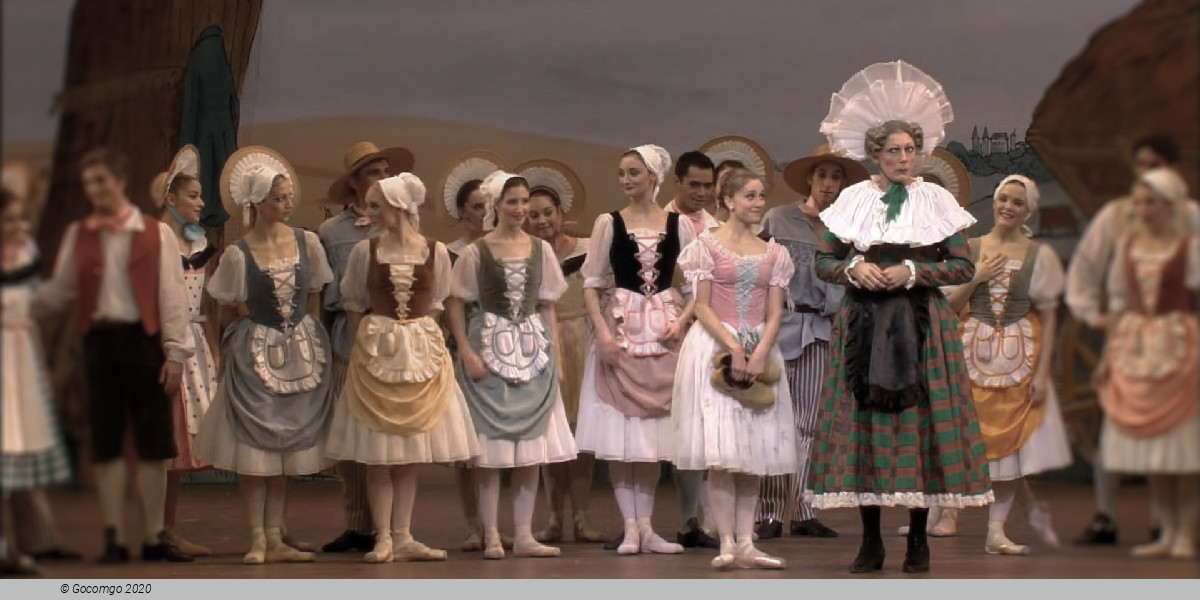
At harvest time the Widow Simone and Lise are taken to the field for a picnic lunch by Thomas and Alain. The farm workers join in a ribbon dance around a maypole, and the girls also join in a clog dance with the Widow Simone. There is a thunderstorm and everyone rushes for shelter. Alain is carried away on the wind by his open umbrella.

The Widow Simone and Lise return to their home. The widow wants Lise to sit down at the spinning wheel and spin, but Lise spins while she is up dancing, nearly strangling the widow. After a while, the widow wants Lise to dance, and Lise shows signs of unhappiness, but obliges. The widow takes a tambourine to play in time with Lise's dancing. When the widow is asleep, Lise tries to steal the key from the widow's pocket, to prevent the widow from locking her in, but is unsuccessful. The crops are brought in by the farm workers, and the widow then leaves the house (after locking the door behind her to prevent Lise from leaving the house). Lise thinks about Colas and mimes being the mother of a large number of children. To her embarrassment, Colas suddenly rises from the stacked crops. At the sound of the Widow Simone's returning to the house, Lise and Colas look around desperately for a place where he can hide. Not finding anywhere suitable in the living room, Lise takes Colas to her room, and she returns to the living room just before Widow Simone enters the house. The Widow Simone orders Lise to go to her room and put on her wedding dress for her forthcoming marriage to Alain. The horrified Lise tries to remain where she is, but the Widow Simone pushes Lise into her room and locks the door.

Thomas arrives with his son Alain (who is still clutching his umbrella). They are accompanied by a notary who is to act as witness to the marriage. The farm workers (friends of both Lise and Colas) also arrive. The Widow Simone gives Alain the key to Lise's room. When Alain unlocks the door to Lise's room, Lise appears in her wedding dress, accompanied by Colas. Thomas and Alain take offence, and the enraged Thomas tears up the marriage contract. Thomas, Alain and the notary leave the house in dudgeon. Lise and Colas then beg the Widow Simone to look favourably upon their suit. Love conquers all and the widow relents. Joyfully celebrating the happy outcome for Lise and Colas, everyone leaves, and the house is left quiet and empty, until Alain returns for his umbrella which he had accidentally left behind. So Alain is also happy with the love of his life – his umbrella.

Venue Info

Vienna State Opera - Vienna
Location   Opernring 2

The Vienna State Opera is one of the leading opera houses in the world. Its past is steeped in tradition. Its present is alive with richly varied performances and events. Each season, the schedule features 350 performances of more than 60 different operas and ballets. The members of the Vienna Philharmonic are recruited from the Vienna State Opera's orchestra. The building is also the home of the Vienna State Ballet, and it hosts the annual Vienna Opera Ball during the carnival season.

The 1,709-seat Renaissance Revival venue was the first major building on the Vienna Ring Road. It was built from 1861 to 1869 following plans by August Sicard von Sicardsburg and Eduard van der Nüll, and designs by Josef Hlávka. The opera house was inaugurated as the "Vienna Court Opera" (Wiener Hofoper) in the presence of Emperor Franz Joseph I and Empress Elisabeth of Austria. It became known by its current name after the establishment of the First Austrian Republic in 1921. The Vienna State Opera is the successor of the Vienna Court Opera, the original construction site chosen and paid for by Emperor Franz Joseph in 1861.

The opera house was the first major building on the Vienna Ringstrasse commissioned by the Viennese "city expansion fund". Work commenced on the house in 1861 and was completed in 1869, following plans drawn up by architects August Sicard von Sicardsburg and Eduard van der Nüll. It was built in the Neo-Renaissance style by the renowned Czech architect and contractor Josef Hlávka.

Gustav Mahler was one of the many conductors who have worked in Vienna. During his tenure (1897–1907), Mahler cultivated a new generation of singers, such as Anna Bahr-Mildenburg and Selma Kurz, and recruited a stage designer who replaced the lavish historical stage decors with sparse stage scenery corresponding to modernistic, Jugendstil tastes. Mahler also introduced the practice of dimming the lighting in the theatre during performances, which was initially not appreciated by the audience. However, Mahler's reforms were maintained by his successors.

Herbert von Karajan introduced the practice of performing operas exclusively in their original language instead of being translated into German. He also strengthened the ensemble and regular principal singers and introduced the policy of predominantly engaging guest singers. He began a collaboration with La Scala in Milan, in which both productions and orchestrations were shared. This created an opening for the prominent members of the Viennese ensemble to appear in Milan, especially to perform works by Wolfgang Amadeus Mozart and Richard Strauss.

Ballet companies merge

At the beginning of the 2005–2006 season, the ballet companies of the Staatsoper and the Vienna Volksoper were merged under the direction of Gyula Harangozó.

From the 2010–2011 season a new company was formed called Wiener Staatsballet, Vienna State Ballet, under the direction of former Paris Opera Ballet principal dancer Manuel Legris. Legris eliminated Harangozós's policy of presenting nothing but traditional narrative ballets with guest artists in the leading roles, concentrated on establishing a strong in-house ensemble and restored evenings of mixed bill programs, featuring works of George Balanchine, Jerome Robbins, Jiří Kylián, William Forsythe, and many contemporary choreographers, as well as a reduced schedule of the classic ballets.

Opera ball

For many decades, the opera house has been the venue of the Vienna Opera Ball. It is an internationally renowned event, which takes place annually on the last Thursday in Fasching. Those in attendance often include visitors from around the world, especially prominent names in business and politics. The opera ball receives media coverage from a range of outlets.

Important Info
Type: Ballet
City: Vienna, Austria
Starts at: 19:30
Acts: 2
Intervals: 1
Top of page