
Vienna State Opera 28 December 2022 - La fille du régiment | GoComGo.com

La fille du régiment

Vienna State Opera, Main Stage, Vienna, Austria
All photos (12)
Select date and time
7 PM

E-tickets: Print at home or at the box office of the event if so specified. You will find more information in your booking confirmation email.

You can only select the category, and not the exact seats.
If you order 2 or 3 tickets: your seats will be next to each other.
If you order 4 or more tickets: your seats will be next to each other, or, if this is not possible, we will provide a combination of groups of seats (at least in pairs, for example 2+2 or 2+3).

Important Info
Type: Opera
City: Vienna, Austria
Starts at: 19:00
Acts: 2
Intervals: 1
Duration: 2h 45min

E-tickets: Print at home or at the box office of the event if so specified. You will find more information in your booking confirmation email.

You can only select the category, and not the exact seats.
If you order 2 or 3 tickets: your seats will be next to each other.
If you order 4 or more tickets: your seats will be next to each other, or, if this is not possible, we will provide a combination of groups of seats (at least in pairs, for example 2+2 or 2+3).

Overview

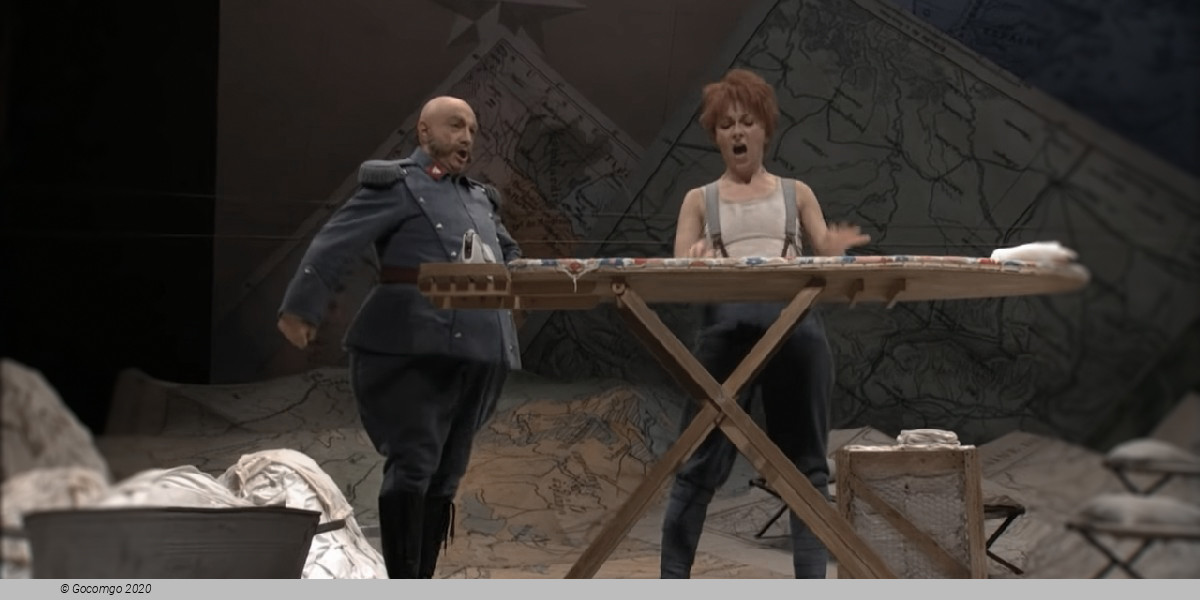
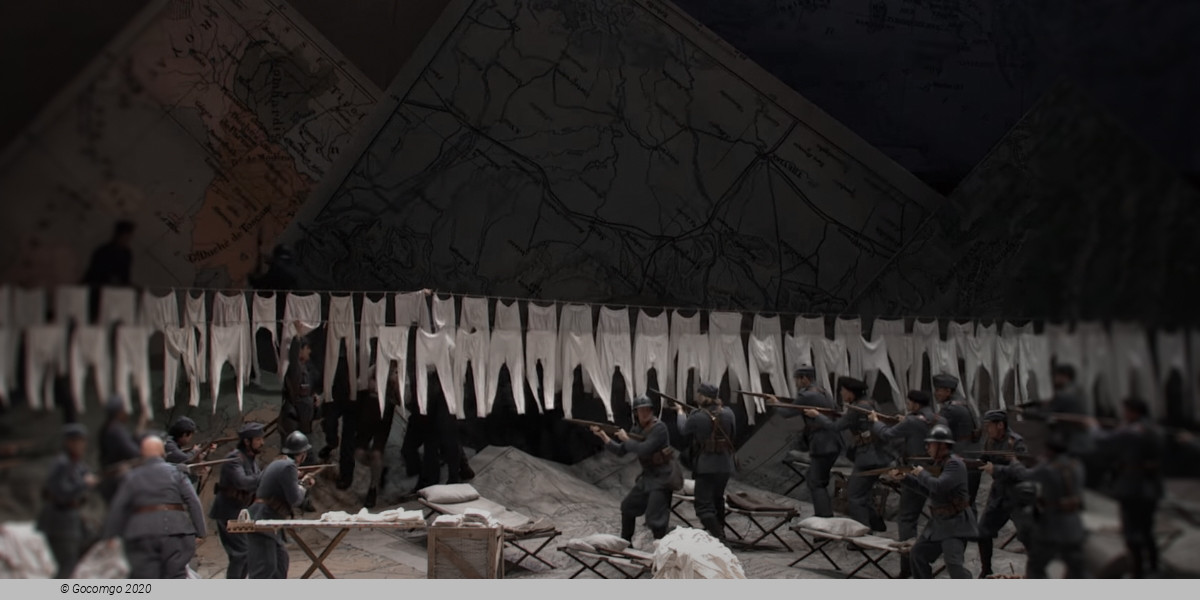
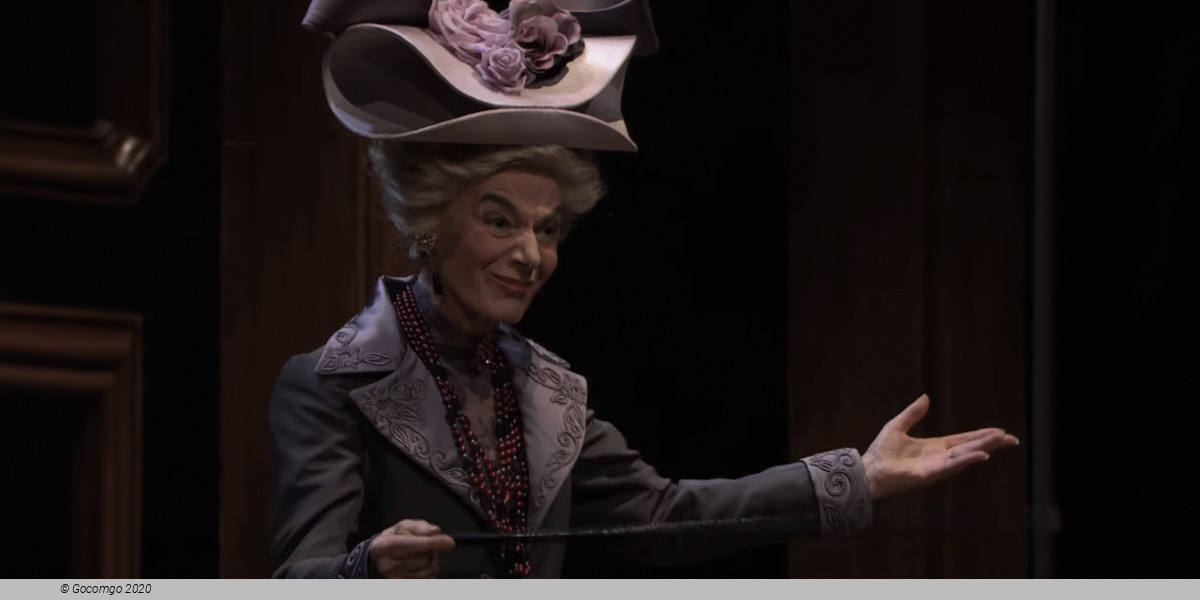
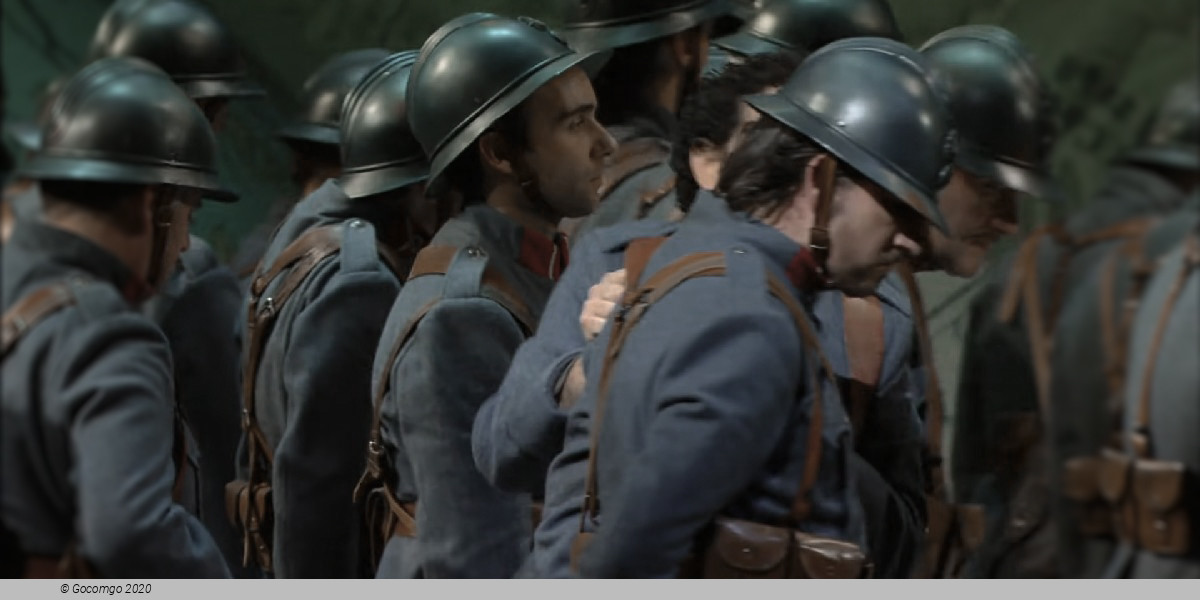
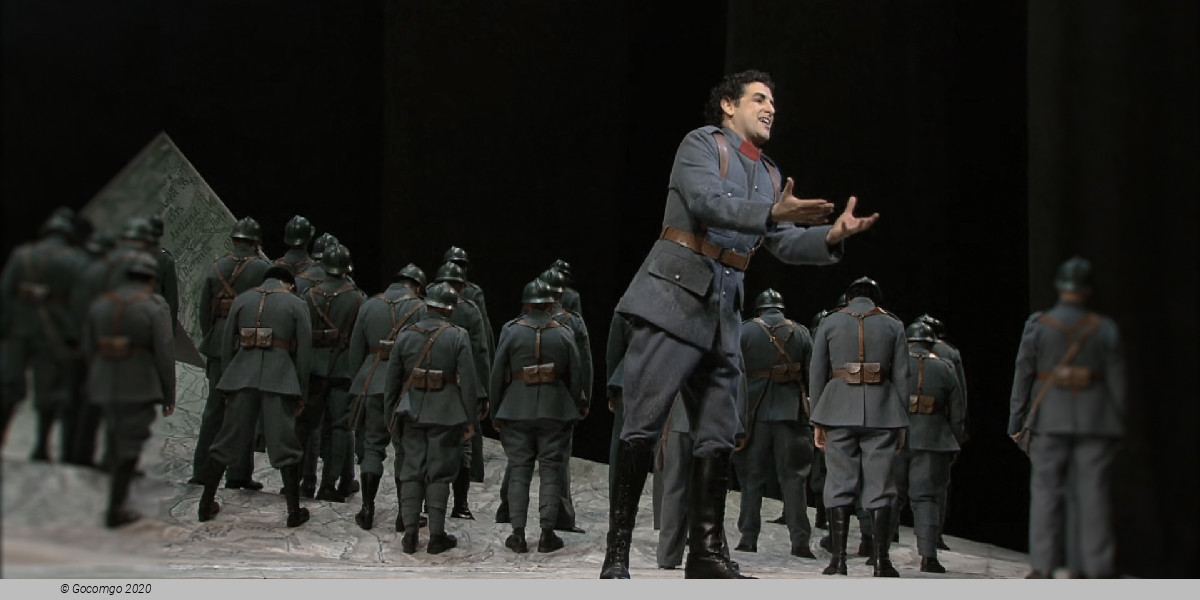
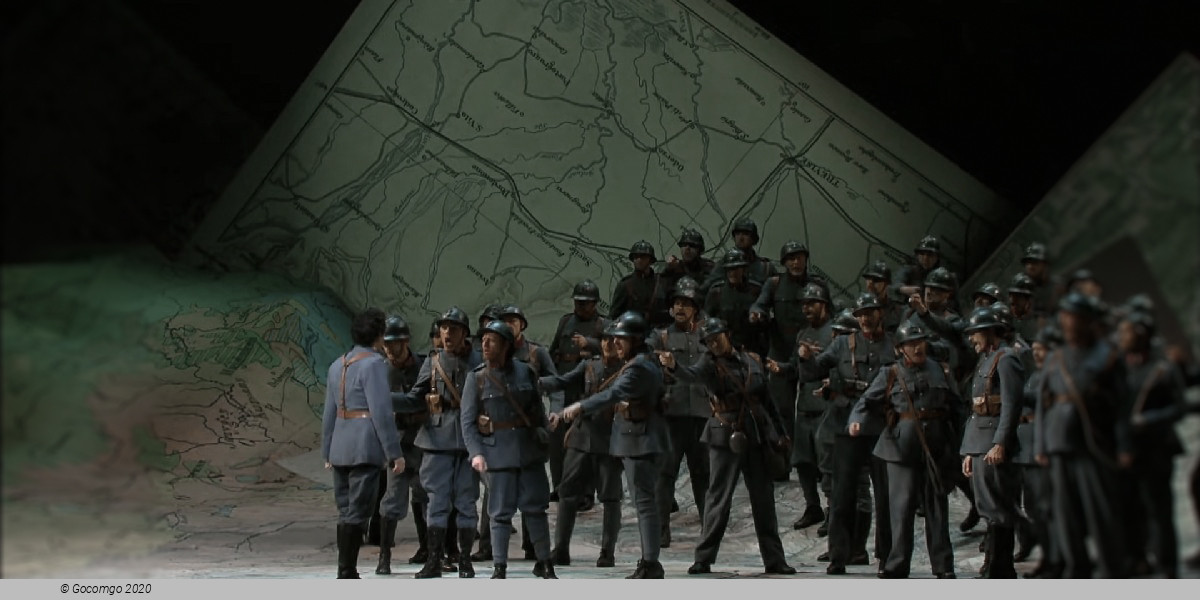
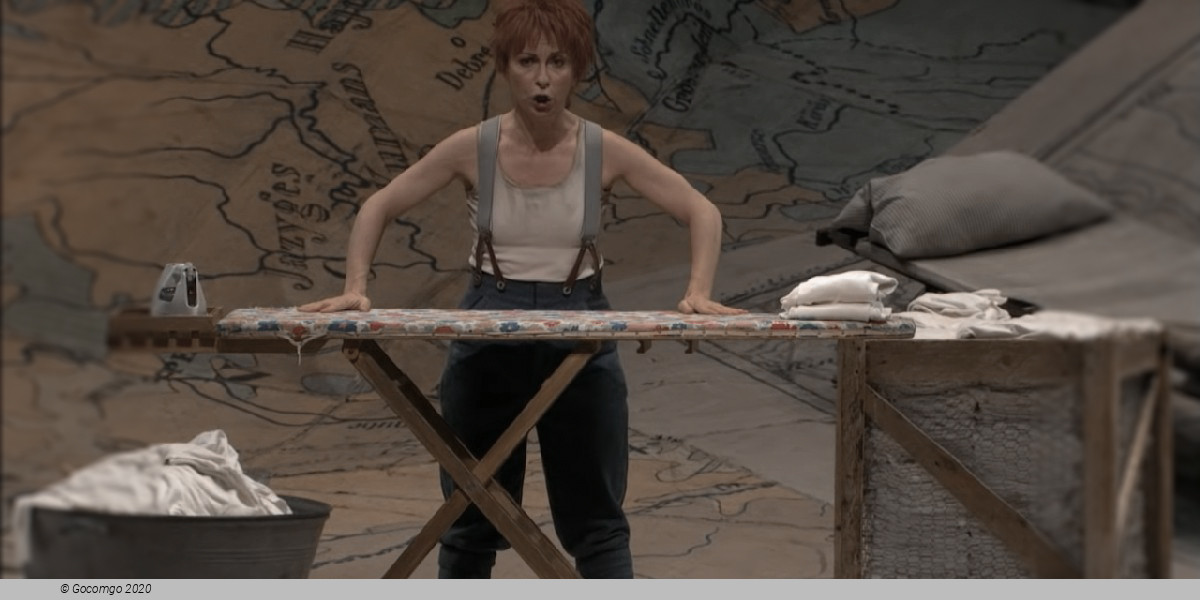
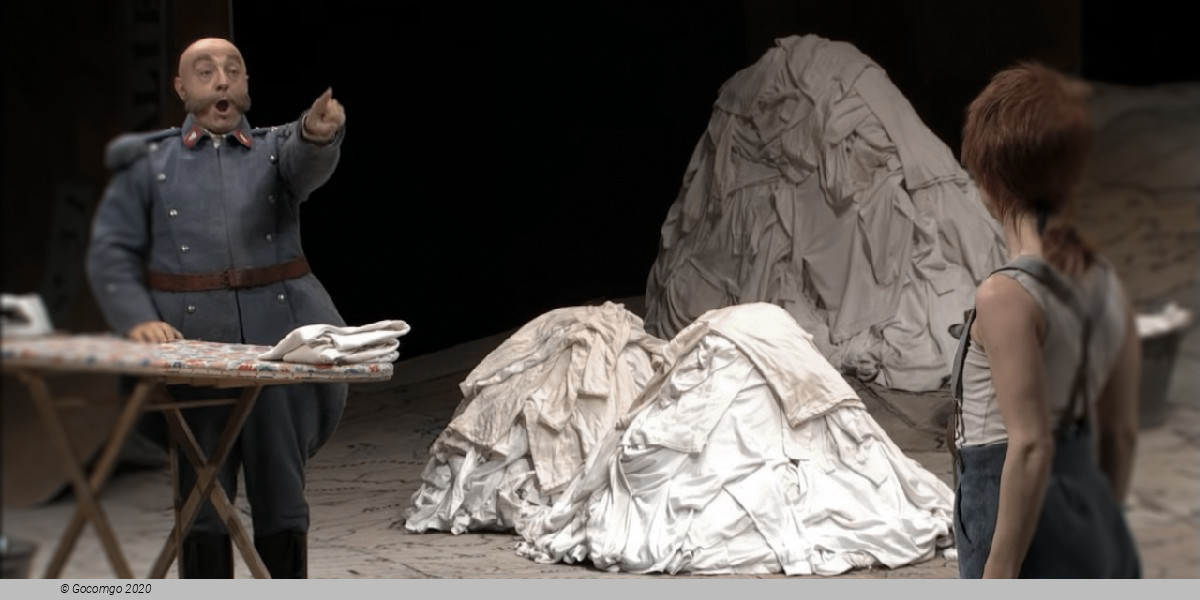
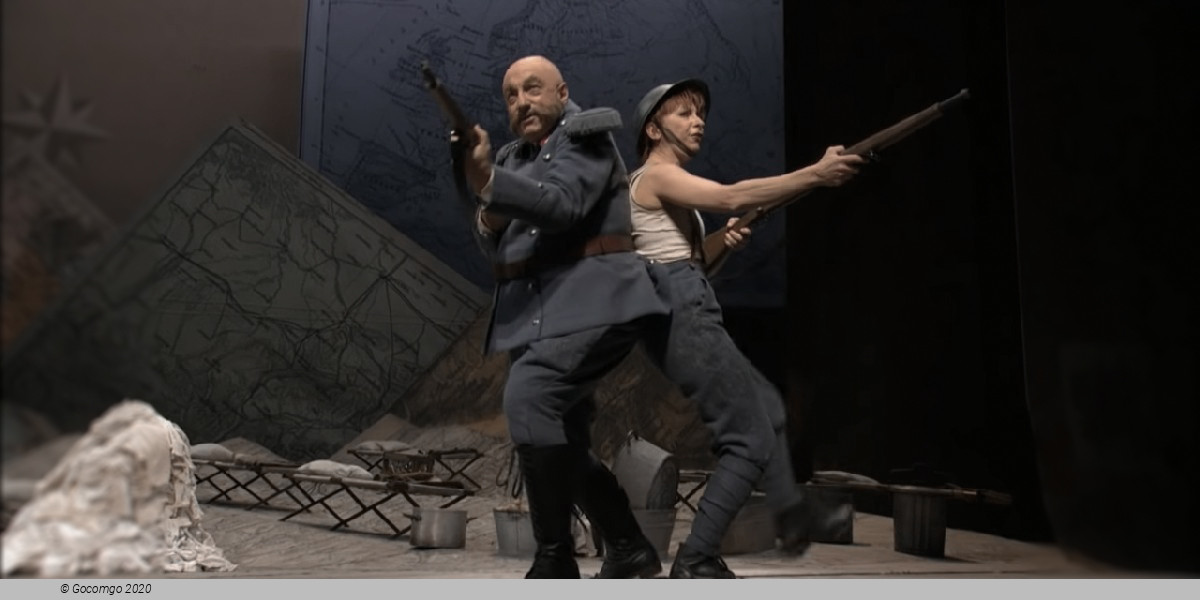
Like many of his contemporaries, Gaetano Donizetti also tried to make it in Paris, the world capital of music at the time – and did so successfully. His very first comedy, which was performed at the Opéra-Comique in 1840, quickly became one of the most sought-after pieces in the international repertoire: in addition to numerous "hits", the extremely demanding tenor aria requiring eight high Cs (some performers even add an additional ninth) has enjoyed popularity lasting to this very day. In Laurent Pelly’s timeless and elegantly humorous production seen here, the comic speaking role of the Duchess of Crakentorp is of particular importance.

A co-production with Royal Opera House Covent Garden and The Metropolitan Opera.

History
Premiere of this production: 11 February 1840, Salle de la Bourse, Paris

La fille du régiment (The Daughter of the Regiment) is an opéra comique in two acts by Gaetano Donizetti, set to a French libretto by Jules-Henri Vernoy de Saint-Georges and Jean-François Bayard. La fille du régiment quickly became a popular success partly because of the famous aria "Ah! mes amis, quel jour de fête!", which requires of the tenor no fewer than eight high Cs – a frequently sung ninth is not written. La figlia del reggimento, a slightly different Italian-language version (in translation by Calisto Bassi), was adapted to the tastes of the Italian public.

Synopsis

Act 1

War is raging in the Tyrols and the Marquise of Berkenfield, who is traveling in the area, is alarmed to the point of needing smelling salts to be administered by her faithful steward, Hortensius. While a chorus of villagers express their fear, the Marquise does the same: Pour une femme de mon nom / "For a lady of my family, what a time, alas, is war-time". As the French can be seen to be moving away, all express their relief. Suddenly, and provoking the fear of the remaining women who scatter, Sergeant Sulpice of the Twenty-First Regiment of the French army arrives and assures everyone that the regiment will restore order.

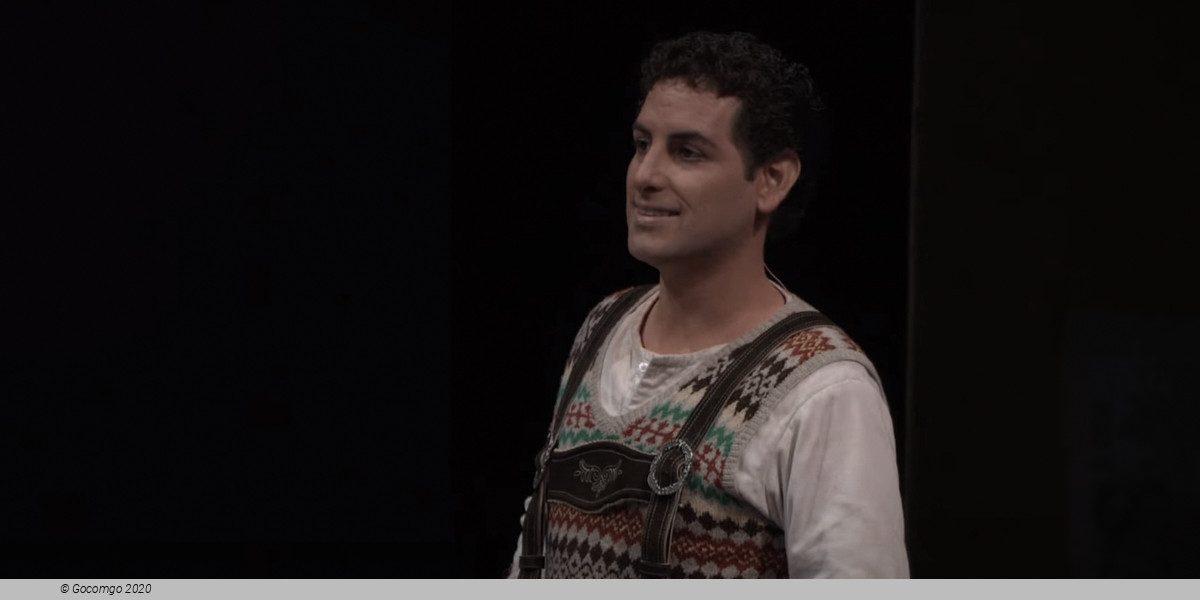
Marie, the vivandière (canteen girl) of the Regiment, enters, and Sulpice is happy to see her: (duet: Sulpice and Marie: Mais, qui vient? Tiens, Marie, notre fille / "But who is this? Well, well, if it isn't our daughter Marie"). Then, as he questions her about a young man she has been seen with, she identifies him as Tonio, a Tyrolean. At that moment, Tonio is brought in as a prisoner, because he has been seen prowling around the camp. Marie saves him from the soldiers, who demand that he must die, by explaining that he had saved her life when she nearly fell while mountain-climbing. All toast Tonio, who pledges allegiance to France, and Marie is encouraged to sing the regimental song: (aria: Chacun le sait, chacun le dit / "Everyone knows it, everyone says it"). Sulpice leads the soldiers off, taking Tonio with them, but he runs back to join her. She quickly tells him that he must gain the approval of her "fathers": the soldiers of the Regiment, who found her on the battlefield as an abandoned baby, and adopted her. He proclaims his love for her (aria, then love duet with Marie: Depuis l'instant où, dans mes bras / "Ever since that moment when you fell and / I caught you, all trembling in my arms..."), and then the couple express their love for each other.

At that point, Sulpice returns, surprising the young couple, who leave. The Marquise arrives with Hortensius, initially afraid of the soldier, but is calmed by him. The Marquise explains that they are trying to return to her castle and asks for an escort. When hearing the name Berkenfield, Sulpice immediately recognizes it from a letter found with Marie as an infant. It is discovered that Marie is actually the Marquise's long-lost niece. Marie returns and is surprised to be introduced to her aunt. The Marquise commands that Marie accompany her and that she will be taught to be a proper lady. Marie bids farewell to her beloved regiment just as Tonio enters announcing that he has enlisted in their ranks: (aria: Ah! mes amis, quel jour de fête / "Ah, my friends, what an exciting day"). When he proclaims his love for Marie, the soldiers are horrified, but agree to his pleading for her hand. However, they tell him that she is about to leave with her aunt: (Marie, aria: Il faut partir / "I must leave you!"). In a choral finale in which all join, she leaves with the Marquise and Tonio is enraged.

Act 2

Marie has been living in the Marquise's castle for several months. In a conversation with Sulpice, the Marquise describes how she has sought to modify most of Marie's military manners and make her into a lady of fashion, suitable to be married to her nephew, the Duke of Crakenthorp. Although reluctant, Marie has agreed and Sulpice is asked to encourage her. Marie enters and is asked to play the piano, but appears to prefer more martial music when encouraged by Sulpice and sings the regimental song. The Marquise sits down at the piano and attempts to work through the piece with Marie who becomes more and more distracted and, along with Sulpice, takes up the regimental song.

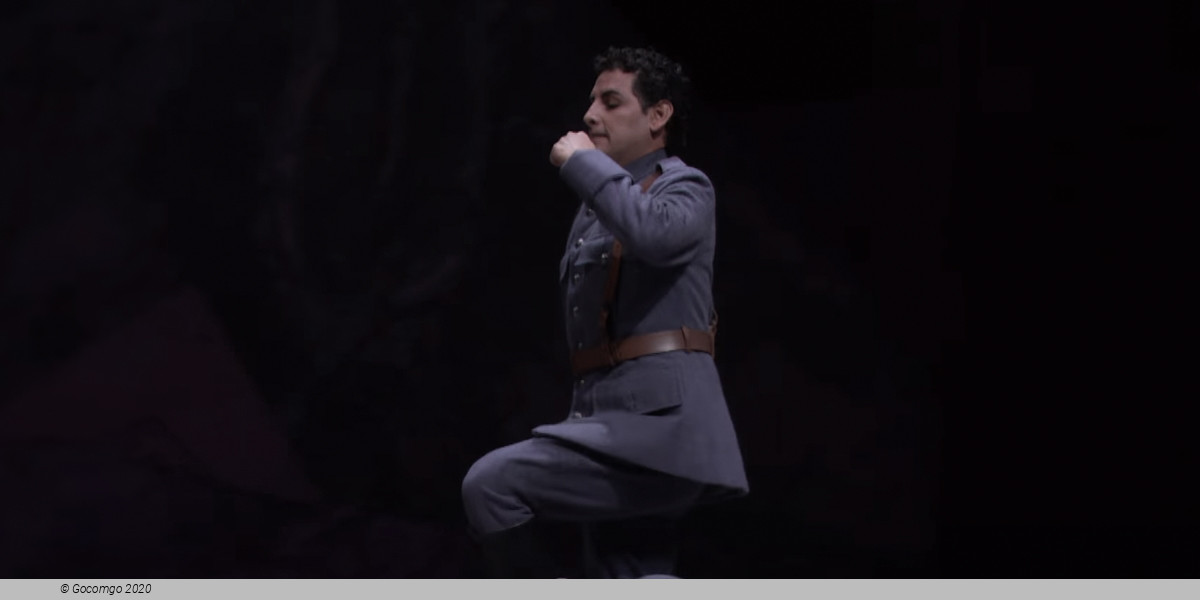
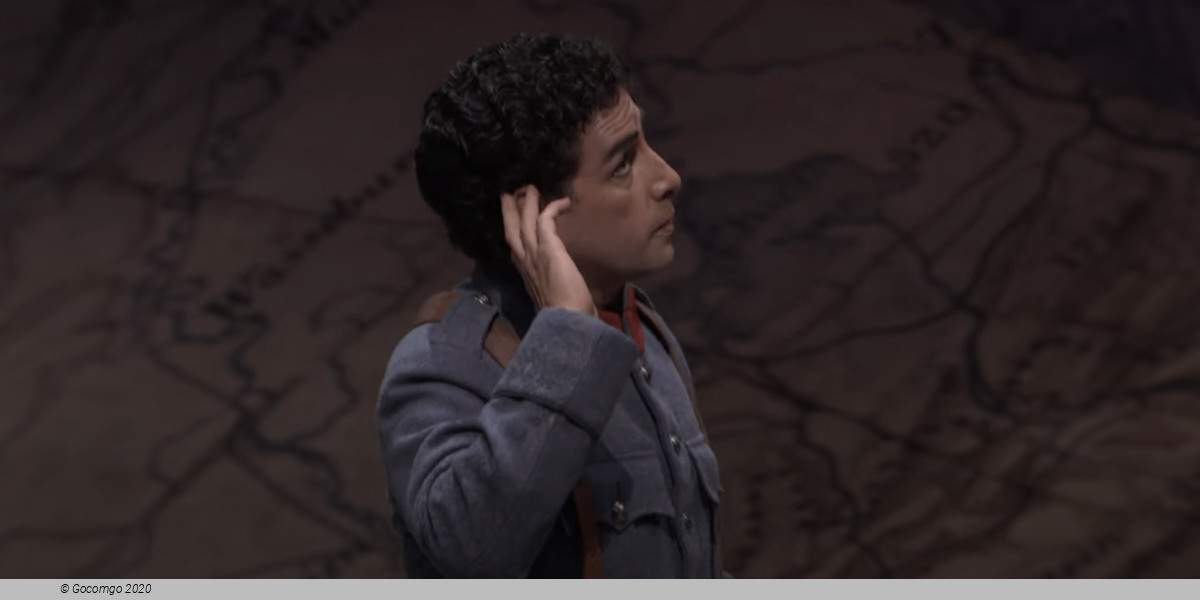
Marie is left alone: (aria: Par le rang et par l'opulence / "They have tried in vain to dazzle me"). As she is almost reconciled to her fate, she hears martial music and is joyously happy (cabaletta: Oh! transport! oh! douce ivresse / "Oh bliss! oh ectasy!"), and the Regiment arrives. With it is Tonio, now an officer. The soldiers express their joy at seeing Marie, and Marie, Tonio and Sulpice are joyfully reunited (trio, Marie, Sulpice, Tonio: Tous les trois réunis / "We three are reunited"). Tonio mentions he has just learned a secret, via his uncle the burgermeister, that he cannot reveal.

The Marquise enters, horrified to see soldiers. Tonio asks for Marie's hand, explaining that he risked his life for her (aria, Tonio: Pour me rapprocher de Marie, je m'enrôlai, pauvre soldat / "In order to woo Marie, I enlisted in the ranks"), but she dismisses him scornfully. Tonio reveals that he knows that the Marquise never had a niece. She orders him to leave and Marie to return to her chambers; after they leave, the Marquise confesses the truth to Sulpice: Marie is her own illegitimate daughter. In the circumstances, Sulpice promises that Marie will agree to her mother's wishes.

The Duchess of Crakenthorp, her son the groom-to-be, and the wedding entourage arrive at the Marquise's castle. Marie enters with Sulpice, who has given her the news that the Marquise is her mother. Marie embraces her and decides she must obey. But at the last minute the soldiers of the Regiment storm in (chorus: soldiers, then Tonio: Au secours de notre fille / "Our daughter needs our help") and reveal that Marie was a canteen girl. The wedding guests are offended by that fact, but are then impressed when Marie sings of her debt to the soldiers (aria, Marie: Quand le destin, au milieu de la guerre / "When fate, in the confusion of war, threw me, a baby, into their arms"). The Marquise is deeply moved, admits she is Marie's mother, and gives her consent to Marie and Tonio, amid universal rejoicing (final chorus: Salut à la France! / "Hurrah for France! For happy times!").

Venue Info

Vienna State Opera - Vienna
Location   Opernring 2

The Vienna State Opera is one of the leading opera houses in the world. Its past is steeped in tradition. Its present is alive with richly varied performances and events. Each season, the schedule features 350 performances of more than 60 different operas and ballets. The members of the Vienna Philharmonic are recruited from the Vienna State Opera's orchestra. The building is also the home of the Vienna State Ballet, and it hosts the annual Vienna Opera Ball during the carnival season.

The 1,709-seat Renaissance Revival venue was the first major building on the Vienna Ring Road. It was built from 1861 to 1869 following plans by August Sicard von Sicardsburg and Eduard van der Nüll, and designs by Josef Hlávka. The opera house was inaugurated as the "Vienna Court Opera" (Wiener Hofoper) in the presence of Emperor Franz Joseph I and Empress Elisabeth of Austria. It became known by its current name after the establishment of the First Austrian Republic in 1921. The Vienna State Opera is the successor of the Vienna Court Opera, the original construction site chosen and paid for by Emperor Franz Joseph in 1861.

The opera house was the first major building on the Vienna Ringstrasse commissioned by the Viennese "city expansion fund". Work commenced on the house in 1861 and was completed in 1869, following plans drawn up by architects August Sicard von Sicardsburg and Eduard van der Nüll. It was built in the Neo-Renaissance style by the renowned Czech architect and contractor Josef Hlávka.

Gustav Mahler was one of the many conductors who have worked in Vienna. During his tenure (1897–1907), Mahler cultivated a new generation of singers, such as Anna Bahr-Mildenburg and Selma Kurz, and recruited a stage designer who replaced the lavish historical stage decors with sparse stage scenery corresponding to modernistic, Jugendstil tastes. Mahler also introduced the practice of dimming the lighting in the theatre during performances, which was initially not appreciated by the audience. However, Mahler's reforms were maintained by his successors.

Herbert von Karajan introduced the practice of performing operas exclusively in their original language instead of being translated into German. He also strengthened the ensemble and regular principal singers and introduced the policy of predominantly engaging guest singers. He began a collaboration with La Scala in Milan, in which both productions and orchestrations were shared. This created an opening for the prominent members of the Viennese ensemble to appear in Milan, especially to perform works by Wolfgang Amadeus Mozart and Richard Strauss.

Ballet companies merge

At the beginning of the 2005–2006 season, the ballet companies of the Staatsoper and the Vienna Volksoper were merged under the direction of Gyula Harangozó.

From the 2010–2011 season a new company was formed called Wiener Staatsballet, Vienna State Ballet, under the direction of former Paris Opera Ballet principal dancer Manuel Legris. Legris eliminated Harangozós's policy of presenting nothing but traditional narrative ballets with guest artists in the leading roles, concentrated on establishing a strong in-house ensemble and restored evenings of mixed bill programs, featuring works of George Balanchine, Jerome Robbins, Jiří Kylián, William Forsythe, and many contemporary choreographers, as well as a reduced schedule of the classic ballets.

Opera ball

For many decades, the opera house has been the venue of the Vienna Opera Ball. It is an internationally renowned event, which takes place annually on the last Thursday in Fasching. Those in attendance often include visitors from around the world, especially prominent names in business and politics. The opera ball receives media coverage from a range of outlets.

Important Info
Type: Opera
City: Vienna, Austria
Starts at: 19:00
Acts: 2
Intervals: 1
Duration: 2h 45min
Top of page