
Vienna State Opera 14 October 2023 - Die Frau ohne Schatten | GoComGo.com

Die Frau ohne Schatten

Vienna State Opera, Main Stage, Vienna, Austria
All photos (12)
Select date and time
6 PM

E-tickets: Print at home or at the box office of the event if so specified. You will find more information in your booking confirmation email.

You can only select the category, and not the exact seats.
If you order 2 or 3 tickets: your seats will be next to each other.
If you order 4 or more tickets: your seats will be next to each other, or, if this is not possible, we will provide a combination of groups of seats (at least in pairs, for example 2+2 or 2+3).

Important Info
Type: Opera
City: Vienna, Austria
Starts at: 18:00
Acts: 3
Intervals: 2
Duration: 4h 30min

E-tickets: Print at home or at the box office of the event if so specified. You will find more information in your booking confirmation email.

You can only select the category, and not the exact seats.
If you order 2 or 3 tickets: your seats will be next to each other.
If you order 4 or more tickets: your seats will be next to each other, or, if this is not possible, we will provide a combination of groups of seats (at least in pairs, for example 2+2 or 2+3).

Overview

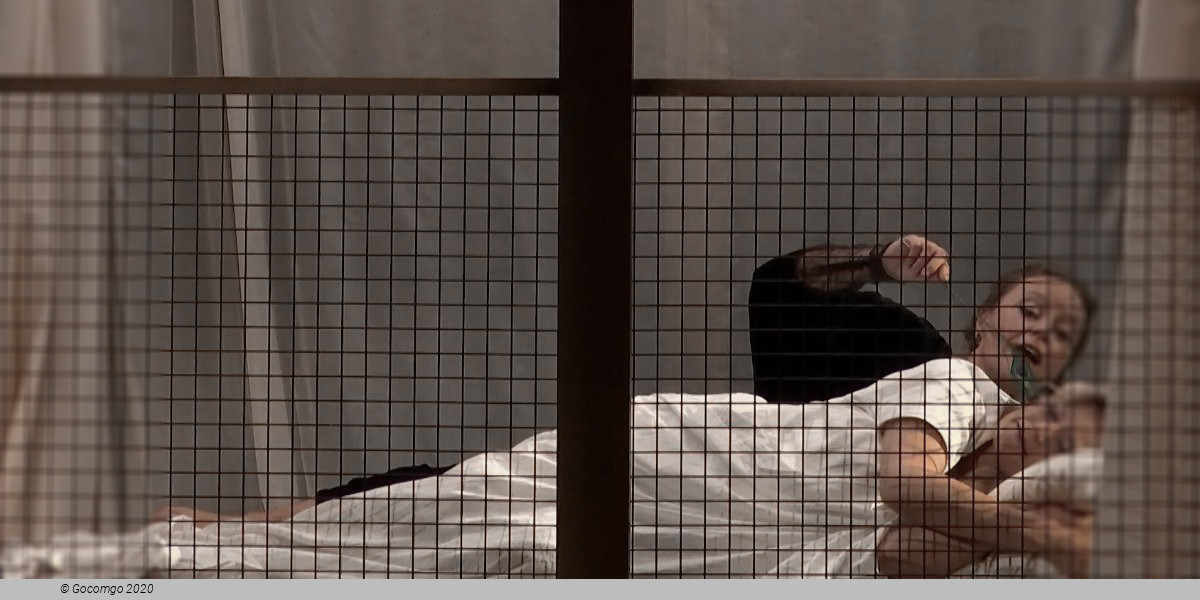
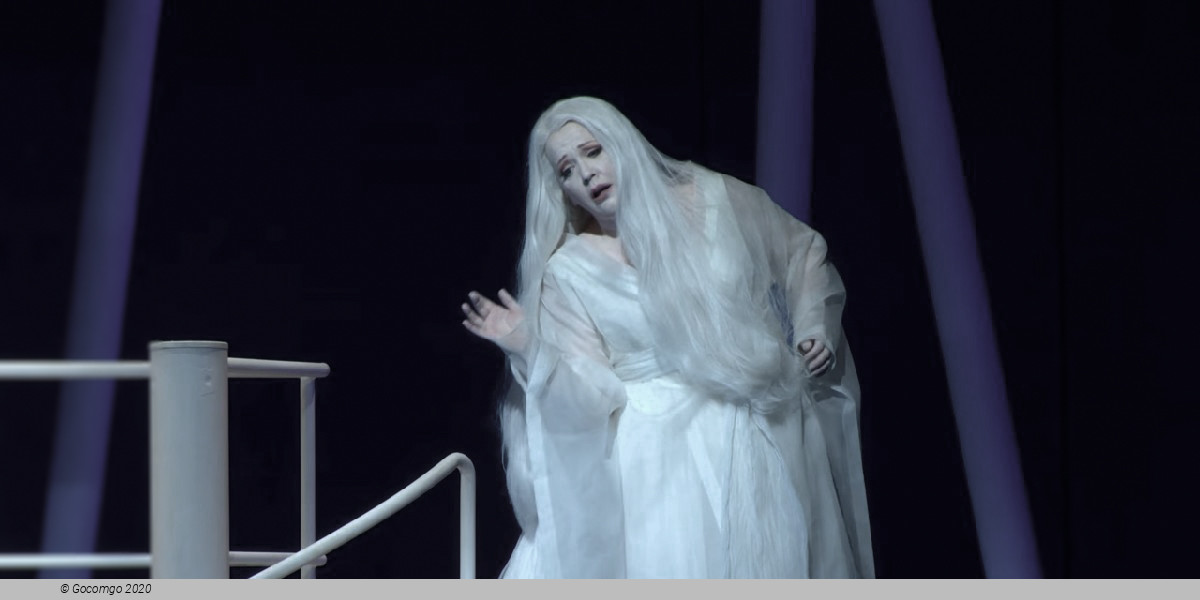
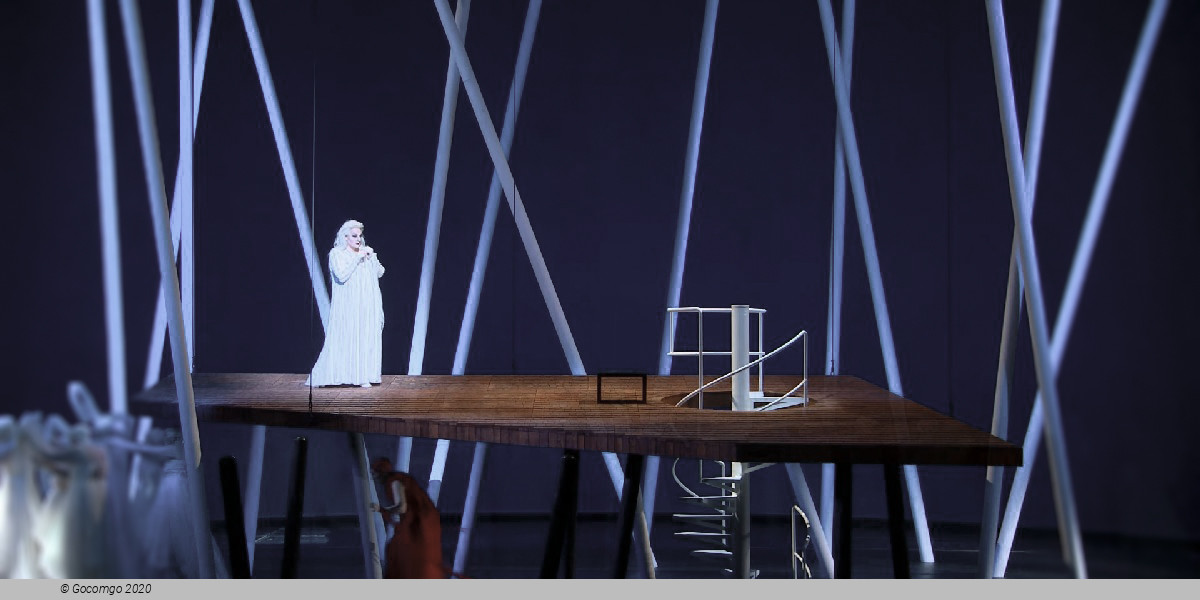
While out hunting, the Emperor shoots a gazelle. She is transformed into a young woman; he falls in love with her and marries her. She is the daughter of the Spirit King Keikobad. However, she must cast a shadow within twelve months or the Emperor will turn to stone and the Empress will have to return to her father. Finally, there are just three days left.

Not all that many important masterpieces have had their world première at the opera house on the Ring. Richard Strauss and Hugo von Hofmannsthal’s Die Frau ohne Schatten, is one of the few exceptions in this regard. On 10 October 1919 the opera that Strauss regarded as his “last romantic opera” first saw the light of day at the Wiener Staatsoper; since then, it has been a fixture on international schedules. While they were still working on the piece, the composer said enthusiastically of the libretto: “Unbelievably noble, superb, mature and interesting, with magnificent dramatic, moral problems, marvellous scenic events.” In terms of the music and musical drama, Strauss took up some of Wagner’s ideas and expanded them with his own. Mozart’s The Magic Flute was the inspiration for the fairy-tale ambience and the tests which the heroes must undergo.

History
Premiere of this production: 10 October 1919, Vienna State Opera

Die Frau ohne Schatten (The Woman without a Shadow) is an opera in three acts by Richard Strauss with a libretto by his long-time collaborator, the poet Hugo von Hofmannsthal. It was written between 1911 and either 1915 or 1917. When it premiered in Vienna on 10 October 1919, critics and audiences were unenthusiastic. Many cited problems with Hofmannsthal's complicated and heavily symbolic libretto. However, it is now a standard part of the operatic repertoire.

Synopsis

The opera's story is set in the mythical empire of the Southeastern Islands and involves five principal characters: the Emperor (tenor), the Empress (soprano), her Nurse (mezzo-soprano), Barak, a lowly dyer (bass-baritone), and the Dyer's Wife (dramatic soprano). A sixth character, Keikobad, King of the Spirit Realm and father to the Empress, sets the plot in motion, but never appears on stage. The Empress is half human: she was captured by the Emperor in the form of a gazelle. She assumed human shape and he married her, but she has no shadow. This symbolizes her inability to bear children. Keikobad has decreed that unless the Empress gains a shadow before the end of the twelfth moon, she will be reclaimed by her father and the Emperor will turn to stone.

Act 1

Scene 1

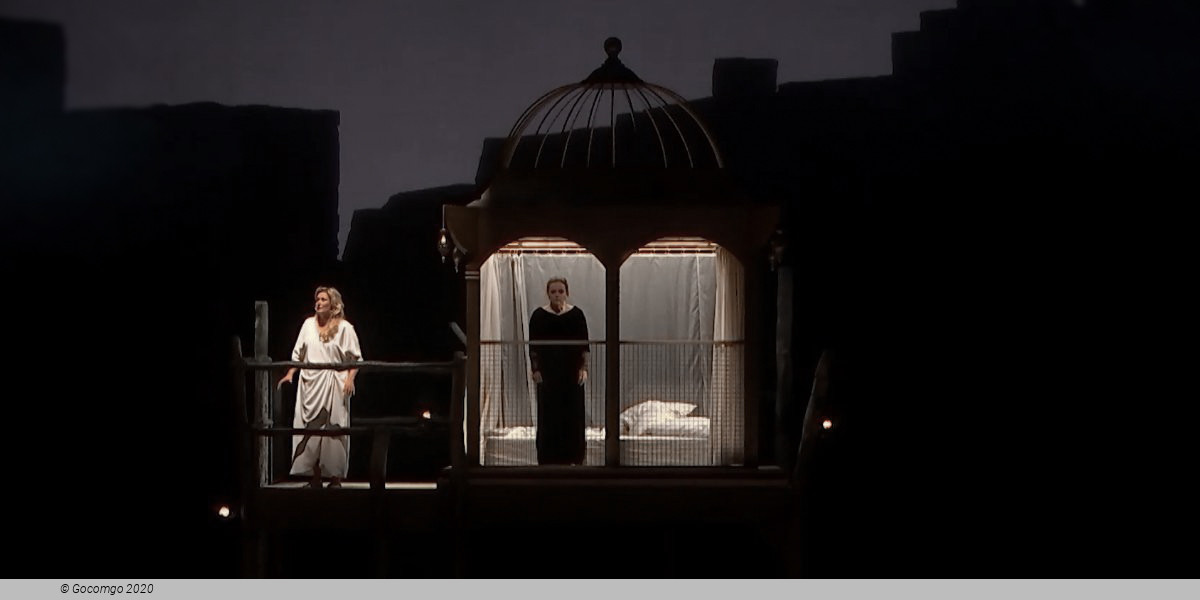
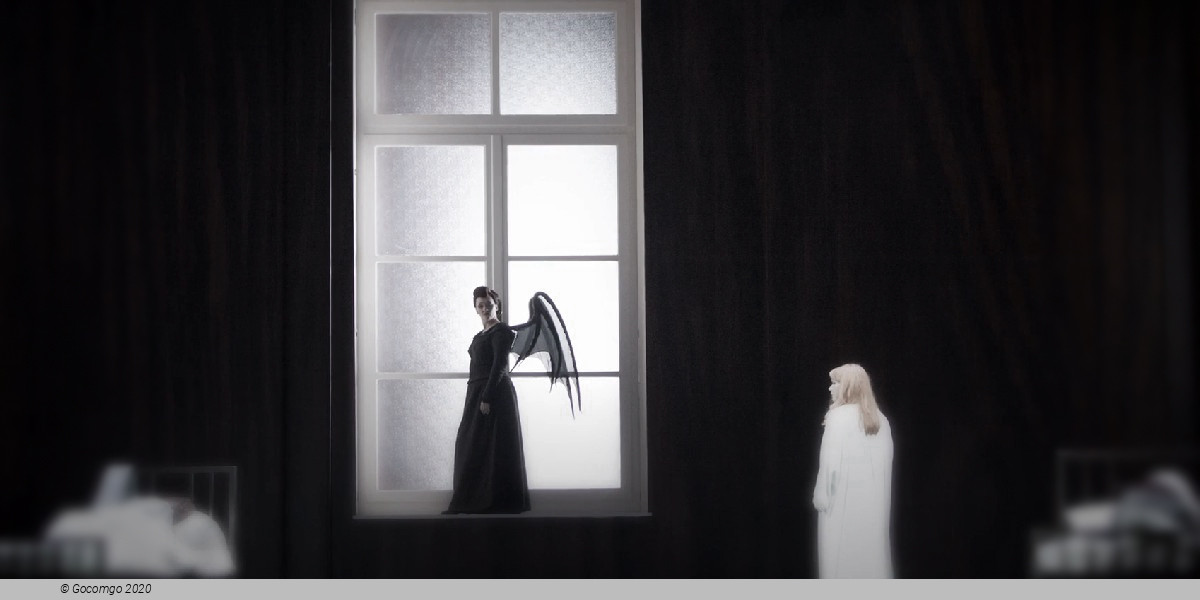
It is dawn, outside the bedchambers of the Emperor and Empress. The Messenger of Keikobad arrives, and tells the Empress's nurse that the Empress must acquire a shadow within three days, or will be forcibly returned to his realm, and the Emperor turned to stone. The Nurse is excited about the prospect of returning to the spirit world, since she hates humans and having to dwell with them.

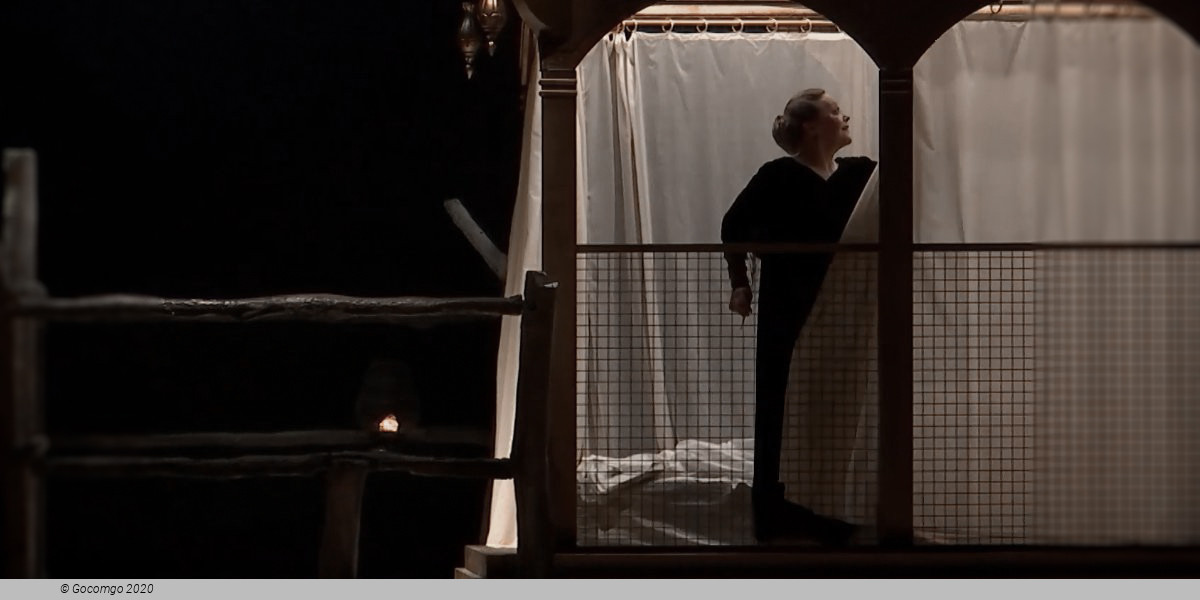
The Messenger leaves and the Emperor emerges from his bedchamber. He departs on a three-day hunting trip, seeking his favorite falcon, which he drove away for attacking a gazelle that later turned into the Empress. He leaves his wife to the Nurse's care. The Empress emerges from her chamber and reminisces about times when she had the ability to turn into any creature she wanted.

It is revealed that after being attacked by the red falcon that the Emperor is seeking, she lost a talisman that gave transformation powers, and on which was inscribed a curse that foresaw the fate she and the Emperor are about to face if she does not acquire a shadow. The red falcon appears and warns the Empress that the curse is about to be fulfilled. The Empress begs the Nurse to help her get a shadow. The Nurse, who is steeped in magic, suggests descending to the mortal world and finding a woman who will sell her shadow to the Empress.

Scene 2

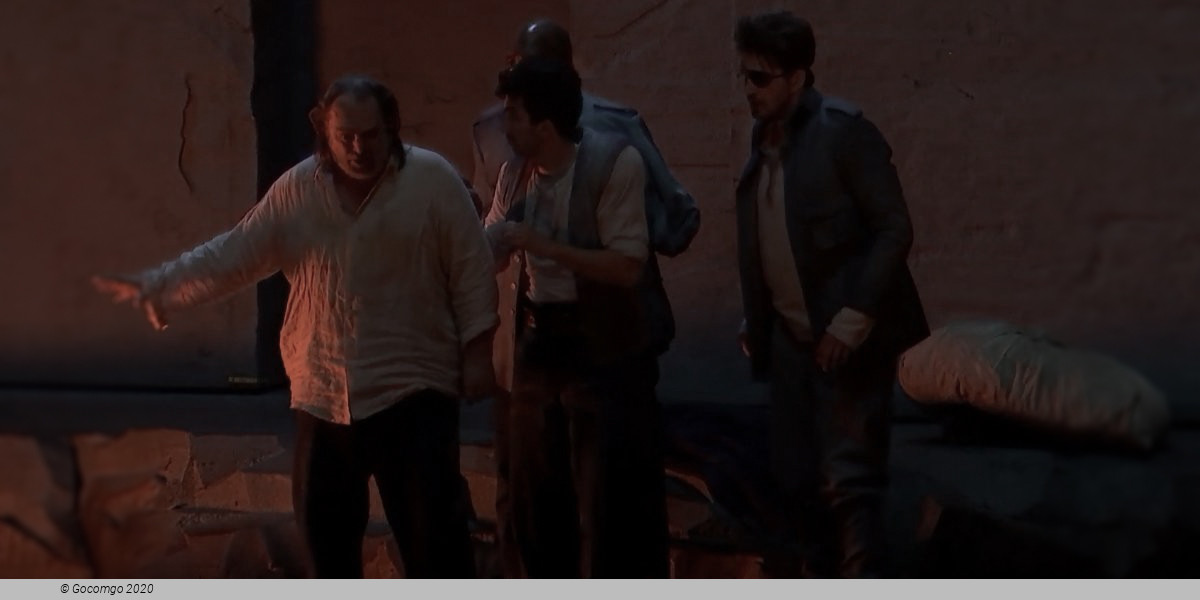
Barak, a dyer, shares his hut with his Wife and his three brothers: the One-Eyed Man, the One-Armed Man, and the Hunchback. The three brothers fight about a stolen item and are separated by the Wife, who throws a bucket of water at them. The brothers-in-law then argue with the Wife. Barak enters and stops the argument. The Wife wants to have her in-laws thrown out, but her husband refuses.

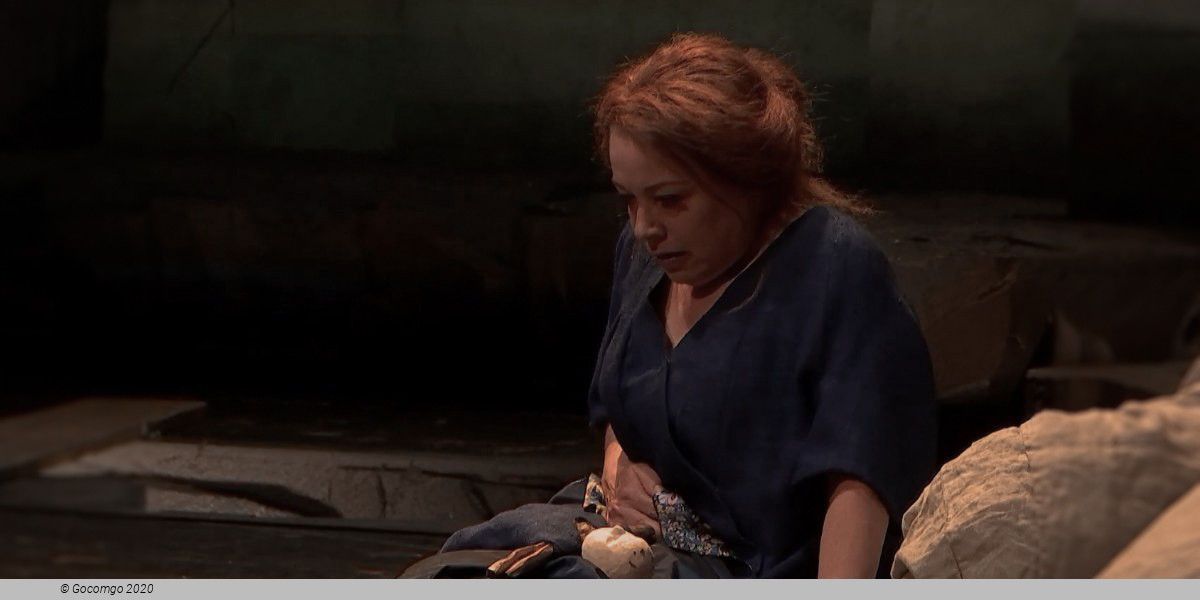
The Dyer desires children, but his Wife fears the responsibility and has secretly sworn not to have any. The Dyer and his brothers leave, and the Empress and the Nurse arrive in disguise. The Wife wants them out of her house but the Nurse conjures up visions of luxury and promises them to the Wife in return for her shadow. The Wife agrees to deny her husband for three days during which the Nurse and the Empress will live at the Dyer's hut as poor relatives who have come to work as servants.

Barak approaches and the Wife is worried that dinner is not ready, the Nurse once more uses her magic to have everything ready, including the splitting of Barak's bed in two. The Nurse and Empress disappear, and the Wife is greatly upset by the offstage Voices of Unborn Children lamenting, which emerge from the fish that are cooking on the fire. The Dyer returns to find he is barred from his marital bed. The Wife curtly informs him of the impending stay of her "cousins" and goes off to her separate bed. From outside the Town Watchmen are heard singing of the importance of conjugal love. Barak sighs and lies down to sleep on the floor.

Act 2

Scene 1

The Empress, acting as a servant, helps the Dyer leave for work, but is troubled by her role, because Barak is very kind to her. The Nurse conjures up the image of a handsome youth by bringing a broom to life, which tempts the Dyer's Wife. The Dyer returns with his hungry brothers and beggar children. He has had a magnificent day at the market, selling all his goods, and has invited everyone to celebrate. However, his Wife manages to ruin the celebration.

Scene 2

The Emperor is led to his hunting lodge in the forest by the red falcon. He sees the Empress and Nurse surreptitiously enter the lodge, and is suspicious. When he comes closer, he smells a human odor trailing the Empress. Thinking she has betrayed him, he resolves to kill her. He first thinks of using an arrow, and then his sword, and then his bare hands. Finally he realizes he can't do it. He resolves to seek out some isolated ravine to be alone with his misery.

Scene 3

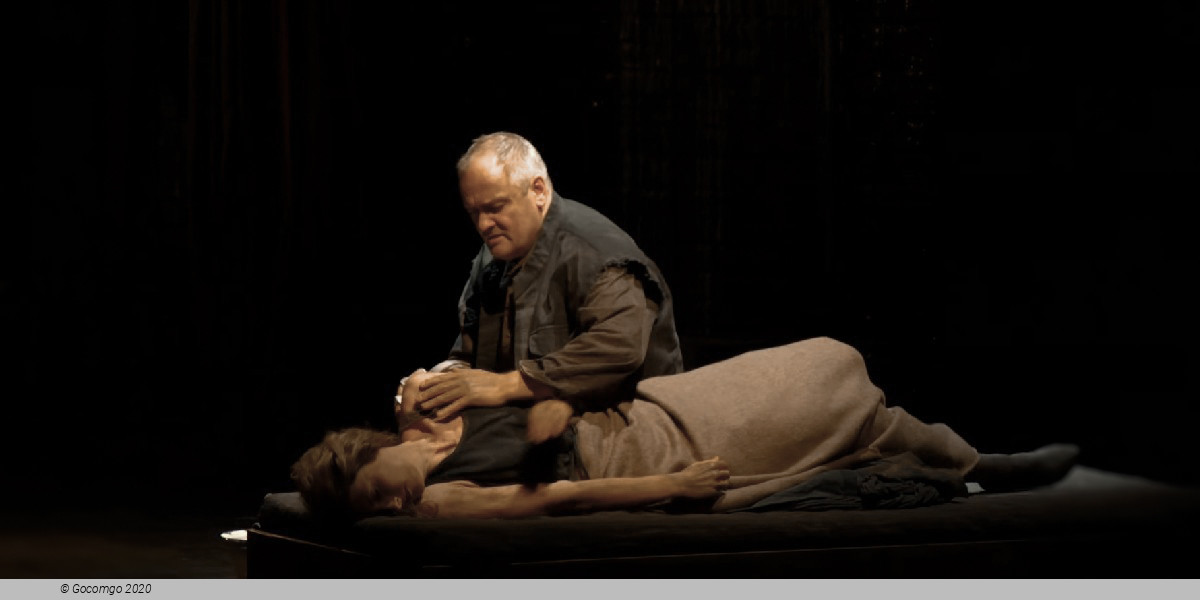
At the Dyer's house, the Dyer is drugged into sleep by the Nurse. The Nurse again conjures up the young man for the Wife, who grows frightened and rouses the Dyer. Barak is surprised to learn that there is a man in his house but then is quickly turned upon by his Wife, who shouts at him, then leaves for the city, leaving her confused husband. Left alone with Barak, the Empress feels more guilty than before.

Scene 4

The Empress goes to sleep at the hunting lodge, but in her sleep she is further troubled by her crime and by the possible fate of the Emperor. In a dream, she sees the Emperor enter her father's realm. Unseen choruses chant the curse of the talisman. Awakening, she is overcome with guilt and remorse.

Scene 5

The next day, the Wife announces that she has sold her shadow. When a fire reveals that she has no shadow, the enraged Barak is ready to kill her. The Empress cries out that she no longer wants the shadow. A sword appears in the Dyer's hand. His brothers restrain him as the Wife declares her remorse and urges Barak to kill her. An earthquake splits the ground and Barak and his wife are swallowed into the earth. The brothers flee, and the Nurse, recognizing Keikobad's hand, spirits the Empress away.

Act 3

Scene 1

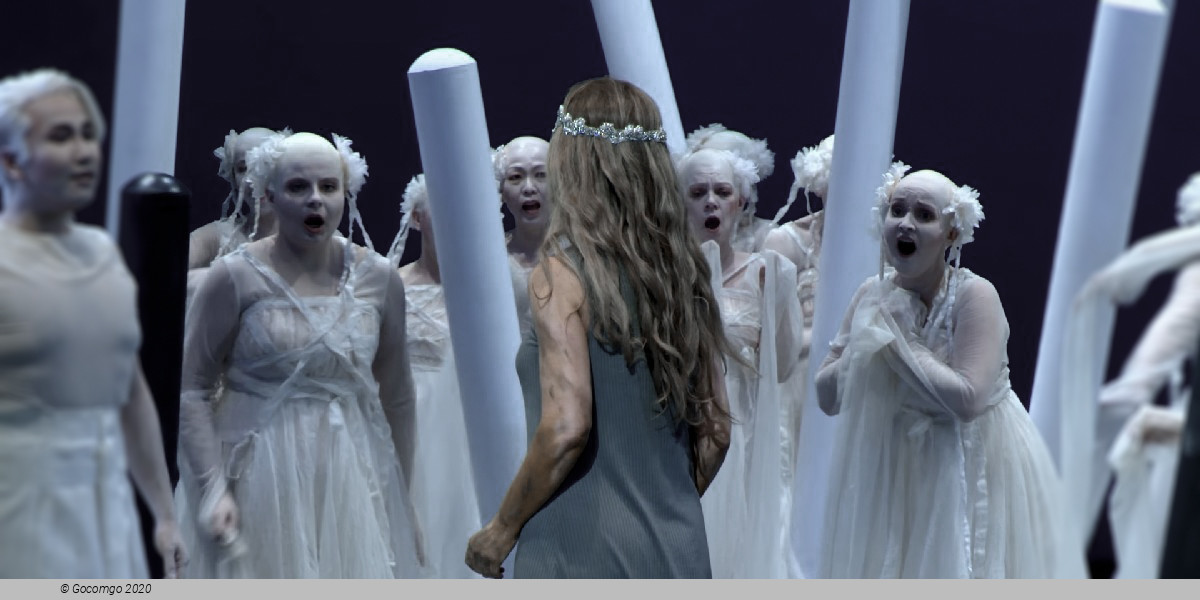
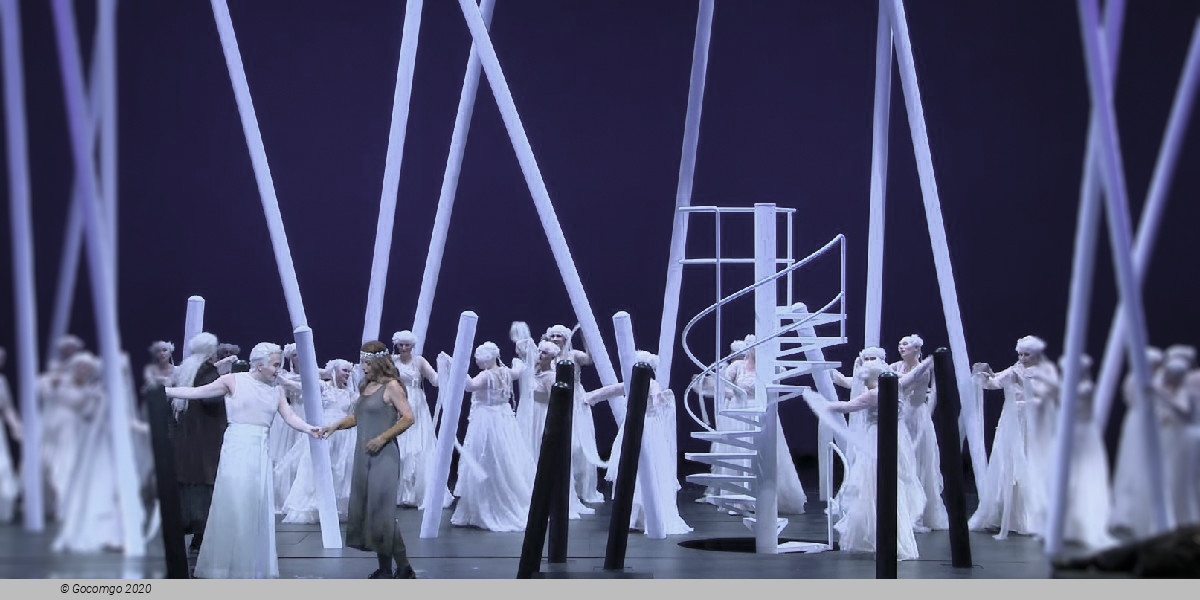
In a grotto beneath the realm of Keikobad, the wife and the Dyer are seen in separate chambers, unaware of the other's presence. The Wife is haunted by the Voices of Unborn Children. She protests that she loves the Dyer, who regrets his attempted violence. A voice directs them up separate staircases.

Scene 2

The Empress and Nurse arrive before Keikobad's Temple. The Nurse tries to convince the Empress to escape but she remembers the doors from her dream and knows that her father is waiting for her on the other side. She dismisses the Nurse and enters. The Nurse foretells terrible tortures awaiting the Empress and misleads the Wife and Barak, who are looking for each other, she to die at her husband's hand, he to forgive her and hold her in his arms. Keikobad's Messenger condemns the Nurse to wander the mortal world.

Scene 3

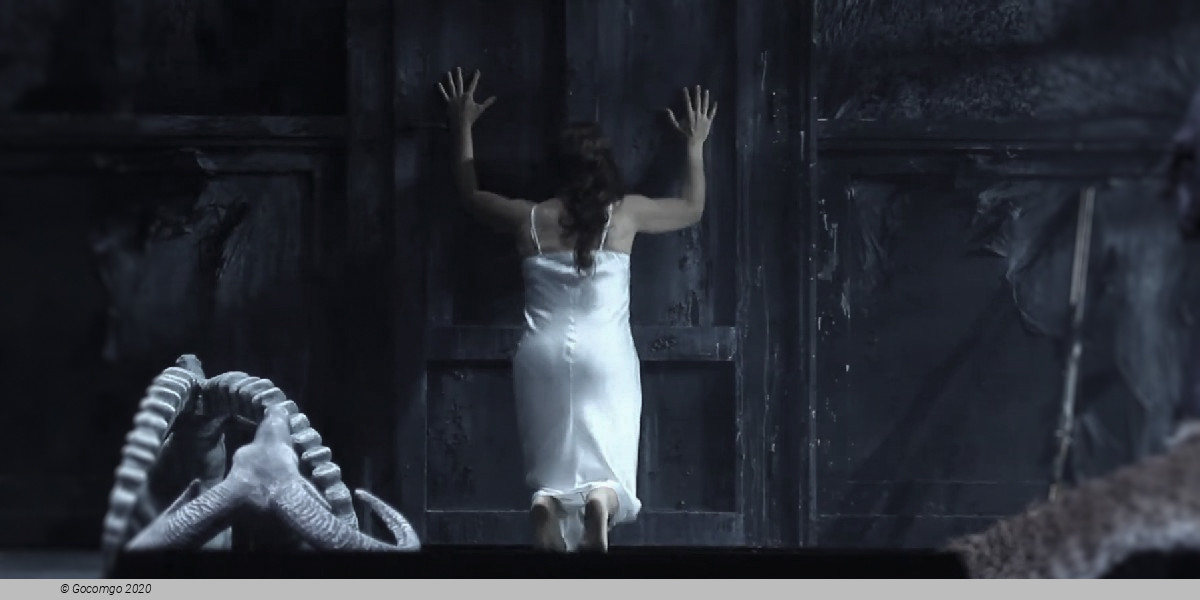
Inside the Temple, the Empress speaks to Keikobad, asking for forgiveness and to find her place amongst those who cast shadows. Keikobad does not answer but shows the Emperor already almost petrified. The Fountain of Life springs up before the Empress, and a temple guardian urges her to drink from it and claim the Wife's shadow for herself. But the Dyer and the Wife are heard offstage, and the Empress refuses to steal their future happiness and become human by robbing humanity from someone else: "Ich will nicht!" ("I will not!"). This act of renunciation frees her: she receives a shadow, and the Emperor is restored to natural form

Scene 4

The scene changes to a beautiful landscape. Barak and his Wife are reunited and she regains her own shadow. Both couples sing of their humanity and praise their Unborn Children.

Venue Info

Vienna State Opera - Vienna
Location   Opernring 2

The Vienna State Opera is one of the leading opera houses in the world. Its past is steeped in tradition. Its present is alive with richly varied performances and events. Each season, the schedule features 350 performances of more than 60 different operas and ballets. The members of the Vienna Philharmonic are recruited from the Vienna State Opera's orchestra. The building is also the home of the Vienna State Ballet, and it hosts the annual Vienna Opera Ball during the carnival season.

The 1,709-seat Renaissance Revival venue was the first major building on the Vienna Ring Road. It was built from 1861 to 1869 following plans by August Sicard von Sicardsburg and Eduard van der Nüll, and designs by Josef Hlávka. The opera house was inaugurated as the "Vienna Court Opera" (Wiener Hofoper) in the presence of Emperor Franz Joseph I and Empress Elisabeth of Austria. It became known by its current name after the establishment of the First Austrian Republic in 1921. The Vienna State Opera is the successor of the Vienna Court Opera, the original construction site chosen and paid for by Emperor Franz Joseph in 1861.

The opera house was the first major building on the Vienna Ringstrasse commissioned by the Viennese "city expansion fund". Work commenced on the house in 1861 and was completed in 1869, following plans drawn up by architects August Sicard von Sicardsburg and Eduard van der Nüll. It was built in the Neo-Renaissance style by the renowned Czech architect and contractor Josef Hlávka.

Gustav Mahler was one of the many conductors who have worked in Vienna. During his tenure (1897–1907), Mahler cultivated a new generation of singers, such as Anna Bahr-Mildenburg and Selma Kurz, and recruited a stage designer who replaced the lavish historical stage decors with sparse stage scenery corresponding to modernistic, Jugendstil tastes. Mahler also introduced the practice of dimming the lighting in the theatre during performances, which was initially not appreciated by the audience. However, Mahler's reforms were maintained by his successors.

Herbert von Karajan introduced the practice of performing operas exclusively in their original language instead of being translated into German. He also strengthened the ensemble and regular principal singers and introduced the policy of predominantly engaging guest singers. He began a collaboration with La Scala in Milan, in which both productions and orchestrations were shared. This created an opening for the prominent members of the Viennese ensemble to appear in Milan, especially to perform works by Wolfgang Amadeus Mozart and Richard Strauss.

Ballet companies merge

At the beginning of the 2005–2006 season, the ballet companies of the Staatsoper and the Vienna Volksoper were merged under the direction of Gyula Harangozó.

From the 2010–2011 season a new company was formed called Wiener Staatsballet, Vienna State Ballet, under the direction of former Paris Opera Ballet principal dancer Manuel Legris. Legris eliminated Harangozós's policy of presenting nothing but traditional narrative ballets with guest artists in the leading roles, concentrated on establishing a strong in-house ensemble and restored evenings of mixed bill programs, featuring works of George Balanchine, Jerome Robbins, Jiří Kylián, William Forsythe, and many contemporary choreographers, as well as a reduced schedule of the classic ballets.

Opera ball

For many decades, the opera house has been the venue of the Vienna Opera Ball. It is an internationally renowned event, which takes place annually on the last Thursday in Fasching. Those in attendance often include visitors from around the world, especially prominent names in business and politics. The opera ball receives media coverage from a range of outlets.

Important Info
Type: Opera
City: Vienna, Austria
Starts at: 18:00
Acts: 3
Intervals: 2
Duration: 4h 30min
Top of page