Teatro Massimo tickets 10 October 2027 - Evening of ballets by George Balanchine: Serenade. Tchaikovsky Pas de Deux. Allegro Brillante | GoComGo.com

Evening of ballets by George Balanchine: Serenade. Tchaikovsky Pas de Deux. Allegro Brillante

Teatro Massimo, Palermo, Italy
All photos (16)
Select date and time
6:30 PM
From
US$ 106

E-tickets: Print at home or at the box office of the event if so specified. You will find more information in your booking confirmation email.

You can only select the category, and not the exact seats.
If you order 2 or 3 tickets: your seats will be next to each other.
If you order 4 or more tickets: your seats will be next to each other, or, if this is not possible, we will provide a combination of groups of seats (at least in pairs, for example 2+2 or 2+3).

Important Info
Type: Ballet
City: Palermo, Italy
Starts at: 18:30

E-tickets: Print at home or at the box office of the event if so specified. You will find more information in your booking confirmation email.

You can only select the category, and not the exact seats.
If you order 2 or 3 tickets: your seats will be next to each other.
If you order 4 or more tickets: your seats will be next to each other, or, if this is not possible, we will provide a combination of groups of seats (at least in pairs, for example 2+2 or 2+3).

Cast
Performers
Ballet company: Teatro Massimo Ballet
Conductor: Mojca Lavrenčič
Creators
Composer: Pyotr Tchaikovsky
Choreographer: Christian Tworzyanski
Choreographer: George Balanchine
Choreographer: Megan Fairchild
Overview

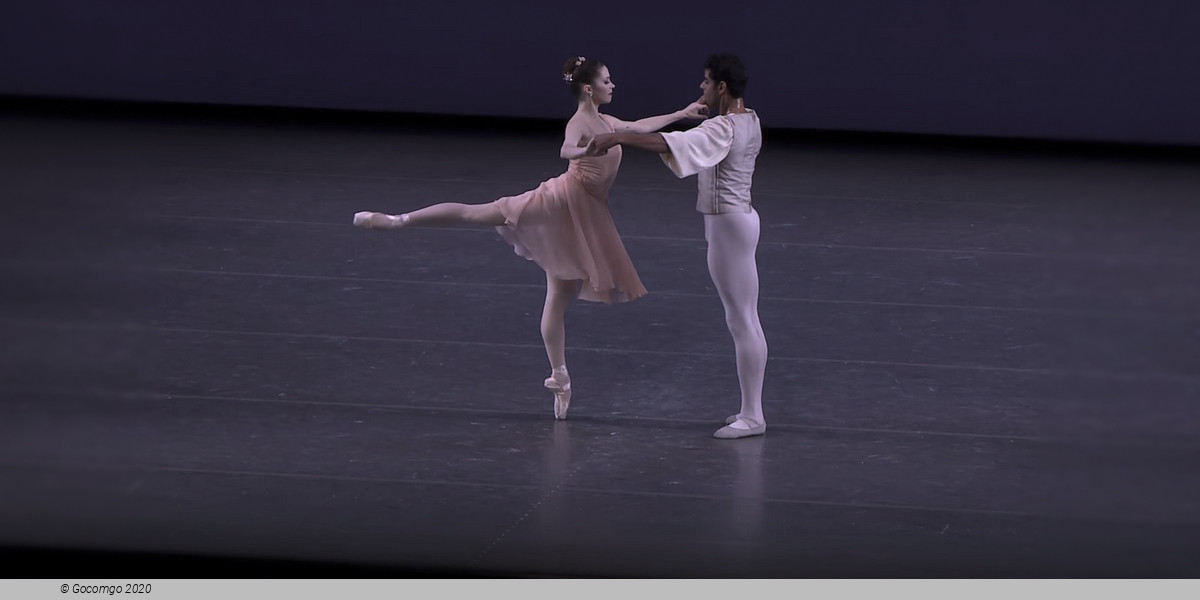
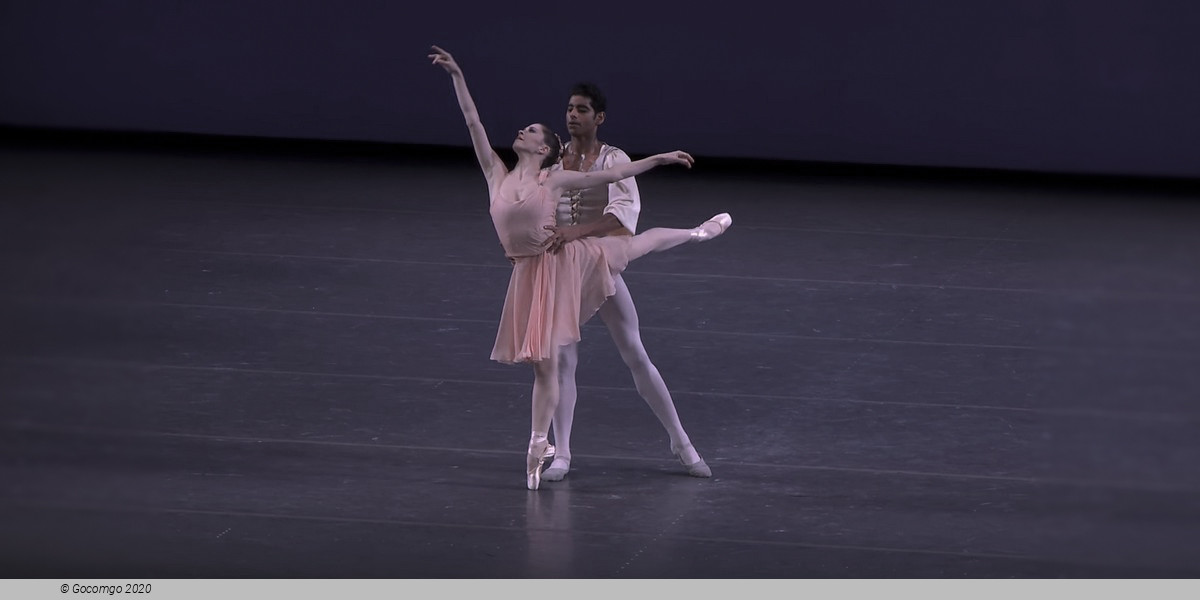
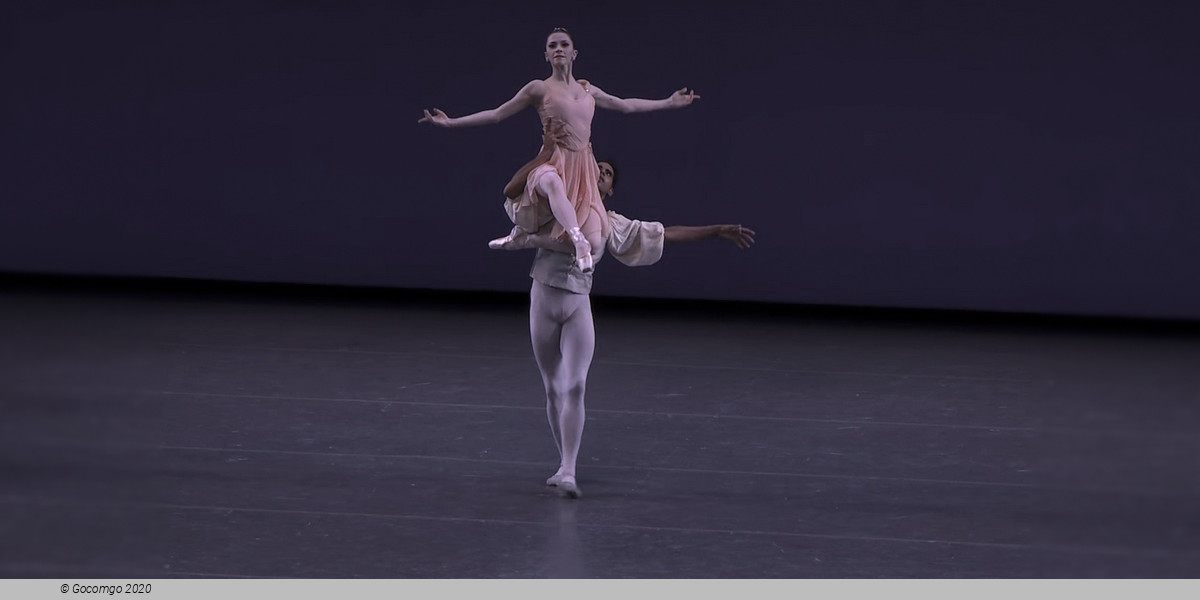
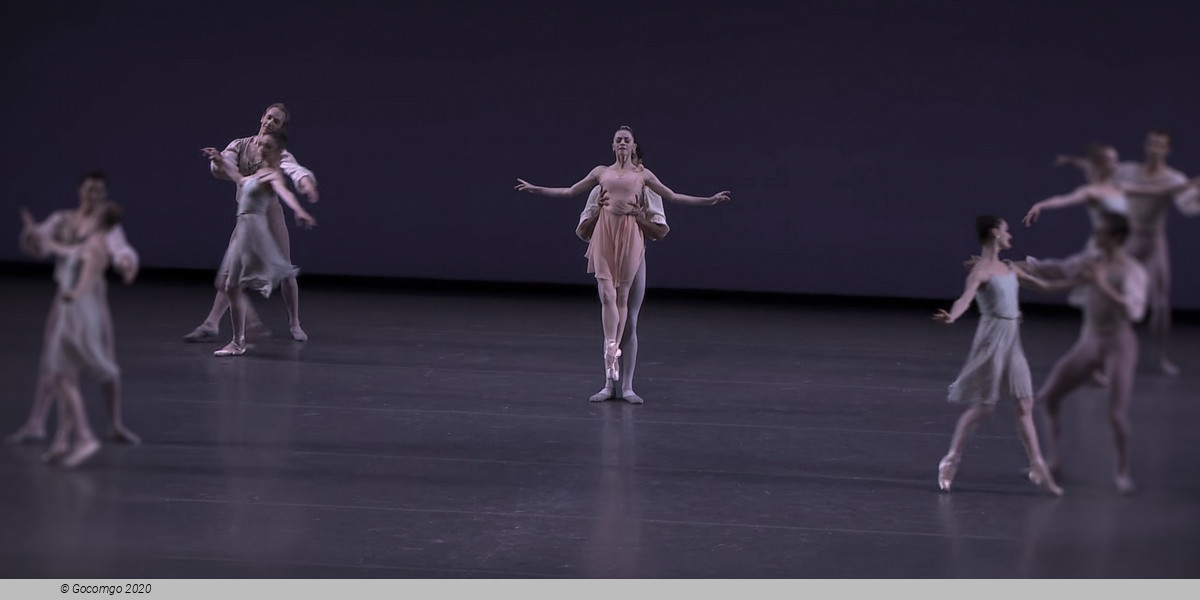
A celebration of the genius of George Balanchine and the timeless beauty of classical dance comes to the stage of Teatro Massimo with an extraordinary evening dedicated to three of the choreographer’s most celebrated masterpieces: Serenade, Tchaikovsky Pas de Deux, and Allegro Brillante. Bringing together elegance, musical brilliance, and pure choreographic invention, this programme offers a unique journey through the artistic universe of one of the greatest figures in 20th-century ballet.

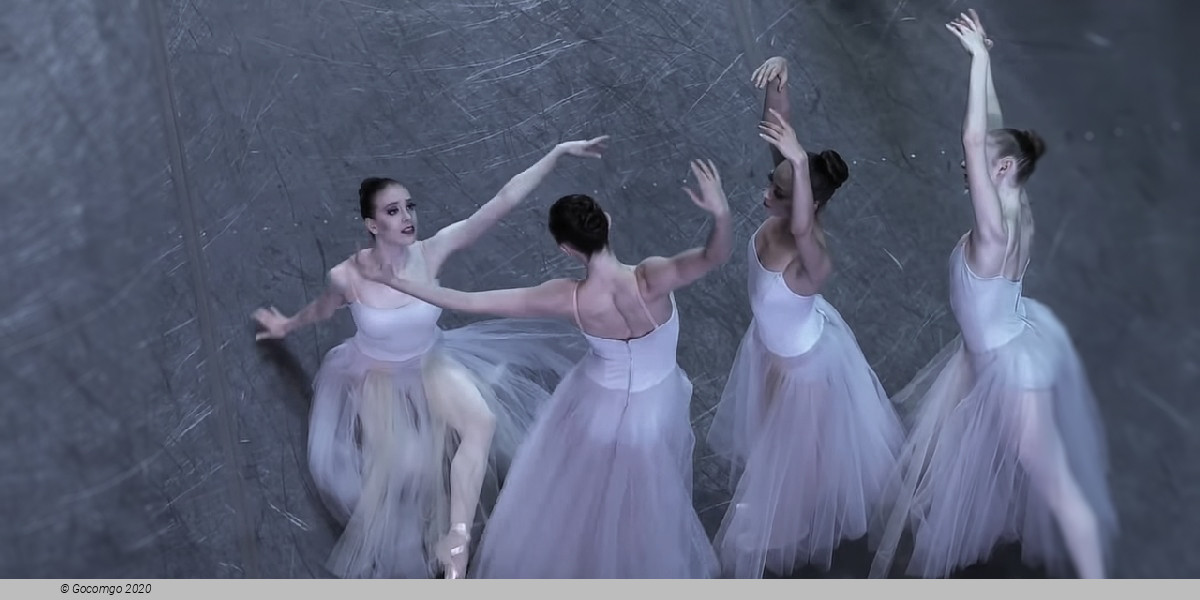
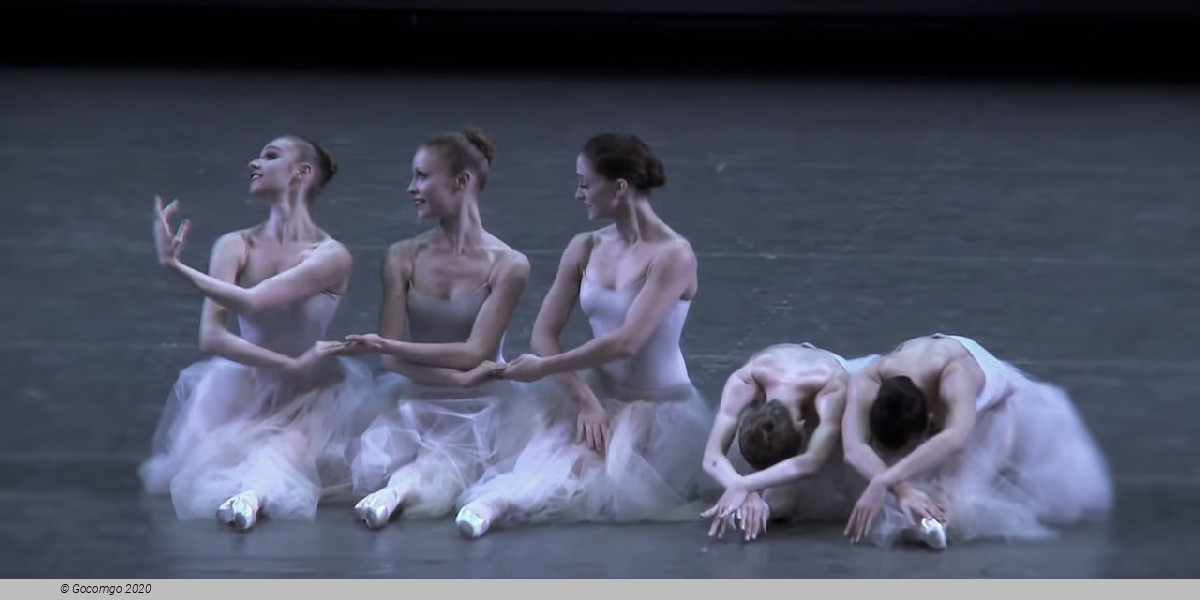
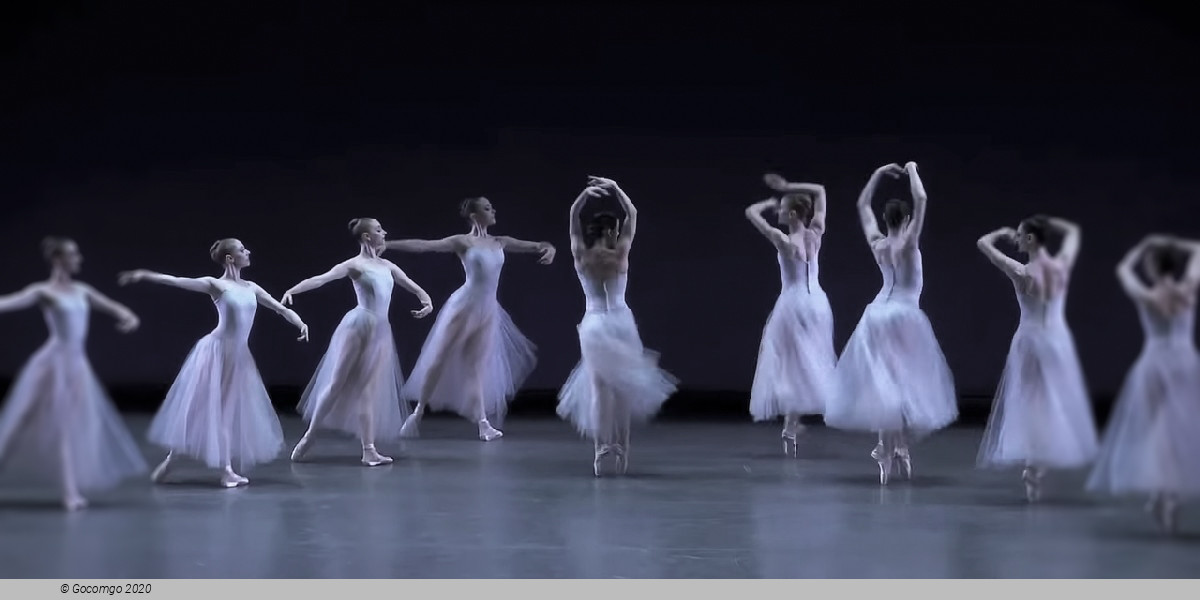
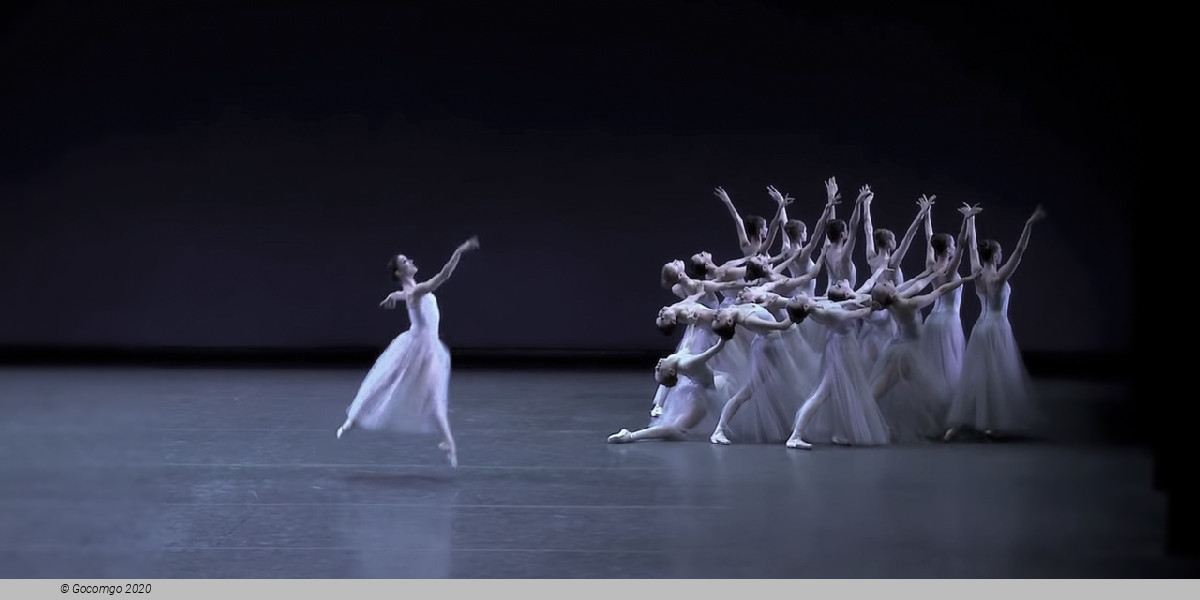
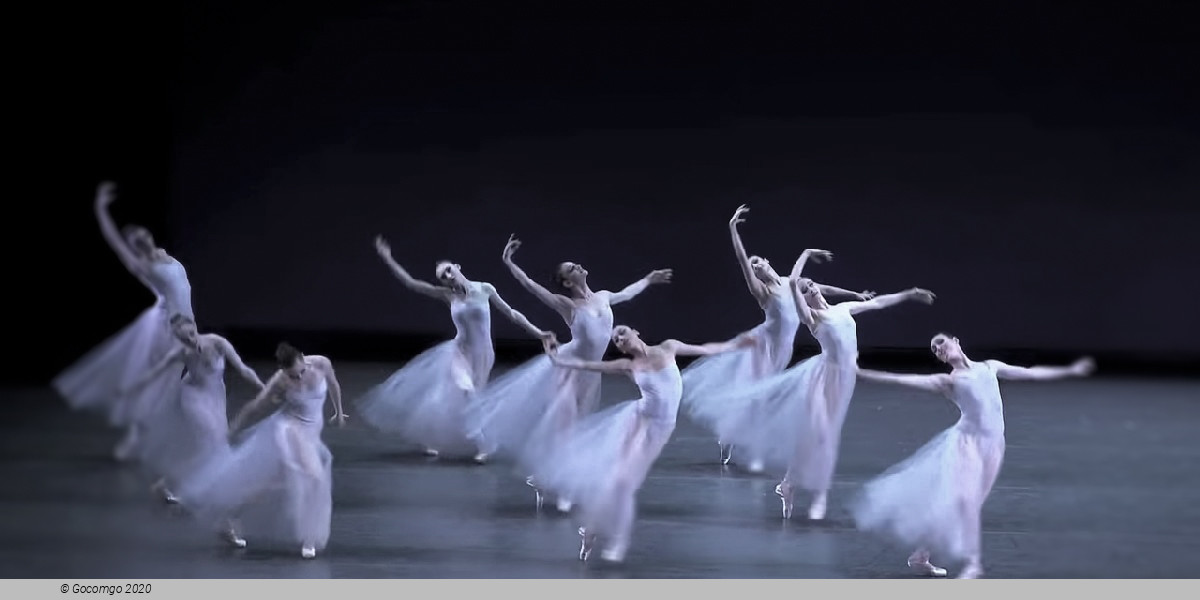
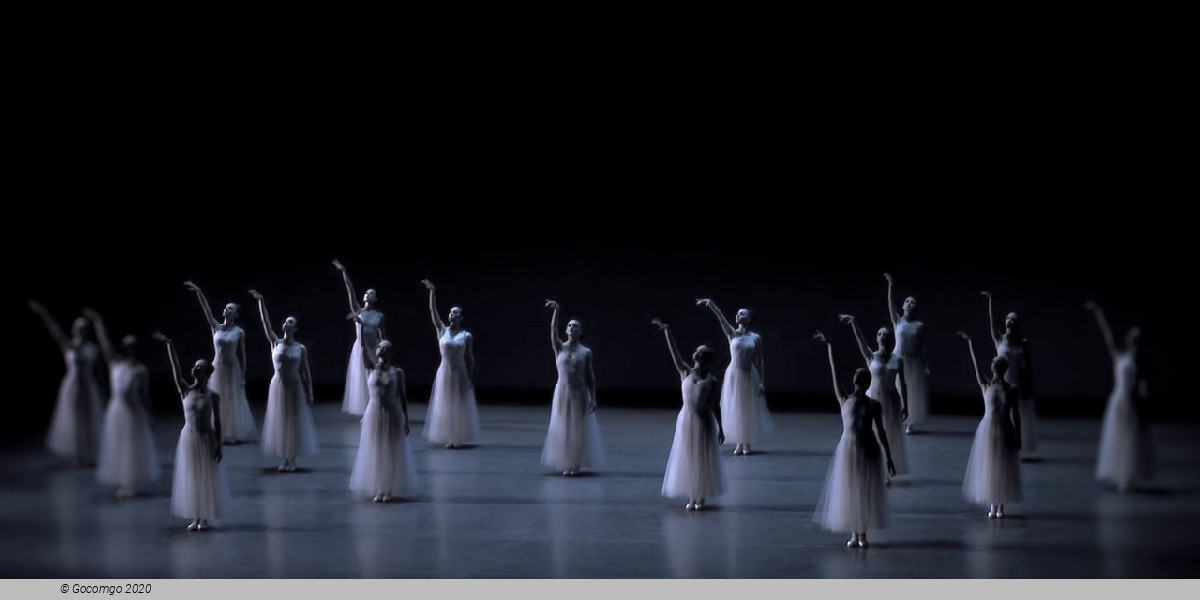
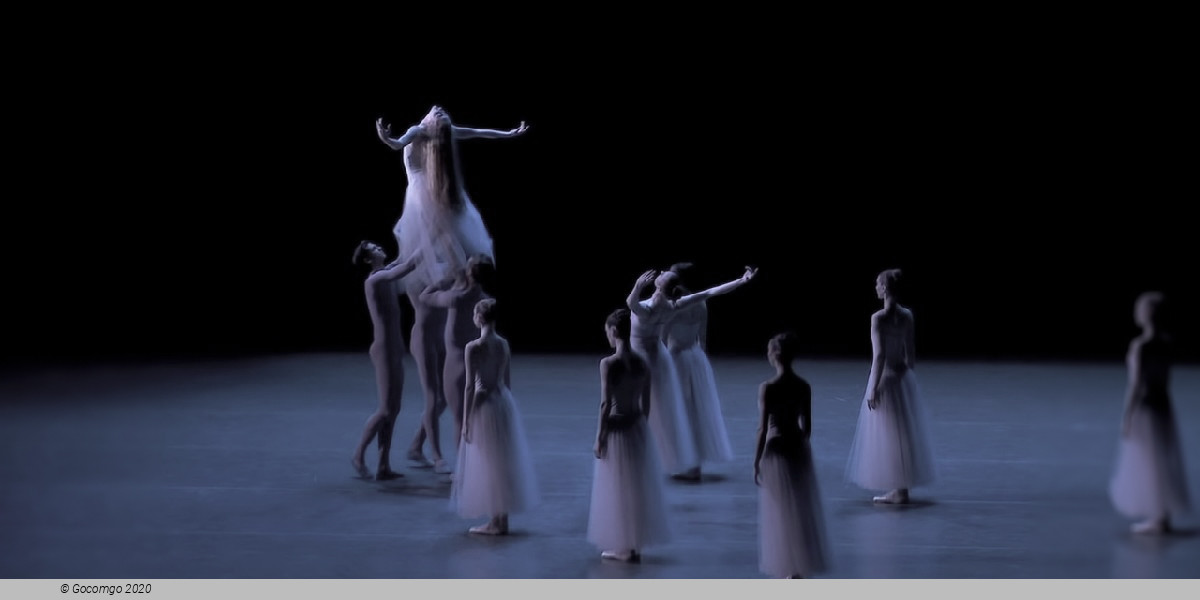
Opening the evening, Serenade — created to Tchaikovsky’s evocative music — remains one of Balanchine’s most poetic and influential works. With its flowing movements, delicate formations, and dreamlike atmosphere, the ballet transforms the ensemble of dancers into a living expression of emotion, light, and harmony. A masterpiece of simplicity and refinement, Serenade reveals the extraordinary ability of dance to convey feelings beyond words.

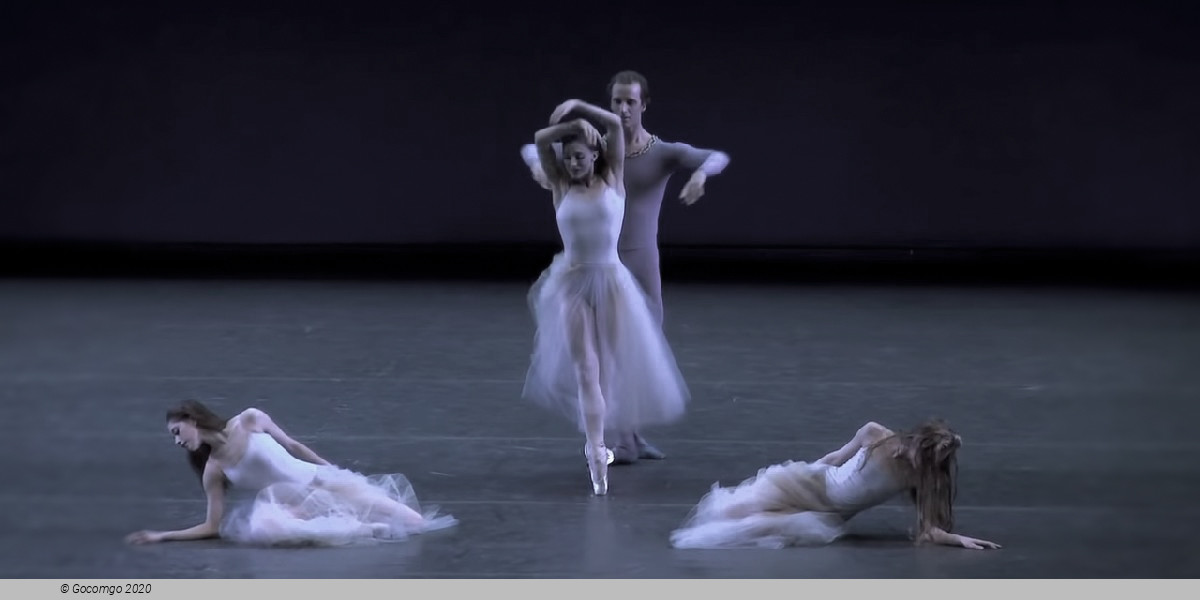
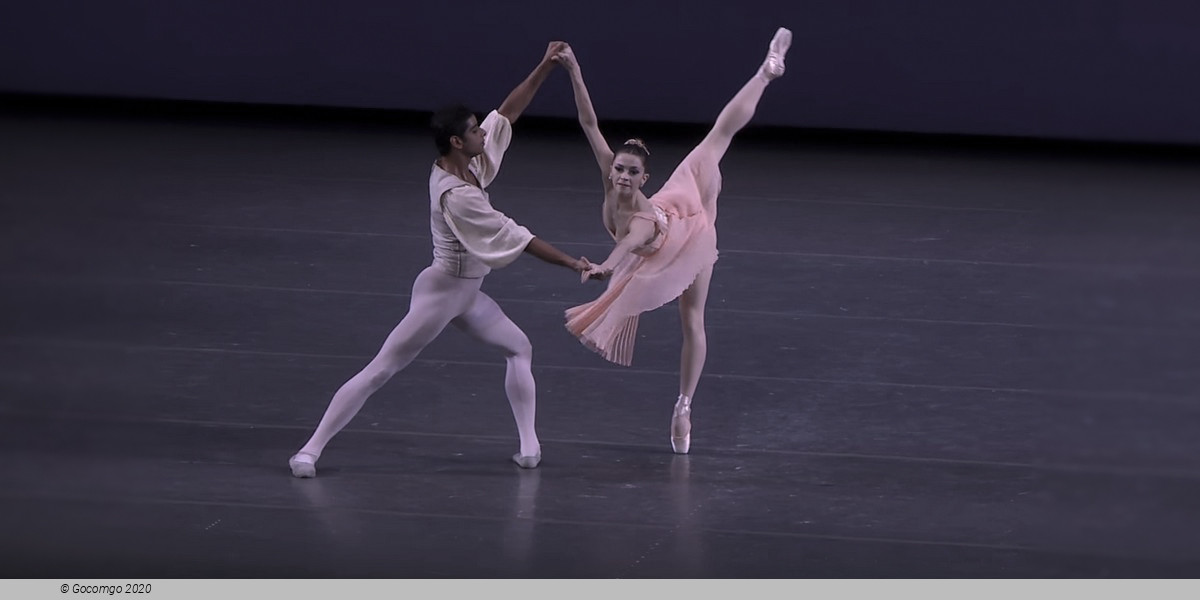
The dazzling Tchaikovsky Pas de Deux showcases Balanchine’s virtuosity and his exceptional musical sensitivity. Originally created as a tribute to the brilliance of Tchaikovsky’s composition, this sparkling work celebrates the beauty of partnership, precision, and the joy of movement through a breathtaking dialogue between two dancers.

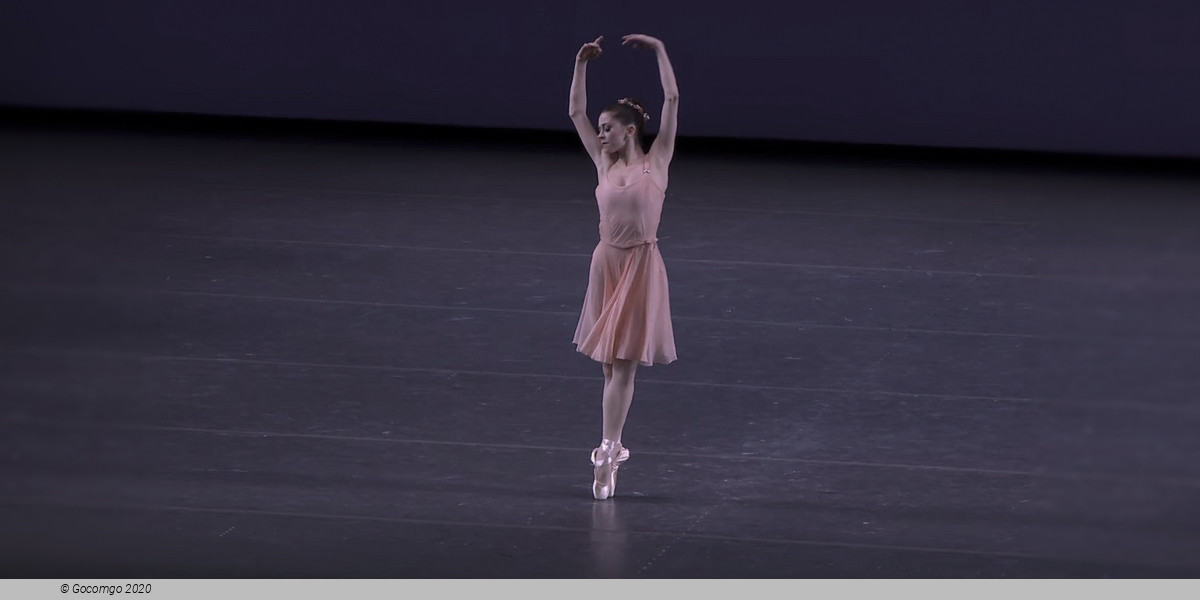
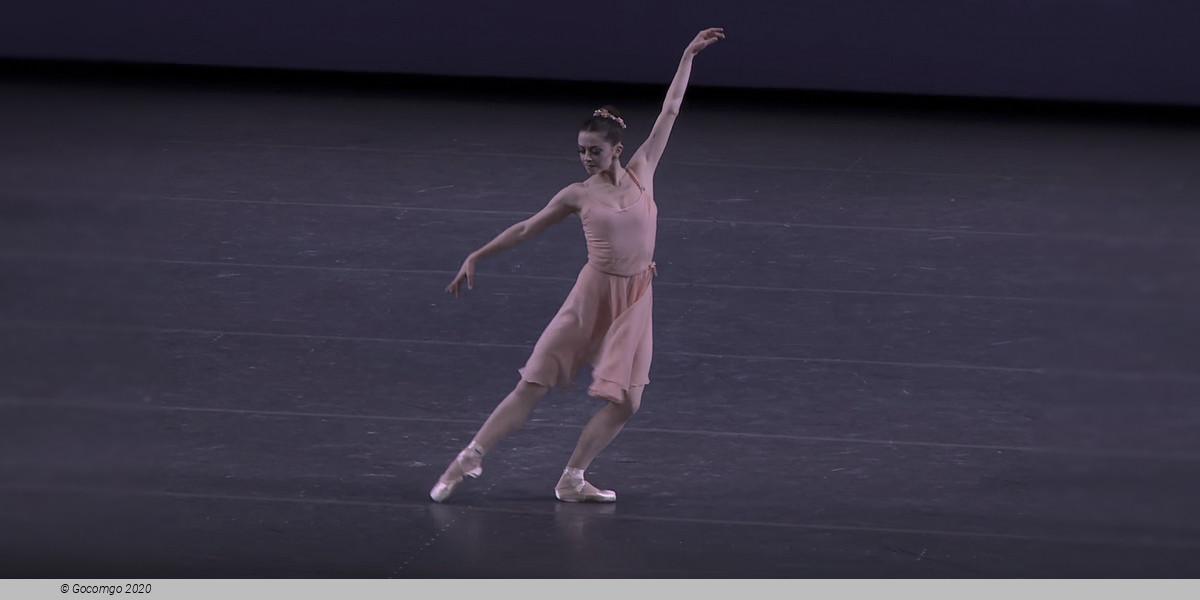
Completing the programme, Allegro Brillante captures the energy, optimism, and technical brilliance that define Balanchine’s neoclassical style. Filled with dynamic rhythms, intricate patterns, and exhilarating choreography, the ballet becomes a vibrant celebration of dance itself.

History
Premiere of this production: 01 March 1935, Adelphi Theatre New York City, United States

Serenade is a ballet by George Balanchine to Tschaikovsky's 1880 Serenade for Strings in C, Op. 48. Balanchine presented the ballet as his response to the generous sponsorships he received during his immigration to America. The official premiere took place on 1 March 1935 with the American Ballet at the Adelphi Theatre, New York, conducted by Sandor Harmati.


Premiere of this production: 29 March 1960, City Center of Music and Drama, New York

Tchaikovsky Pas de Deux is a ballet choreographed by George Balanchine to a composition by Pyotr Ilyich Tchaikovsky originally intended for act 3 of Swan Lake (Op. 20, 1875–76). With costumes by Barbara Karinska and lighting by Jack Owen Brown, it was first presented by New York City Ballet at the City Center of Music and Drama, New York, on 29 March 1960. Robert Irving conducted the New York City Ballet Orchestra. The dancers were Violette Verdy and Conrad Ludlow.

Premiere of this production: 01 March 1956, City Center of Music and Drama, New York

Allegro Brillante is characterized by what Maria Tallchief (the ballerina on whom the bravura leading role was created) calls “an expansive Russian romanticism.” The music’s vigorous pace makes the steps appear even more difficult, but the ballet relies on strong dancing, precise timing, and breadth of gesture. Balanchine said: “It contains everything I know about the classical ballet in 13 minutes.”

Venue Info

Teatro Massimo - Palermo
Location   Piazza Verdi

The Teatro Massimo Vittorio Emanuele is an opera house and opera company located on the Piazza Verdi in Palermo, Sicily. It was dedicated to King Victor Emanuel II. It is the biggest in Italy, and one of the largest of Europe (the third after the Opéra National de Paris and the K. K. Hof-Opernhaus in Vienna), renowned for its perfect acoustics.

The Teatro Massimo Vittorio Emanuele in Palermo opened its doors to the public on the evening of 16 May 1897, twenty-two years after the solemn public ceremony of the laying of the first stone.

This took place on 12 January 1875, and ended a chequered series of vicissitudes with interminable squabbles lasting over ten years.

The international competition for the project and realisation of the opera house had been announced by Palermo Council in 1864, and its prime mover was the mayor, Antonio Starrabba di Rudini.

For a long time there had been talk of building a big new theatre in Palermo, worthy of the second biggest city in southern Italy after Naples.

Palermo, in the second half of the nineteenth century, was engaged in getting itself a new identity in the light of the new national unity.

Cultural life was influenced by the new Italian State and the positive consequences of the activity of enlightened entrepreneurs like the Florios, who also made generous donations to the building of the opera house and for some years were also its no less enlightened managers.

Intense commercial relations led to the convergence and development in Palermo of interests with a European dimension and brought the city to be continually in touch with different cultural models than its own. This was the start of the Belle Epoque, a time of cultural and economic rebirth for Palermo which would in turn become almost mythical for the future generations and was only to be interrupted by the outbreak of World War I.

The opening night happened on May 16 1897: Giuseppe Verdi's Falstaff was the inaugural opera. The conductor was Leopoldo Mugnone. A ticket in the boxes would then cost 80 liras, one in the gallery just 3. At the time of its first opening, thanks to its surface of 7,730 square metres, the Teatro Massimo was the third in Europe, after the opera houses in Paris and Wien.

From the opening in 1897 to 1935 the opera seasons were put together by private firms, often a different one each year, that would organize the performances.

In 1935 the theatre was officially designated with a Decree from the Italian Ministry of Culture "Ente Teatrale Autonomo", and thus recognized as a public theatre.

In 1974 the theatre was closed for reconstruction works that were supposed to be finished in a relatively short time. It remained closed for 23 years and was reopened with the concert on May 12 1997, conducted by Franco Mannino in the first part and by Claudio Abbado in the second, with the Berliner Philharmoniker.

Important Info
Type: Ballet
City: Palermo, Italy
Starts at: 18:30
Top of page