Teatro di San Carlo tickets 22 September 2027 - La damnation de Faust | GoComGo.com

La damnation de Faust

Teatro di San Carlo, Teatro di San Carlo, Naples, Italy
All photos (6)
Select date and time
8 PM
From
US$ 85

E-tickets: Print at home or at the box office of the event if so specified. You will find more information in your booking confirmation email.

You can only select the category, and not the exact seats.
If you order 2 or 3 tickets: your seats will be next to each other.
If you order 4 or more tickets: your seats will be next to each other, or, if this is not possible, we will provide a combination of groups of seats (at least in pairs, for example 2+2 or 2+3).

Important Info
Type: Opera
City: Naples, Italy
Starts at: 20:00
Acts: 4
Duration: 2h 5min
Sung in: French
Titles in: Italian,English

E-tickets: Print at home or at the box office of the event if so specified. You will find more information in your booking confirmation email.

You can only select the category, and not the exact seats.
If you order 2 or 3 tickets: your seats will be next to each other.
If you order 4 or more tickets: your seats will be next to each other, or, if this is not possible, we will provide a combination of groups of seats (at least in pairs, for example 2+2 or 2+3).

Cast
Performers
Tenor: René Barbera (Faust)
Conductor: Nikolaj Szeps-Znaider
Bass-Baritone: Alex Esposito (Méphistophélès)
Mezzo-Soprano: Annalisa Stroppa (Marguerite)
Bass-Baritone: Vartan Gabrielian (Brander)
Creators
Composer: Hector Berlioz
Director: Damiano Michieletto
Librettist: Johann Wolfgang von Goethe
Overview

Hector Berlioz’s La Damnation de Faust comes to Teatro di San Carlo in the acclaimed production from Teatro dell'Opera di Roma, directed by Damiano Michieletto. Inspired by Goethe’s legendary masterpiece, Berlioz’s dramatic legend is a work of remarkable imagination, blending the grandeur of opera, the richness of the symphonic tradition, and the expressive power of oratorio into a unique theatrical experience.

The story follows the scholar Faust, whose longing for knowledge and fulfillment leads him into a fateful pact with the enigmatic Méphistophélès. As Faust embarks on a journey through temptation, love, and despair, his encounter with the innocent Marguerite transforms the drama into a profoundly human story of passion, sacrifice, and redemption. Berlioz’s visionary score moves effortlessly from intimate lyricism to overwhelming orchestral power, featuring unforgettable pages such as the Hungarian March, the graceful Dance of the Sylphs, and the breathtaking Ride to the Abyss.

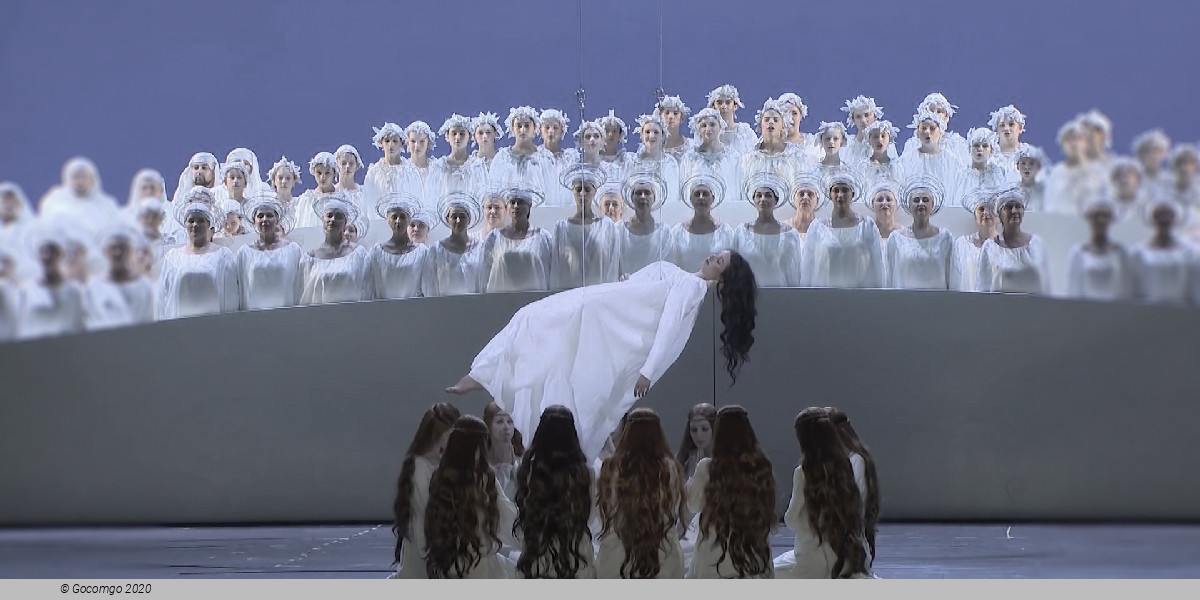
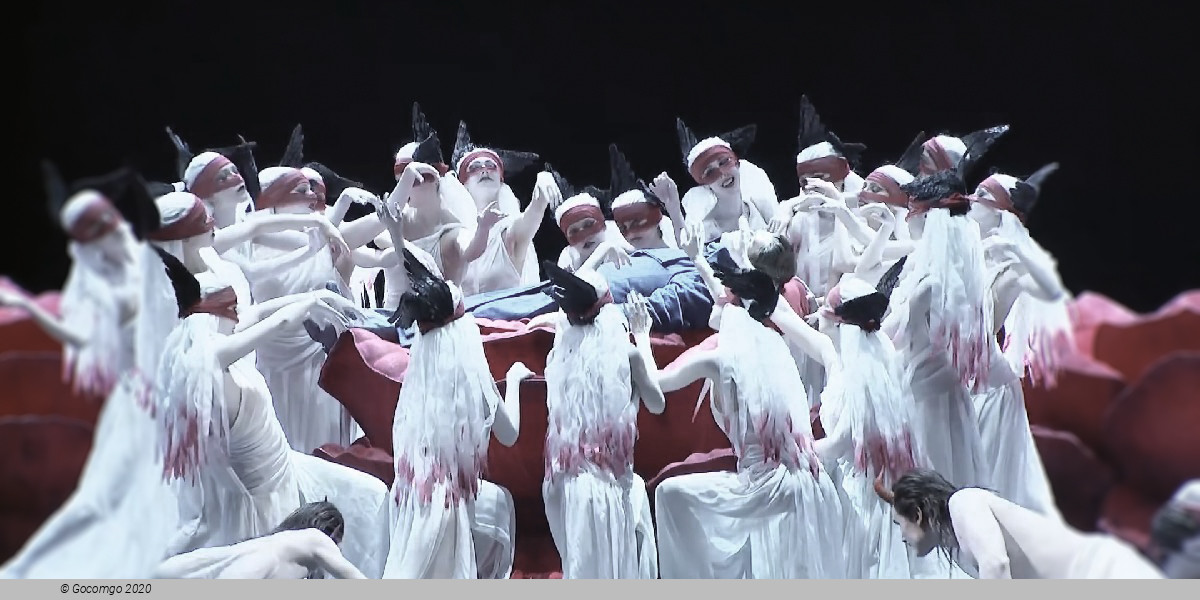
Damiano Michieletto’s celebrated production offers a fresh and thought-provoking interpretation of this extraordinary work, combining striking visual imagery with psychological insight to reveal the timeless relevance of Faust’s search for meaning. Originally created for Teatro dell'Opera di Roma, the production has been widely praised for its imaginative theatrical language and emotional depth.

Production of the Teatro dell’Opera di Roma

History
Premiere of this production: 06 December 1846, Opéra-Comique in Paris

La damnation de Faust (English: The Damnation of Faust) is a work for four solo voices, full seven-part chorus, a large children's chorus and orchestra by the French composer Hector Berlioz. He called it a "légende dramatique" (dramatic legend). It was first performed at the Opéra-Comique in Paris on 6 December 1846.

Synopsis

Part I

The aging scholar Faust contemplates the renewal of nature. Hearing peasants sing and dance, he realizes that their simple happiness is something he will never experience. An army marches past in the distance (Hungarian March). Faust doesn't understand why the soldiers are so enthusiastic about glory and fame.

Part II
Depressed, Faust has returned to his study. Even the search for wisdom can no longer inspire him. Tired of life, he is about to commit suicide when the sound of church bells and an Easter hymn remind him of his youth, when he still had faith in religion. Suddenly Méphistophélès appears, ironically commenting on Faust's apparent conversion. He offers to take him on a journey, promising him the restoration of his youth, knowledge, and the fulfillment of all his wishes. Faust accepts.

Méphistophélès and Faust arrive at Auerbach's tavern in Leipzig, where Brander, a student, sings a song about a rat whose high life in a kitchen is ended by a dose of poison. The other guests offer an ironic "Amen", and Méphistophélès continues with another song about a flea that brings his relatives to infest a whole royal court (Song of the Flea). Disgusted by the vulgarity of it all, Faust demands to be taken somewhere else.

On a meadow by the Elbe, Méphistophélès shows Faust a dream vision of a beautiful woman named Marguerite, causing Faust to fall in love with her. He calls out her name, and Méphistophélès promises to lead Faust to her. Together with a group of students and soldiers, they enter the town where she lives.

Part III

Faust and Méphistophélès hide in Marguerite's room. Faust feels that he will find in her, his ideal of a pure and innocent woman ("Merci, doux crépuscule!"). Marguerite enters and sings a ballad about the King of Thule, who always remained sadly faithful to his lost love ("Autrefois, un roi de Thulé"). Méphistophélès summons spirits to enchant and deceive the girl and sings a sarcastic serenade outside her window, predicting her loss of innocence. When the spirits have vanished, Faust steps forward. Marguerite admits that she has dreamed of him, just as he has dreamed of her, and they declare their love for each other. Just then, Méphistophélès bursts in, warning them that the girl's reputation must be saved: the neighbors have learned that there is a man in Marguerite's room and have called her mother to the scene. After a hasty goodbye, Faust and Méphistophélès escape.

Part IV

Faust has seduced, then abandoned Marguerite, who still awaits his return ("D'amour l'ardente flamme"). She can hear soldiers and students in the distance, which reminds her of the night Faust first came to her house. But this time he is not among them.

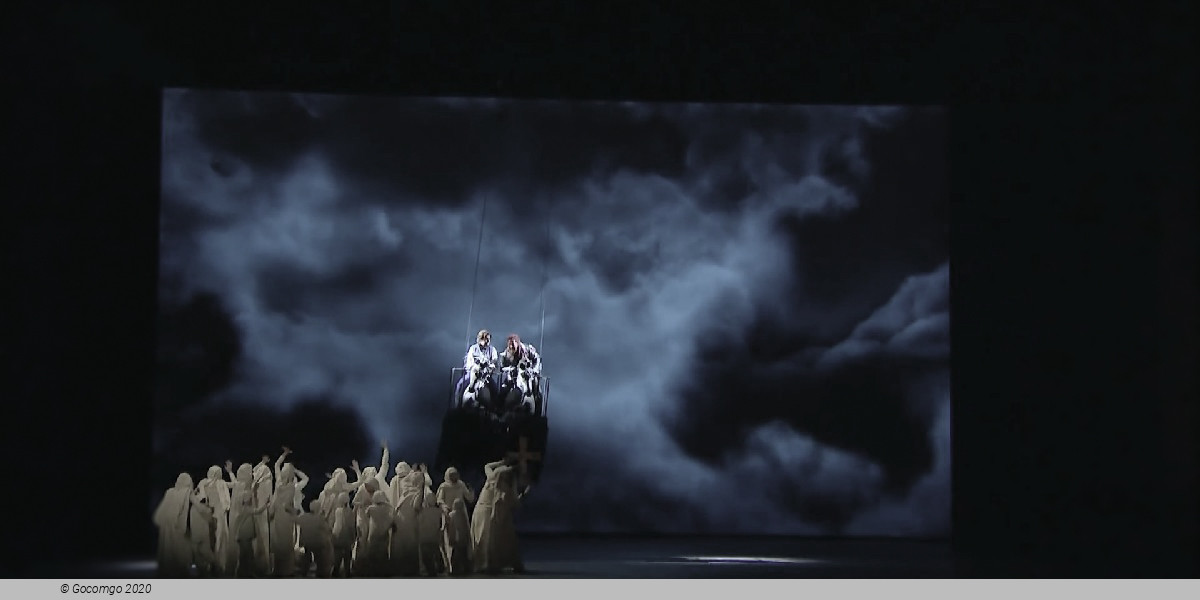
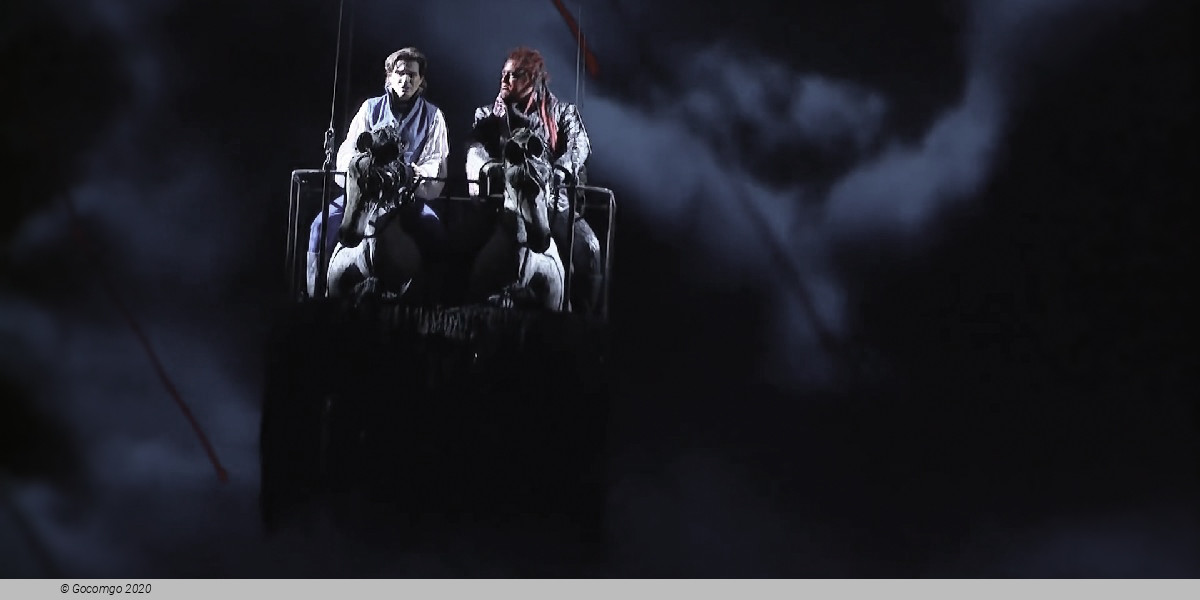
Faust calls upon nature to cure him of his world-weariness ("Nature immense, impénétrable et fière"). Méphistophélès appears and tells him that Marguerite is in prison. While awaiting Faust's return, she has given her mother the sleeping potion Faust had previously provided to calm her mother during their nights of love, and used it so often that she has killed the old woman, and now is to be hanged the next day. Faust panics, but Méphistophélès claims he can save her—if Faust relinquishes his soul to him. Unable to think of anything but saving Marguerite, Faust agrees. The two ride off on a pair of black horses.

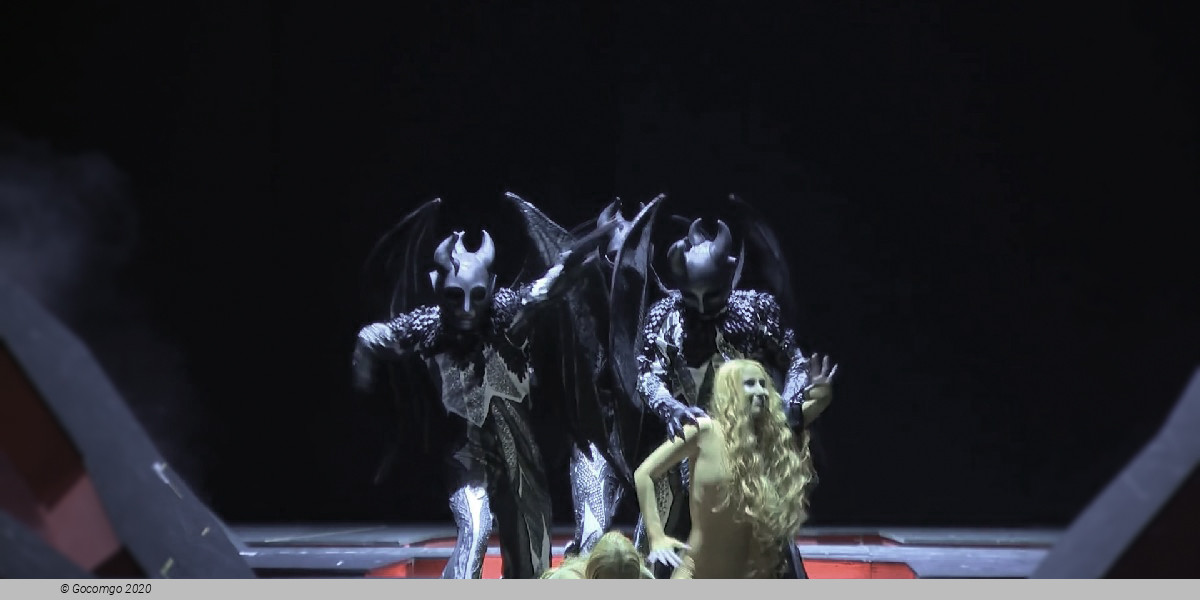
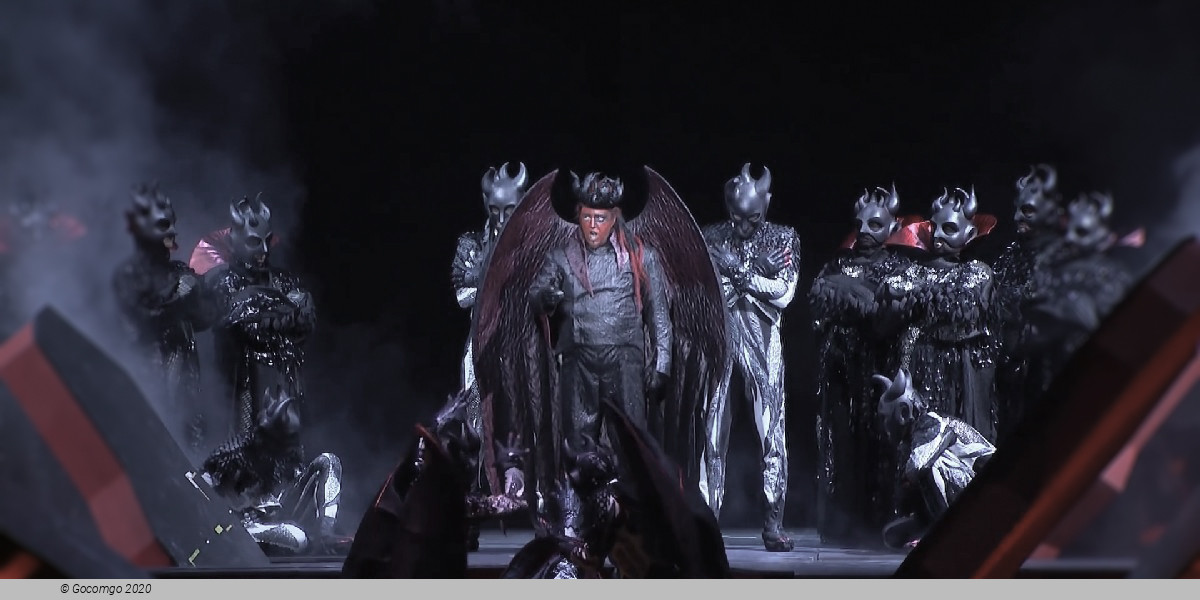
Thinking they are on their way to Marguerite, Faust becomes terrified when he sees demonic apparitions. The landscape becomes more and more horrible and grotesque, and Faust finally realizes that Méphistophélès has taken him directly into hell. Demons and damned spirits greet Méphistophélès in a mysterious infernal language and welcome Faust among them.

Hell has fallen silent after Faust's arrival—the torment he suffers is unspeakable. Marguerite is saved and welcomed into heaven.


Venue Info

Teatro di San Carlo - Naples
Location   Via San Carlo, 98

The Teatro Reale di San Carlo (Royal Theatre of Saint Charles), as originally named by the Bourbon monarchy but today known simply as the Teatro di San Carlo, is an opera house in Naples, Italy, connected to the Royal Palace and adjacent to the Piazza del Plebiscito.

The Teatro Reale di San Carlo (Royal Theatre of Saint Charles), as originally named by the Bourbon monarchy but today known simply as the Teatro di San Carlo, is an opera house in Naples, Italy, connected to the Royal Palace and adjacent to the Piazza del Plebiscito. It is the oldest continuously active venue for opera in the world, having opened in 1737, decades before either Milan's La Scala or Venice's La Fenice. The opera season runs from late January to May, with the ballet season taking place from April to early June. The house once had a seating capacity of 3,285, but has now been reduced to 1,386 seats. Given its size, structure and antiquity, it was the model for theatres that were later built in Europe.

Important Info
Type: Opera
City: Naples, Italy
Starts at: 20:00
Acts: 4
Duration: 2h 5min
Sung in: French
Titles in: Italian,English
Top of page