
Teatro Colón tickets 19 November 2026 - Premiere Die Walküre | GoComGo.com

Premiere
Die Walküre

Teatro Colón, Buenos Aires, Argentina
All photos (11)
Select date and time
6 PM
From
US$ 109

E-tickets: Print at home or at the box office of the event if so specified. You will find more information in your booking confirmation email.

You can only select the category, and not the exact seats.
If you order 2 or 3 tickets: your seats will be next to each other.
If you order 4 or more tickets: your seats will be next to each other, or, if this is not possible, we will provide a combination of groups of seats (at least in pairs, for example 2+2 or 2+3).

Important Info
Type: Opera
City: Buenos Aires, Argentina
Starts at: 18:00
Acts: 3
Sung in: German

E-tickets: Print at home or at the box office of the event if so specified. You will find more information in your booking confirmation email.

You can only select the category, and not the exact seats.
If you order 2 or 3 tickets: your seats will be next to each other.
If you order 4 or more tickets: your seats will be next to each other, or, if this is not possible, we will provide a combination of groups of seats (at least in pairs, for example 2+2 or 2+3).

Cast
Performers
Conductor: Alejo Pérez
Orchestra: Orquesta Estable del Teatro Colón
Creators
Composer: Richard Wagner
Director: Davide Livermore
Librettist: Richard Wagner
Overview

A thrilling fusion of music, drama, and cutting-edge stagecraft, Teatro Colón’s new production of Die Walküre is an unforgettable operatic experience — majestic, gripping, and profoundly moving.

Second day of the cycle Der Ring des Nibelungen (The Ring of the Nibelung).

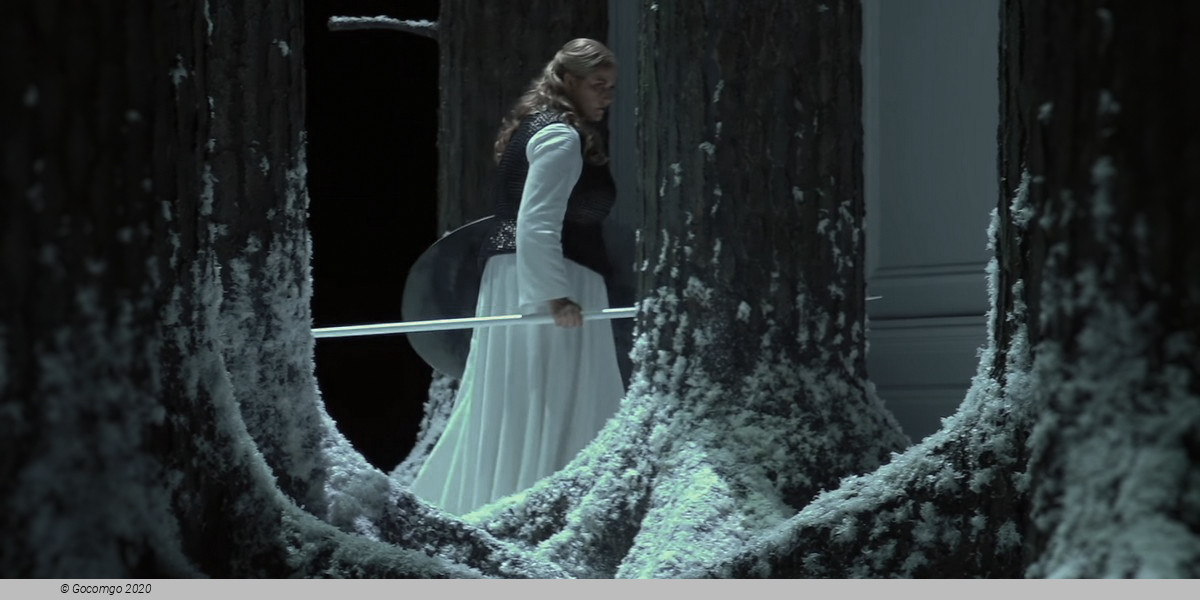
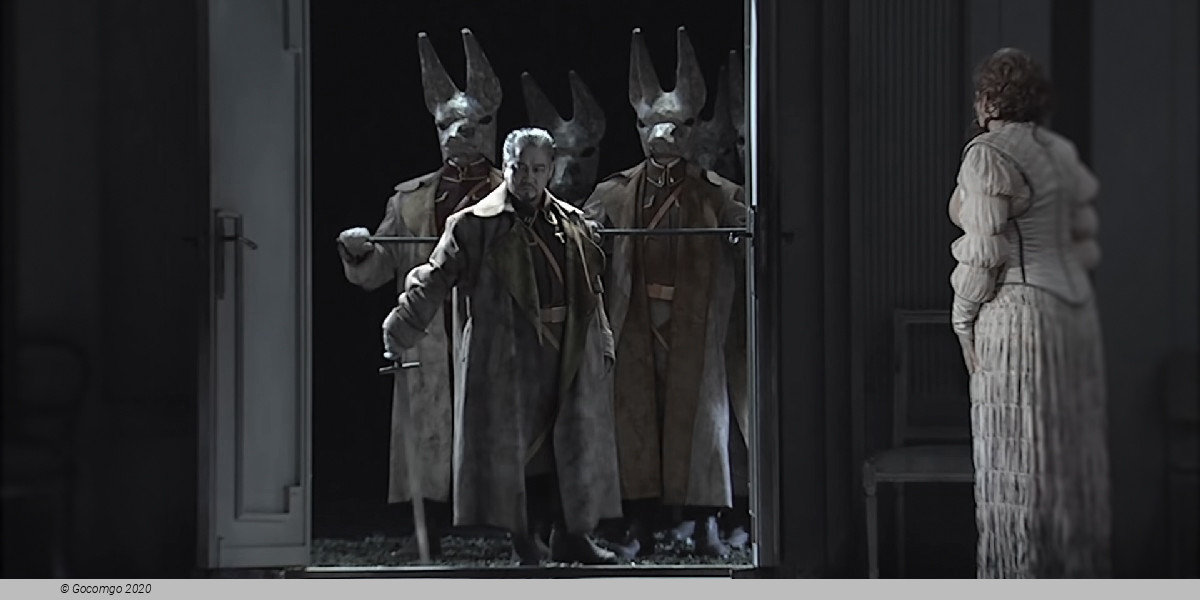
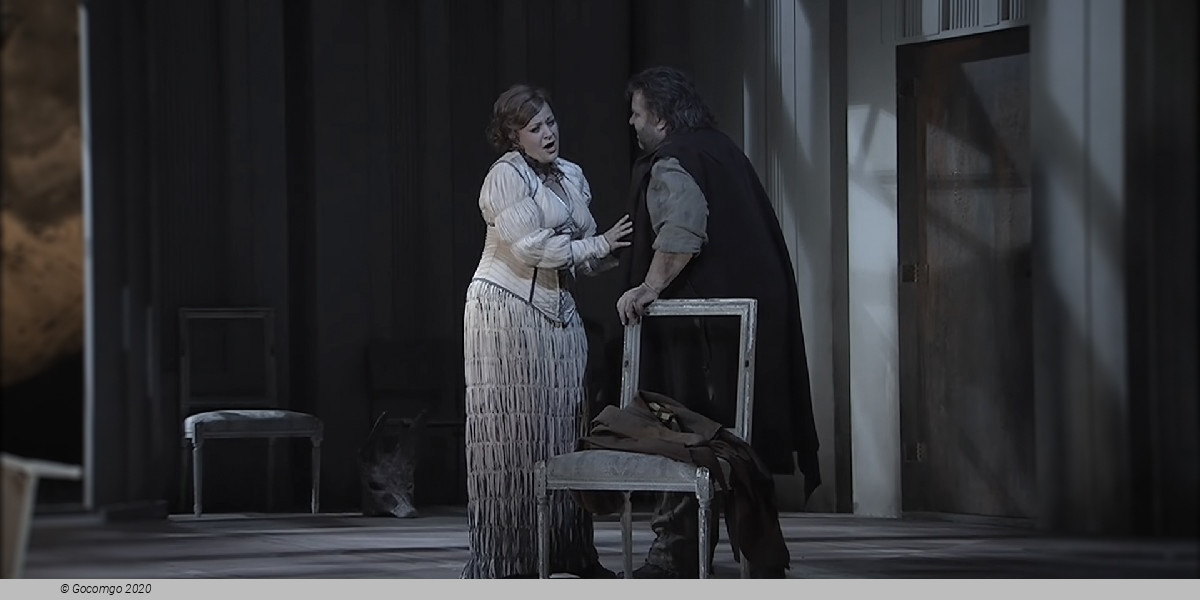
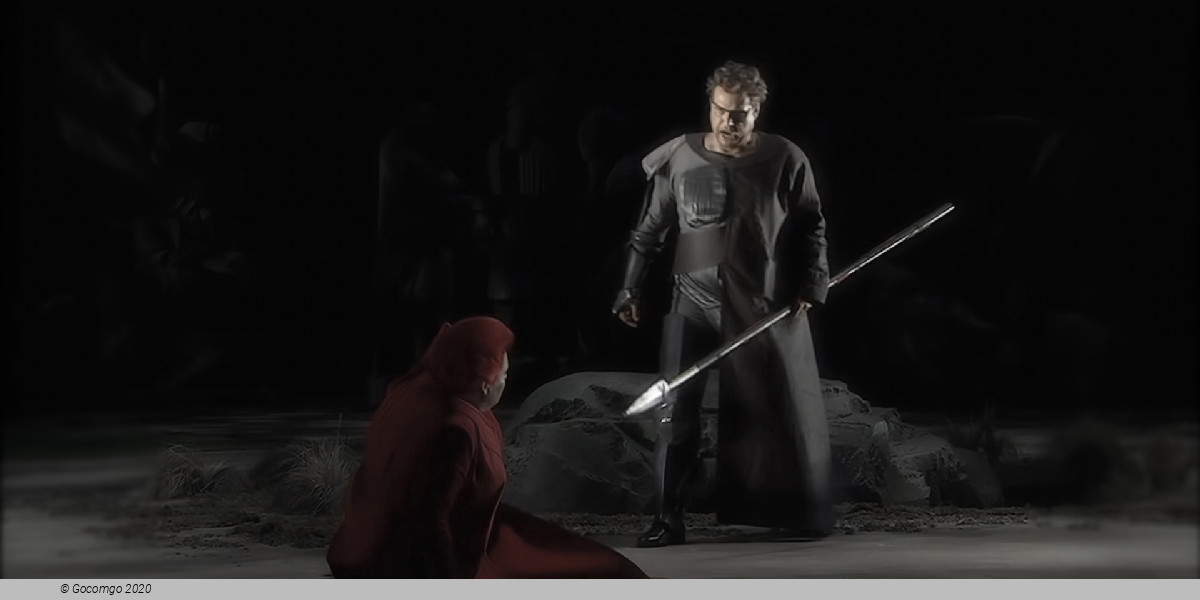
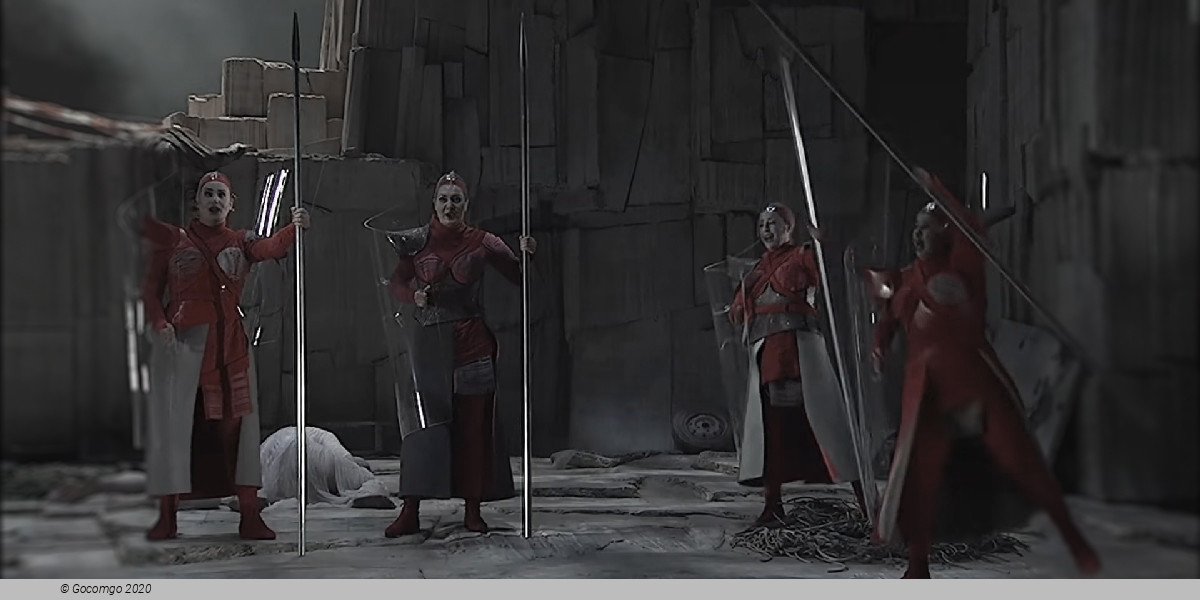
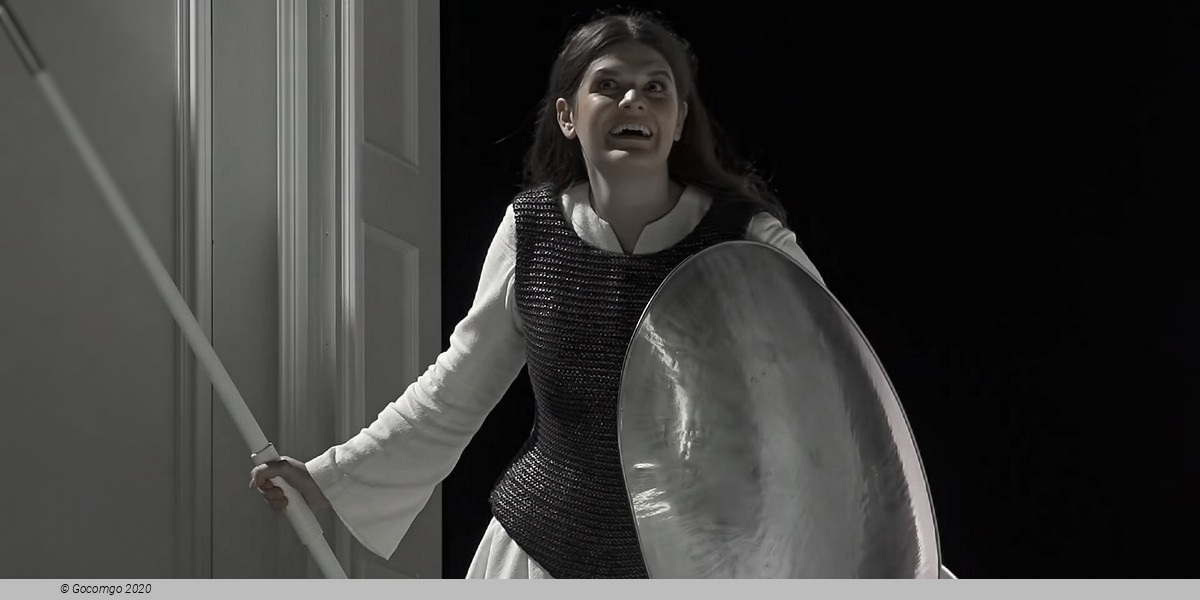
Teatro Colón unveils a bold new staging of Richard Wagner’s Die Walküre, brought to life by visionary Italian director Davide Livermore, known for his cinematic aesthetic, striking visual language, and emotionally charged storytelling. This new production reimagines the second chapter of Wagner’s monumental Ring cycle with a contemporary theatrical power that amplifies its mythic scale and human complexity.

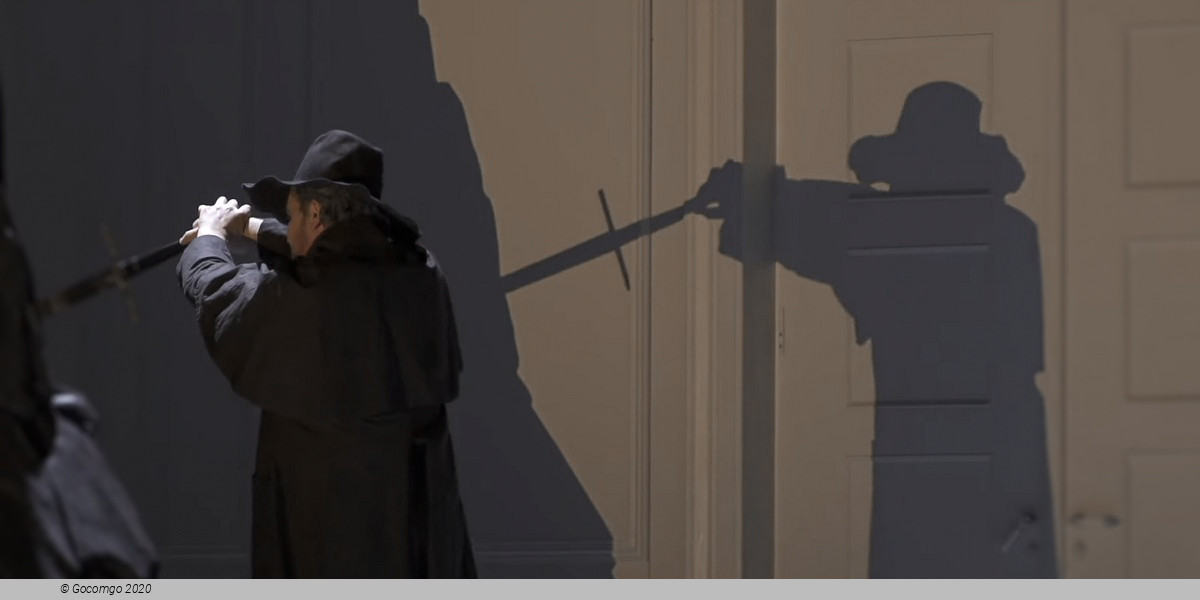
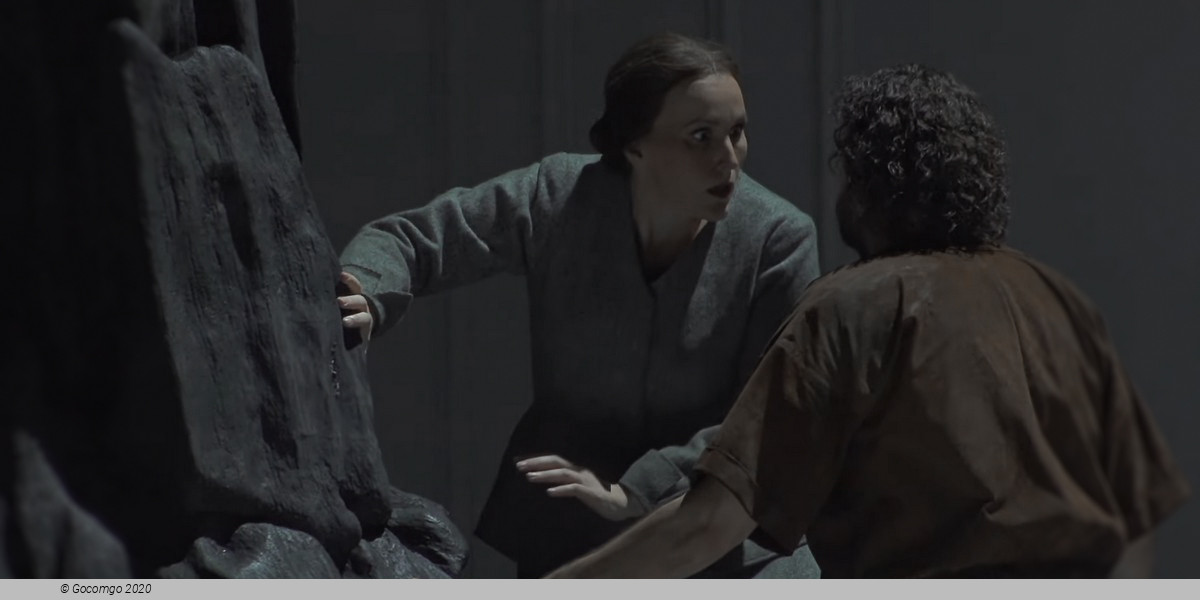
Livermore’s staging merges advanced projection design, sculptural sets, and symbolic imagery to create a world where gods and mortals struggle against destiny. Light, shadow, and movement intertwine to elevate the opera’s central themes — forbidden love, moral conflict, and the unraveling of divine order. The stage transforms fluidly from the storm-torn wilderness of Act I to the twilight realm of Valhalla, culminating in Brünnhilde’s haunting, fiery sacrifice.

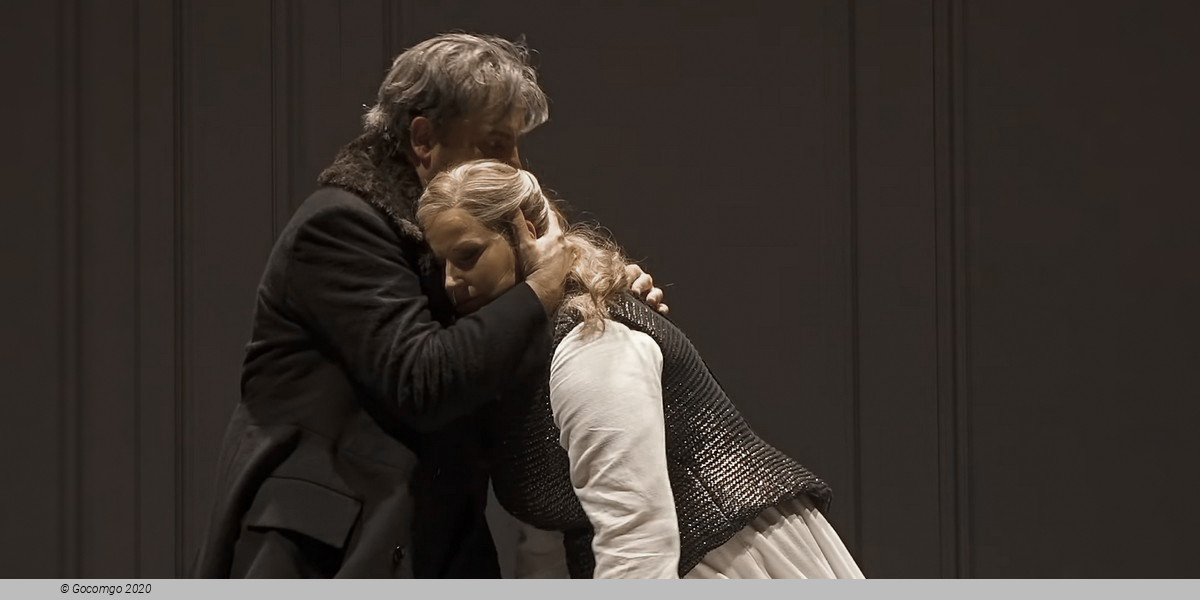
Wagner’s sweeping score is given full dramatic weight by the orchestra of Teatro Colón, immersing the audience in the music’s surging energy and intimate lyricism. The cast embodies the opera’s powerful roles with emotional and vocal richness: Siegmund and Sieglinde’s passionate union, Wotan’s towering authority, and Brünnhilde’s transformation from warrior to compassionate heroine.

This new Die Walküre honors Wagner’s epic vision while embracing modern theatrical innovation. Livermore’s interpretation reveals the opera’s psychological depth and moral tension, highlighting the fragile humanity beneath the myth.

New production of the Teatro Colón

History
Premiere of this production: 26 June 1870, Königliches Hof- und National-Theater in Munich

Die Walküre (The Valkyrie) is the second of the four music dramas that constitute Richard Wagner's Der Ring des Nibelungen, (English: The Ring of the Nibelung). It was performed, as a single opera, at the National Theatre Munich on 26 June 1870, and received its first performance as part of the Ring cycle at the Bayreuth Festspielhaus on 14 August 1876.


Synopsis

Prior history

During the lengthy time that has passed since the gods entered Valhalla at the end of Das Rheingold, Fafner has used the Tarnhelm to assume the form of a dragon, and guards the gold and the ring in the depths of the forest. Wotan has visited Erda seeking wisdom, and by her has fathered a daughter, Brünnhilde; he has fathered eight other daughters, possibly also by Erda. These, with Brünnhilde, are the Valkyries, whose task is to recover heroes fallen in battle and bring them to Valhalla, where they will protect the fortress from Alberich's assault should the dwarf recover the ring. Wotan has also wandered the earth, and with a woman of the Völsung race has fathered the twins Siegmund and Sieglinde, who have grown up separately and unaware of each other. From the Völsungs Wotan hopes for a hero who, unencumbered by the gods' treaties, will obtain the ring from Fafner.

Act 1

As a storm rages, Siegmund finds shelter from his enemies in a large dwelling built around a massive ash-tree. Unarmed and wounded, he collapses with exhaustion. Sieglinde enters; she tells Siegmund that she is the wife of Hunding, and that he may rest here until Hunding's return. As they talk, they look at each other with growing interest and emotion. Siegmund gets ready to leave, telling Sieglinde that misfortune follows him and he does not want to bring it on her; she replies that misfortune dwells with her already.

Hunding returns, and questions Siegmund's presence. Calling himself Wehwalt ("woeful"), Siegmund explains that he grew up in the forest with his parents and twin sister. One day he found their home burned down, his mother killed and his sister gone. Recently he fought with the relatives of a girl being forced into marriage. His weapons were destroyed, the bride was killed, and he was forced to flee. Hunding reveals that he is one of Siegmund's pursuers; Siegmund may stay, he says, but they must fight in the morning. Before leaving, Sieglinde gives a meaningful glance to a particular spot on the tree in which, the firelight reveals, a sword is buried to the hilt.

Sieglinde returns, having drugged Hunding's drink. She reveals that she was forced into the marriage and that during their wedding feast, an old man appeared and plunged a sword into the trunk of the ash tree which neither Hunding nor any of his companions have been able to remove. She is longing for the hero who will draw the sword and save her. When Siegmund expresses his love for her, she reciprocates, and when he speaks the name of his father, Wälse, she recognises him as Siegmund, and realises that the sword was left for him. Siegmund then draws the sword from the tree. She reveals herself as Sieglinde, his twin sister. Siegmund names the sword "Nothung" and declares that it will be her protection. The two sing of their passionate love for each other, as the act ends.

Act 2

On a high mountain ridge, Wotan instructs Brünnhilde, his Valkyrie daughter, to protect Siegmund in his forthcoming battle with Hunding. Fricka arrives, and in her role as goddess of family values demands that Siegmund and Sieglinde be punished for their adultery and incest. She scorns Wotan's argument that he requires Siegmund as a "free hero", who can further his plans to recover the ring from Fafner, uninhibited by Wotan's contracts. She retorts that Siegmund is not free but is Wotan's pawn, whose every move the god seeks to direct. Defeated by Fricka's argument, Wotan reluctantly agrees that he will not protect Siegmund. After Fricka leaves, the troubled Wotan gives Brünnhilde the full story, and with great sorrow rescinds his earlier instruction; he orders her to give the victory to Hunding, and then departs.

Siegmund and Sieglinde now enter, and Sieglinde faints, consumed with guilt and exhaustion. Brünnhilde tells Siegmund of his impending death; he refuses to follow Brünnhilde to Valhalla when she tells him Sieglinde cannot accompany him. Siegmund still believes that his father's sword will assure him of victory over Hunding, but Brünnhilde tells him it has lost its power. Siegmund threatens to kill both Sieglinde and himself. Much moved, Brünnhilde decides to defy her father and grant victory to Siegmund.

Hunding's call is heard; he arrives, and attacks Siegmund. Under Brünnhilde's power Siegmund begins to overpower Hunding, but Wotan appears and shatters Siegmund's sword with his spear. Hunding then stabs him to death. Brünnhilde gathers up the fragments of the sword and flees on horseback with Sieglinde. Contemptuously, Wotan strikes Hunding dead, and swearing that Brünnhilde will be punished for her defiance, sets out in pursuit of her.

Act 3

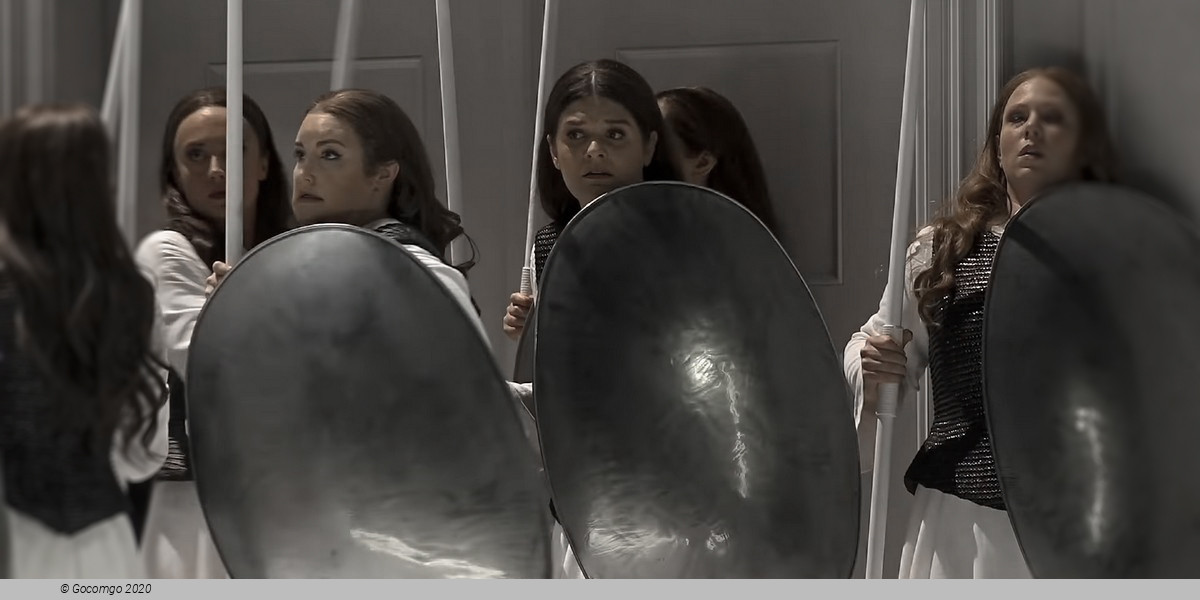
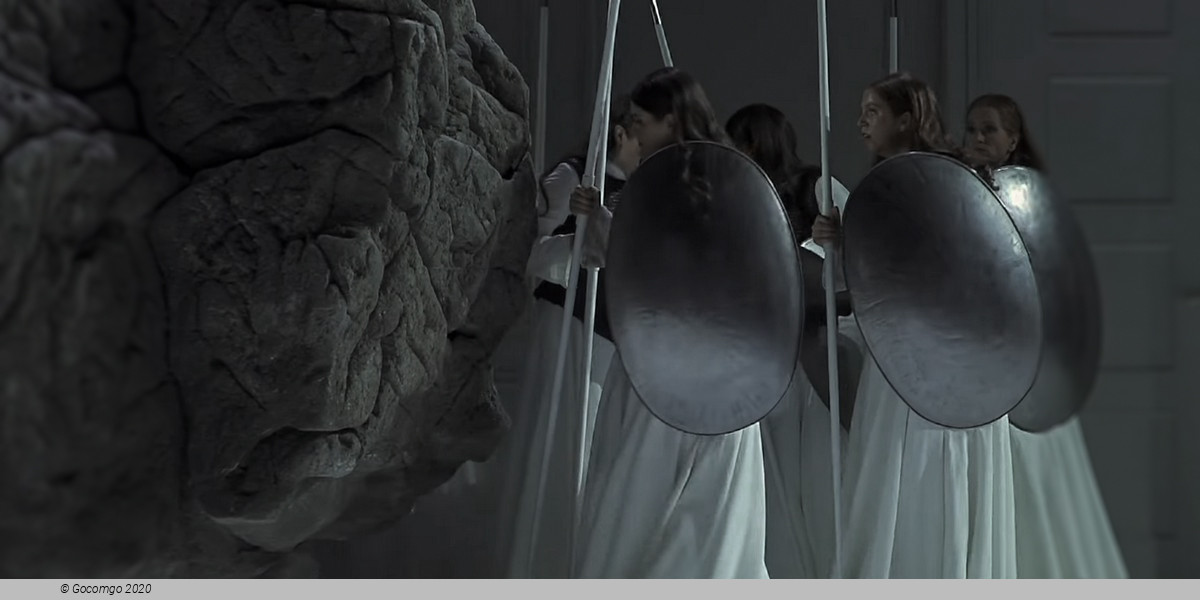
The Valkyries congregate on the mountain-top, each carrying a dead hero and chattering excitedly. Brünnhilde arrives with Sieglinde, and begs her sisters for help, but they dare not defy Wotan. Sieglinde tells Brünnhilde that without Siegmund she no longer wishes to live. Brünnhilde tells Sieglinde that she is pregnant by Siegmund, and urges her to remain alive for her child's sake, and to name the child Siegfried. Brünnhilde gives the fragments of the sword Nothung to Sieglinde, who thanks her for her loyalty and comfort, and resolves to save the child. As she departs, Wotan is heard approaching with great wrath.

When Wotan arrives, the Valkyries vainly try to hide Brünnhilde. He faces her and declares her punishment: she is to be stripped of her Valkyrie status and become a mortal woman, to be held in defenceless sleep on the mountain, prey to any man who finds her. The other Valkyries protest, but when Wotan threatens them with the same, they flee. In a long discourse with Wotan Brünnhilde explains that she decided to protect Siegmund knowing that this was Wotan's true desire. Wotan consents to her request that he surround her resting place with a circle of fire that will protect her from all but the bravest of heroes. He bids her a loving farewell and lays her sleeping form down on a rock. He then summons Loge, the demigod of fire, who creates a circle of flames around her. Before slowly departing, Wotan pronounces that anyone who fears his spear shall never pass through the fire.

Venue Info

Teatro Colón - Buenos Aires
Location   Cerrito 628

The Teatro Colón (Spanish: Columbus Theatre) is the main opera house in Buenos Aires, Argentina. It is considered one of the ten best opera houses in the world by National Geographic, and is acoustically considered to be amongst the five best concert venues in the world. The present Colón replaced an original theatre which opened in 1857. Towards the end of the century it became clear that a new theatre was needed and, after a 20-year process, the present theatre opened on 25 May 1908, with Giuseppe Verdi's Aïda.

History

The Colón theater operated in two buildings, the first located in the Plaza de Mayo until 1888 and the second located in front of the Plaza Lavalle, which took 20 years to be built until its inauguration in 1908. This land formerly housed the Park Station, the first railway station of the Argentine Republic as head of the Western Railway of Buenos Aires.

Throughout its history the main figures of opera, classical music and world ballet have performed in the Colón theater, such as Arturo Toscanini, Nijinski, Caruso, Regina Pacini, Anna Pavlova, Maya Plisetskaya, Margot Fonteyn, Mikhail Barishnikov, Antonio Gades, Richard Strauss, Igor Stravinsky, Camille Saint-Saens, Manuel de Falla, Aaron Copland, Herbert von Karajan, Leonard Bernstein, Mstislav Rostropovich, Zubin Mehta, Maria Callas, Renata Tebaldi, Yehudi Menuhin, Pau Casals, Rudolf Nureyev, Maurice Béjart, Plácido Domingo, José Carreras, Luciano Pavarotti, Lily Pons, Marina de Gabaráin, Victoria de los Ángeles, Montserrat Caballé, Kiri Te Kanawa, among others, and Argentine artists such as Adelaida Negri, Héctor Panizza, Alberto Ginastera, Jorge Donn, Norma Fontenla, José Neglia, Olga Ferri, Julio Bocca, Maximiliano Guerra, Paloma Herrera, Daniel Barenboim, Martha Argerich, Astor Piazzolla, Aníbal Troilo and Osvaldo Pugliese. In the last decade other popular artists such as Chris Cornell, Katherine Jenkins, Sarah Brightman, Joss Stone, Branford Marsalis, play here.

Among the main events of its history are the creation of stable bodies in the 1920s and its municipalization in 1931. In 1946, Peronism promoted a policy of openness to popular music and greater democratization of the public, which was reverted after its overthrow in 1955 and again resumed when democracy recovered in 1983.

In 2006 a full restoration work was started that would extend until 2010, when it was reopened on May 24 in commemoration of the Bicentennial of Argentina.

The first Teatro Colón

The first Teatro Colón was designed by Charles Pellegrini, and proved to be a successful venue for over 30 years, with 2,500 seats with the inclusion of a separate gallery reserved only for people who were in mourning. The construction started in 1856 and completed in 1857. This was celebrated with an opening on April 27, 1857, with Verdi's La traviata, just four years after its Italian premiere. The production starred Sofia Vera Lorini as Violetta and Enrico Tamberlik as Alfredo.

This theater was closed on September 13, 1888 to step aside for a new improved building, which was opened twenty years later on Libertad street, overlooking Plaza Lavalle. In that period of time, the 1890 crisis and its effects were the cause for the delay in the completion of this second theater.

Before the construction of the current Teatro Colón, opera performances were given in several theatres, of which the first Teatro Colón and the Teatro Opera were the most important. The principal company that performed at the Teatro Opera moved to the Teatro Colón in 1908. However, major companies also performed at the Teatro Politeama and the Teatro Coliseo which opened in 1907.

The present Teatro Colón

The theatre is bounded by the wide 9 de Julio Avenue (technically Cerrito Street), Libertad Street (the main entrance), Arturo Toscanini Street, and Tucumán Street. It is in the heart of the city on a site once occupied by Ferrocarril Oeste's Plaza Parque station.

The auditorium is horseshoe-shaped, has 2,487 seats (slightly more than the Royal Opera House in Covent Garden, London), standing room for 1,000 and a stage which is 20 m wide, 15 m high and 20 m deep. The low-rise building has 6 floors above ground and 3 below ground, 7 elevators with a facade of applied masonry. It has a large central chandelier with 700 light bulbs. The original architect was the Italian Francesco Tamburini; after his death it was completed by the Belgian architect Julio Dormal. The original auditorium "had eight boxes with metal grilles and a separate entrance, so that those in mourning could still attend performances, but remain dignifiedly sequestered from public view".

The Colon's acoustics are considered to be so good as to place it in the top five performance venues in the world. Luciano Pavarotti held a similar opinion.

Opening and subsequent history

The present theatre, the second with that name, opened on 25 May 1908, after twenty years under construction, and was inaugurated with Aida by the Italian company directed by Luigi Mancinelli and tenor Amedeo Bassi, soprano Lucia Crestani (as Aida). The second presentation was Thomas' Hamlet with the baritone Titta Ruffo During the inaugural season seventeen operas were performed with famous stars such as Ruffo, Feodor Chaliapin in Boito's Mefistofele, Antonio Paoli in Verdi's Otello.

The cornerstone of the present Teatro Colón was laid in 1889 under the direction of architect Francesco Tamburini and his pupil, Vittorio Meano, who designed a theatre in the Italian style on a scale and with amenities which matched those in Europe. However, delays followed due to financial difficulties, arguments regarding the location, the death of Tamburini in 1891, the murder of Meano in 1904 and the death of Angelo Ferrari, an Italian businessman who was financing the new theatre. The building was finally completed in 1908 under the direction of the Belgian architect Julio Dormal who made some changes in the structure and left his mark in the French style of the decoration. The bas-reliefs and busts on the facade are the work of sculptor Luigi Trinchero.

The theatre's opening on 25 May, the Día de la Patria in Argentina, featured a performance of Verdi's Aida and it quickly became a world-famous operatic venue rivaling La Scala and the Metropolitan Opera in attracting most of the world's best opera singers and conductors.

The Teatro was bombed by anarchists in 1910; Georges Clemenceau was present in Argentina during the attack. The bomb landed in the middle of the orchestra. Clemenceau describes the attack as follows: "The horror can not be exaggerated. A senior official told me that he had never seen such puddles of blood. The wounded were carried off as best as possible, and the room was emptied by the cries of fury, and the material damage repaired during the day which followed, not a woman of society missed the representation of the morrow. It is a fine trait of character that particularly honors the female element of the Argentine nation. I am not quite sure that in Paris the hall would have been full in such cases."

Ballet stars performed at the Colón alongside Argentine dancers and classical instrumentalists. This included the prima ballerina, Lida Martinoli. When she retired from dancing, Martinoli began to choreograph. She died in Santa Fe. The tragic 1971 aviation death of two of the best known of these, Norma Fontenla and José Neglia, was commemorated with a monument in neighbouring Lavalle Square.

With excellent acoustics and modern stage areas, the theatre's interior design features a rich scarlet and gold decor. The cupola contains canvas painted in 1966 by the 20th-century artist Raúl Soldi during renovation work.

Refurbishment, 2005 – 2010

In recent years, given the political and economic circumstances of Argentina, the Teatro Colón has suffered considerably, but a period of slow recovery began. The theatre underwent massive phased remodelling of both interior and exterior, initially while the house was still open, but production activities ceased at the end of December 2006 to allow full refurbishment.

Initially, "what had been planned as an 18-month, $25-million renovation with 500 workers, scheduled for a May 2008 reopening with Aida, became a three-year $100-million extravaganza with 1,500 workers including 130 professional architects and engineers." In addition, an exterior open-air stage was planned for an opening in 2011. In all, 60,000 square metres (645,835 sq ft) underwent updating, both inside and out.

Some of the last performances immediately before closure of the theatre's building were Swan Lake on 30 September with the Ballet Estable del Teatro Colón and the Buenos Aires Philharmonic (Orquesta Filarmónica de Buenos Aires). and, on 28 October, the opera Boris Godunov was given featuring Orquesta Estable del Teatro Colón and the house chorus.

The theatre's final performance before its closure for refurbishment works in 2005 was a concert on 1 November starring folklore singer Mercedes Sosa in performance with the Argentine National Symphony Orchestra, conducted by Pedro Ignacio Calderón.

While it was originally planned to reopen in time for the centenary on 25 May 2008, delays prevented this, and the house was finally reopened with a gala concert and 3D animations on 24 May 2010, the eve of its own 102nd birthday and the Argentina Bicentennial. Tchaikovsky's Swan Lake and Act 2 of Puccini's La bohème were performed. A private concert to test the acoustics attended by employees, architects, and others involved in the renovation occurred on 6 May 2010.

Important Info
Type: Opera
City: Buenos Aires, Argentina
Starts at: 18:00
Acts: 3
Sung in: German
Top of page