
Royal Opera of Versailles (Palace of Versailles) tickets 29 May 2027 - Vivaldi: Juditha Triumphans | GoComGo.com

Vivaldi: Juditha Triumphans

Royal Opera of Versailles (Palace of Versailles), Royal Chapel, Paris, France
All photos (7)
Select date and time
7 PM
From
US$ 123

E-tickets: Print at home or at the box office of the event if so specified. You will find more information in your booking confirmation email.

You can only select the category, and not the exact seats.
If you order 2 or 3 tickets: your seats will be next to each other.
If you order 4 or more tickets: your seats will be next to each other, or, if this is not possible, we will provide a combination of groups of seats (at least in pairs, for example 2+2 or 2+3).

Important Info
Type: Opera in Concert
City: Paris, France
Starts at: 19:00
Duration: 2h 45min

E-tickets: Print at home or at the box office of the event if so specified. You will find more information in your booking confirmation email.

You can only select the category, and not the exact seats.
If you order 2 or 3 tickets: your seats will be next to each other.
If you order 4 or more tickets: your seats will be next to each other, or, if this is not possible, we will provide a combination of groups of seats (at least in pairs, for example 2+2 or 2+3).

Cast
Performers
Conductor: Martin Wåhlberg
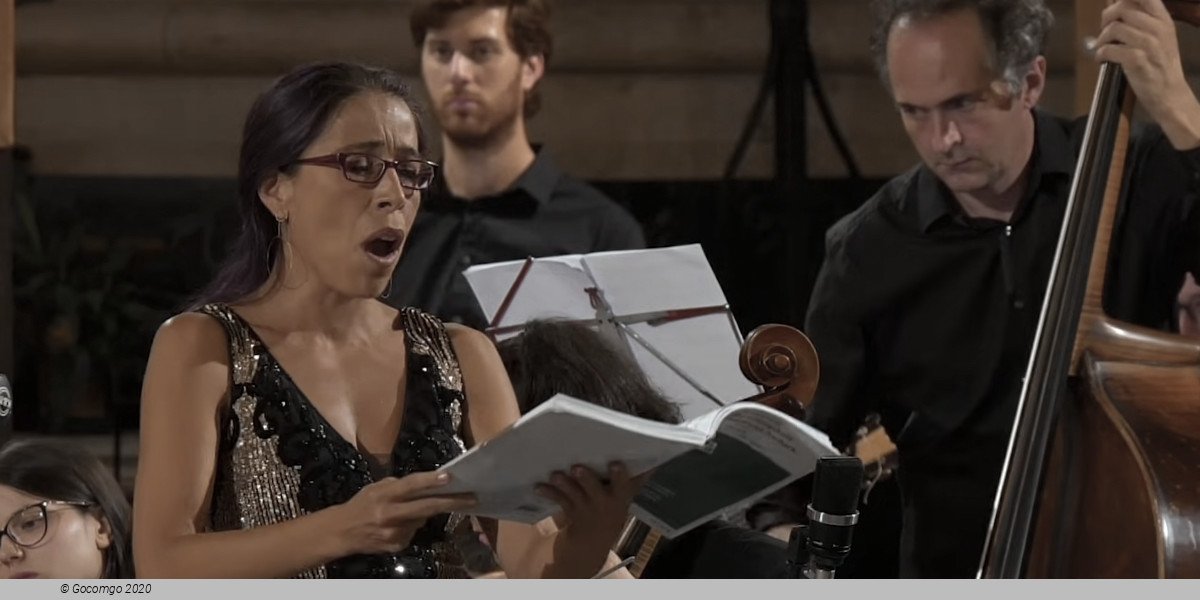
Mezzo-Soprano: Ann Hallenberg (Vagaus)
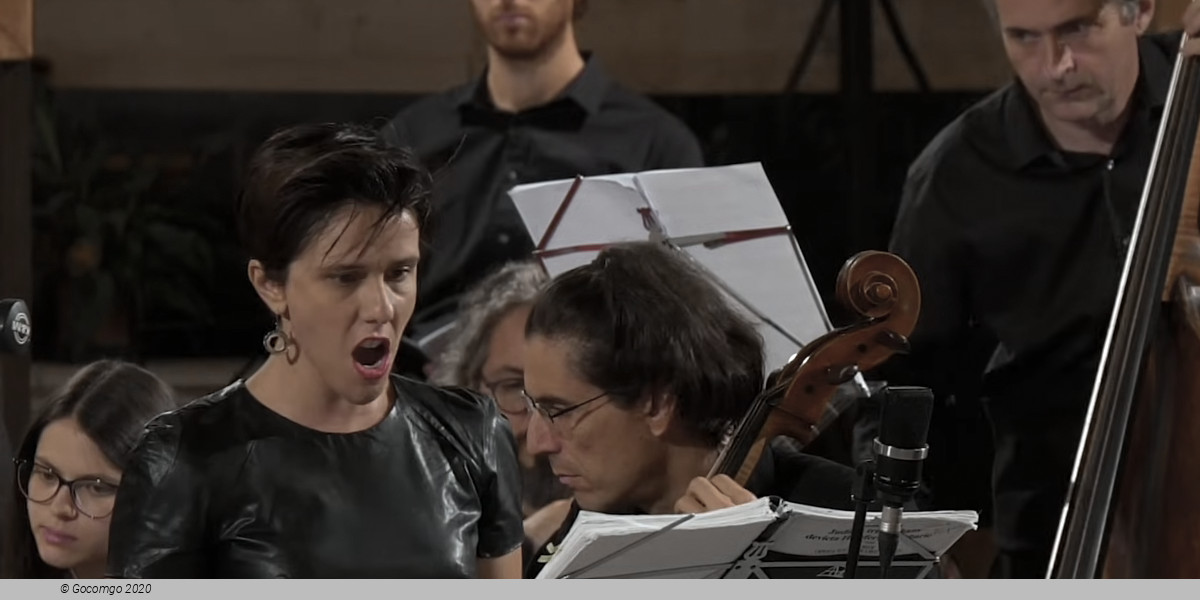
Mezzo-Soprano: Anna Bonitatibus (Juditha)
Mezzo-Soprano: Anthea Pichanick (Holofernes)
Soprano: Marie Perbost (Abra)
Orchestra: Orkester Nord
Chorus: Royal Opera Chorus
Creators
Composer: Antonio Vivaldi
Librettist: Iacopo Cassetti
Overview

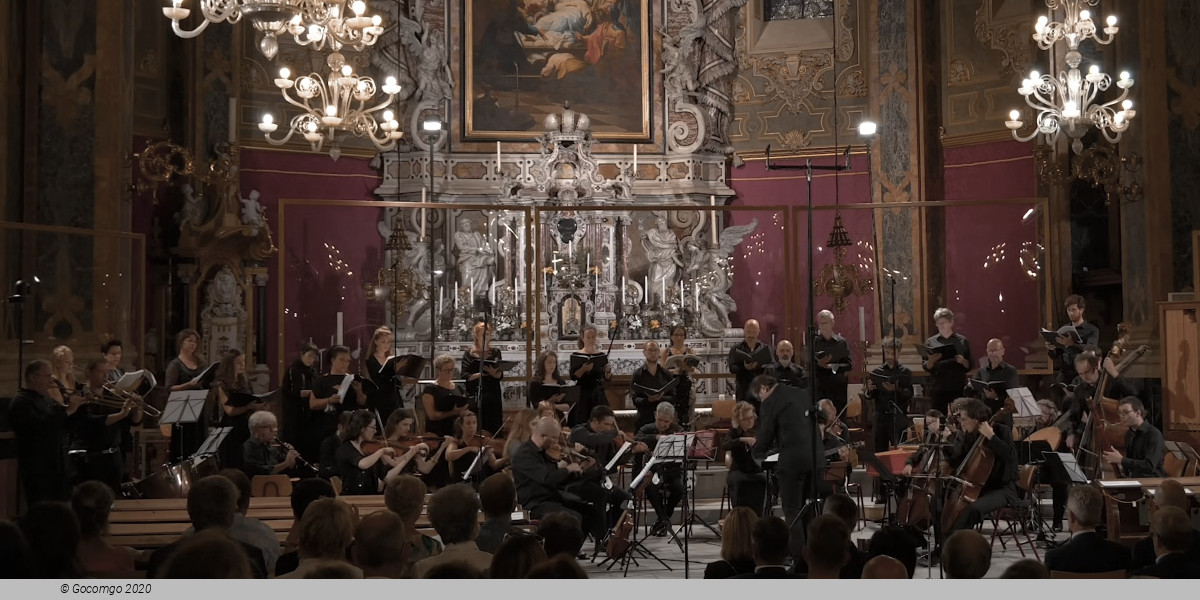
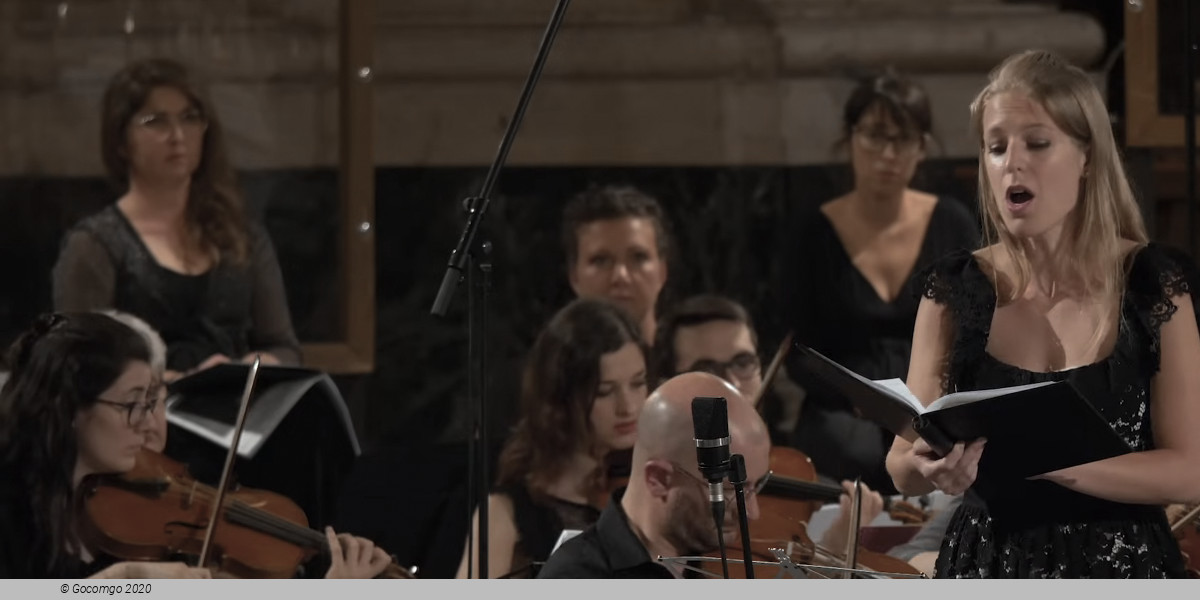
The composer's only surviving oratorio, composed in 1716 for young female musicians at the Ospedale della Pietà in Venice, Judith Triumphant celebrates the victory of the Venetian Republic over the Ottoman Empire. It is an allegorical and political work, as well as a spiritual one, featuring the biblical figure of Judith, a heroine of courage and cunning who triumphs over the general Holofernes to save her people.

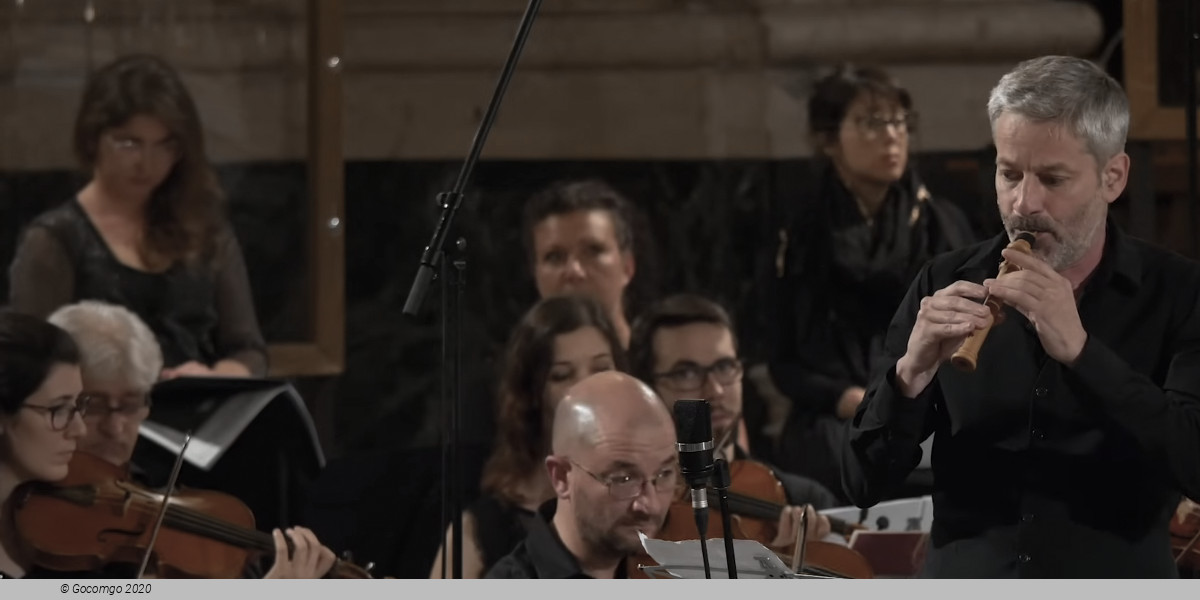
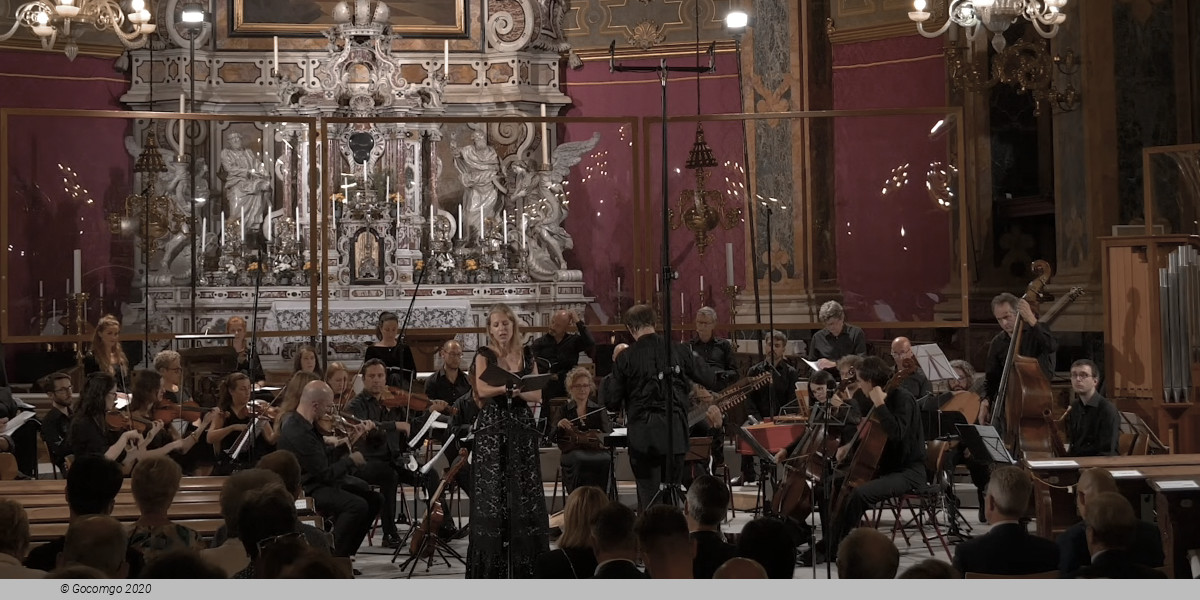
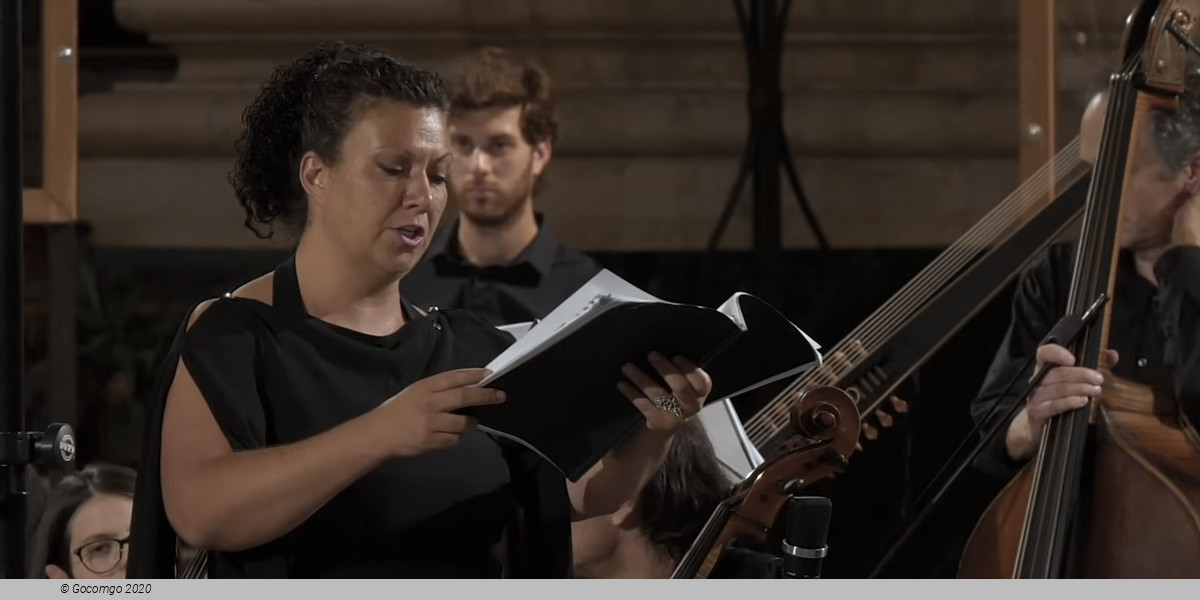
In this richly textured score, Vivaldi utilizes a surprisingly inventive instrumental palette—mandolins, theorbos, scallops, and viola d'amore—all serving a tense and contrasting dramatic narrative. Alternating between virtuosic arias, contemplative passages, and large choral ensembles, the work demonstrates a striking balance between expression and musical structure.

Under the baton of the Nord Orchestra, conductor Martin Wahlberg imbues this spiritual fresco with all his dramatic energy and stylistic grace, creating a historically informed and vibrant interpretation.

The cast includes two great figures of Baroque singing: Anna Bonitatibus as Judith and Anne Hallenberg as Vagaus, whose aria "Armata face et anguibus" has become a mainstay of the Baroque repertoire.

Thanks to the superb participation of the Royal Opera Chorus, this performance conveys all the theatrical modernity and emotional power of this masterpiece of sacred Baroque music. Between martial fervor and mystical introspection, "Judita Triumphant" emerges as a coherent musical work, in which the female voice triumphs brilliantly.

History

Juditha Triumphans by Antonio Vivaldi is a powerful baroque oratorio telling the story of Judith, who saves her people through courage and faith. Rich in color and dramatic expression, it combines virtuosic вокальные lines with vivid orchestration.

Synopsis

The Assyrian general Holofernes besieges the city of Bethulia. To save her people, Judith, a brave widow, enters the enemy camp, gaining Holofernes’ trust.

Using her intelligence and courage, she ultimately beheads him while he sleeps, bringing victory to her people. The enemy army falls into confusion, and Bethulia is saved.

The oratorio concludes with a triumphant celebration of faith, strength, and divine justice.

Venue Info

Royal Opera of Versailles (Palace of Versailles) - Paris
Location   3 Place Léon Gambetta, Versailles

The Royal Opera of Versailles is the main theatre and opera house of the Palace of Versailles. The Royal Opera is one of the greatest works by the architect Ange-Jacques Gabriel. Inaugurated in 1770 during the reign of Louis XV, it was at the time the largest concert hall in Europe, and was also a great technical achievement and an impressive feat of decorative refinement. A theatre for monarchic and then republican life, it has hosted celebrations, shows and parliamentary debates.

Designed by Ange-Jacques Gabriel, it is also known as the Théâtre Gabriel. The interior decoration by Augustin Pajou is constructed almost entirely of wood, painted to resemble marble in a technique known as faux marble. The excellent acoustics of the opera house is at least partly due to its wooden interior.

The house is located at the northern extremity of the north wing of the palace. General public access to the theater is gained through the two-story vestibule. Some parts of the Opéra, such as the King's Loge and the King's Boudoir represent some of the earliest expressions of what would become known as the Louis XVI style.

Lully’s Persée — written in 1682, the year Louis XIV moved into the palace — inaugurated the Opéra on 16 May 1770 in celebration of the marriage of the dauphin — the future Louis XVI — to Marie Antoinette.

The Opéra Royal can serve either as a theater for opera, stage plays, or orchestral events, when it can accommodate an audience of 712 or as a ballroom when the floor of the orchestra level of the auditorium can be raised to the level of the stage. On these occasions, the Opéra can accommodate 1,200.

Important Info
Type: Opera in Concert
City: Paris, France
Starts at: 19:00
Duration: 2h 45min
Top of page