
Prague National Theatre tickets 21 June 2026 - Evening of ballets by George Balanchine: "Brahms-Schoenberg Quartet". "Who Cares?" | GoComGo.com

Evening of ballets by George Balanchine: "Brahms-Schoenberg Quartet". "Who Cares?"

Prague National Theatre, The State Opera, Prague, Czech Republic
All photos (8)
Select date and time
7 PM
From
US$ 71

E-tickets: Print at home or at the box office of the event if so specified. You will find more information in your booking confirmation email.

You can only select the category, and not the exact seats.
If you order 2 or 3 tickets: your seats will be next to each other.
If you order 4 or more tickets: your seats will be next to each other, or, if this is not possible, we will provide a combination of groups of seats (at least in pairs, for example 2+2 or 2+3).

Important Info
Type: Ballet
City: Prague, Czech Republic
Starts at: 19:00

E-tickets: Print at home or at the box office of the event if so specified. You will find more information in your booking confirmation email.

You can only select the category, and not the exact seats.
If you order 2 or 3 tickets: your seats will be next to each other.
If you order 4 or more tickets: your seats will be next to each other, or, if this is not possible, we will provide a combination of groups of seats (at least in pairs, for example 2+2 or 2+3).

Cast
Performers
Ballet company: Czech National Ballet
Orchestra: The State Opera Orchestra
Creators
Composer: George Gershwin
Composer: Johannes Brahms
Choreographer: George Balanchine
Overview

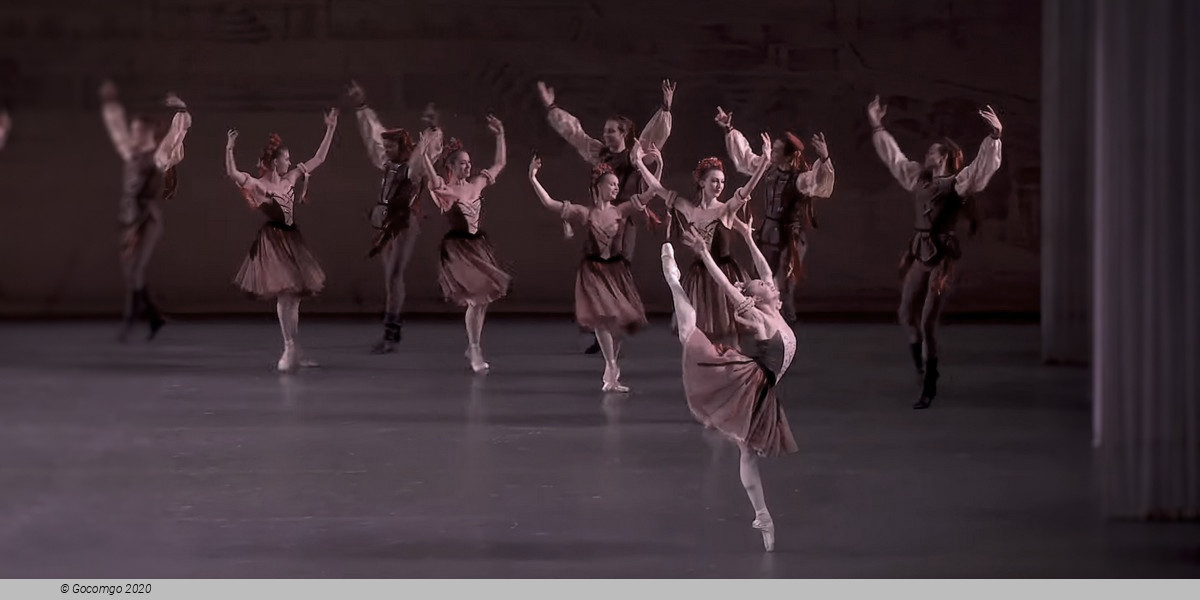
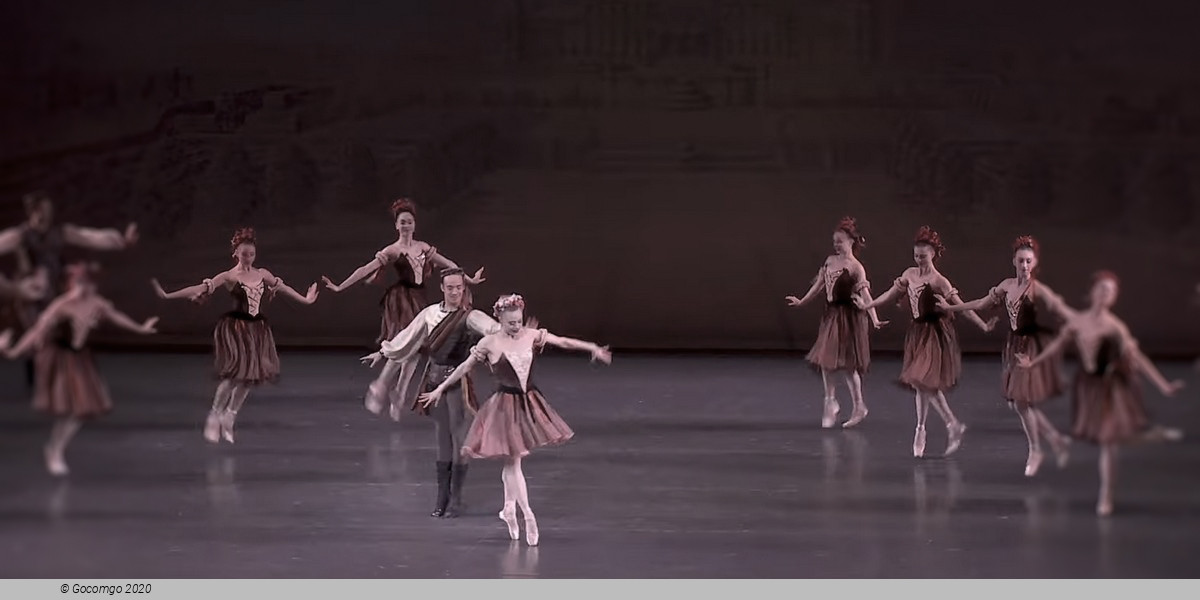
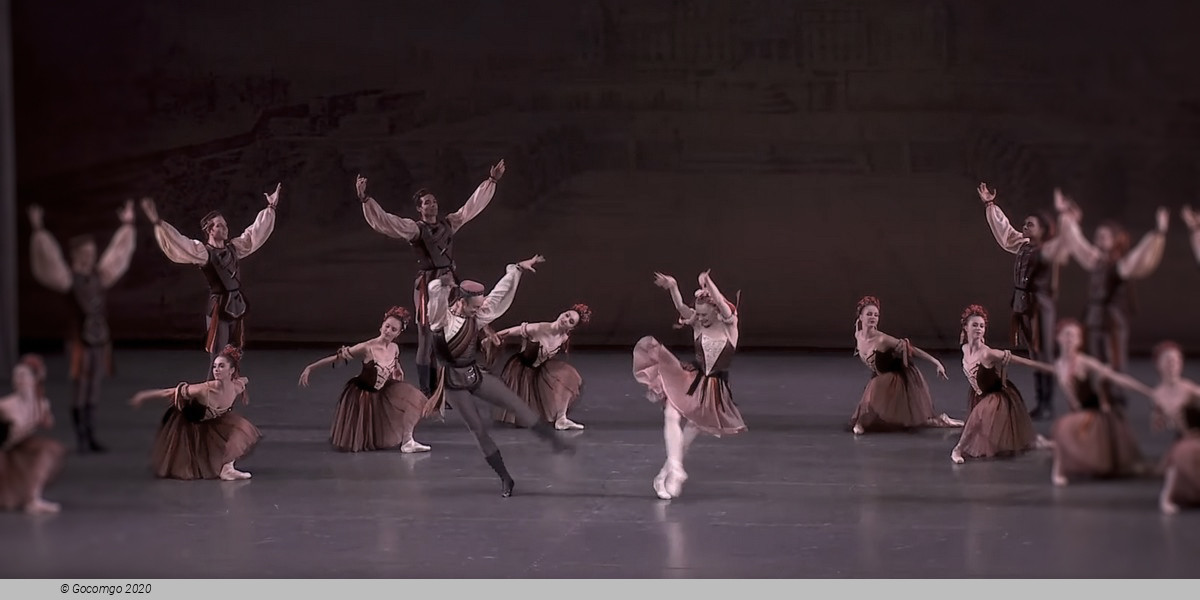
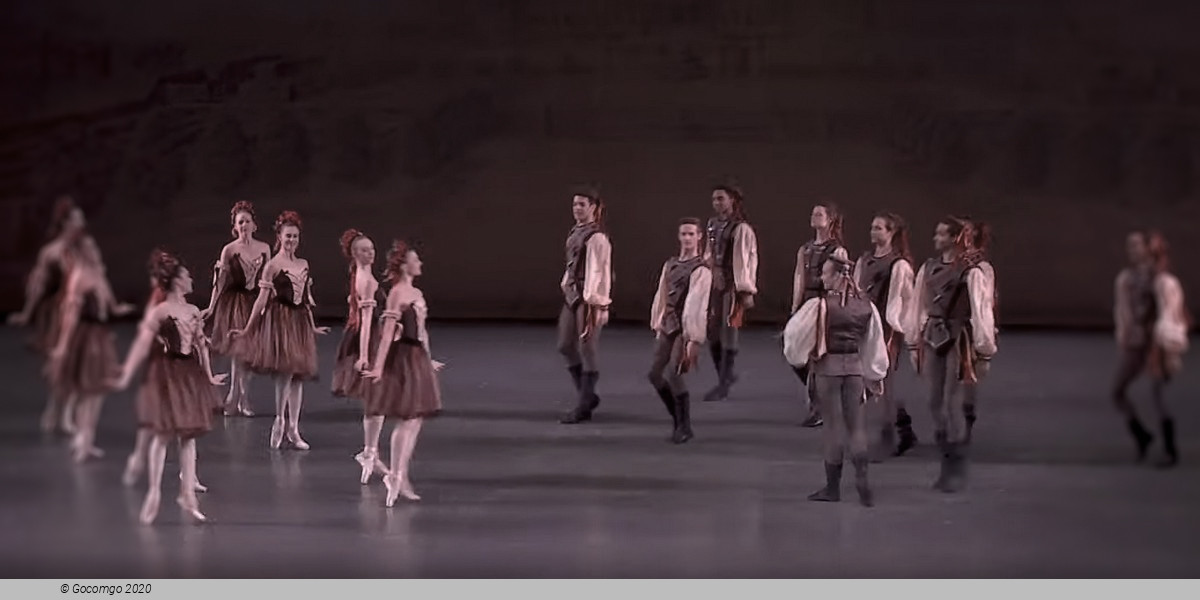
The double bill pays homage to George Balanchine, one of the most influential 20th-century choreographers, considered the founder of neoclassical ballet. The production features his Brahms-Schoenberg Quartet and Who Cares?, both created for the New York City Ballet.

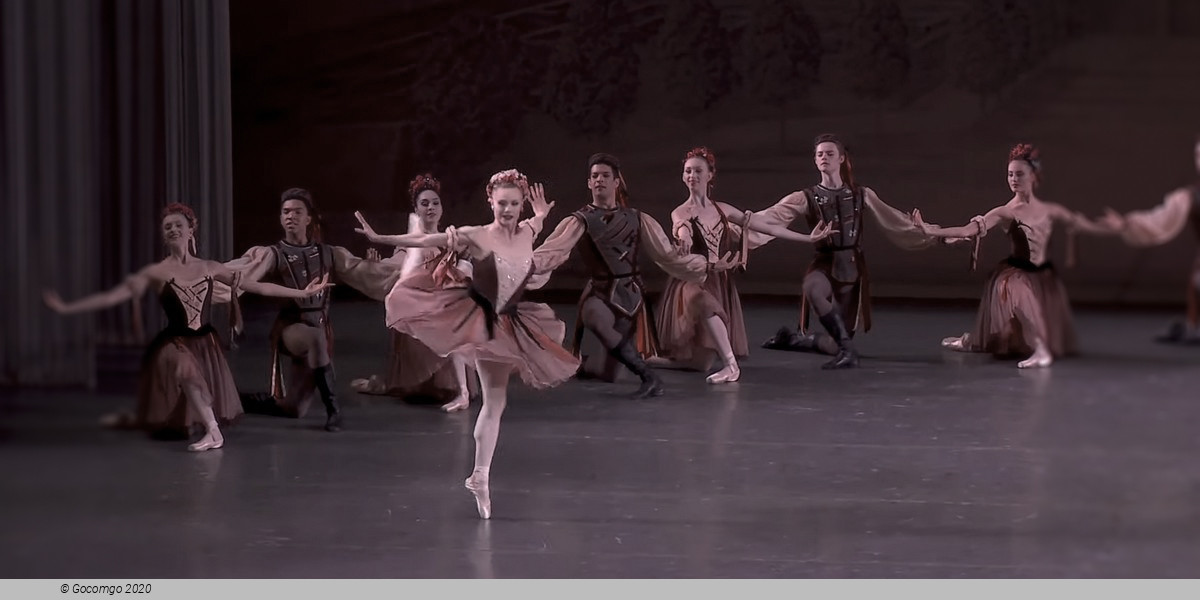
Brahms-Schoenberg Quartet (1966) is Balanchine’s very first abstract work. The choreographer used to say that chamber music was not suitable for large-scale ballets, since chamber pieces are usually “too long, with too many repeats, and are meant for small rooms”. Back in the 1930s, Arnold Schoenberg orchestrated Johannes Brahms’s Piano Quartet No. 1 in G minor, voicing similar dissatisfaction. In a letter to the San Francisco Chronicle music critic Alfred Frankenstein, he explained the reasons for having done so: “1. I like the piece. 2. It is seldom played. 3. It is always very badly played, because the better the pianist, the louder he plays, and you hear nothing from the strings. I wanted once to hear everything, and this I achieved.” Balanchine opted for Schoenberg’s version. His Brahms-Schoenberg Quartet is a dynamic one-act ballet for 55 dancers in four parts (in line with the four movements of Brahms’s quartet), each possessing a particular mood, style and charge.

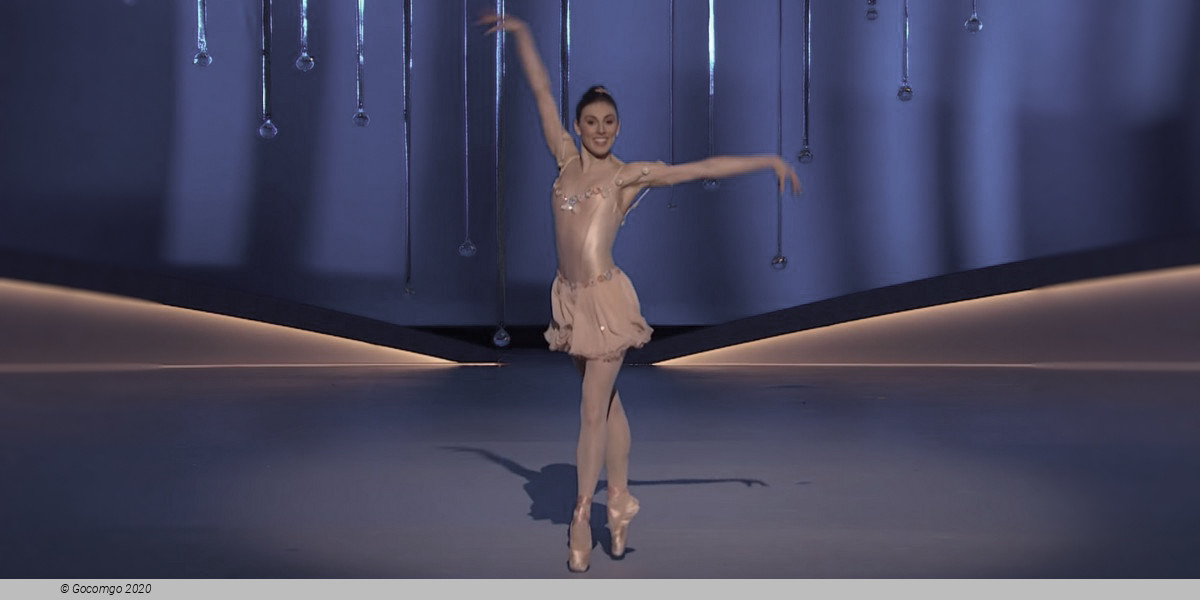
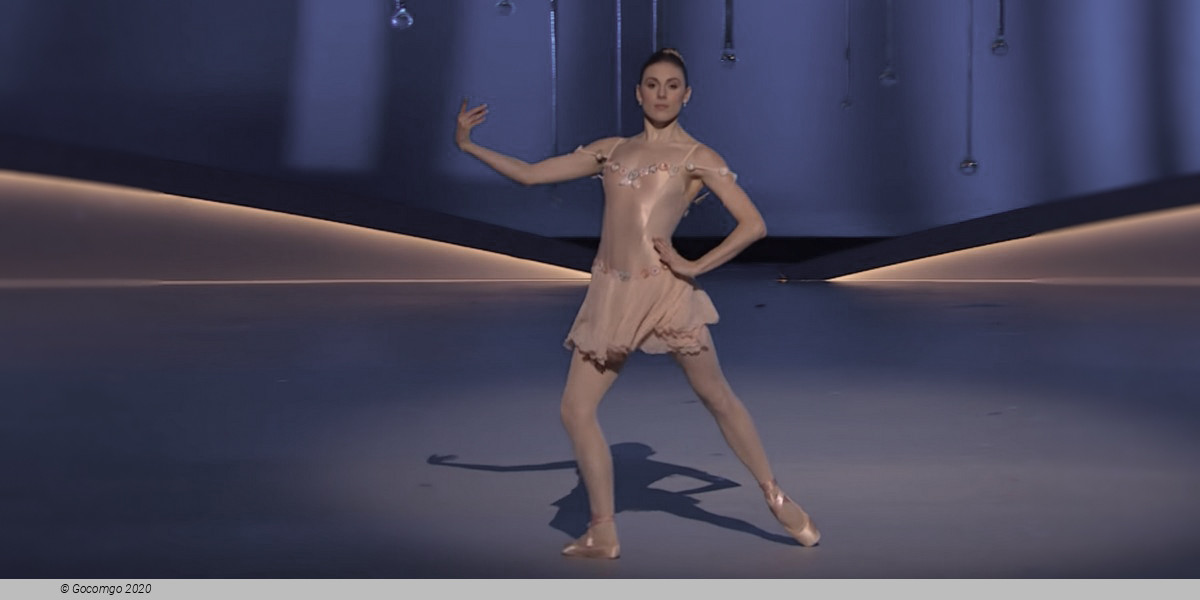
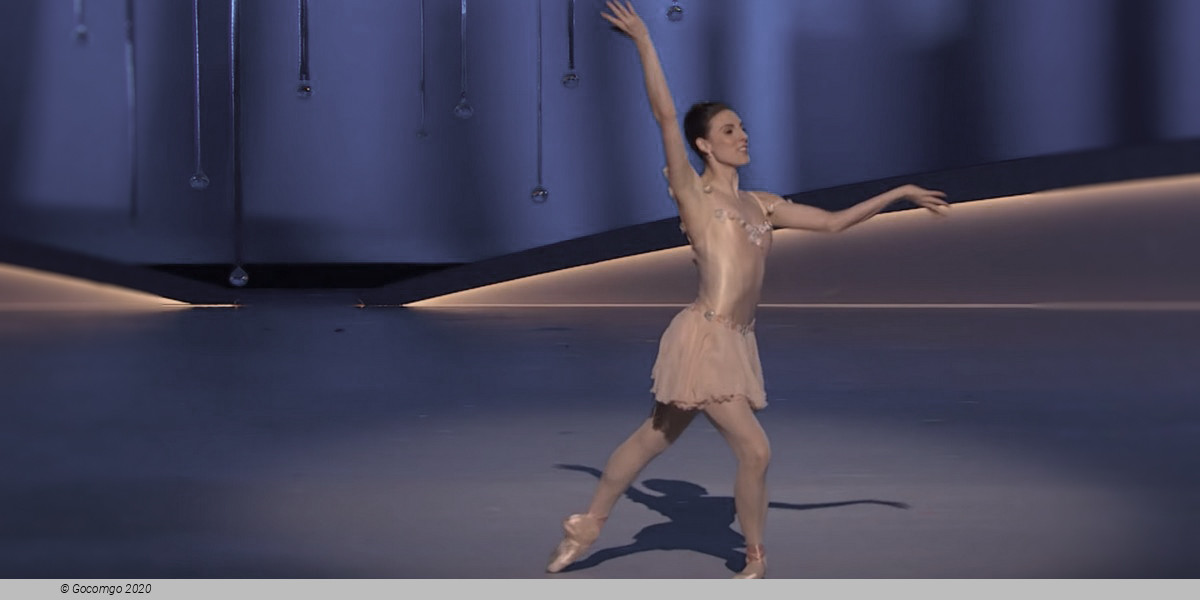
Choreographed to George Gershwin’s music, the 40-minute neoclassical ballet Who Cares? is one of George Balanchine’s most joyous works. Its title is identical with that of one of the featured songs, written by George and Ira Gershwin for their 1931 musical Of Thee I Sing. “The best of Gershwin songs maintain their classic freshness, like an eternal martini – dry, frank, refreshing, tailor-made, with an invisible kick from its slightest hint of citron,” wrote Lincoln Kirstein, co-founder of the New York City Ballet. Robert Sealy of Ballet Review said: “This fast-stepping, cheeky ballet evokes the lively spirit of Fred Astaire, Ginger Rogers and the 1930s, and portrays an exuberance that is broadly American and charged with a distinctive energy. Who Cares? is wonderful. Never in a theatre have I wanted so much to jump the moat and join in. It is pure, unmitigated, uncut joy.” 

Balanchine also created quite a few choreographies for Broadway that left a clear stamp on his work for the New York City Ballet. In Who Cares?, set to 16 songs by George Gershwin, he evokes the chic glamour, light-hearted humour and effervescent joie de vivre of old Broadway.

Who Cares? is a ballet made by New York City Ballet's co-founder and founding choreographer George Balanchine to songs by George Gershwin in an orchestration by Hershy Kay. The premiere took place on Saturday, February 7, 1970, at the New York State Theater, Lincoln Center with costumes by Barbara Karinska and lighting by Ronald Bates; it was at first performed without décor but from November 1970 with scenery by Jo Mielziner.

The conductor was Robert Irving and the pianist on opening night Gordon Boelzner; the orchestration had only been completed for two songs, "Strike Up the Band" and "I Got Rhythm". "Clap Yo' Hands" was performed to a recording made by George Gershwin; this sequence was, however, eliminated by Balanchine in 1976; new costumes were commissioned from Ben Benson by Balanchine before his death and have been used since 1983.

Balanchine and Gershwin's plans to collaborate were frustrated by the composer's untimely death in 1937. Thirty-three years later, Balanchine chose seventeen of Gershwin's from Broadway musical songs for this ballet; Mayor John V. Lindsay presented Balanchine with the Handel Medallion, New York City's highest cultural award, on opening night.

History
Premiere of this production: 12 April 1966, New York State Theater, New York

Brahms–Schoenberg Quartet is a ballet created by New York City Ballet original ballet master (and co-founder) George Balanchine to Brahms's Piano Quartet No. 1 in G minor, Op. 25 (1861) orchestrated by Arnold Schoenberg in 1937. The premiere took place Tuesday, April 12, 1966 at the New York State Theater, Lincoln Center, with costumes by Karinska, original lighting by Ronald Bates and current lighting by Mark Stanley.

"Who Cares?" is a song composed by George Gershwin, with lyrics by Ira Gershwin, written for their 1931 musical Of Thee I Sing. It was introduced by William Gaxton and Lois Moran in the original Broadway production.

Venue Info

Prague National Theatre - Prague
Location   Národní 2

The National Theatre is the prime stage of the Czech Republic. It is also one of the symbols of national identity and a part of the European cultural space, with a tradition spanning more than 130 years. It is the bearer of the national cultural heritage, as well as a space for free artistic creation.

The National Theatre (Czech: Národní divadlo) in Prague is known as the alma mater of Czech opera, and as the national monument of Czech history and art.

The National Theatre belongs to the most important Czech cultural institutions, with a rich artistic tradition, which helped to preserve and develop the most important features of the nation–the Czech language and a sense for a Czech musical and dramatic way of thinking.

Today, the National Theatre is made up of four artistic companies – the Opera, Drama, Ballet and Laterna magika. It artistically manages four stages – the three historical buildings: the National Theatre (1883), the State Opera (1888), and the Estates Theatre (1783), and the more recently opened New Stage (1983). The Opera, Drama and Ballet companies perform not only titles from the ample classical legacy, in addition to Czech works, they also focus on contemporary international creation.

Grand opening

The National Theatre was opened for the first time on 11 June 1881, to honour the visit of Crown Prince Rudolf of Austria. Bedřich Smetana's opera Libuše was given its world premiere, conducted by Adolf Čech. Another 11 performances were presented after that. Then the theatre was closed down to enable the completion of the finishing touches. While this work was under way a fire broke out on 12 August 1881, which destroyed the copper dome, the auditorium, and the stage of the theatre.

The fire was seen as a national catastrophe and was met with a mighty wave of determination to take up a new collection: Within 47 days a million guldens were collected. This national enthusiasm, however, did not correspond to the behind-the-scenes battles that flared up following the catastrophe. Architect Josef Zítek was no longer in the running, and his pupil architect Josef Schulz was summoned to work on the reconstruction. He was the one to assert the expansion of the edifice to include the block of flats belonging to Dr. Polák that was situated behind the building of the Provisional Theatre. He made this building a part of the National Theatre and simultaneously changed somewhat the area of the auditorium to improve visibility. He did, however, take into account with utmost sensitivity the style of Zítek's design, and so he managed to merge three buildings by various architects to form an absolute unity of style.

Important Info
Type: Ballet
City: Prague, Czech Republic
Starts at: 19:00
Top of page