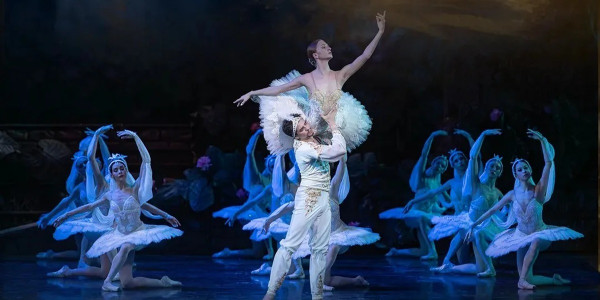
Ghostly vengeance, brotherly devotion and a parent's heartbreak meet in a Qinqiang opera showcase led by Qi Aiyun, Zhang Tao and Tong Chao.
The programme pairs Ghostly Grievances and Killing from A Visit to West Lake with Chopping Firewood and Advising the Brother and Losing the Son at Qingfeng Pavilion.
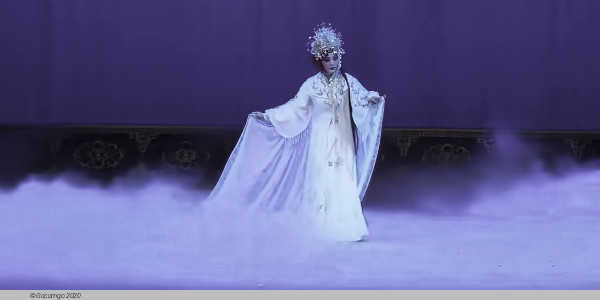
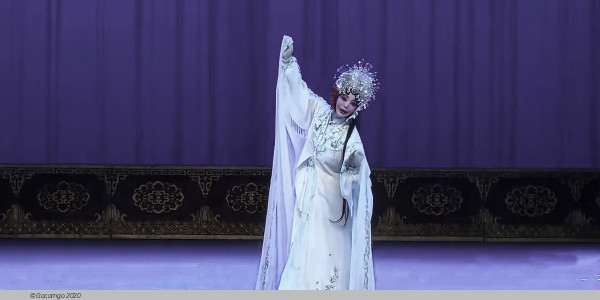
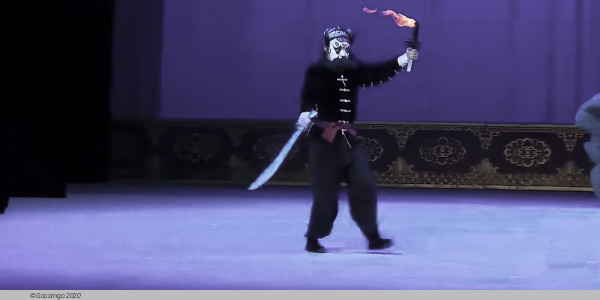
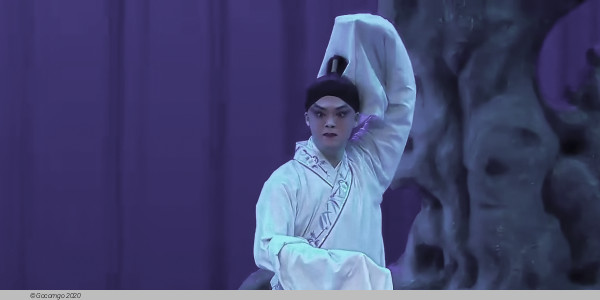
Qi Aiyun's scenes combine flowing water sleeves with fire-breathing technique; Zhang Tao portrays a woodcutter devoted to his brother, while Tong Chao takes on an adoptive father's grief.
Children under 1 metre tall are not admitted. Every attendee, including children, needs a ticket.
Cast (names transliterated)
Qi Aiyun (dan role); Zhang Tao (xiaosheng role); Tong Chao (laosheng role).
"A Visit to West Lake – Ghostly Grievances and Killing" is a famous excerpt from the traditional Qinqiang Opera "A Visit to West Lake". Combining tragic romance, supernatural elements, and spectacular traditional stage techniques, the production tells the legendary story of Li Huiniang, whose spirit returns after death to rescue her beloved and seek justice.
"A Visit to West Lake" is one of the representative works of Qinqiang Opera, adapted from the classical Chinese legend "The Plum Blossom Pavilion" by Zhou Chaojun of the Ming Dynasty. The story takes place during the Southern Song Dynasty and follows the tragic love between scholar Pei Ruiqing and Li Huiniang, the concubine of the powerful official Jia Sidao.
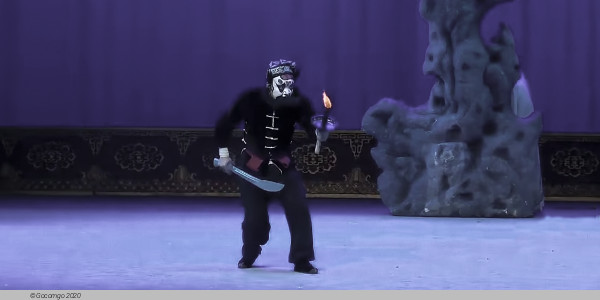
After Jia Sidao discovers Li Huiniang's admiration for the young scholar, he kills her in anger and later attempts to eliminate Pei Ruiqing. Li Huiniang's spirit refuses to disappear and returns as a ghost to save Pei and expose injustice. The famous scenes "Ghostly Grievances" and "Killing" are the dramatic highlights of the opera, featuring intense singing, expressive movement, and the legendary "blowing fire" technique of Qinqiang opera.
The performance is especially famous for the "fire-spitting" stage technique, where the performer creates the image of ghostly flames through traditional methods, symbolizing Li Huiniang's anger, sorrow, and desire for justice.









 69-1 Lane 6, Renmin South Road (near Meiyuan Road), Songjiang District, Shanghai (上海市松江区人民南路6弄69号-1)