
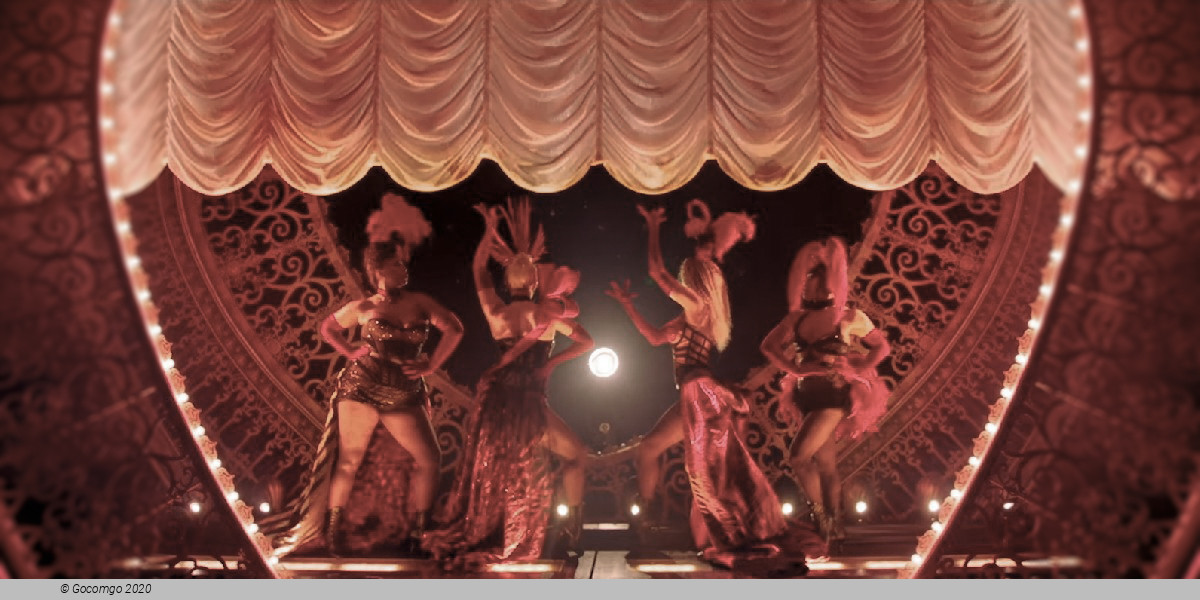
Moulin Rouge! The Musical (Piccadilly Theatre) 3 February 2023 - Moulin Rouge! The Musical | GoComGo.com

Moulin Rouge! The Musical

Moulin Rouge! The Musical (Piccadilly Theatre), London, Great Britain
All photos (7)
Select date and time
7:30 PM

E-tickets: Print at home or at the box office of the event if so specified. You will find more information in your booking confirmation email.

You can only select the category, and not the exact seats.
If you order 2 or 3 tickets: your seats will be next to each other.
If you order 4 or more tickets: your seats will be next to each other, or, if this is not possible, we will provide a combination of groups of seats (at least in pairs, for example 2+2 or 2+3).

Important Info
Type: Musical
City: London, Great Britain
Starts at: 19:30
Acts: 2
Intervals: 1
Duration: 2h 35min

E-tickets: Print at home or at the box office of the event if so specified. You will find more information in your booking confirmation email.

You can only select the category, and not the exact seats.
If you order 2 or 3 tickets: your seats will be next to each other.
If you order 4 or more tickets: your seats will be next to each other, or, if this is not possible, we will provide a combination of groups of seats (at least in pairs, for example 2+2 or 2+3).

Overview

The sensational Moulin Rouge! The Musical comes to London’s Piccadilly Theatre from 12 November 2021 - and the West End has never seen anything like it. With 5 Drama Desk Awards, 11 Outer Critics Circle Awards, and 14 Tony Award Nominations including Best Musical, Best Director, and Best Choreography, this is a mash-up musical like no other.

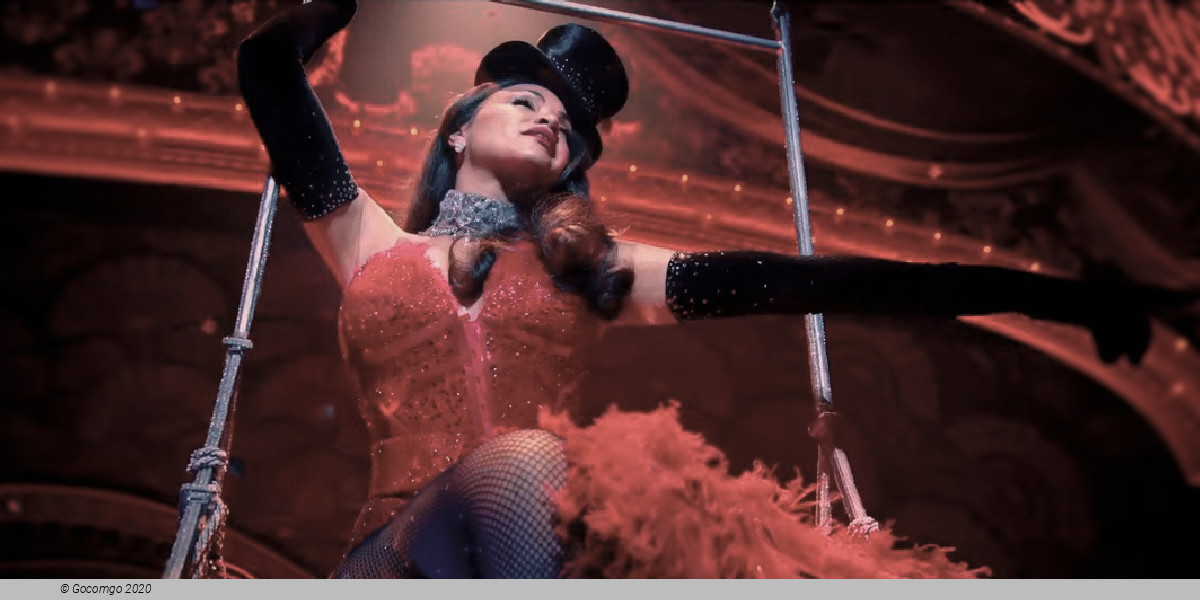
A world of spectacle, romance, and eye-popping excess awaits you at Moulin Rouge! The Musical, where bohemians and aristocrats alike revel in delightful decadence. Compere extraordinaire Harold Zidler invites you to take a seat, and prepare for a theatrical experience of truth, beauty, freedom and above all - love.

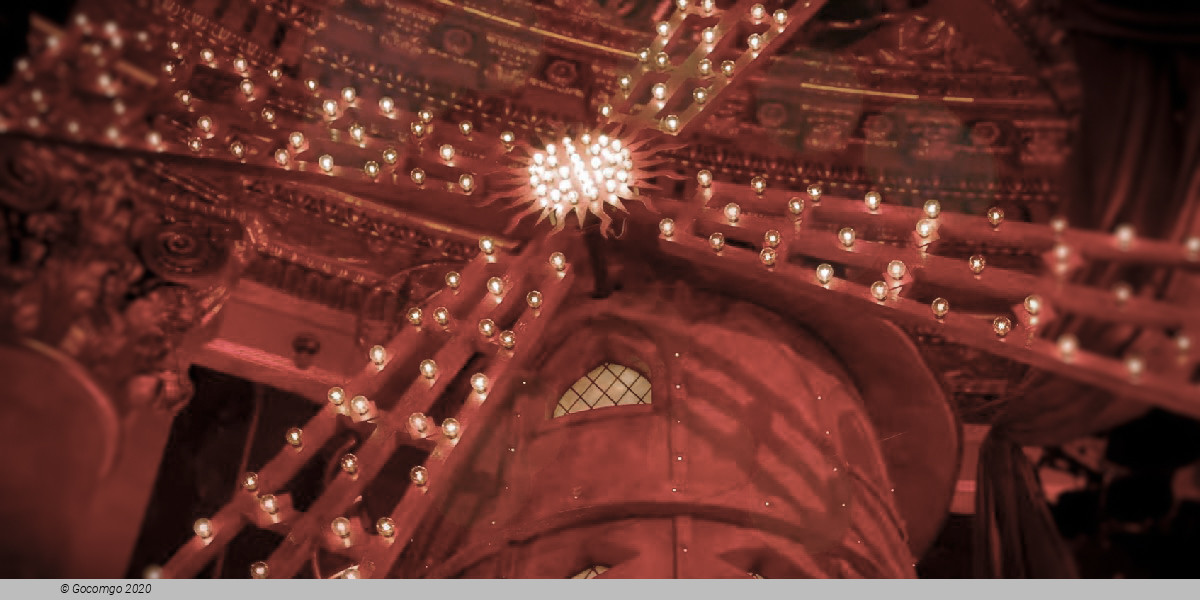
Baz Luhrmann’s revolutionary film comes to life in the West End, remixed with over 70 songs to create a pop score unique in musical theatre while still firmly rooted in character and storytelling. Its home, the Piccadilly Theatre, has been revamped and reconfigured especially for this production.

No matter your sin, you’re welcome here. No matter your desire, you’re welcome here. For this is more than a nightclub. The Moulin Rouge is a state of mind!

What is the show about?

“This is a story about love. About passionate love, desperate love, and foolish love! And the kind of love you never forget.”

Set in Paris, 1899, a world of indulgent beauty and unparalleled extravagance, of bohemians and aristocrats, of boulevardiers and reprobates, Moulin Rouge! The Musical is the story of a lovesick American writer, Christian, and Satine, the dazzling star of the Moulin Rouge nightclub. When their lives collide, they fall hopelessly in love - only to be thwarted by the nightclub’s host and impresario, Harold Zidler, and The Duke of Monroth, the wealthy and entitled patron of the club who thinks he can buy anything he wants, including Satine. Together with his Bohemian friends (the brilliant and starving artist Toulouse-Lautrec, and the greatest tango dancer in all of Paris, Santiago) Christian stages a musical spectacular to save the Moulin Rouge and finally win the heart of Satine.

History
Premiere of this production: 10 July 2018, Colonial Theatre, Boston

Moulin Rouge! The Musical is a jukebox musical with a book by John Logan. The musical is based on the 2001 film Moulin Rouge! directed by Baz Luhrmann and written by Luhrmann and Craig Pearce. At the 74th Tony Awards, Moulin Rouge! received a total of 14 nominations and won 10 awards (the most for the evening), including Best Musical.

Synopsis

Moulin Rouge! is set in the Montmartre Quarter of Paris, France, during the Belle Epoque at the turn of the 20th century. The musical relates the story of Christian, a young composer, who falls in love with cabaret actress Satine, who is the star of the Moulin Rouge. Similar to the movie, the musical's score weaves together original songs with popular music, "including songs that have been written in the 17 years since the film's premiere."

Act I
The Moulin Rouge cabaret club, "where all your dreams come true," is in full swing under the direction of Harold Zidler, flanked by four dancers: Nini, Babydoll, Arabia, and La Chocolat. Christian arrives at the Moulin Rouge with fellow Bohemians, Henri de Toulouse-Lautrec and Santiago, the Argentinean. At the same time, the money-motivated Duke of Monroth is introduced as well ("Welcome to the Moulin Rouge"). Right before Zidler introduces the Moulin Rouge's Sparkling Diamond, Christian interrupts to start a story "about love," about a woman named Satine.

The musical flashes back to Christian's arrival in 1899 to the Montmartre district of Paris from England, where he meets Toulouse-Lautrec and Santiago, who are attempting to create a play with songs in it. The two are impressed by Christian's musical and songwriting talents and ask for help to get their work produced at the Moulin Rouge. The trio celebrates the Bohemian ideals of truth, beauty, freedom, and love ("Truth, Beauty, Freedom, Love").

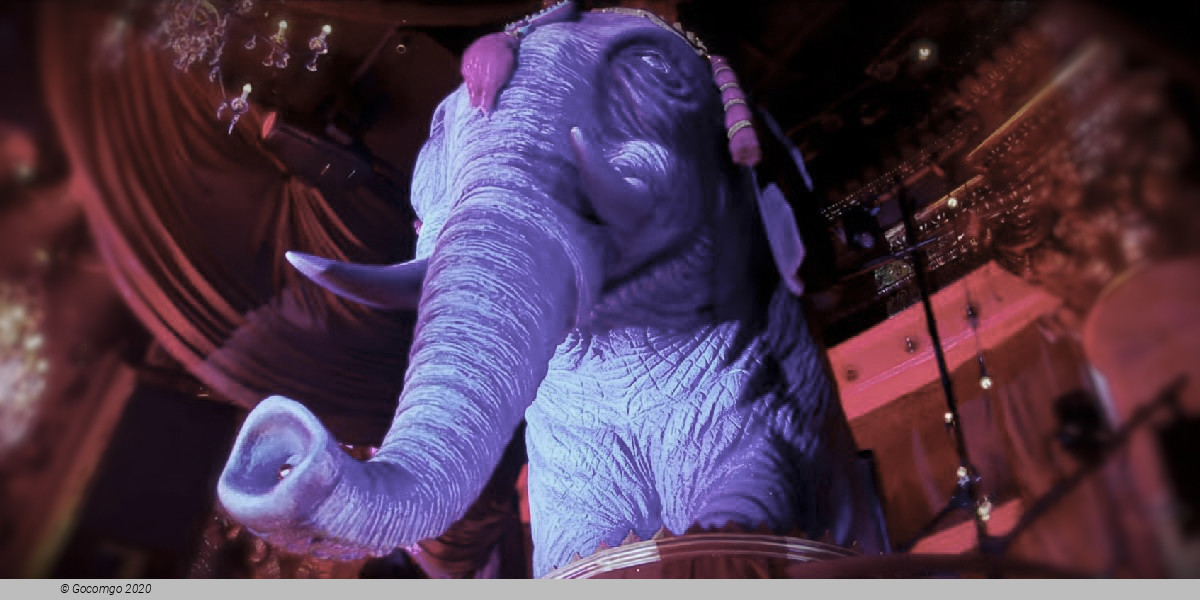
Back at the Moulin Rouge, Zidler introduces Satine ("The Sparkling Diamond"). After Satine performs for the club, Zidler prepares for her to meet and impress the Duke of Monroth, who might invest in the Moulin Rouge and save it from financial ruin. However, Satine mistakes Christian for the Duke. Toulouse-Lautrec and Santiago distract Zidler from seeing Satine and Christian interact. While dancing and still thinking she is speaking with the Duke, Satine invites Christian to come to her dressing room in "the Elephant" outside of the club ("Shut Up and Raise Your Glass").

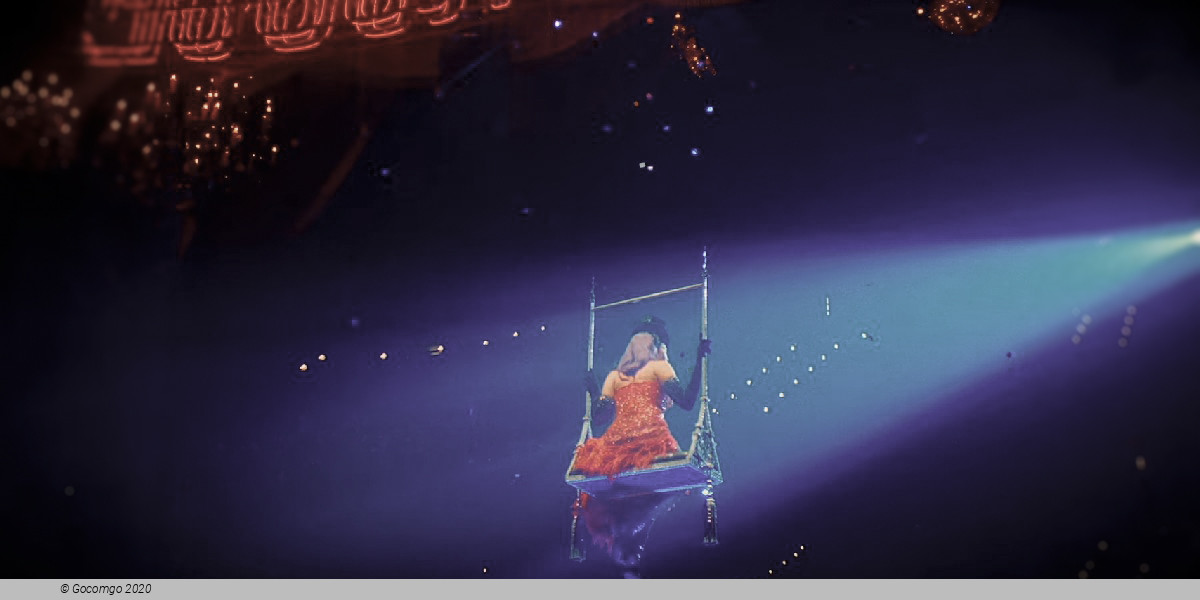
Arabia, Babydoll, and La Chocolat share their worries with Satine backstage about the Moulin Rouge's financial future. Nini expresses cynicism about its future, while Satine tries to maintain the group's morale. Afterward, Zidler expresses the dire straits that the club is in and stresses the importance of Satine impressing the Duke. Satine, who is concealing her worsening consumption from her colleagues, resolves to stay strong for them ("Firework").

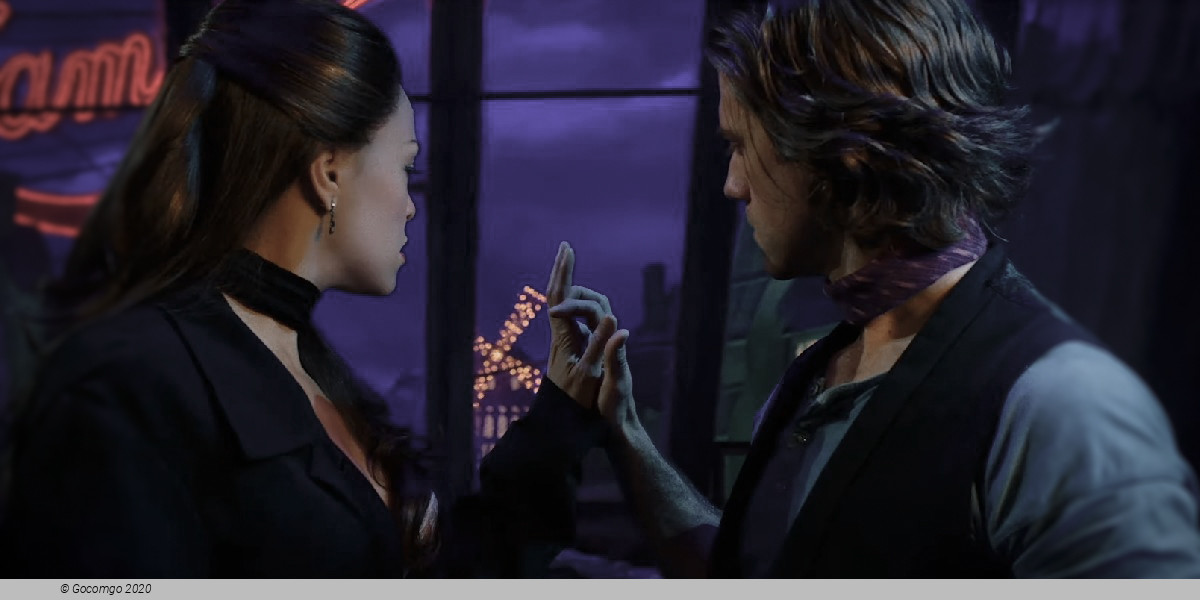
Christian arrives in the Elephant hoping to impress Satine with his musical talent, whereas Satine is prepared to seduce him, under the impression that he is the Duke. Christian's true identity is revealed ("Your Song"). The Duke interrupts them; Christian and Satine claim they were practicing lines for a new show, Bohemian Rhapsody. With Zidler's help, Christian, Satine, Toulouse-Lautrec, and Santiago pitch the show to the Duke with an improvised plot about an evil gangster attempting to woo an ingenue who loves a poor sailor ("So Exciting! (The Pitch Song)"). The Duke decides to back the show. Zidler reminds Satine that her duty is to keep the Duke happy for the sake of the Moulin Rouge. She dismisses Christian from the Elephant. The Duke returns, and he and Satine spend the evening together ("Sympathy For The Duke").

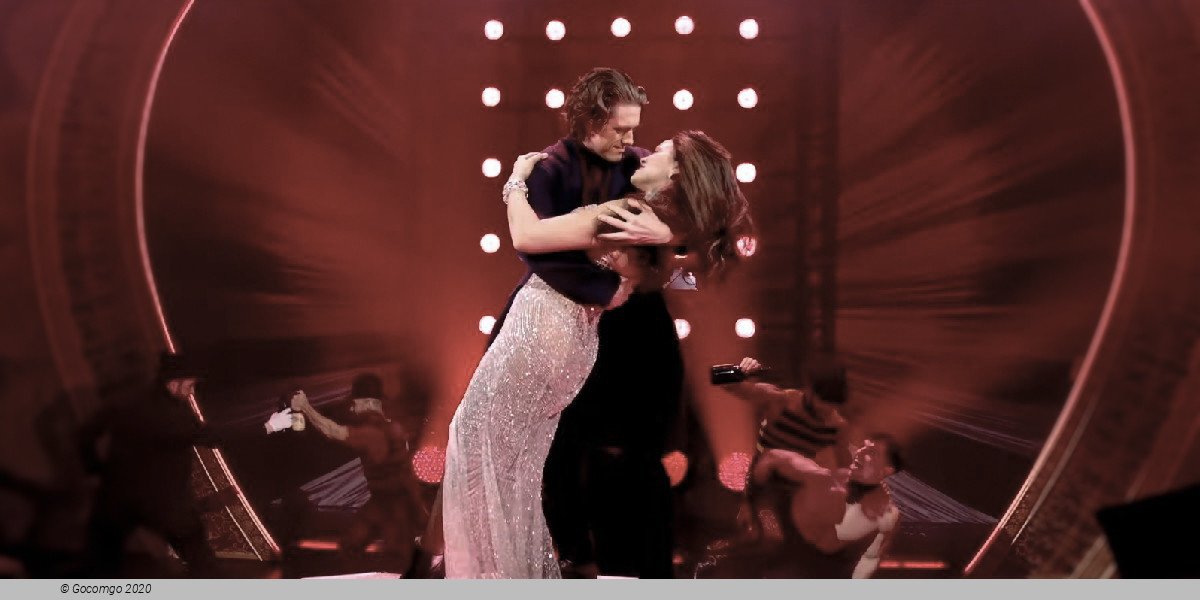
In Montmarte, Toulouse-Lautrec shares with Christian that he fell in love with Satine many years ago, when she was living on the streets. He was impressed by her spirit but was too self-conscious to ever share his love for her over the years. He urges Christian to return to Satine and confess his love for her, insisting to him, "The greatest thing you'll ever learn is just to love and be loved in return" ("Nature Boy"). Christian goes back to Satine to convince her that they should be together. Though she initially finds this ridiculous, she eventually falls for him ("Elephant Love Medley").

Act II
Two months later, rehearsals are underway for Bohemian Rhapsody. Christian and Satine continue seeing each other behind the scenes, and Santiago falls in love with Nini ("Backstage Romance"). As the company rehearses, tensions rise between Toulouse-Lautrec and the controlling Duke. Backstage, Nini tells Satine that she needs to be careful about her relationship with Christian and keep the Duke happy, as he once threw a vial of acid in the face of another woman who betrayed him. Satine tells Christian that their relationship endangers the show and the Moulin Rouge, but he counters by writing a secret love song to affirm their love ("Come What May").

In the Champs-Élysées neighborhood, the Duke tells Satine that he wants every part of her, including her heart. Despite Satine's protests that she does not "fit in" with the upper-class society of Paris that he inhabits, he remodels her image accordingly against her wishes ("Only Girl In A Material World"). Back in rehearsals, the Duke continues to involve himself in the show's creative aspects, to the frustration of Toulouse-Lautrec. It becomes clear that Bohemian Rhapsody is a metaphor for Christian, Satine, and the Duke, resulting in an outburst by Christian. The Duke, enraged, threatens to reconsider his investment entirely. Zidler reminds Satine that she alone can fix the dilemma with the Duke. Satine's illness worsens, but she urges her colleagues not to share that she is ill; she wants to fight to keep the Moulin Rouge alive and for the play to go on.

Toulouse-Lautrec and Santiago tell Christian he needs to forget about Satine and move on with his life. Christian retreats in frustration and drinks absinthe with them in excess, at one point, imagining Satine as The Green Fairy ("Chandelier"). Christian expresses jealousy and disgust that Satine is with the Duke instead of him, ignoring Zidler's warning that falling in love with a prostitute "always ends badly" ("El Tango de Roxanne"). At his castle, the Duke threatens Satine from being with Christian ever again, saying that he will have Christian killed if she chooses him. Christian interrupts their conversation to try to save Satine, singing their secret song. Knowing that Christian would be killed if she says otherwise, Satine tells Christian that she does not love him. Christian leaves.

Christian decides that without Satine's love, he will load a prop gun with real bullets and commit suicide on stage during the opening night of the play. Meanwhile, Satine's illness dramatically worsens. Together, she and Toulouse-Lautrec stand up to the Duke, who leaves the Moulin Rouge before the performance begins ("Crazy Rolling"). As Satine performs her part, Christian enters and asks her to face him as he turns the gun his way. Before he pulls the trigger, Satine sings their secret song, all at once saving his life and revealing to him that she loved him the entire time. After a final song together in which the two affirm their love one last time, Satine tells Christian to "tell our story," and subsequently dies in his arms ("Your Song (Reprise)"). Over a year later, Bohemian Rhapsody turns out to be a success, and Zidler regains control of the Moulin Rouge. Christian affirms that his and Satine's story will forever be told ("Come What May (Reprise)").

Venue Info

Moulin Rouge! The Musical (Piccadilly Theatre) - London
Location   16 Denman Street

The Piccadilly Theatre is a West End theatre located at 16 Denman Street, behind Piccadilly Circus and adjacent to the Regent Palace Hotel, in the City of Westminster, England. It was built in 1928 and is one of the largest theatres in London. The Piccadilly has presented most forms of stage entertainment and hosted some of the most famous faces in the business including Judi Dench, Ian McKellen and Barbara Dickson. Recent productions include Ghost the Musical, Jersey Boys and Annie. The sensational Moulin Rouge! The Musical comes to London’s Piccadilly Theatre from 12 November 2021 - and the West End has never seen anything like it. With 5 Drama Desk Awards, 11 Outer Critics Circle Awards, and 14 Tony Award Nominations including Best Musical, Best Director, and Best Choreography, this is a mash-up musical like no other.

Built by Bertie Crewe and Edward A. Stone for Edward Laurillard, its simple facade conceals a grandiose Art Deco interior designed by Marc-Henri Levy and Gaston Laverdet, with a 1,232-seat auditorium decorated in shades of pink. Gold and green are the dominant colours in the bars and foyer, which include the original light fittings. Upon its opening on 27 April 1928, the theatre's souvenir brochure claimed, "If all the bricks used in the building were laid in a straight line, they would stretch from London to Paris." The opening production, Jerome Kern's musical Blue Eyes, starred Evelyn Laye, one of the most acclaimed actresses of the period.

The Piccadilly was briefly taken over by Warner Brothers, and operated as a cinema using the Vitaphone system, and premièred the first talking picture to be shown in Great Britain, The Singing Fool with Al Jolson. The theatre reopened in November 1929, with a production of The Student Prince, having a success in January 1931 with Folly to be Wise, running for 257 performances.

The building sustained damage when it was hit by a stray German bomb during World War II.

In 1960, the Piccadilly was acquired by Donald Albery and became part of his group of London theatres. In the 1960s and 1970s, the Piccadilly improved its reputation with a series of successful transfers from Broadway: Who's Afraid of Virginia Woolf?A Streetcar Named Desire and Man of La Mancha made their London debuts at the theatre. The Beatles recorded a number of songs at the Piccadilly on 28 February 1964 for the BBC Radio show, "From Us to You". In 1976, the Jerome Kern and Guy Bolton musical Very Good Eddie ran for 411 performances at the theatre. The cast included Prue Clarke.

In 1986, the venue was the setting for ITV's Sunday evening variety show, Live From the Piccadilly, hosted by Jimmy Tarbuck. The 1990s witnessed an expansion in ballet and dance, notably the most successful commercial ballet season ever to play in the West End, including Matthew Bourne's acclaimed production of Swan Lake.

The Piccadilly has played host to many famous stars such as Henry Fonda, Ian McKellen, Judi Dench, Michael Pennington, Barbara Dickson, Lynn Redgrave, Julia McKenzie, Eric Sykes, and Dame Edna. Its productions have run the gamut from Edward II to Spend Spend Spend to Noises Off to Blues in the Night to a season of plays directed by Sir Peter Hall.

The Donmar Warehouse production of Guys and Dolls ran at the Piccadilly from 19 May 2005 to 14 April 2007. It was followed by Paul Nicholas and David Ian's production of Grease which opened on 8 August 2007 and was the longest running show in the theatre's history before closing in April 2011 to make way for Ghost the Musical, which transferred to the Piccadilly in June 2011 following its world premiere at the Manchester Opera House.

On 6 November 2019 during an evening performance of Death of a Salesman, a section of plasterboard of the ceiling above the rear upper circle of theatre collapsed onto the audience with four people being taken to hospital. The incident was caused by a localised water leak. The local authority deemed the theatre safe to re-open two days later.

Important Info
Type: Musical
City: London, Great Britain
Starts at: 19:30
Acts: 2
Intervals: 1
Duration: 2h 35min
Top of page