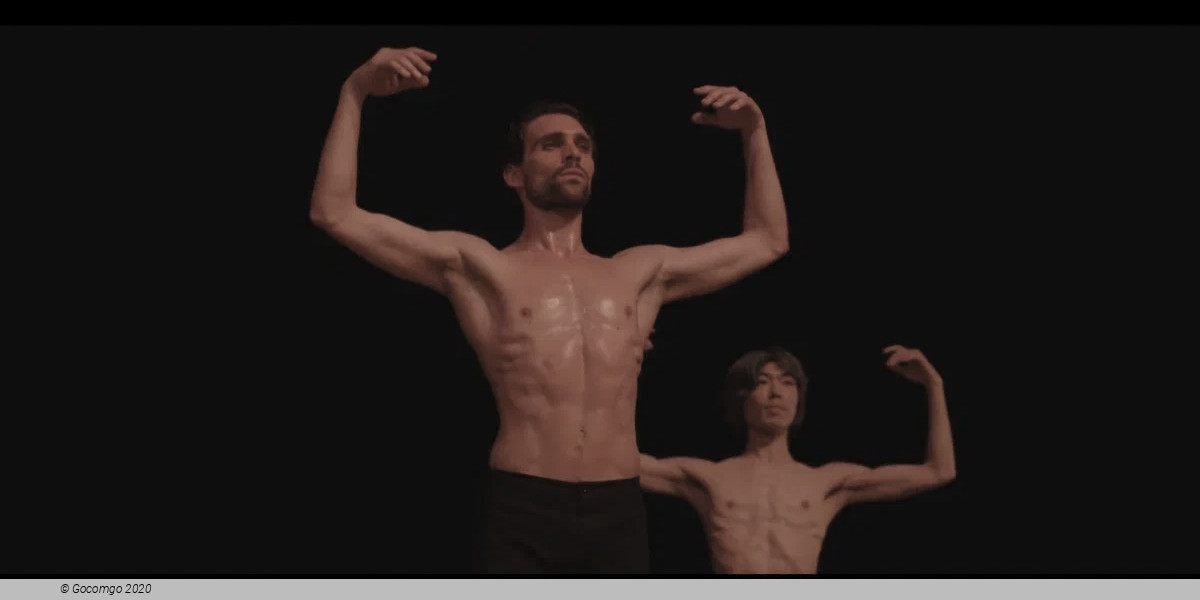
Hugo Marchand appears in Artists at the Center, a programme that places exceptional artistry and creative expression at the forefront of performance. Celebrated for his elegance, technical brilliance, and commanding stage presence, Marchand brings audiences an evening that highlights the beauty, athleticism, and emotional depth of dance.
In Artists at the Center, internationally acclaimed dancer Hugo Marchand takes center stage in a programme dedicated to artistic excellence and the expressive power of movement.
As one of the leading stars of contemporary ballet, Marchand is renowned for his refined technique, dramatic intensity, and extraordinary physical grace. His performances combine classical precision with emotional sensitivity, allowing him to bring both traditional and contemporary choreography vividly to life.
This special appearance showcases the artistry of dance through a carefully curated programme that highlights collaboration, musicality, and theatrical storytelling. Whether performing iconic ballet repertoire or innovative contemporary works, Marchand captivates audiences with his ability to balance strength, elegance, and emotional nuance.
Artists at the Center celebrates the performer as both interpreter and creator, offering audiences an intimate encounter with world-class artistry and the transformative experience of live performance.
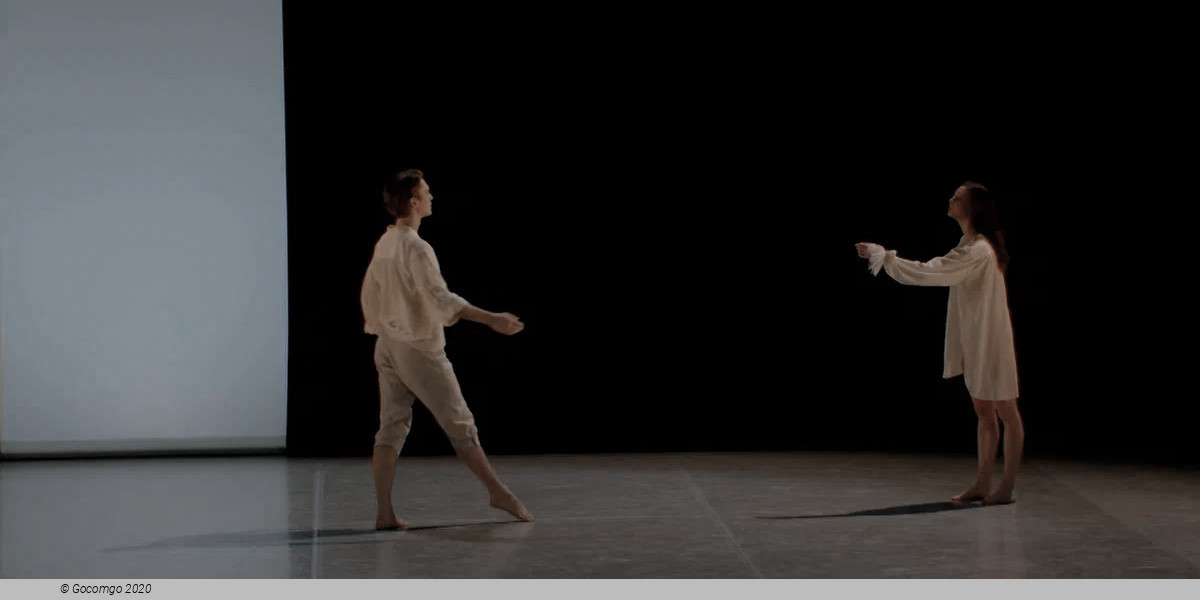
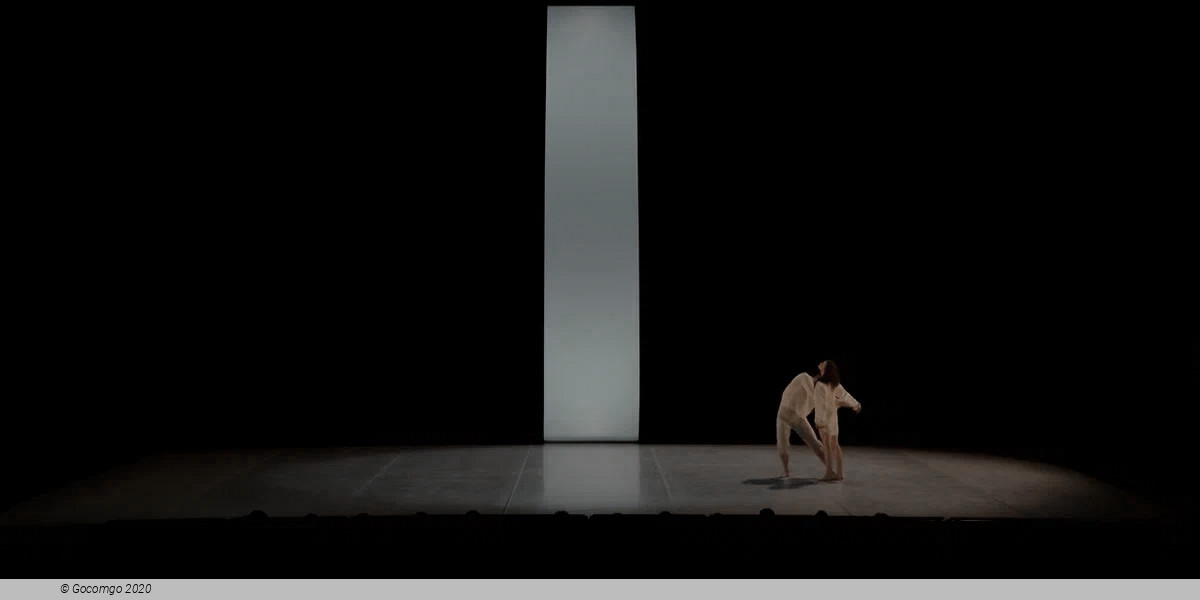
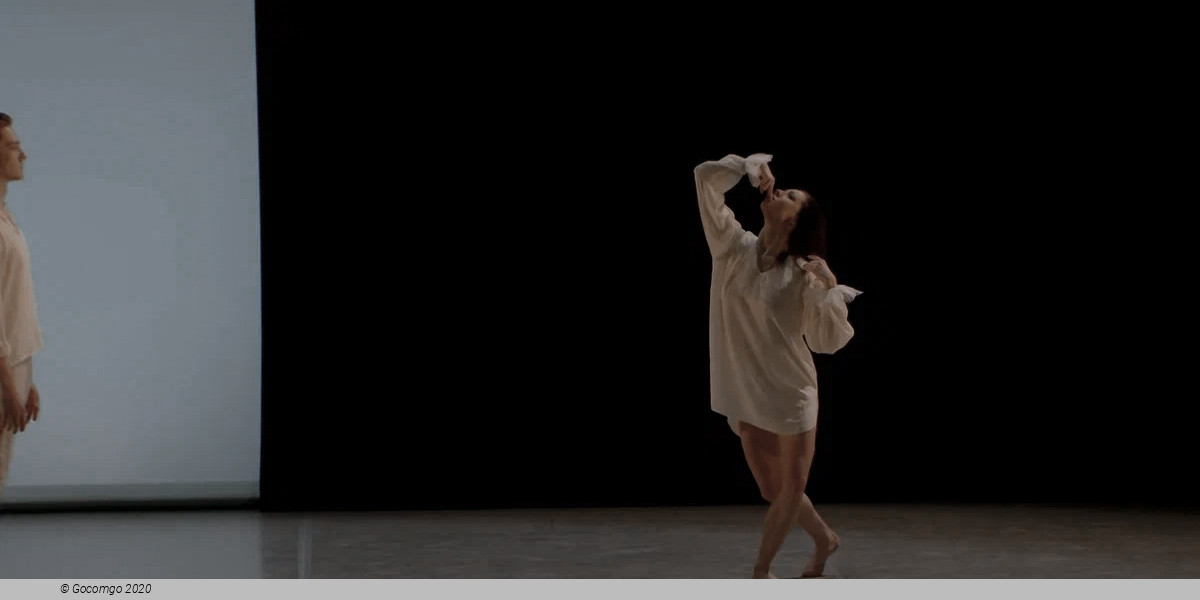
The polished simplicity and emotional interplay of the rarely-seen Sonatine evokes the elegance of the French artists on which it was made.
Sonatine was presented as the opening ballet of the New York City Ballet Ravel Festival during the 1975 Spring Season, which marked the 100th anniversary of the composer’s birth. Perhaps as a nod to the composer’s country, Balanchine created this ballet—a pas de deux with an onstage pianist—on Violette Verdy and Jean-Pierre Bonnefoux, two principal dancers with New York City Ballet who were both born in France. The music is Ravel’s Sonatine for Piano, which was first performed in 1906. This early work of Ravel’s is bright, clear, and refined, with a fluidity that translates well into dance.
These Three Gnossiennes were composed around 1890 and first published in 1893. A revision prior to publication in 1893 is not unlikely; the 2nd Gnossienne may even have been composed in that year (it has "April 1893" as date on the manuscript). The piano solo versions of the first three Gnossiennes are without time signatures or bar lines, which is known as free time.
These Gnossiennes were first published in Le Figaro musical No. 24 of September 1893 (Gnossiennes Nos. 1 and 3, the last one of these then still "No. 2") and in Le Cœur No. 6–7 of September–October 1893 (Gnossienne No. 2 printed as facsimile, then numbered "No. 6").
The first grouped publication, numbered as known henceforth, followed in 1913. By this time Satie had indicated 1890 as composition date for all three. The first Gnossienne was dedicated to Alexis Roland-Manuel in the 1913 reprint. The 1893 facsimile print of the 2nd Gnossienne contained a dedication to Antoine de La Rochefoucauld, not repeated in the 1913 print. This de La Rochefoucauld had been a co-founder of Joséphin Péladan's Ordre de la Rose-Croix Catholique et Esthetique du Temple et du Graal in 1891. By the second publication of the first set of three Gnossiennes, Satie had broken already for a long time with all Rosicrucian type of endeavours.
Also with respect to the tempo these Gnossiennes follow the Gymnopédies line: slow tempos, respectively Lent (French for Lento/slow), avec étonnement ("with astonishment"), and again Lent.
A sketch containing only two incomplete bars, dated around 1890, shows Satie beginning to orchestrate the 3rd Gnossienne.
The first and third Gnossiennes share a similar chordal structures, rhythm and share reference to each other's thematic material.
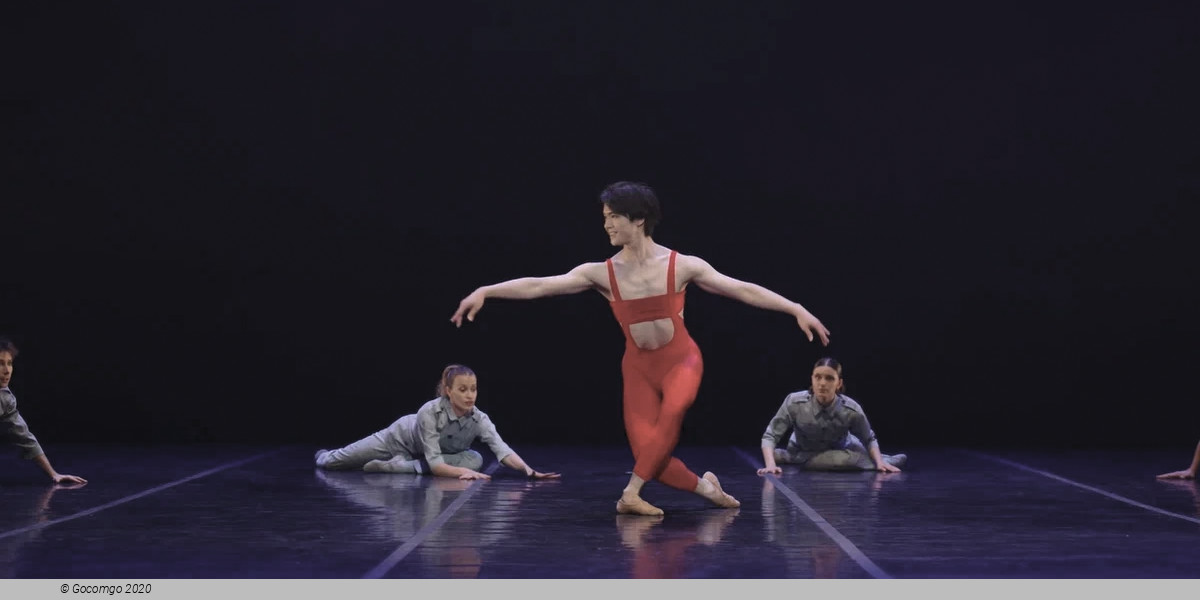
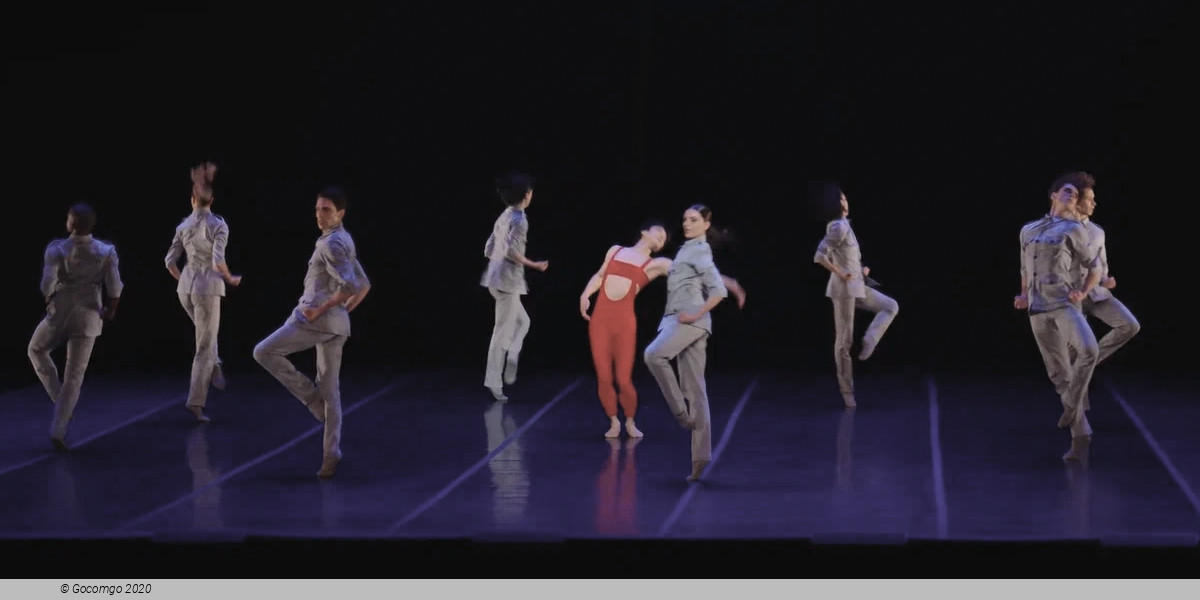
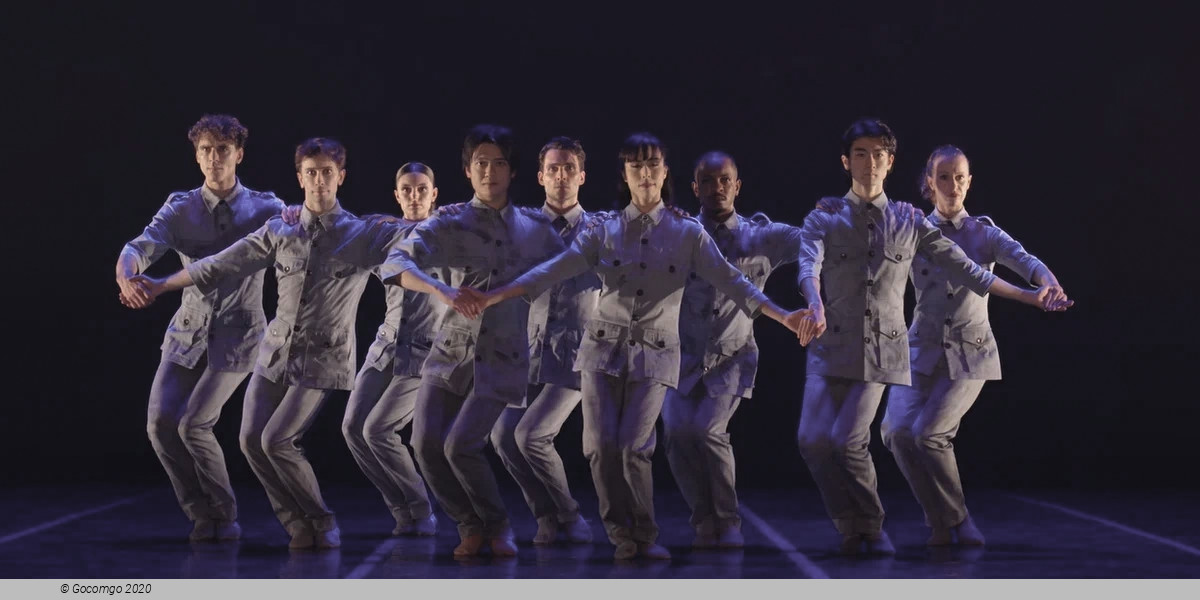
The Firebird, choreographed by Maurice Béjart and performed by Béjart Ballet Lausanne, is a powerful reimagining of Igor Stravinsky’s iconic score. Combining explosive energy, striking theatricality, and Béjart’s distinctive contemporary style, the production transforms the legendary tale into a bold meditation on revolution, sacrifice, and rebirth.
The Firebird by Maurice Béjart is a visionary reinterpretation of one of the most influential works in ballet history. Set to the electrifying music of Igor Stravinsky, the production reflects Béjart’s signature approach to dance theatre—bold, symbolic, and emotionally charged.
Rather than retelling the traditional Russian fairy tale literally, Béjart transforms The Firebird into a modern allegory of struggle, liberation, and human transformation. Through powerful ensemble choreography and dramatic visual imagery, the ballet explores themes of collective energy, resistance, sacrifice, and hope.
Performed by the internationally renowned Béjart Ballet Lausanne, the work combines athletic physicality with theatrical intensity. The dancers move with both precision and raw emotional force, embodying the rhythmic vitality and explosive orchestral color of Stravinsky’s groundbreaking score.
Blending classical influence with contemporary expression, The Firebird remains one of Béjart’s most compelling creations—a visually and emotionally immersive ballet experience that continues to captivate audiences around the world.
The pas de deux from Le Parc is one of contemporary ballet’s most celebrated and sensual duets. Choreographed by Angelin Preljocaj, the piece is renowned for its fluid partnering, emotional intimacy, and the iconic “air kiss” sequence that creates an unforgettable sense of romance and weightlessness.
The pas de deux from Le Parc, choreographed by Angelin Preljocaj, has become one of the defining works of modern ballet repertoire. Originally created for the Paris Opera Ballet, the duet blends classical elegance with contemporary sensuality, creating a deeply emotional and visually mesmerizing performance.
Set to music by Wolfgang Amadeus Mozart, the choreography explores themes of attraction, vulnerability, and emotional surrender. The dancers move through a seamless interplay of tension and tenderness, where subtle gestures and flowing movement convey an intimate psychological connection.
The duet is especially famous for its breathtaking final sequence, often referred to as the “air kiss,” in which one dancer appears to glide effortlessly through space while suspended in an extended embrace. This moment has become iconic in contemporary dance for its illusion of floating weightlessness and poetic romanticism.
Combining technical refinement with emotional immediacy, the pas de deux from Le Parc remains a powerful expression of desire and human connection, captivating audiences with its beauty, intimacy, and choreographic innovation.
L'esprit du Bleu is a poetic and visually evocative dance work that explores themes of imagination, emotion, and transcendence through movement and music. Blending elegance with contemporary expression, the piece creates an atmosphere of mystery and dreamlike beauty inspired by the symbolic power of the color blue.
L'esprit du Bleu (“The Spirit of Blue”) is a lyrical and atmospheric dance creation that merges expressive choreography with striking visual aesthetics. Inspired by the emotional and symbolic associations of blue—depth, serenity, longing, and infinity—the work invites audiences into a world where movement becomes a language of memory, emotion, and inner transformation.
Through fluid choreography and carefully crafted stage imagery, the performance unfolds as a poetic journey between reality and imagination. The dancers move between moments of stillness and dynamic intensity, creating shifting emotional landscapes that evoke introspection, freedom, and connection.
Musically rich and visually immersive, L'esprit du Bleu combines contemporary dance vocabulary with theatrical elegance, emphasizing both technical precision and emotional nuance. The work’s dreamlike atmosphere encourages audiences to experience dance not only as narrative, but also as sensation and emotional resonance.
Both intimate and expansive, L'esprit du Bleu celebrates the expressive possibilities of movement and the enduring dialogue between music, color, and human emotion.
Boléro, choreographed by Maurice Béjart to the iconic score by Maurice Ravel, is one of the most legendary works in modern dance. Built on hypnotic repetition and growing intensity, the ballet transforms Ravel’s famous music into a mesmerizing ritual of rhythm, energy, and collective movement.
Boléro by Maurice Béjart is regarded as one of the defining masterpieces of twentieth-century choreography. Created to Maurice Ravel’s celebrated Boléro, the ballet is renowned for its hypnotic structure, sensual power, and escalating emotional intensity.
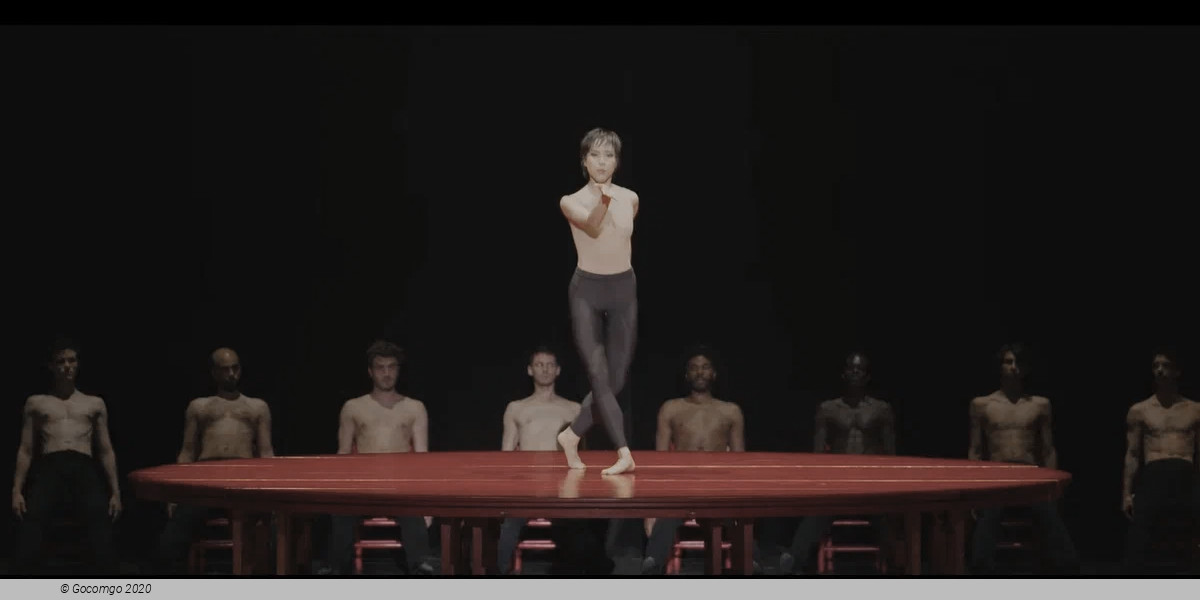
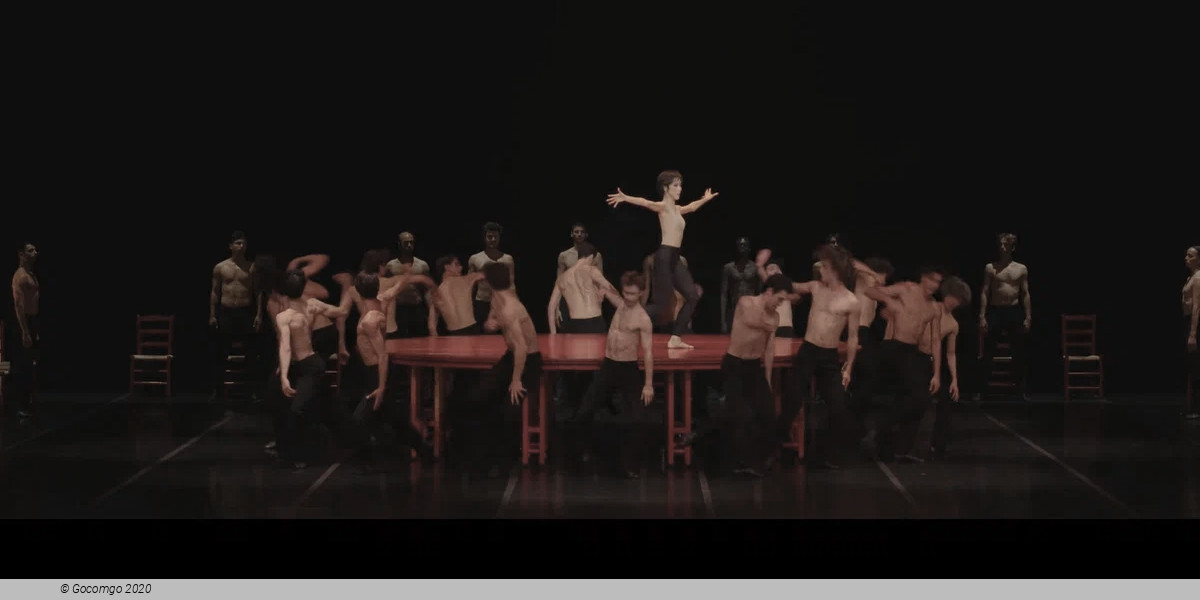
At the center of the work stands a solitary dancer performing atop a large circular table, gradually surrounded by an ensemble whose movements build in energy and momentum alongside Ravel’s relentless rhythmic crescendo. Béjart transforms the repetitive musical structure into a ritualistic theatrical experience, where tension, desire, unity, and ecstasy unfold through movement.
The choreography blends precision with raw physicality, emphasizing the primal force of rhythm and the magnetic relationship between the individual and the collective. As the music intensifies, the stage becomes charged with emotional and physical energy, culminating in an explosive finale that has become iconic in dance history.
Performed by leading ballet companies around the world, Boléro remains one of Béjart’s most influential creations—a work of mesmerizing simplicity and overwhelming dramatic impact that continues to captivate audiences across generations.




 131 W 55th St, New York, NY 10019, United States