
Mikhailovsky Theatre tickets 3 November 2026 - Der fliegende Hollander | GoComGo.com

Der fliegende Hollander

Mikhailovsky Theatre, Saint Petersburg, Russia
All photos (13)
Select date and time
7 PM
Request for Tickets
Important Info
Type: Opera
City: Saint Petersburg, Russia
Starts at: 19:00
Acts: 2
Sung in: German
Titles in: Russian

E-tickets: Print at home or at the box office of the event if so specified. You will find more information in your booking confirmation email.

You can only select the category, and not the exact seats.
If you order 2 or 3 tickets: your seats will be next to each other.
If you order 4 or more tickets: your seats will be next to each other, or, if this is not possible, we will provide a combination of groups of seats (at least in pairs, for example 2+2 or 2+3).

Cast
Performers
Orchestra: Mikhailovsky Theatre Orchestra
Creators
Composer: Richard Wagner
Librettist: Richard Wagner
Stage Director: Vasily Barkhatov
Overview

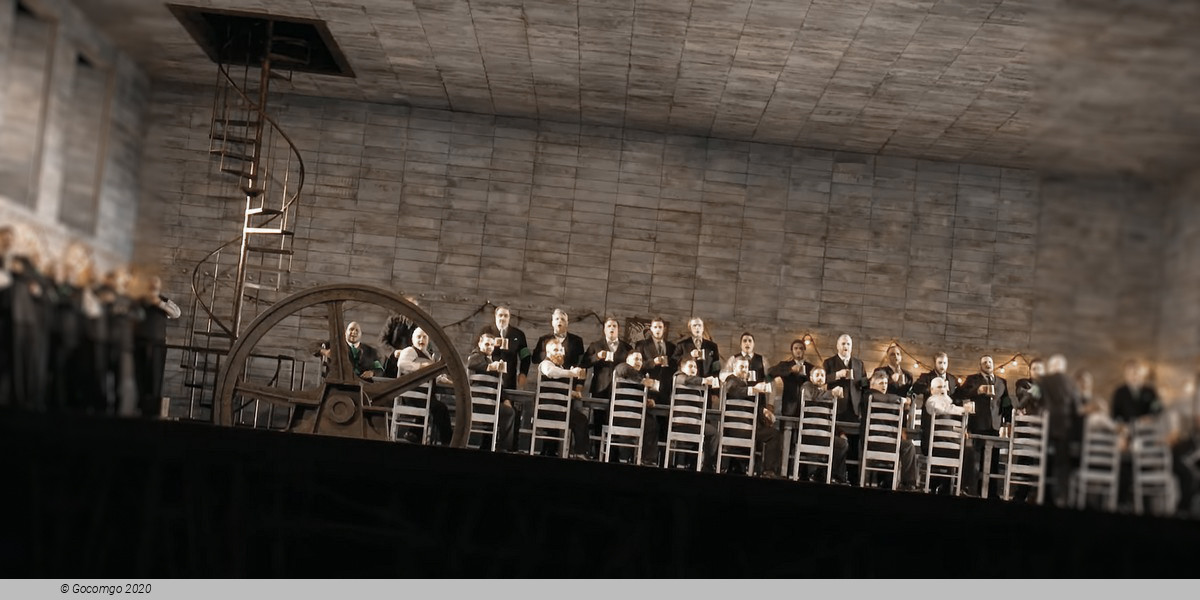
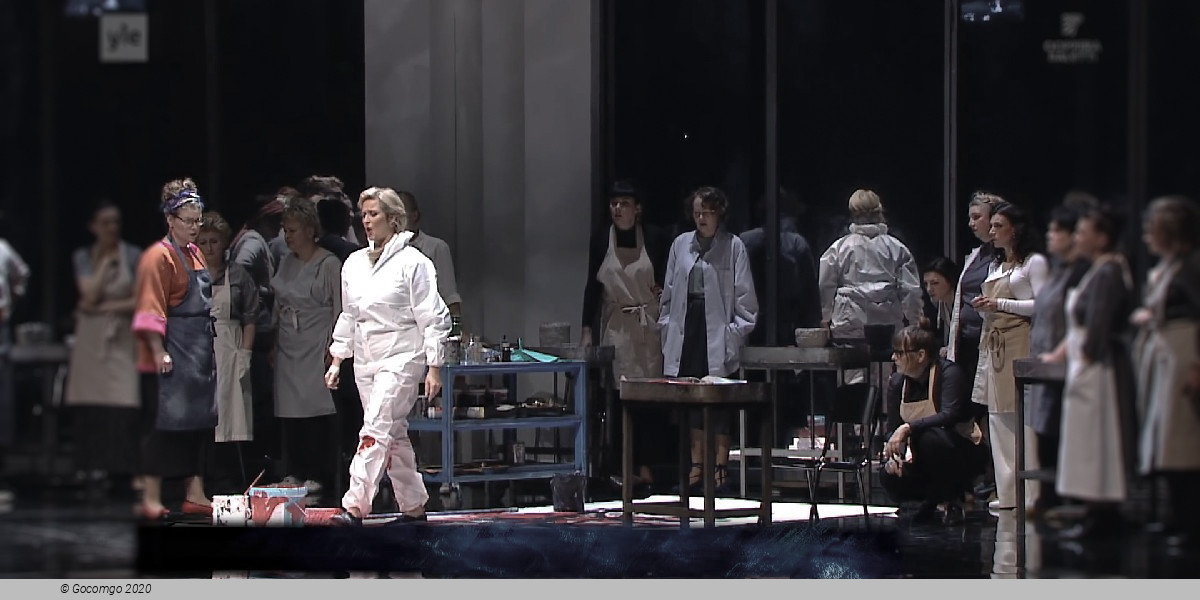
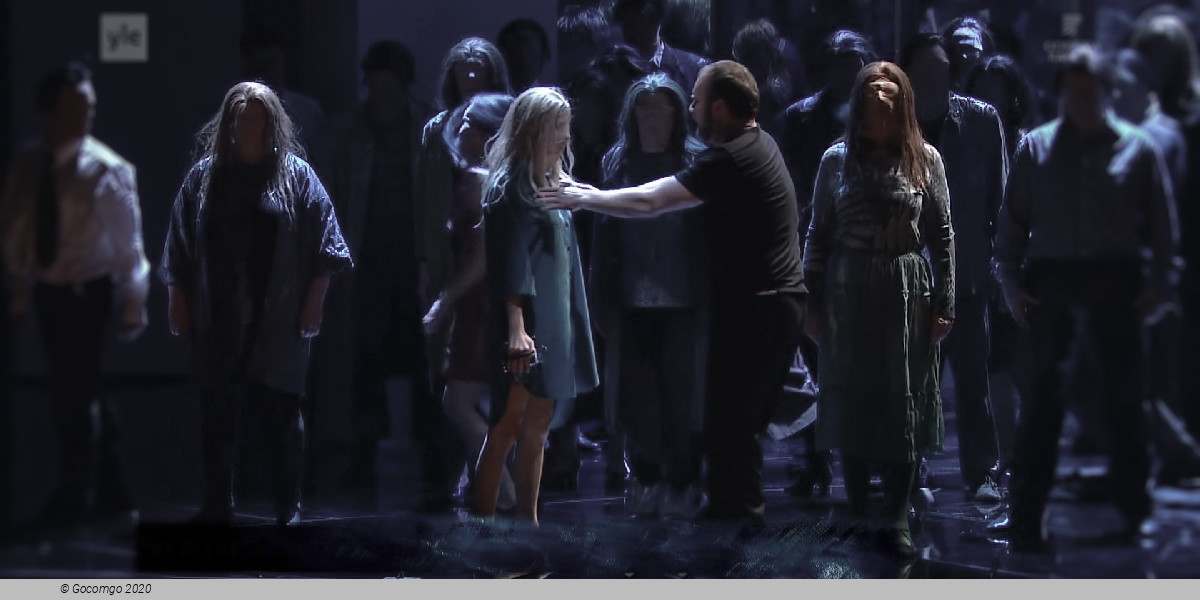
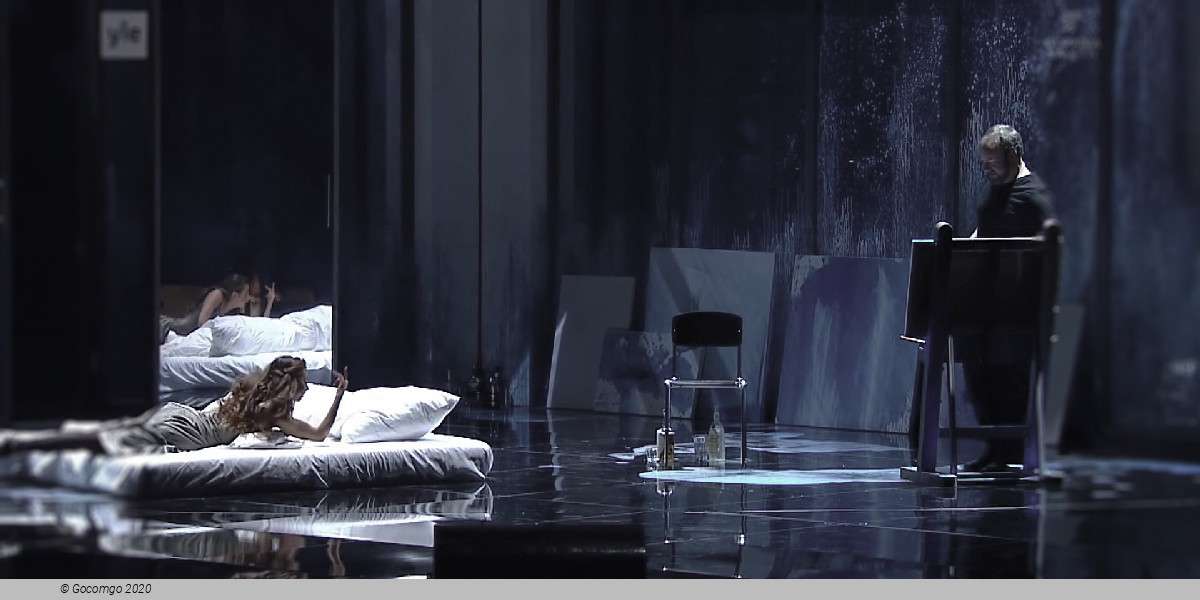
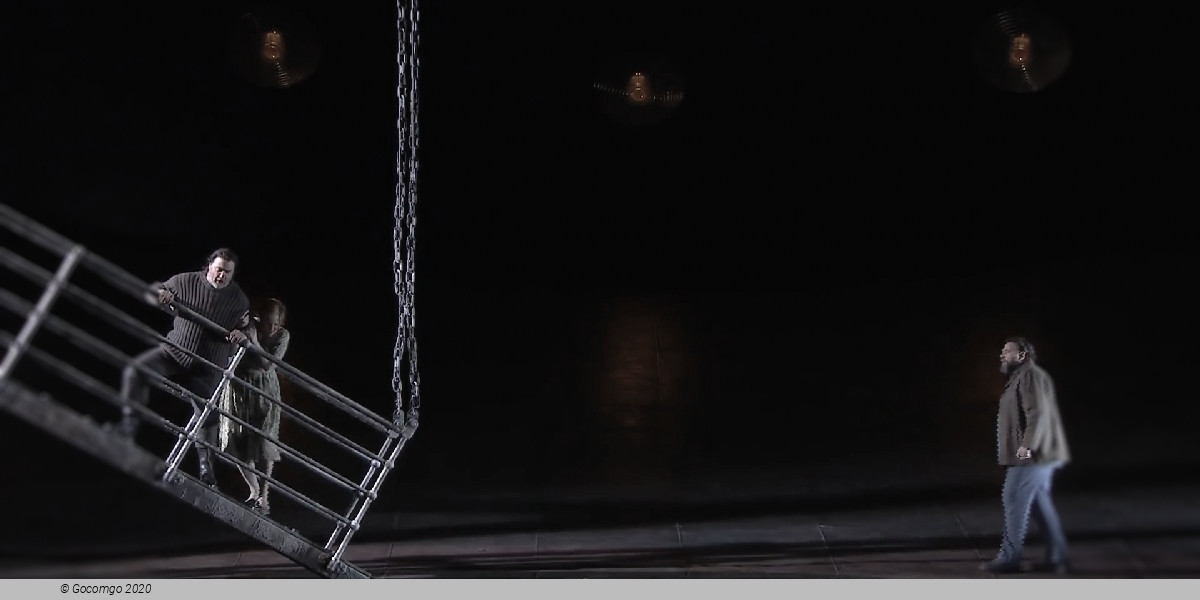
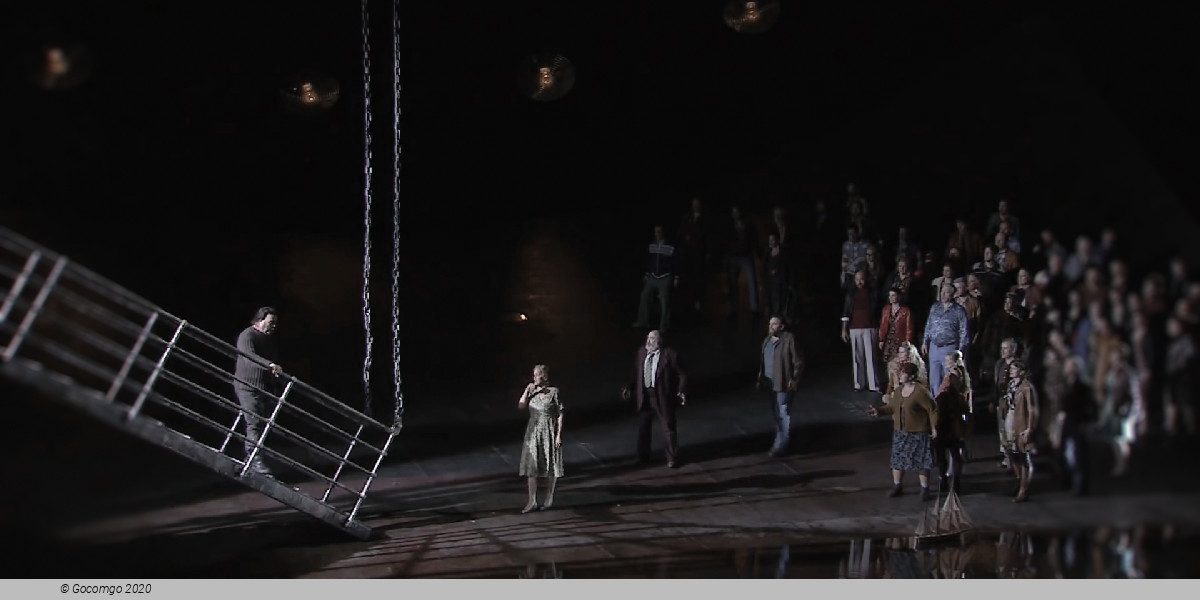
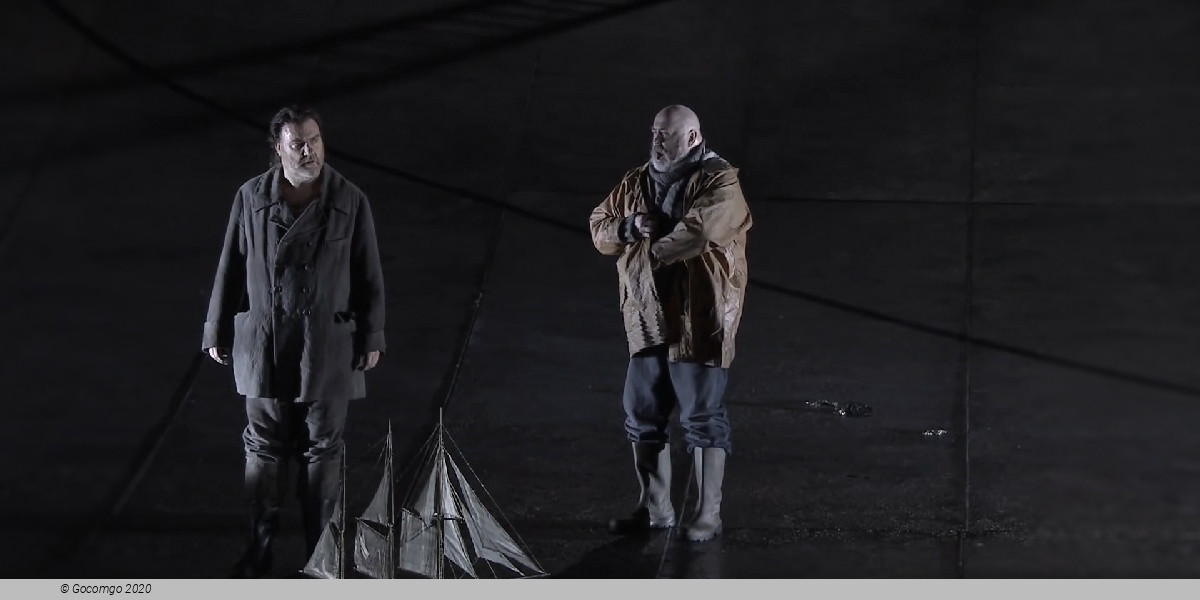
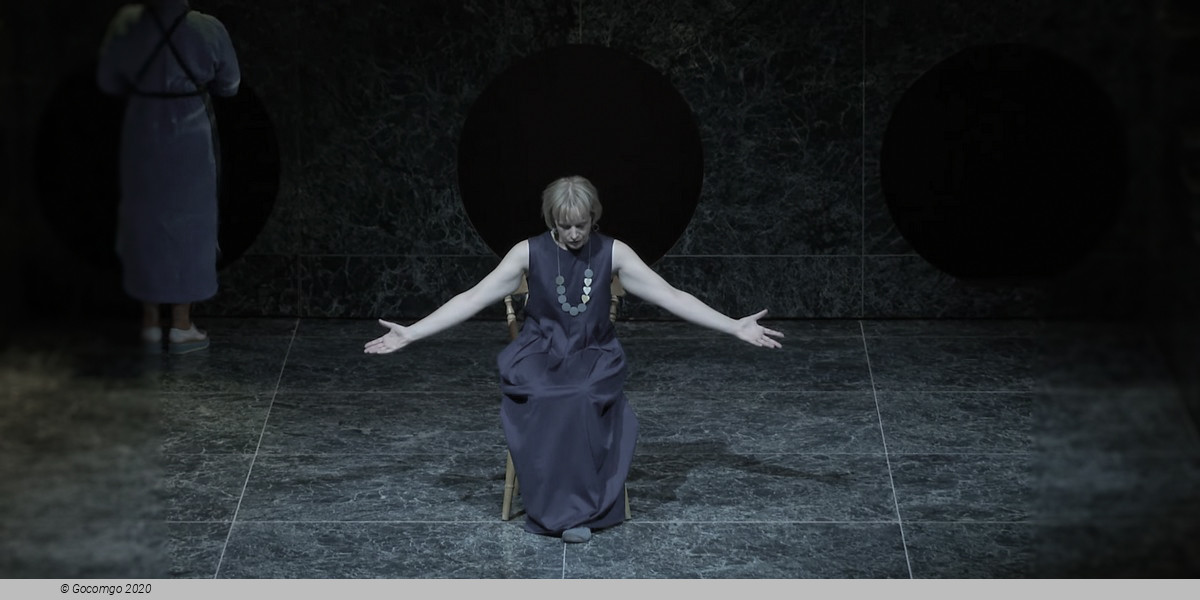
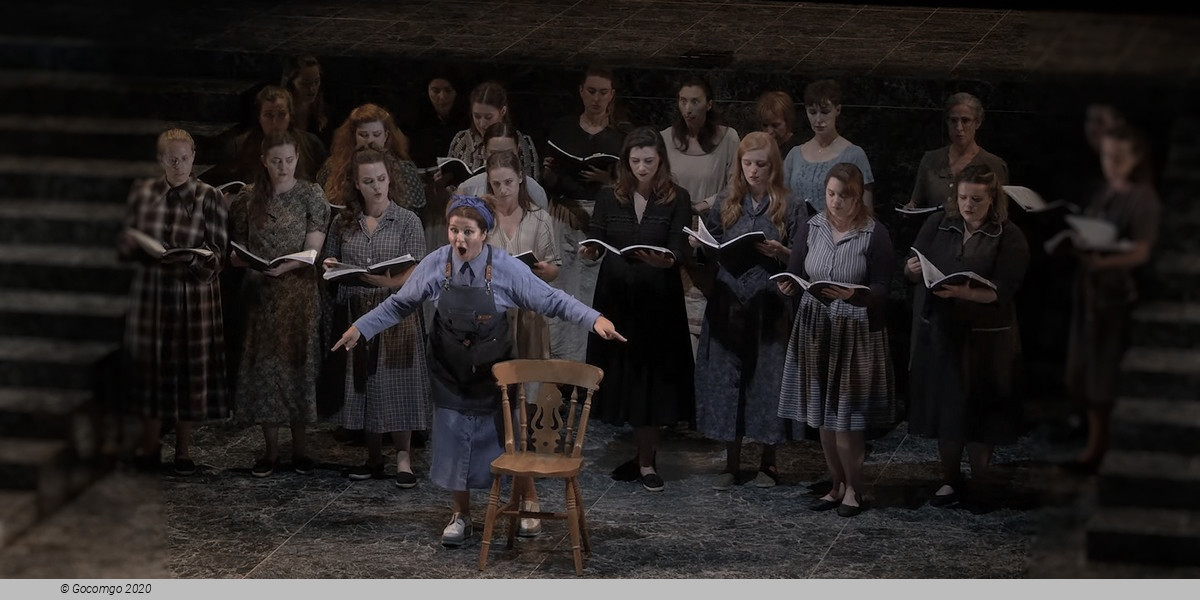
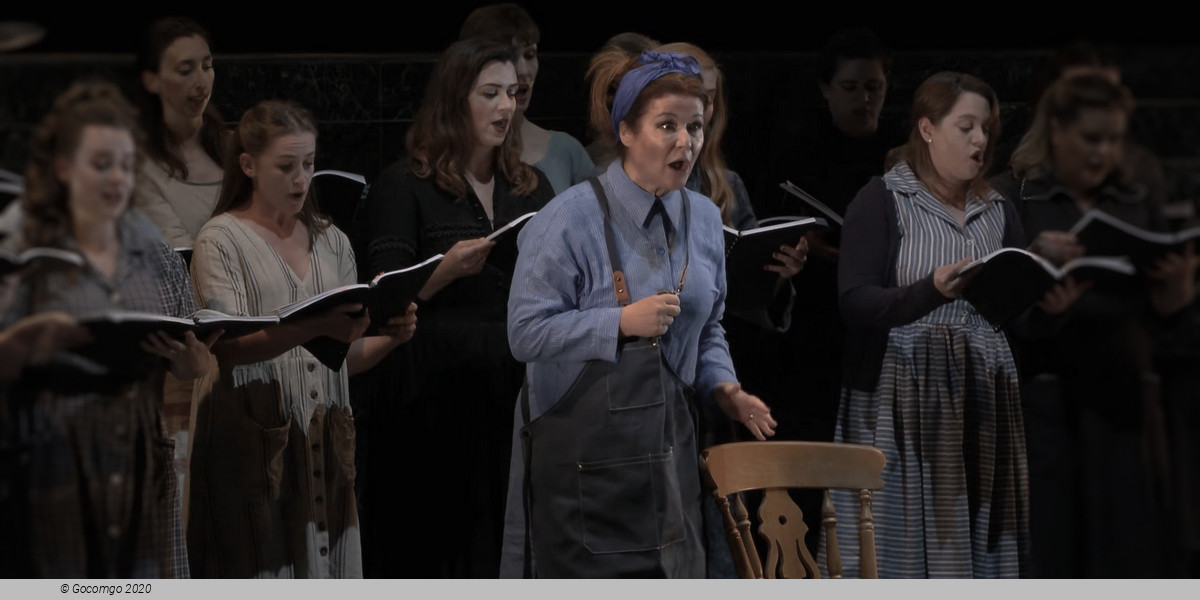
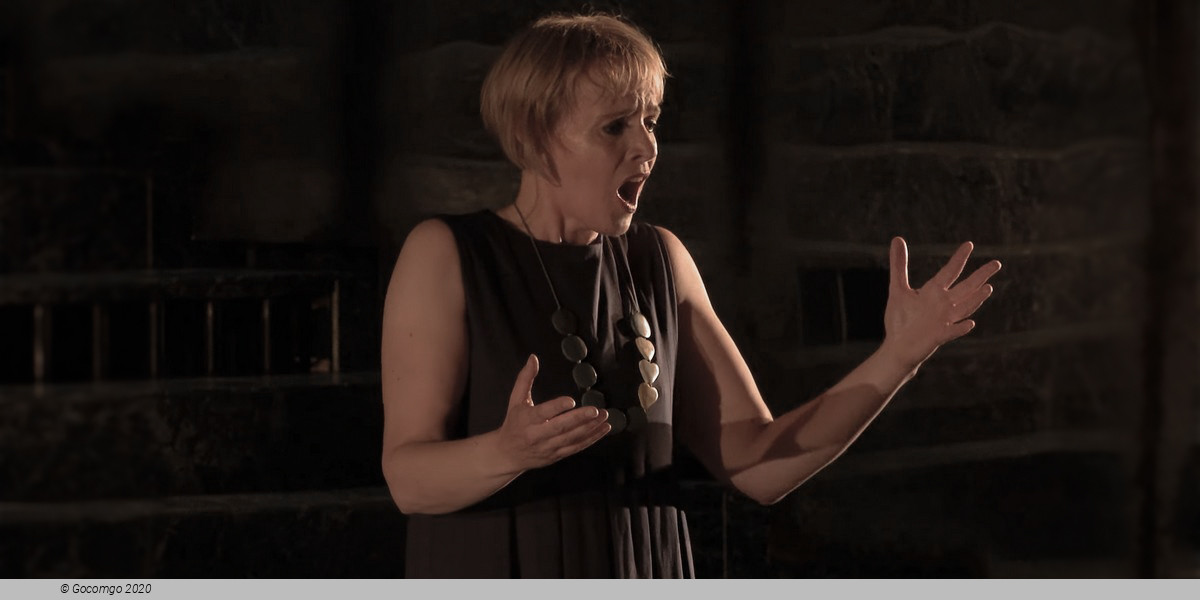
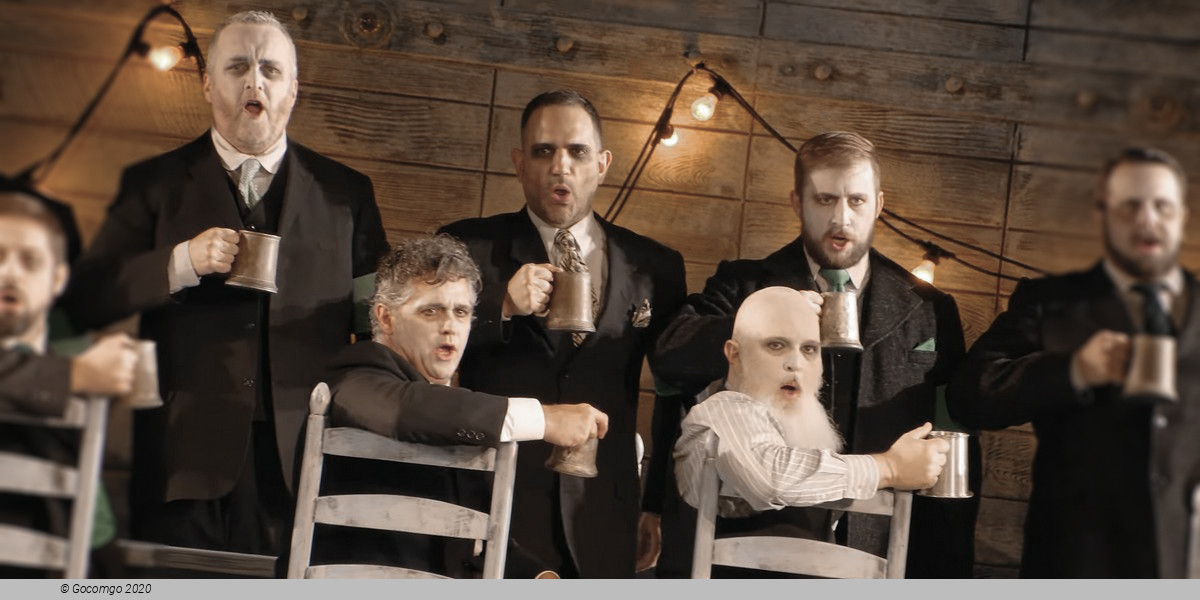
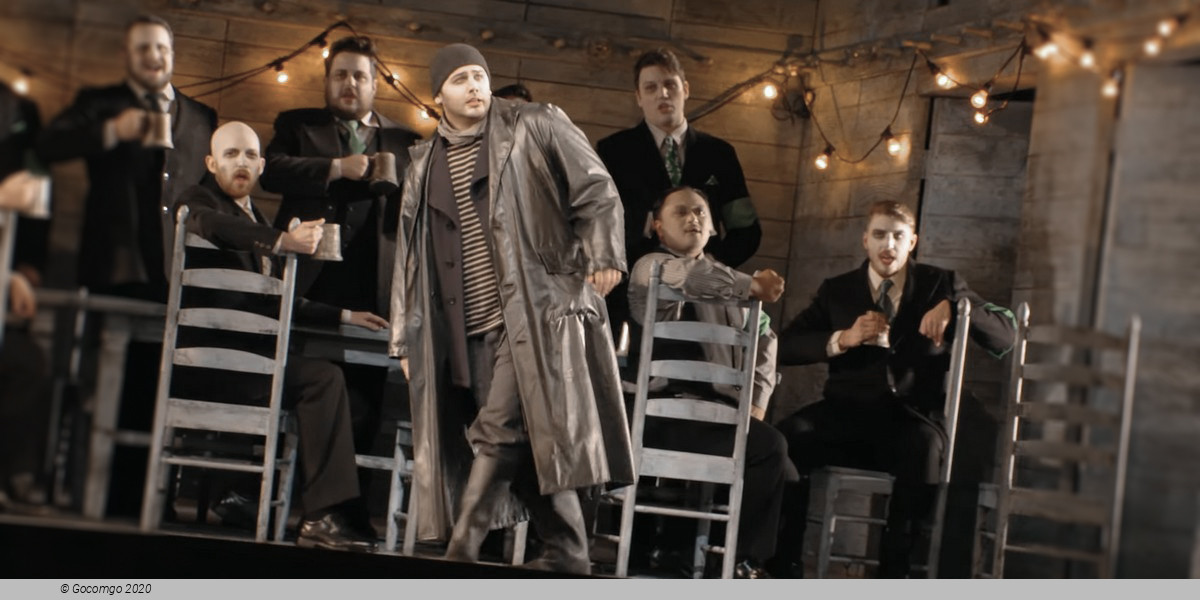
Richard Wagner’s romantic opera “The Flying Dutchman” returns to the stage of the Mikhailovsky Theatre in a production by Vasily Barkhatov.

He has transformed the story of a sailor doomed to wander the seas eternally and yearning for salvation into a gripping thriller. The performance is set in the 20th century, and the protagonist, who can only be saved by a woman’s faithful love, has been reimagined as an actor. Senta falls in love with him after seeing him on screen and immediately recognizes her idol in the mysterious stranger who appears in the seaside town.
The director actively employs cinematic techniques, virtuosically dividing the stage space into “shots”, while video allows the audience to witness the story in several time dimensions at once. This is a production as unpredictable and fresh as Wagner’s music, drenched in the salty sea wind.

History
Premiere of this production: 02 January 1843, Königliches Hoftheater, Dresden

The Flying Dutchman (German: Der fliegende Holländer) is a German-language opera, with libretto and music by Richard Wagner. The central theme is redemption through love. Wagner conducted the premiere at the Königliches Hoftheater in Dresden in 1843. Wagner claimed in his 1870 autobiography Mein Leben that he had been inspired to write the opera following a stormy sea crossing he made from Riga to London in July and August 1839. However, in his 1843 Autobiographic Sketch, Wagner acknowledged he had taken the story from Heinrich Heine's retelling of the legend in his 1833 satirical novel The Memoirs of Mister von Schnabelewopski (Aus den Memoiren des Herrn von Schnabelewopski).

Synopsis

Place: On the coast of Norway

Act 1

On his homeward journey, the sea captain Daland is compelled by stormy weather to seek a port of refuge near Sandwike in southern Norway. He leaves the helmsman on watch and he and the sailors retire. (Song of the helmsman: "Mit Gewitter und Sturm aus fernem Meer" — "With tempest and storm on distant seas.") The helmsman falls asleep. A ghostly vessel appearing astern is dashed against Daland's vessel by the sea and the grappling irons hold the two ships together. Invisible hands furl the sails. A man of pale aspect, dressed in black, his face framed by a thick black beard, steps ashore. He laments his fate. (Aria: "Die Frist ist um, und abermals verstrichen sind sieben Jahr" — "The time has come and seven years have again elapsed") Because he once invoked Satan, the ghost captain is cursed to roam the sea forever without rest. An angel brought to him the terms of his redemption: Every seven years the waves will cast him upon the shore; if he can find a wife who will be true to him he will be released from his curse.

Daland wakes up and meets the stranger. The stranger hears that Daland has an unmarried daughter named Senta, and he asks for her hand in marriage, offering a chest of treasure as a gift. Tempted by gold, Daland agrees to the marriage. The southwind blows and both vessels set sail for Daland's home.

Act 2

A group of local girls are singing and spinning in Daland's house. (Spinning chorus: "Summ und brumm, du gutes Rädchen" — "Whir and whirl, good wheel") Senta, Daland's daughter, dreamily gazes upon a gorgeous picture of the legendary Dutchman that hangs from the wall; she desires to save him. Against the will of her nurse, she sings to her friends the story of the Dutchman (Ballad with the Leitmotiv), how Satan heard him swear and took him at his word. She vows to save him by her fidelity.

The huntsman Erik, Senta's former boyfriend, arrives and hears her; the girls depart, and the huntsman, who loves the maiden, warns her, telling her of his dream, in which Daland returned with a mysterious stranger, who carried her off to sea. She listens with delight, and Erik leaves in despair.

Daland arrives with the stranger; he and Senta stand gazing at each other in silence. Daland is scarcely noticed by his daughter, even when he presents his guest as her betrothed. In the following duet, which closes the act, Senta swears to be true till death.

Act 3

Later in the evening, the local girls bring Daland's men food and drink. They invite the crew of the strange vessel to join in the merry-making, but in vain. The girls retire in wonder; ghostly forms appear at work upon the vessel The Flying Dutchman, and Daland's men retreat in fear.

Senta arrives, followed by Erik, who reproves her for deserting him, as she had formerly loved him and vowed constancy. When the stranger, who has been listening, hears these words, he is overwhelmed with despair, as he thinks he is now forever lost. He summons his men, tells Senta of the curse, and to the consternation of Daland and his crew declares that he is the "Flying Dutchman".

As the Dutchman sets sail, Senta throws herself into the sea, claiming that she will be faithful to him unto death. This is his salvation. The spectral ship disappears, and Senta and the Dutchman are seen ascending to heaven.

Venue Info

Mikhailovsky Theatre - Saint Petersburg
Location   1 Arts Square

Located in the historic center of Saint Petersburg, just steps from Nevsky Prospekt and the Arts Square, the Mikhailovsky Theatre is one of Russia’s most elegant and vibrant venues for opera and ballet. Founded in 1833, the theatre has long been an important part of the city’s rich cultural landscape, offering audiences a refined blend of classical tradition and innovative performance.

The theatre’s architecture reflects the grace of the imperial era. Its beautifully restored auditorium, adorned with gold accents, crimson velvet, and crystal chandeliers, creates an atmosphere of intimacy and aristocratic charm. Despite its historic appearance, the Mikhailovsky Theatre is equipped with modern stage technology, allowing it to present visually impressive productions while preserving its classical elegance.

Today, the theatre is known for its ambitious repertoire that spans beloved masterpieces of opera and ballet. Works by composers such as Tchaikovsky, Verdi, Puccini, and Mussorgsky share the stage with contemporary productions and new interpretations of classical works. The ballet company, admired for its expressive style and strong technique, performs iconic titles including Swan Lake, Giselle, and The Nutcracker, alongside modern choreographic creations.

The Mikhailovsky Theatre regularly welcomes internationally renowned singers, dancers, and conductors, while also nurturing a talented ensemble of resident artists. This combination of global artistry and local tradition creates performances that are both polished and emotionally compelling.

Elegant, historic, and artistically dynamic, the Mikhailovsky Theatre offers an unforgettable journey into the heart of Russian opera and ballet.

Important Info
Type: Opera
City: Saint Petersburg, Russia
Starts at: 19:00
Acts: 2
Sung in: German
Titles in: Russian
Top of page