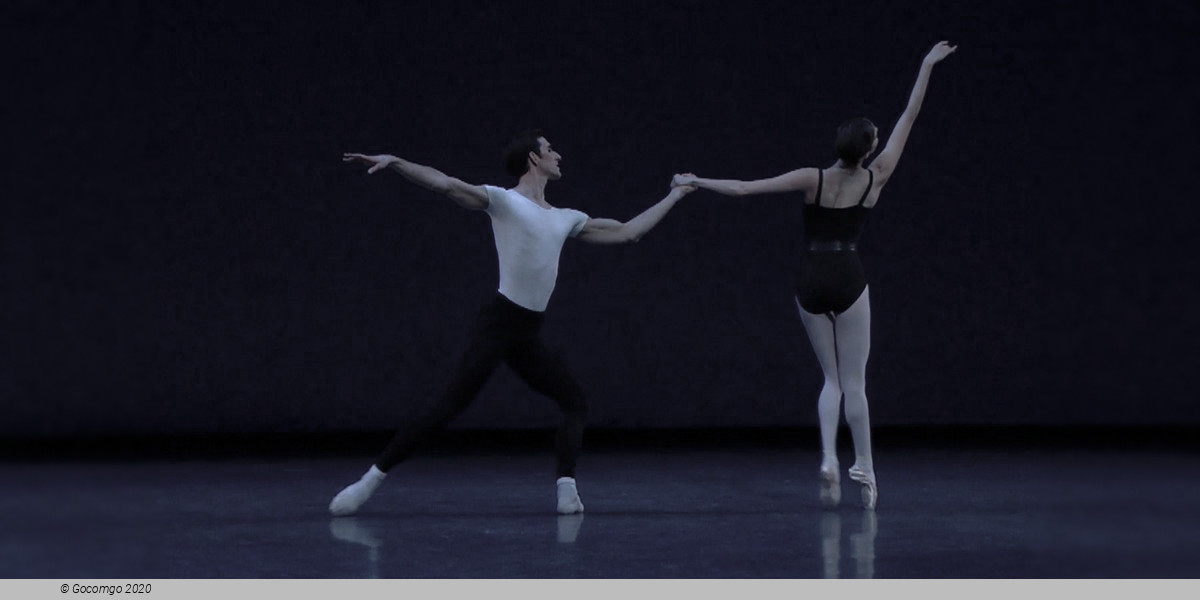
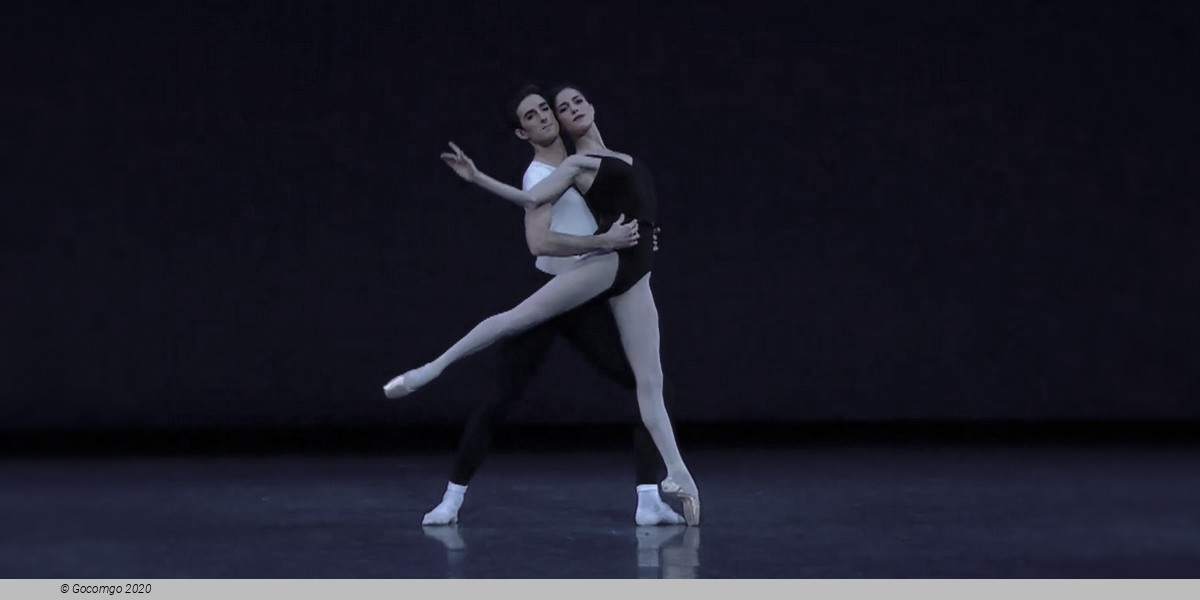
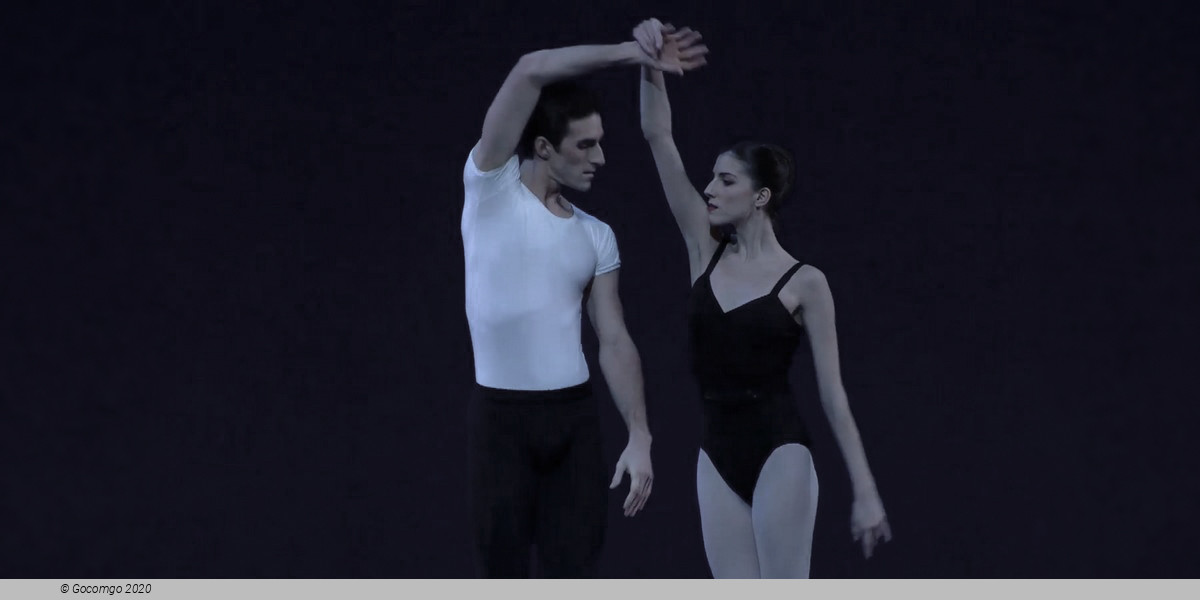
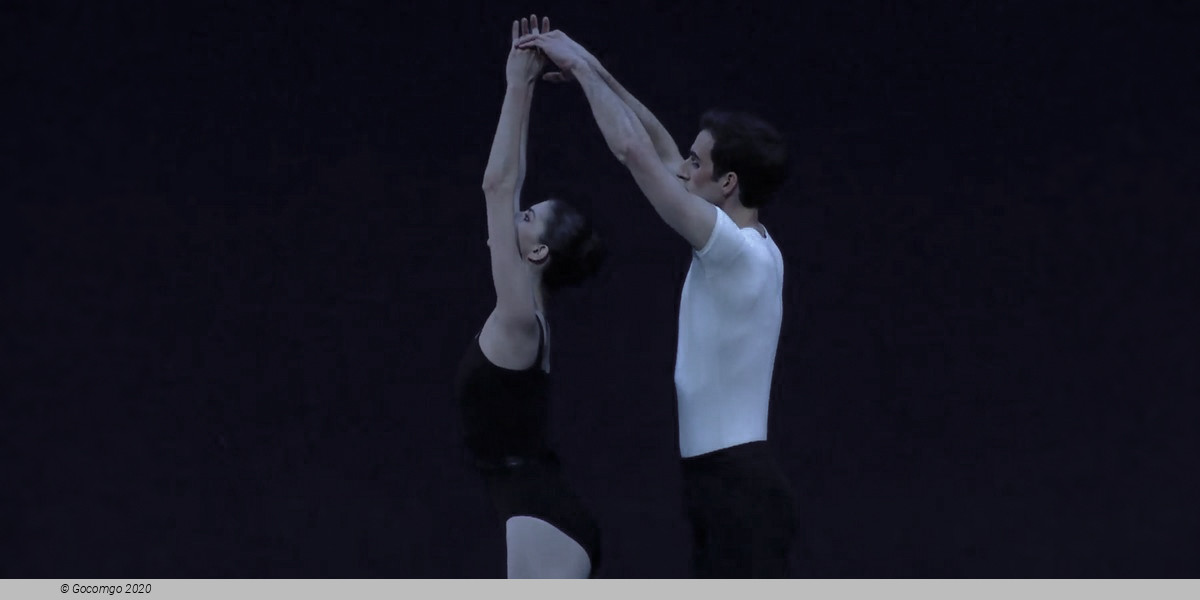
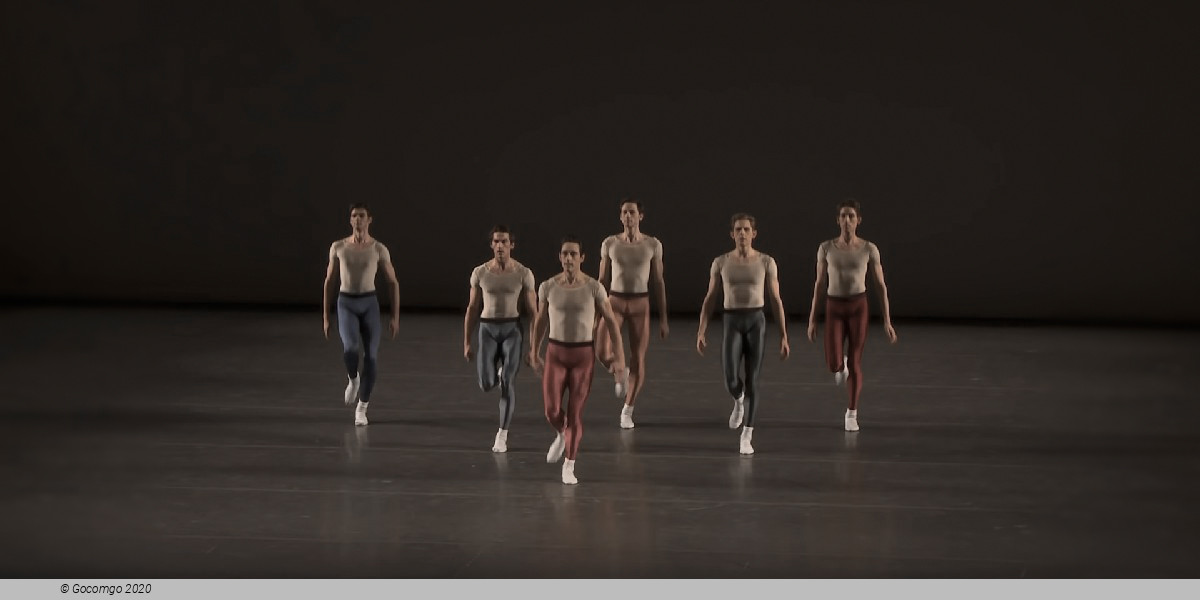
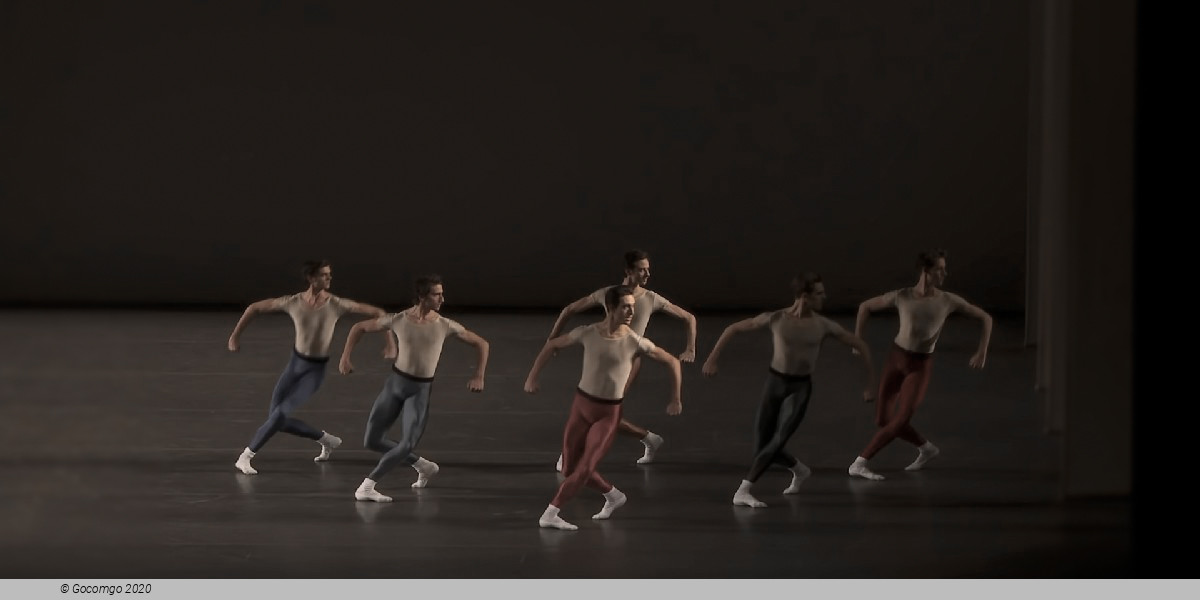
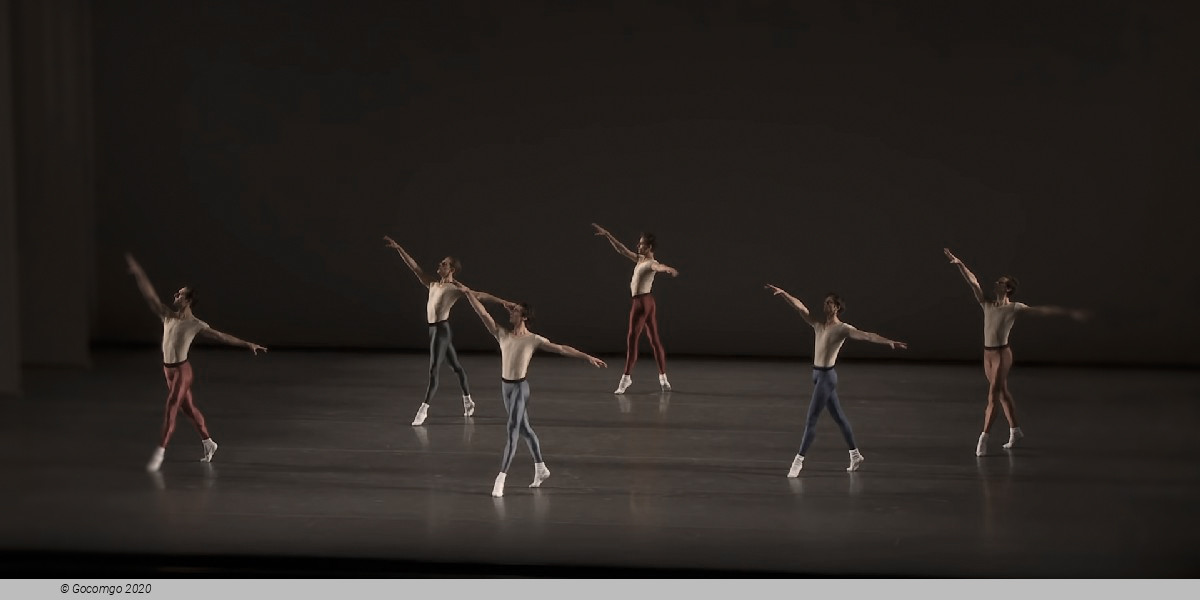
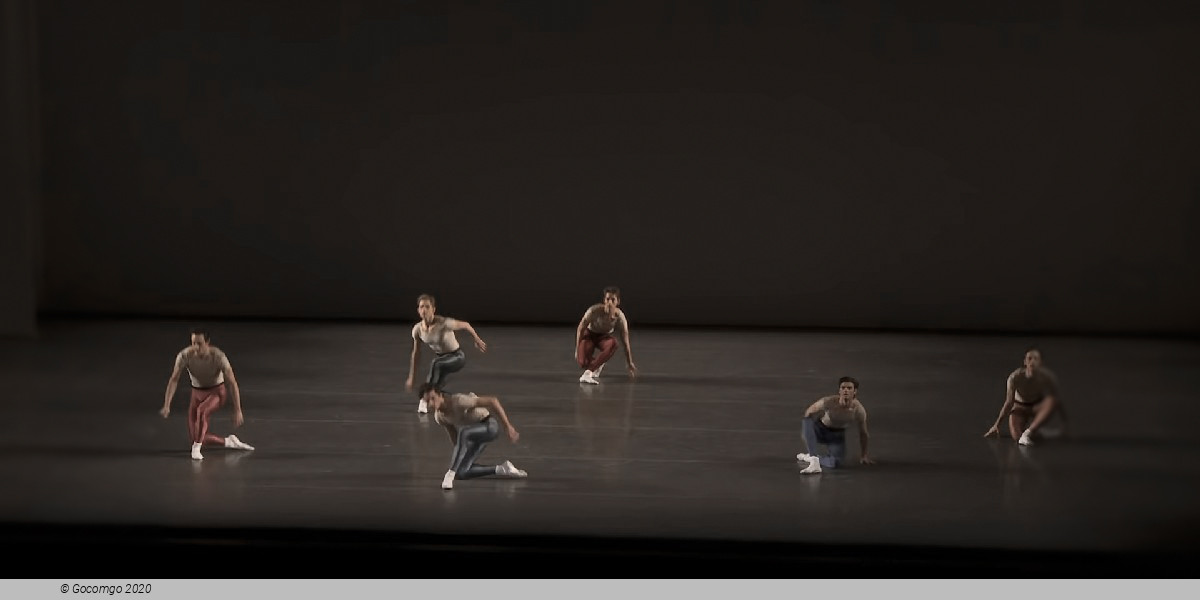
PULSE is a bold triple bill curated by Artistic Director Devon Carney, tracing ballet’s past, present, and future. The evening features three extraordinary works that showcase the full range of what ballet can be — classic, contemporary, and completely alive. George Balanchine’s The Four Temperaments explores the depths of human nature through striking modernist choreography set to Paul Hindemith’s dynamic score, highlighting precision, strength, and artistry. Jerome Robbins’ Glass Pieces electrifies the stage with hypnotic rhythms, transforming Philip Glass’ iconic music into a kinetic visual feast. Completing the program, don’t miss the bold and imaginative world premiere work by Melissa Hough, blending emotional depth, striking movement, and innovative storytelling. Together, these works celebrate the diversity, vitality, and excitement of contemporary ballet.
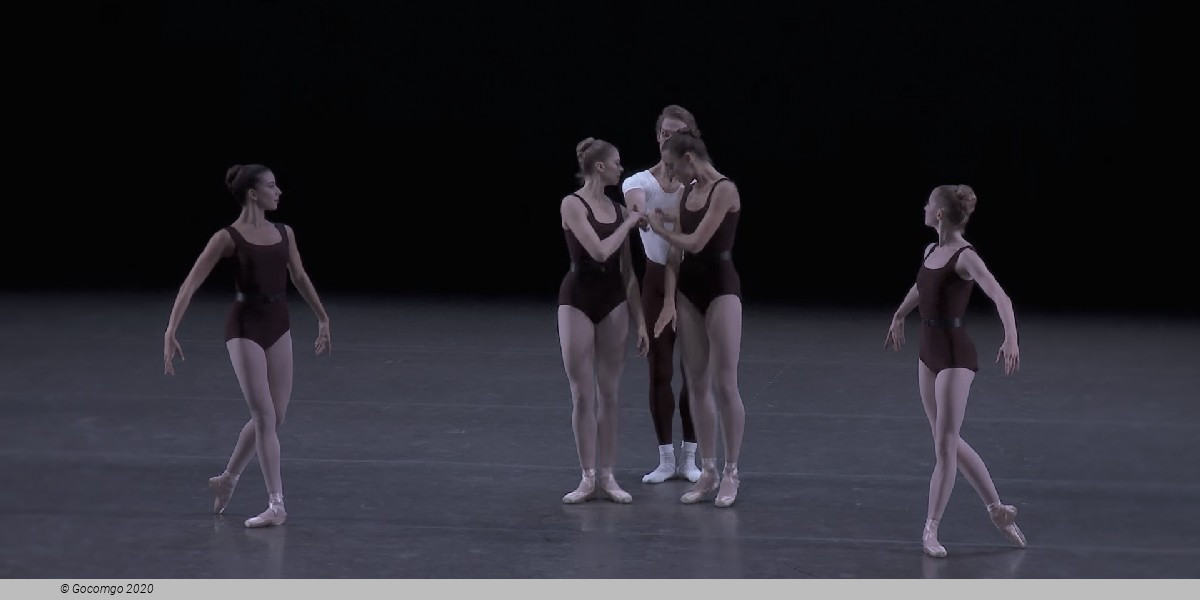
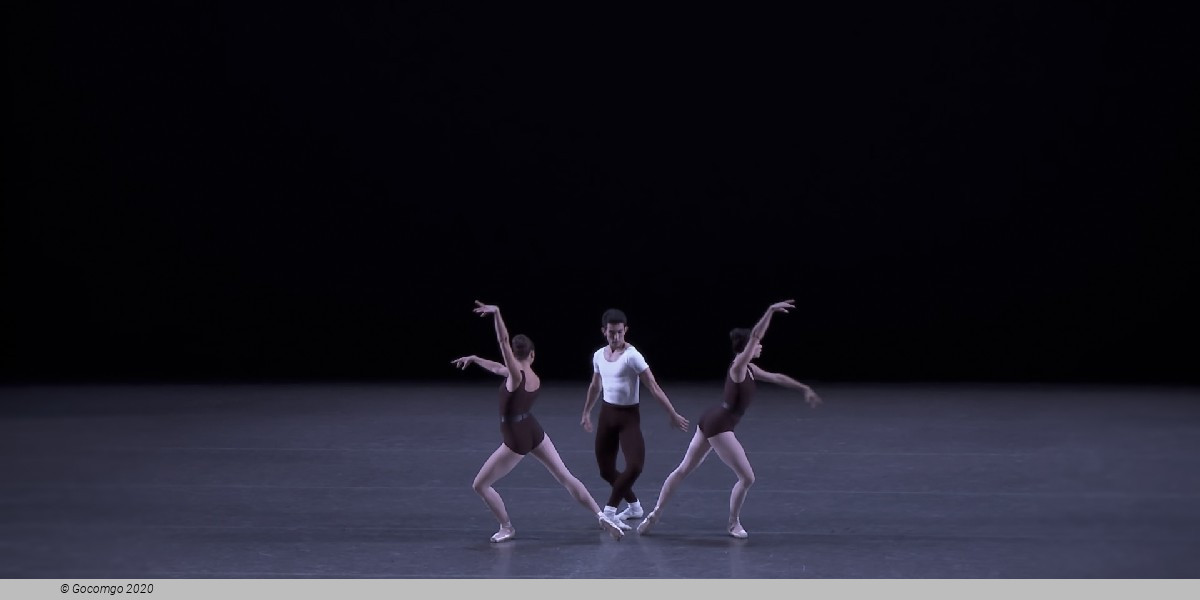
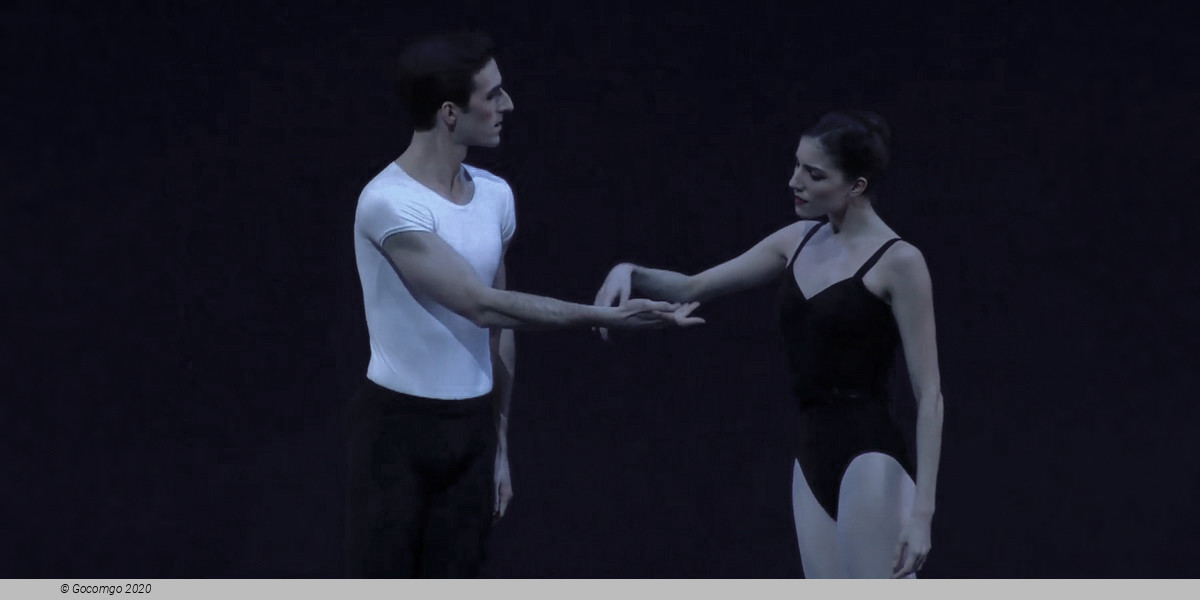
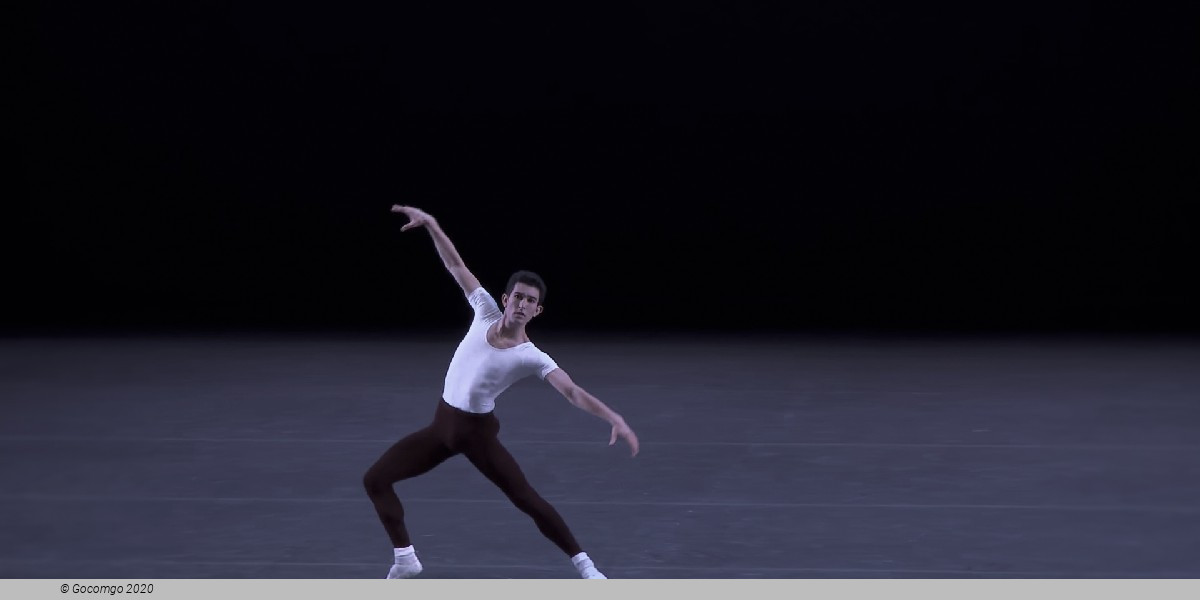
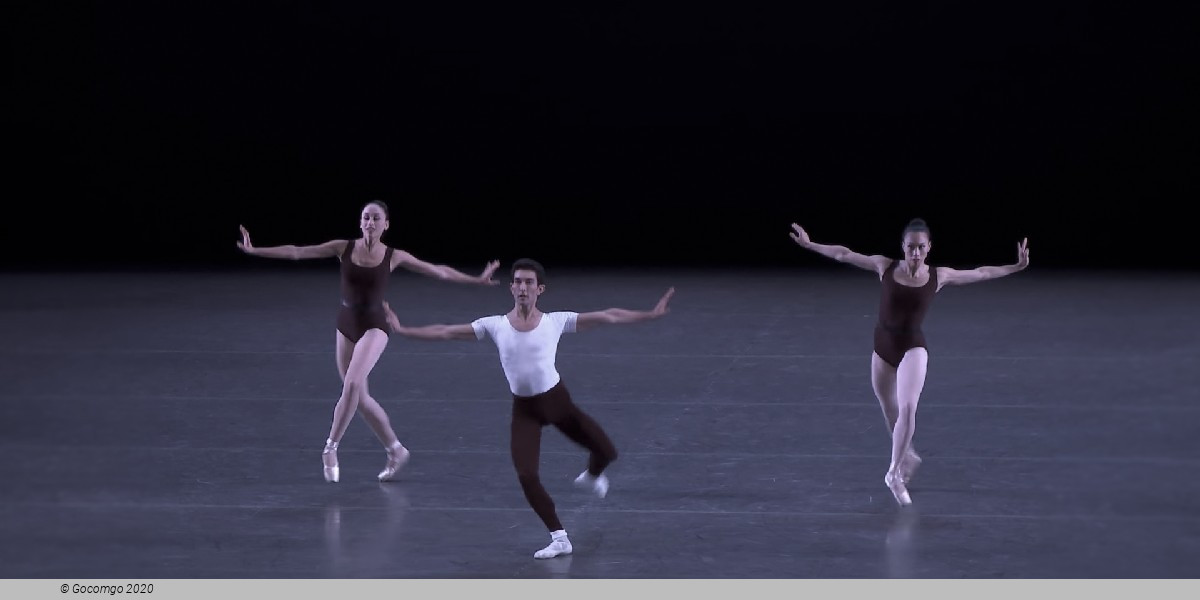
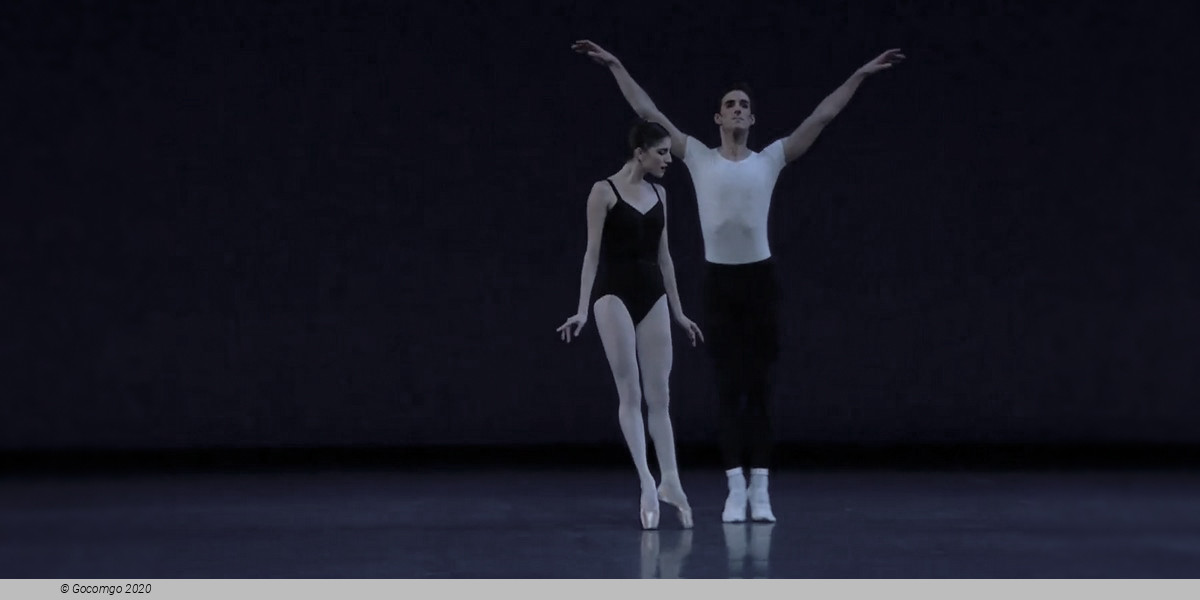
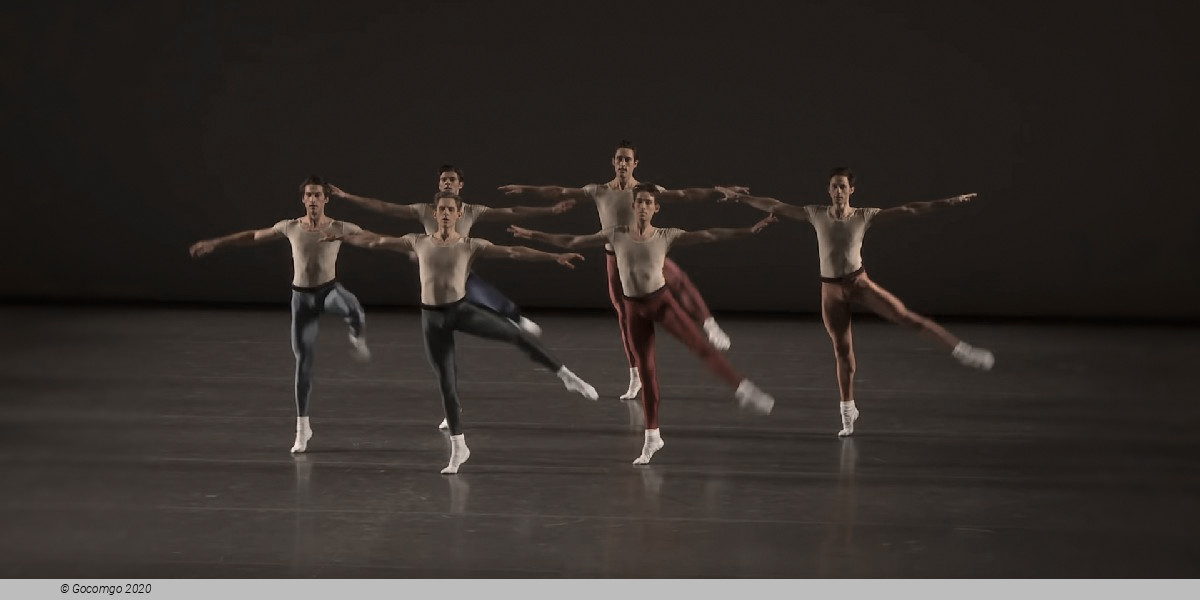
A ballet with unceasing appeal, The Four Temperaments references the medieval concept of psychological humors through its classically grounded but definitively modern movement.
The score for this ballet was commissioned by George Balanchine from Paul Hindemith in 1940. The ballet, together with Ravel’s opera L’Enfant et les Sortilèges, constituted the opening program of Ballet Society (the direct predecessor of the New York City Ballet) on November 20, 1946. In Complete Stories of the Great Ballets, Balanchine wrote of the ballet that it “is an expression in dance and music of the ancient notion that the human organism is made up of four different humors, or temperaments. Each one of us possesses these four humors, but in different degrees, and it is from the dominance of one of them that the four physical and psychological types — melancholic, sanguinic, phlegmatic, and choleric — were derived …. Although the score is based on this idea of the four temperaments, neither the music nor the ballet itself makes specific or literal interpretation of the idea. An understanding of the Greek and medieval notion of the temperaments was merely the point of departure for both composer and choreographer.”
An accomplished pianist, Balanchine commissioned the score because he wanted a short work he could play at home with friends during his evening musicales. It was completed in 1940 and had its first public performance at a 1944 concert with Lukas Foss as the pianist.
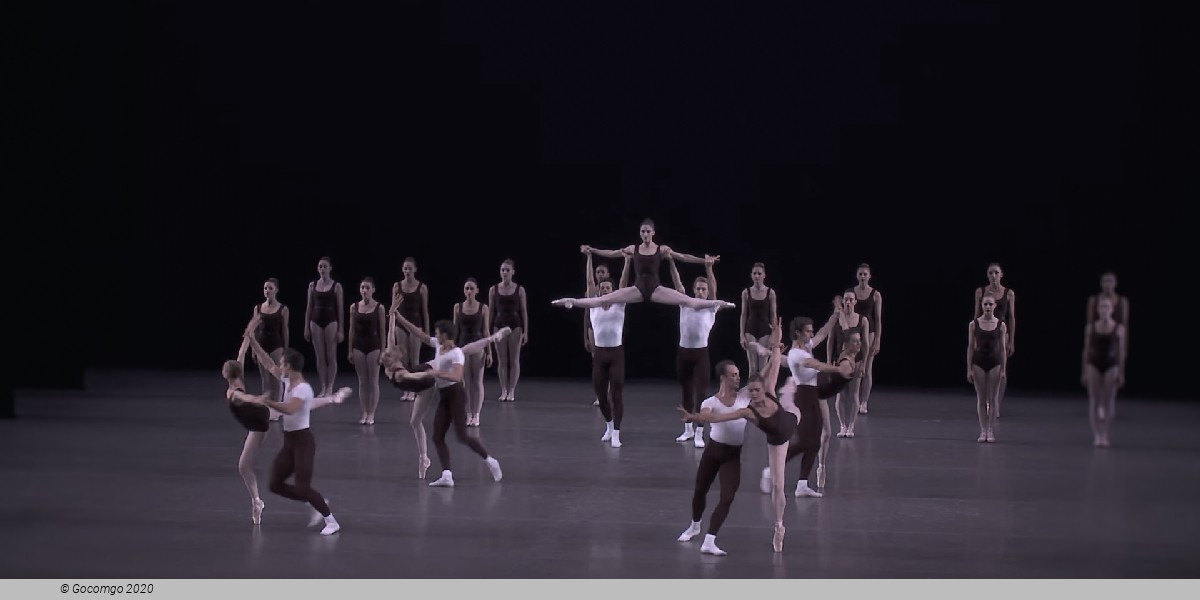
Expansive in scope and streamlined in style, Glass Pieces captures the pulsating heartbeat of metropolitan life with its charged, urban choreography, concluding in a finale that propels the corps de ballet across the stage at an electrifying pace.
Although Philip Glass’s work is often labeled as minimalist, he prefers to call it “music with repetitive structures.” His early compositions were greatly influenced by Ravi Shankar and the hypnotic rhythms of Indian music. Some of his most notable work for theater includes the trilogy of operas comprising Einstein on the Beach, Satyagraha, and Akhnaten.
Jerome Robbins, originally in line to direct Akhnaten, instead choreographed a ballet using music from the opera along with Rubric and Facades, both from Glassworks. In Glass Pieces, Robbins incorporated concepts from postmodern dance into the traditional ballet vocabulary, and he infused the work with a distinctly urban energy. The recurrent rhythms, driving momentum, and labyrinth of shifting patterns of the ensemble combine to create a physical architecture for Glass’s music.
The ballet captures the dynamic pulse of metropolitan life, inspired by Philip Glass’ streamlined and hypnotic compositions. Robbins deploys a massive ensemble of dancers in this exhilarating, highly detailed, and refreshingly abstract piece.



 1601 Broadway Blvd, Kansas City, MO 64108, Соединенные Штаты