
Hungarian State Opera House 18 October 2023 - Spartacus | GoComGo.com

Spartacus

Hungarian State Opera House, Opera House, Budapest, Hungary
All photos (8)
Select date and time
7 PM

E-tickets: Print at home or at the box office of the event if so specified. You will find more information in your booking confirmation email.

You can only select the category, and not the exact seats.
If you order 2 or 3 tickets: your seats will be next to each other.
If you order 4 or more tickets: your seats will be next to each other, or, if this is not possible, we will provide a combination of groups of seats (at least in pairs, for example 2+2 or 2+3).

Important Info
Type: Ballet
City: Budapest, Hungary
Starts at: 19:00
Acts: 3
Duration: 3h

E-tickets: Print at home or at the box office of the event if so specified. You will find more information in your booking confirmation email.

You can only select the category, and not the exact seats.
If you order 2 or 3 tickets: your seats will be next to each other.
If you order 4 or more tickets: your seats will be next to each other, or, if this is not possible, we will provide a combination of groups of seats (at least in pairs, for example 2+2 or 2+3).

Overview

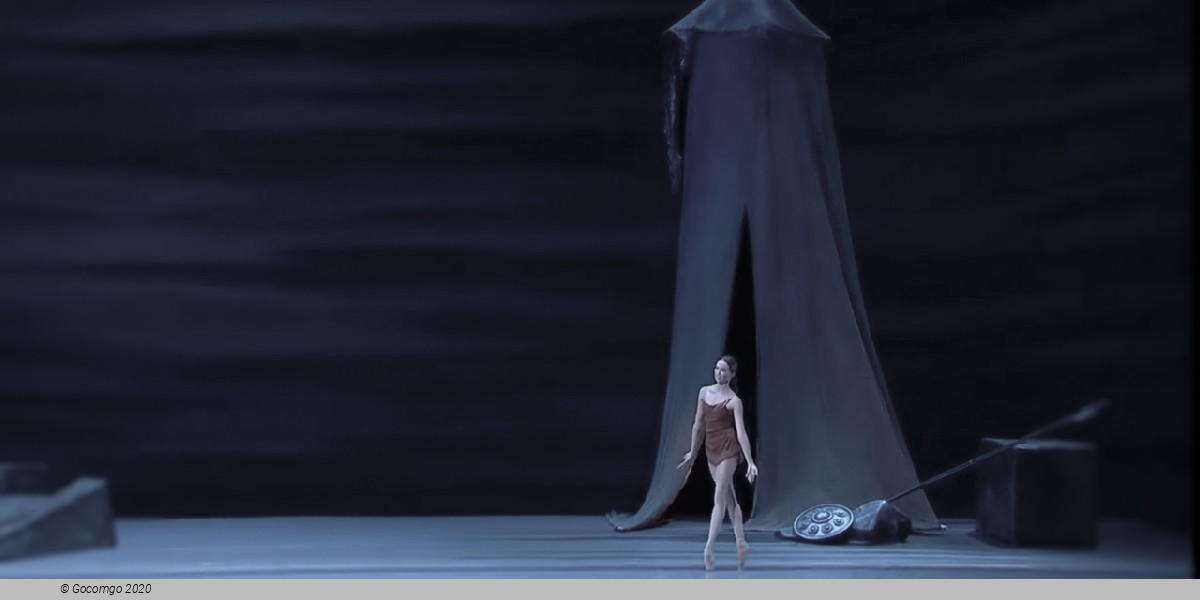
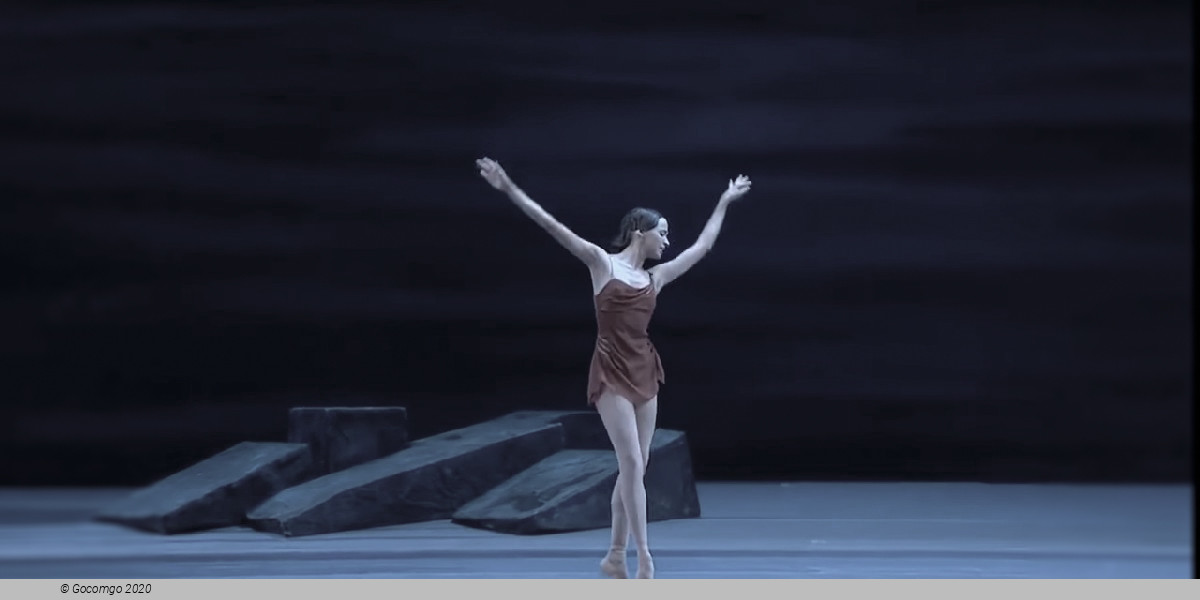
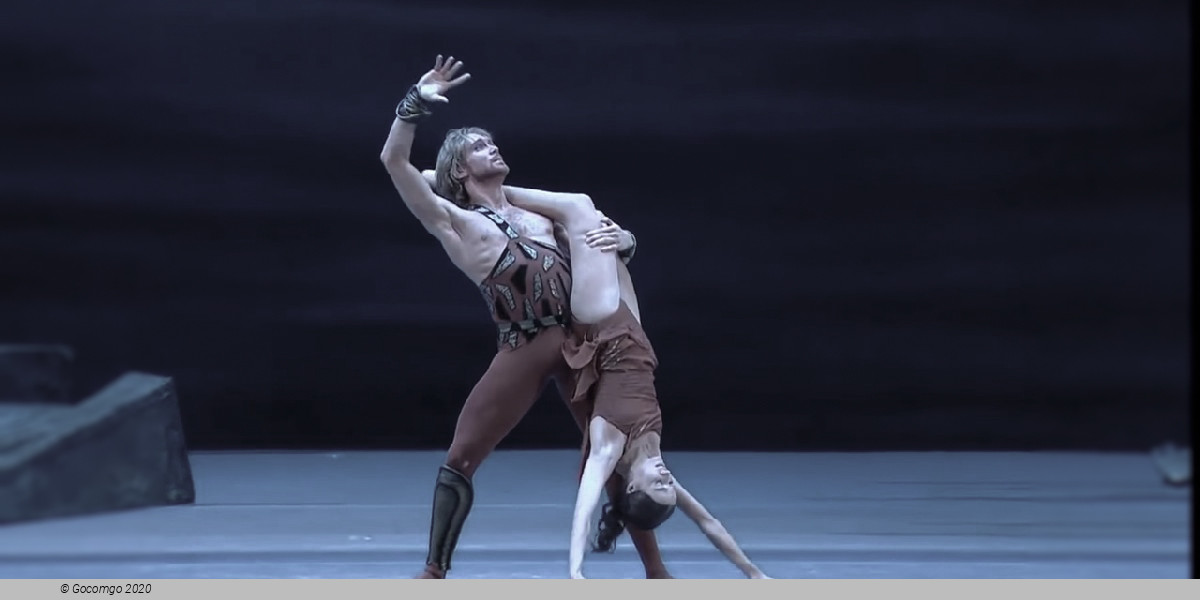
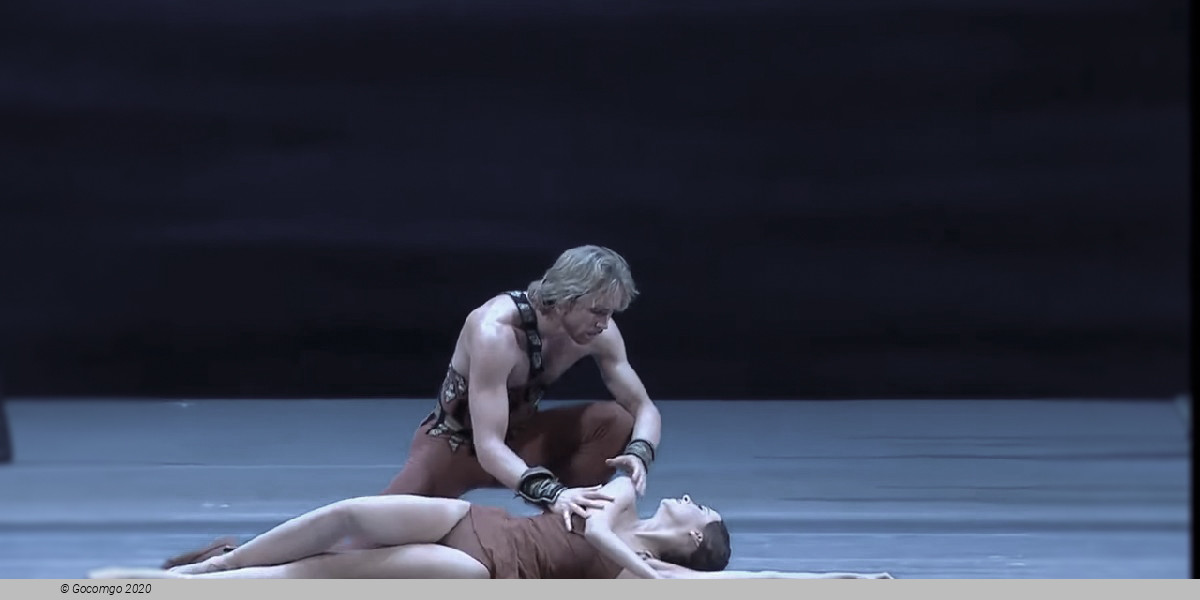
Set in the Roman Empire around 74 BC, Spartacus was László Seregi's first true full-length ballet, which at one stroke became a milestone in Hungarian dance life. Since 1968, one generation after another has enjoyed the historically themed choreography, which treats the story of the ancient slave revolt in such a way that its true message is not the rebellion itself, but rather human emotions and choices under pressure. “The subject will remain an eternal one for as long as people are being tormented, killed and treated unjustly, and for as long as there are people who wish to break free.” (László Seregi)

László Seregi (1929 – 11 May 2012) was a Hungarian dancer and choreographer who served as the primary choreographer of the National Opera of Budapest. Born in Budapest, László Seregi originally wished to become a designer. In 1949, however, he changed directions and pursued a career in dance. He studied traditional dance with Iván Szabó and classical dance with Marcella Nádasi. In 1968, he choreographed "Spartacus'", his first ballet in three acts with the Soviet Armenian composer Aram Khachaturian.

History
Premiere of this production: 27 December 1956, Kirov Theatre, Leningrad

Spartacus is a ballet by Aram Khachaturian (1903–1978). The work follows the exploits of Spartacus, the leader of the slave uprising against the Romans known as the Third Servile War, although the ballet's storyline takes considerable liberties with the historical record.

Synopsis

Act I
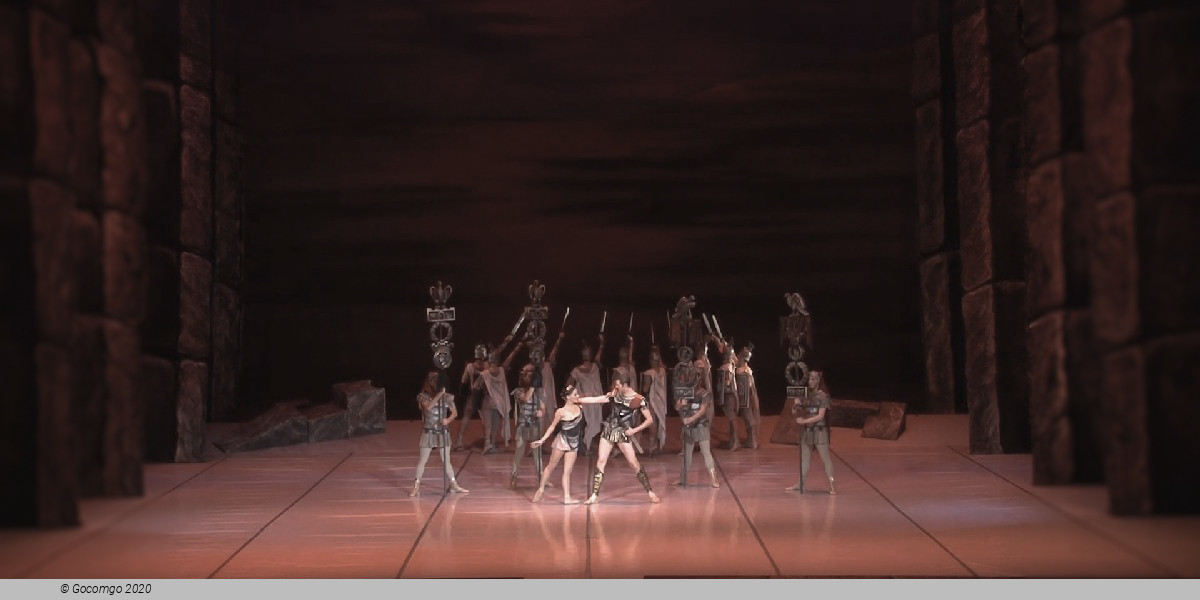
The Roman consul Crassus returns to Rome from his latest conquests in a triumphal procession. Among his captives are the Thracian king Spartacus and his wife Phrygia. Spartacus laments his captivity and bids a bitter farewell to Phrygia, who is taken off to join Crassus’ harem of concubines. To entertain Crassus and his entourage, Spartacus is sent into the gladiatorial ring and is forced to kill a close friend. Horrified at his deed, Spartacus incites his fellow captives to rebellion.

Act II
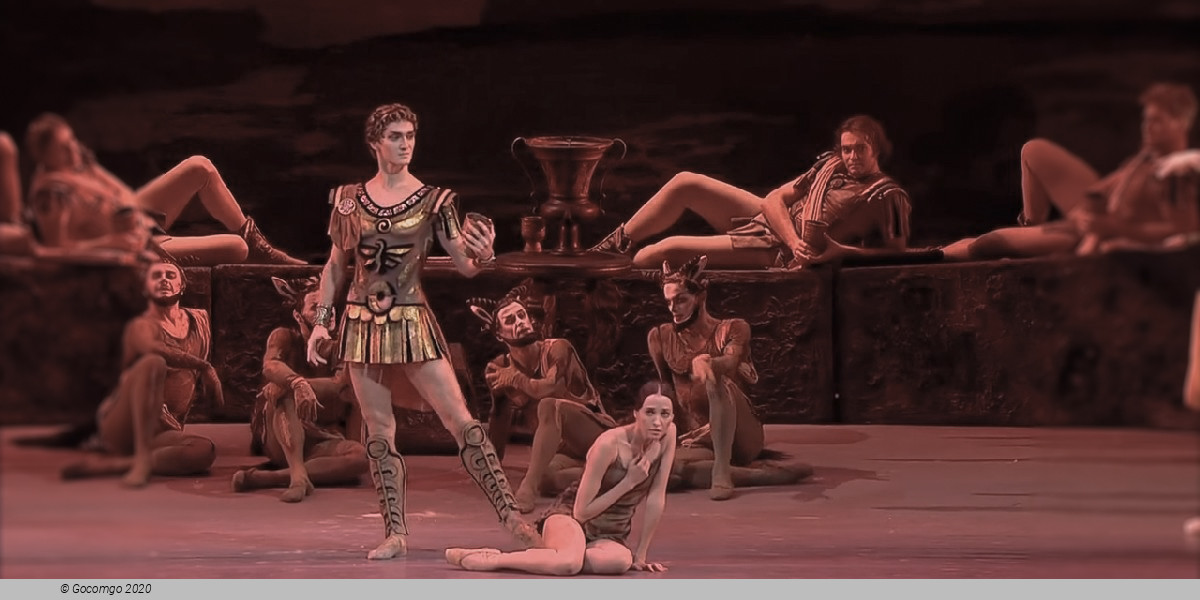
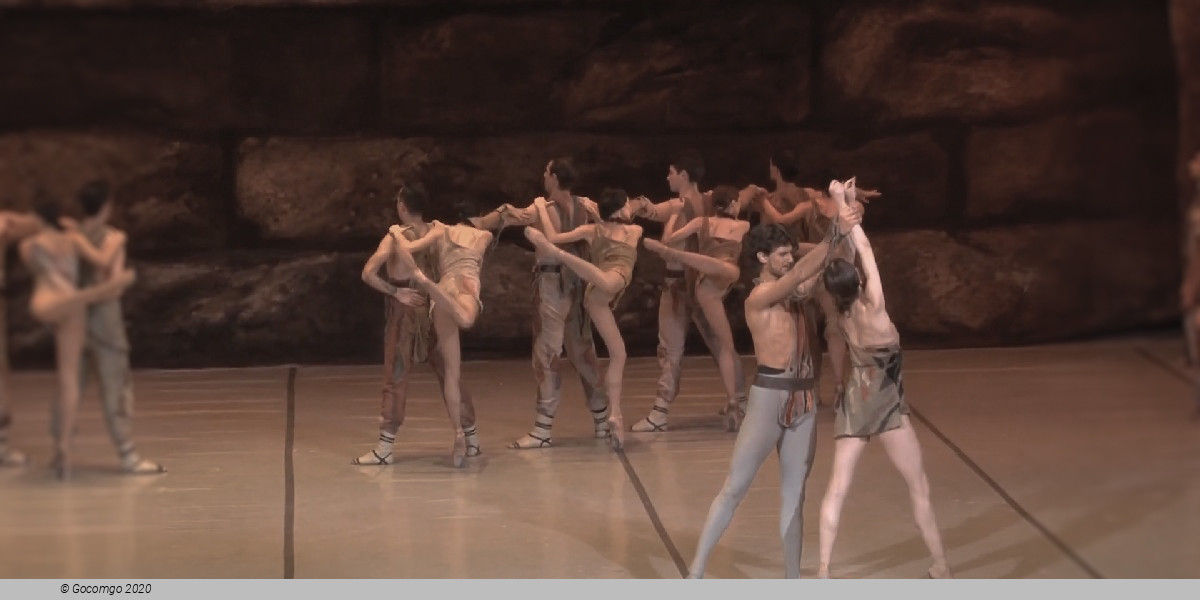
The escaped captives celebrate their freedom. Meanwhile, Crassus entertains the Roman patricians with lavish entertainment. Spartacus and the other escaped captives disrupt the orgy and rescue the slave women, including Phrygia. Aegina insists that Crassus pursue the slave army immediately. The lovers celebrate their escape to the "Adagio of Spartacus and Phrygia".

Act III
Aegina discovers Spartacus’s camp and observes the lovers emerging from their tent the next morning. Aegina sends word to Crassus, who sends his army in pursuit. Internecine struggles break out among Spartacus’s forces. Finally, Crassus’s forces discover Spartacus and impale him upon their spears. Spartacus’s closest followers recover his body and carry it off while Phrygia mourns her loss.

Venue Info

Hungarian State Opera House - Budapest
Location   Andrássy út 22

The Hungarian State Opera House (Hungarian: Magyar Állami Operaház) is a neo-Renaissance opera house located in central Budapest, on Andrássy út. The Hungarian State Opera House is the main opera house of the country and the second largest opera house in Budapest and in Hungary. Today, the opera house is home to the Budapest Opera Ball, a society event dating back to 1886. The Theatre was designed by Miklós Ybl, a major figure of 19th-century Hungarian architecture.

Construction began in 1875, funded by the city of Budapest and by Emperor Franz Joseph I of Austria-Hungary, and the new house opened to the public on the 27 September 1884. Before the closure of the "Népszínház" in Budapest, it was the third largest opera building in the city; today it is the second largest opera house in Budapest and in Hungary.

Touring groups had performed operas in the city from the early 19th century, but as Legány notes, "a new epoch began after 1835 when part of the Kasa National Opera and Theatrical Troupe arrived in Buda". They took over the Castle Theatre and, in 1835, were joined by another part of the troupe, after which performances of operas were given under conductor Ferenc Erkel. By 1837 they had established themselves at the Magyar Színház (Hungarian Theatre) and by 1840, it had become the "Nemzeti Színház" (National Theatre). Upon its completion, the opera section moved into the Hungarian Royal Opera House, with performances quickly gaining a reputation for excellence in a repertory of about 45 to 50 operas and about 130 annual performances. 

Many important artists were guests here including the composer Gustav Mahler, who was director in Budapest from 1888 to 1891 and Otto Klemperer, who was music director for three years from 1947 to 1950.

It is a richly decorated building and is considered one of the architect's masterpieces. It was built in neo-Renaissance style, with elements of Baroque. Ornamentation includes paintings and sculptures by leading figures of Hungarian art including Bertalan Székely, Mór Than, and Károly Lotz. Although in size and capacity it is not among the greatest, in beauty and the quality of acoustics the Budapest Opera House is considered to be amongst the finest opera houses in the world.

The auditorium holds 1,261 people. It is horseshoe-shaped and – according to measurements done in the 1970s by a group of international engineers – has the third best acoustics in Europe after La Scala in Milan and the Palais Garnier in Paris. Although many opera houses have been built since the Budapest Opera House is still among the best in terms of acoustics.

In front of the building are statues of Ferenc Erkel and Franz Liszt. Liszt is the best-known Hungarian composer. Erkel composed the Hungarian national anthem, and was the first music director of the Opera House; he was also the founder of the Budapest Philharmonic Orchestra.

Each year the season lasts from September to the end of June and, in addition to opera performances, the House is home to the Hungarian National Ballet.

There are guided tours of the building in six languages (English, German, Spanish, French, Italian, and Hungarian) almost every day.

Important Info
Type: Ballet
City: Budapest, Hungary
Starts at: 19:00
Acts: 3
Duration: 3h
Top of page