Pyotr Ilyich Tchaikovsky was commissioned to create a fairy tale ballet A Lake of Swans in 1875. By that time, the 35-year old composer had been rather well-known: he had composed three symphonies and several operas, however he had not tried his hand at the genre of ballet yet. This was not surprising: at that time, the leading place in the ballet world was assigned to primas and ballet masters, while music played a merely supplementary role in the performance, serving as a background accompaniment for dancing. For this reason, composers regarded this genre as “low” and “second-rate”, and prominent authors rarely took on the task of composing such music.
Being a great admirer of the ballet art, Pyotr Ilyich did not support his colleagues’ snobbery and embarked on his commission with great enthusiasm. He most actively participated in the creation of the libretto of Swan Lake (though it is still uncertain who actually wrote the the original text for the ballet). He seriously explored the specifics of the ballet dance. Tchaikovsky’s friends were surprised to see how scrupulously he went into all nuances of this or that “pas”, trying to understand what music would suit the dancers best.
In 1877 Swan Lake saw the light on stage of the Bolshoi Theatre in Moscow. Alas, in this production everything was wrong: Reisinger’s choreography was described by critics as “gymnastics exercises”; due to a silly argument, the leading role was performed not by talented prima ballerina Sobeshyanskaya, but by her substitute - Karpakova; and the orchestra under little-experienced conductor Ryabov failed to cope with the “Swan” script. The ballet was not successful. All that Tchaikovsky could do was to hope that his music for the ballet would be appreciated some day in future.
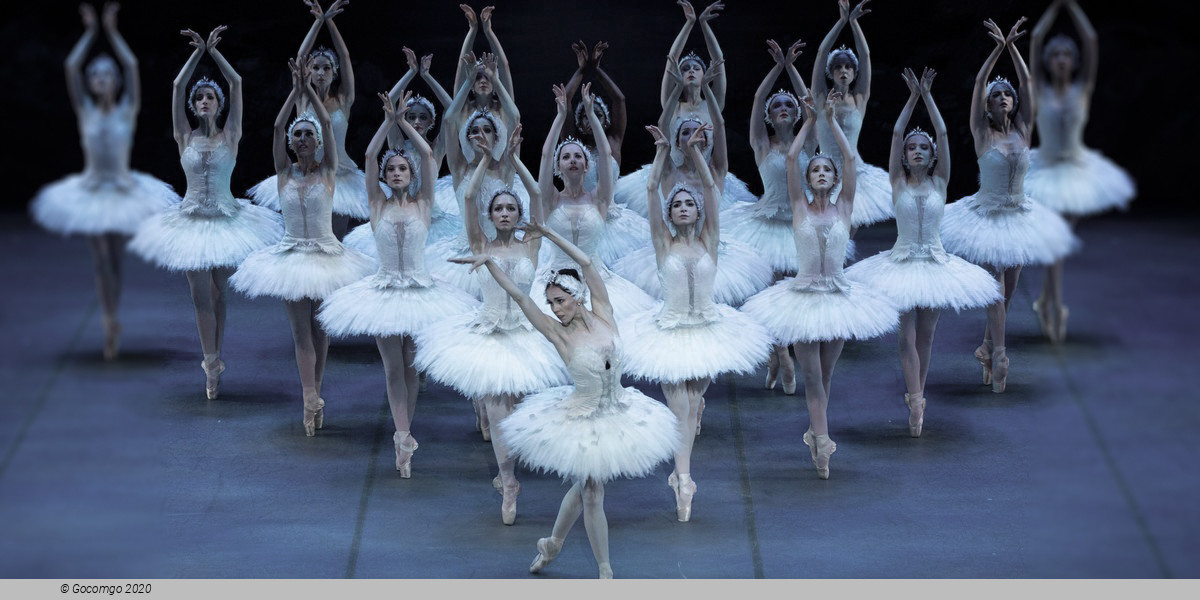
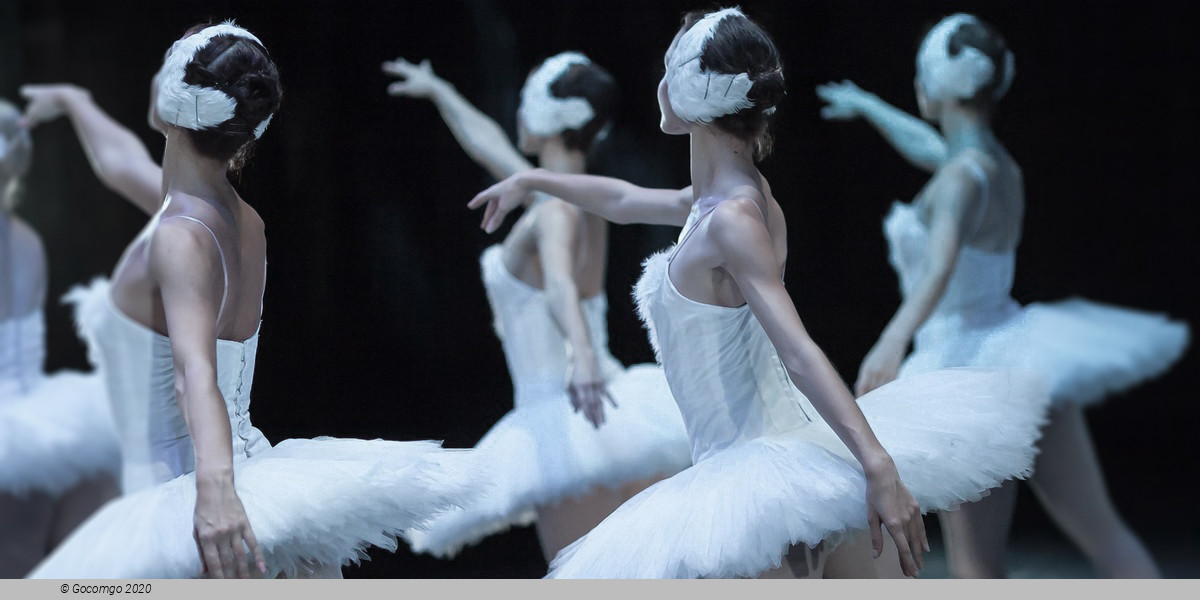
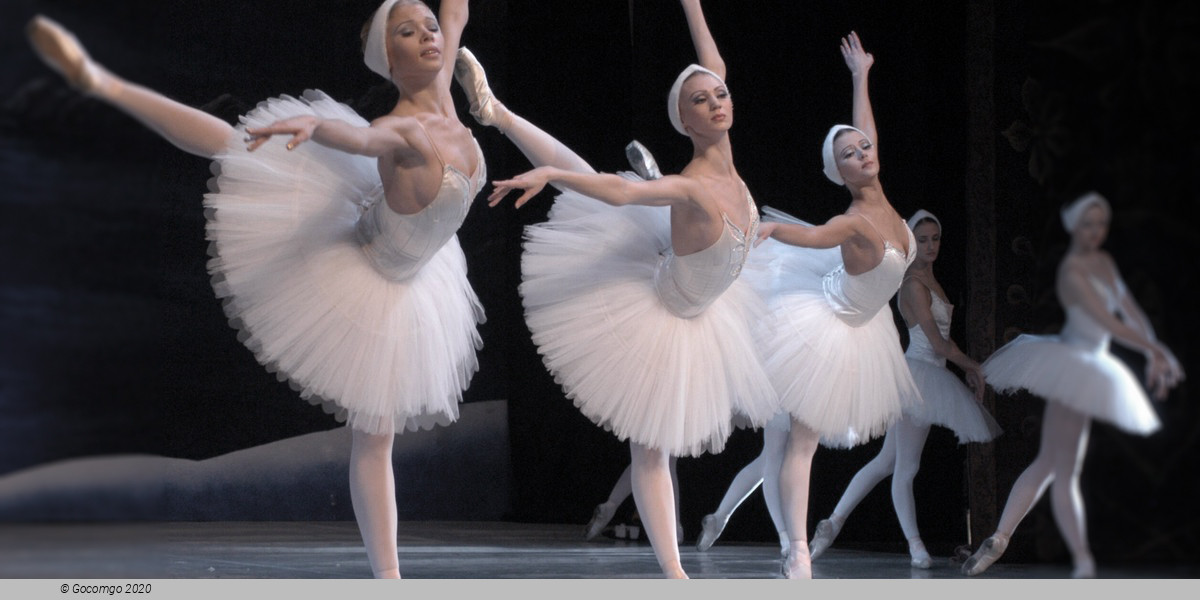
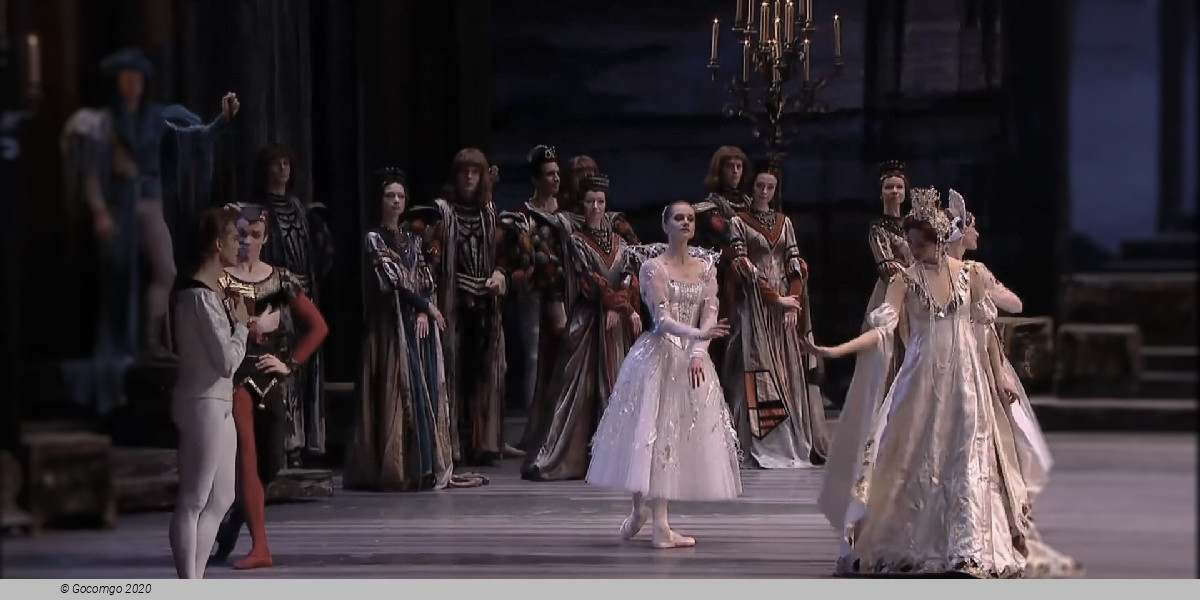
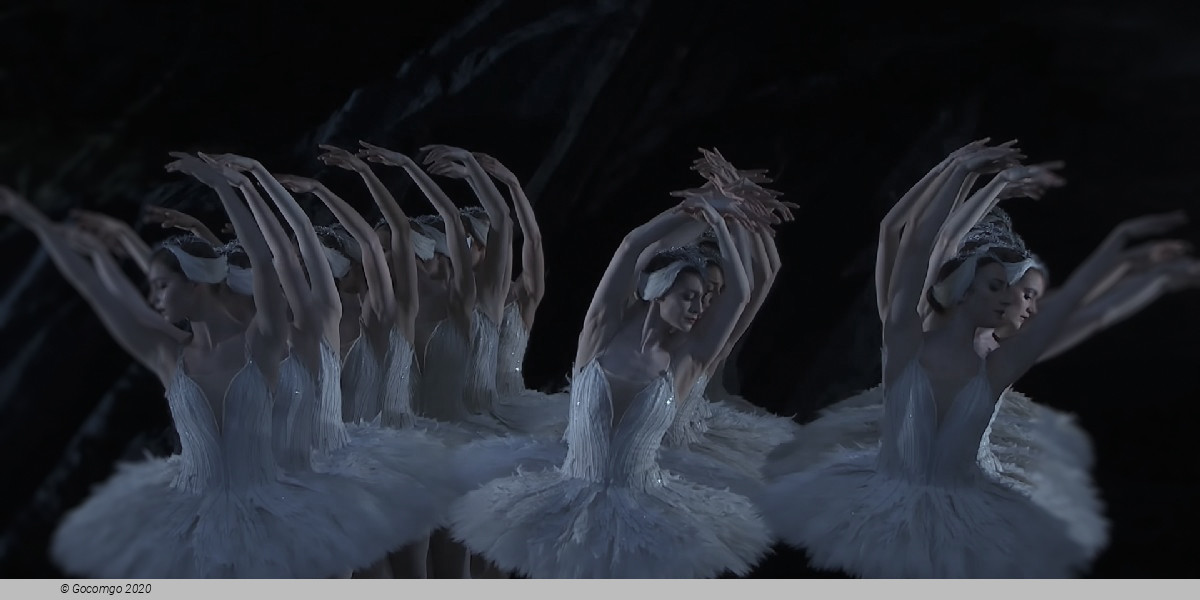
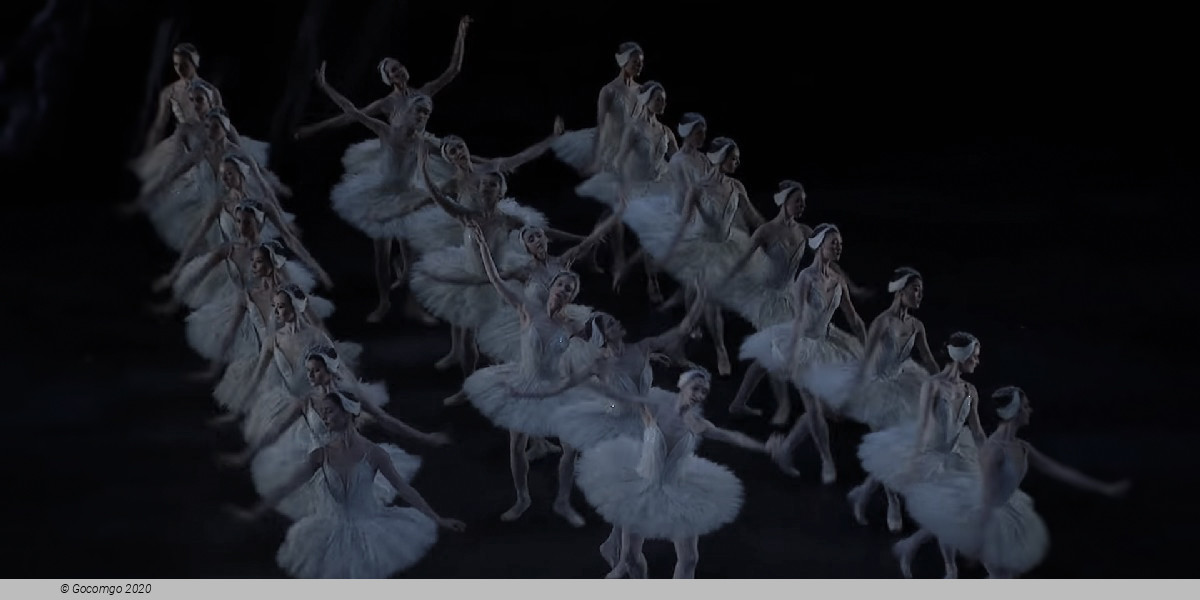
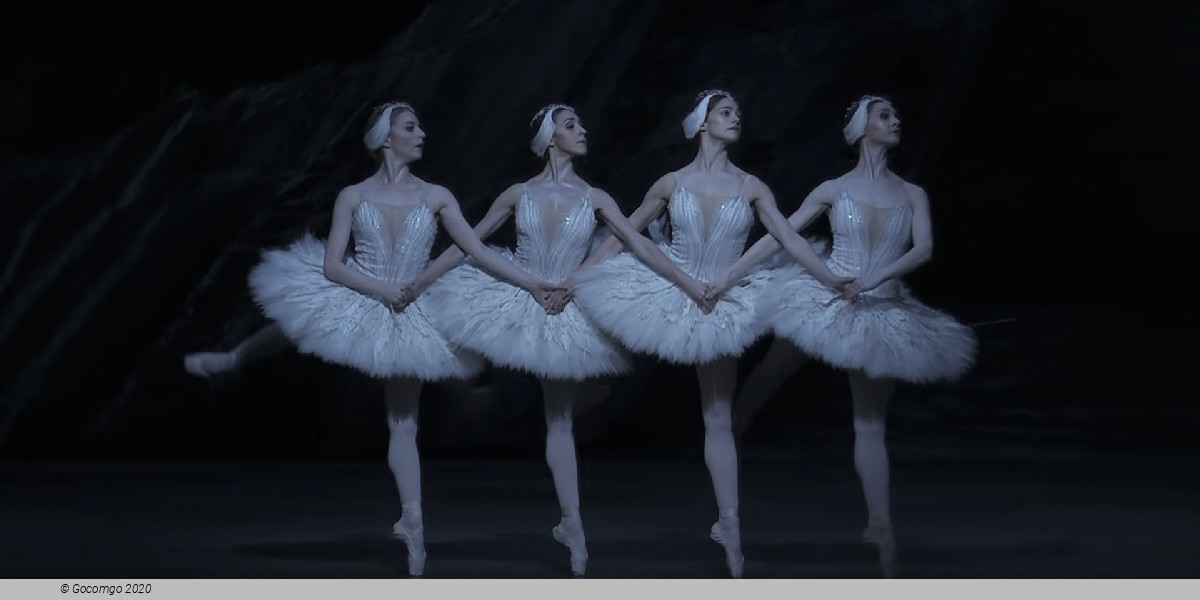
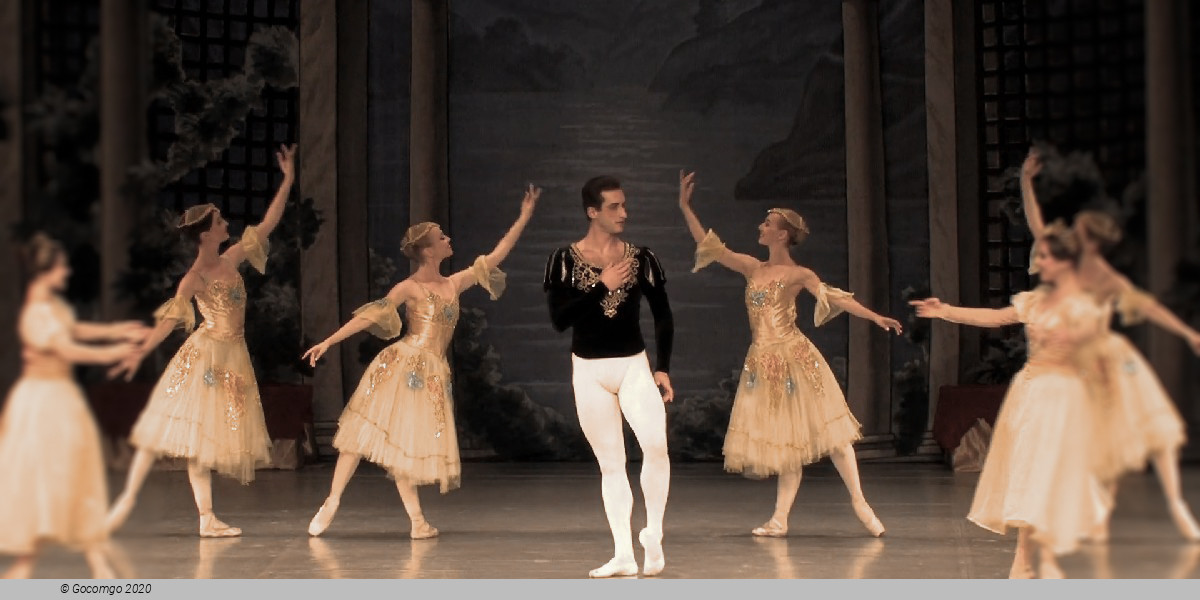
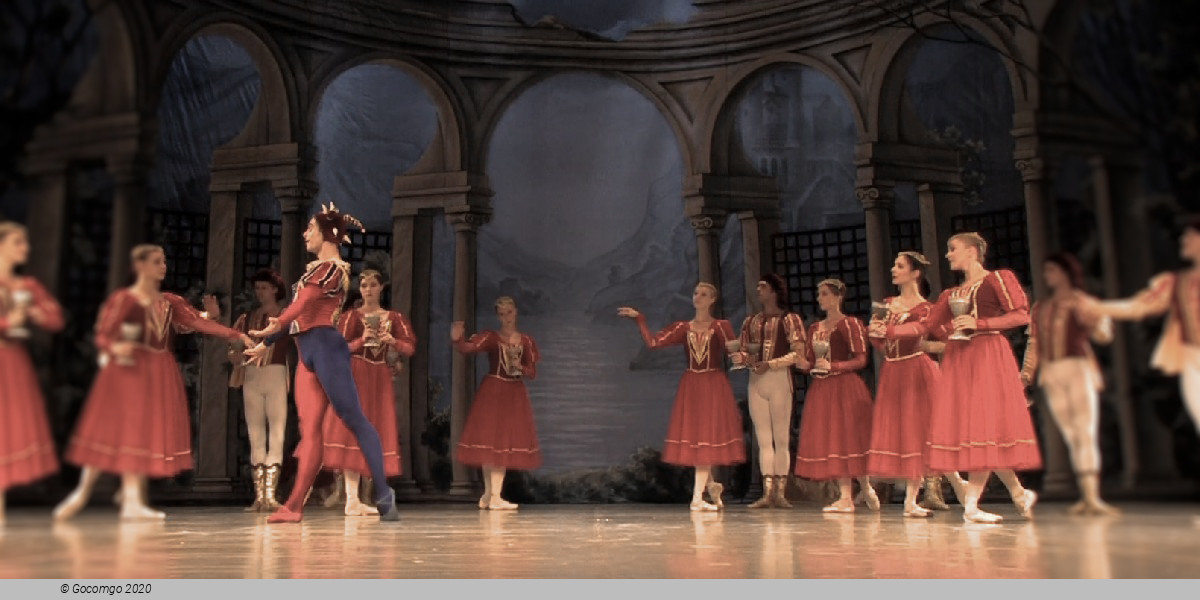
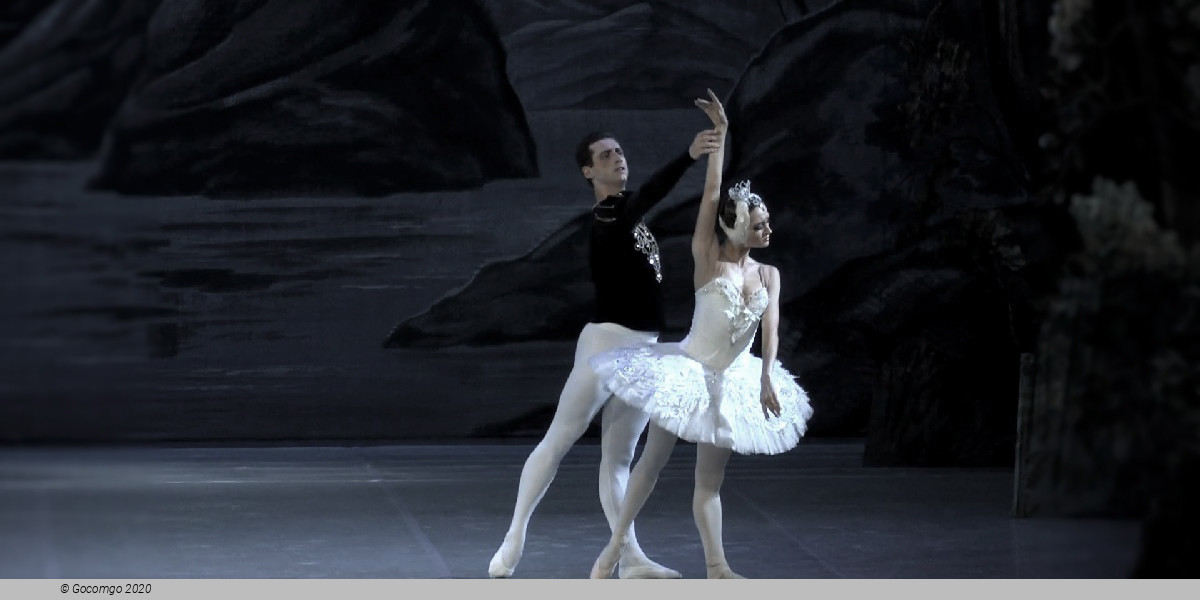
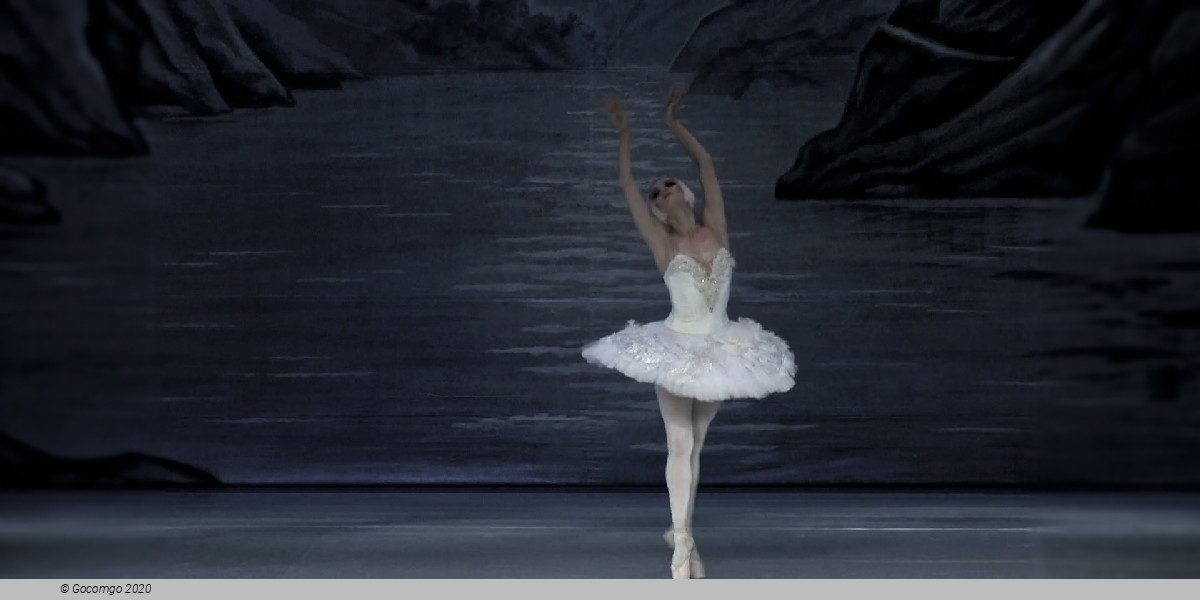
Not long before the composer’s death, the legendary Marius Petipa and his gifted disciple and follower Lev Ivanov decided to stage a new production of Swan Lake in St Petersburg. The ballet masters considerably reworked the libretto, changed the order of numbers, removed the pathetic wings from the dancers’ costumes, creating the stage image deserving Tchaikovsky’s music. Their 1895 production at the Mariinsky Theatre became the classical basis for all subsequent interpretations. With every new generation of choreographers, Ivanov-Petipa’s Swan Lake is re-thought and enriched with new nuances, being an example of strikingly long life onstage. The Primorsky Stage audience will have a chance to see one of the iconic Konstantin Sergeyev’s versions of their favourite ballet with the legendary sets designed by Simon Virsaladze.
Natalia Rogudeeva
Although Swan Lake is presented in many different versions, most ballet companies base their stagings both choreographically and musically on the 1895 revival of Marius Petipa and Lev Ivanov, first staged for the Imperial Ballet on 15 January 1895, at the Mariinsky Theatre in St. Petersburg. For this revival, Tchaikovsky's score was revised by the St. Petersburg Imperial Theatre's chief conductor and composer Riccardo Drigo.
During the late 1880s and early 1890s, Petipa and Vsevolozhsky discussed with Tchaikovsky the possibility of reviving Swan Lake. However, Tchaikovsky died on 6 November 1893, just when plans to revive Swan Lake were beginning to come to fruition. It remains uncertain whether Tchaikovsky was prepared to revise the music for this revival. Whatever the case, as a result of Tchaikovsky's death, Drigo was forced to revise the score himself, after receiving approval from Tchaikovsky's younger brother, Modest. There are major differences between Drigo's and Tchaikovsky's Swan Lake score. Today, it is Riccardo Drigo's revision of Tchaikovsky's score, and not Tchaikovsky's original score of 1877, that most ballet companies use.
In February 1894, two memorial concerts planned by Vsevolozhsky were given in honor of Tchaikovsky. The production included the second act of Swan Lake, choreographed by Lev Ivanov, Second Balletmaster to the Imperial Ballet. Ivanov's choreography for the memorial concert was unanimously hailed as wonderful.
The revival of Swan Lake was planned for Pierina Legnani's benefit performance in the 1894–1895 season. The death of Tsar Alexander III on 1 November 1894 and the ensuing period of official mourning brought all ballet performances and rehearsals to a close for some time, and as a result all efforts could be concentrated on the pre-production of the full revival of Swan Lake. Ivanov and Petipa collaborated on the production, with Ivanov retaining his dances for the second act while choreographing the fourth, with Petipa staging the first and third acts.
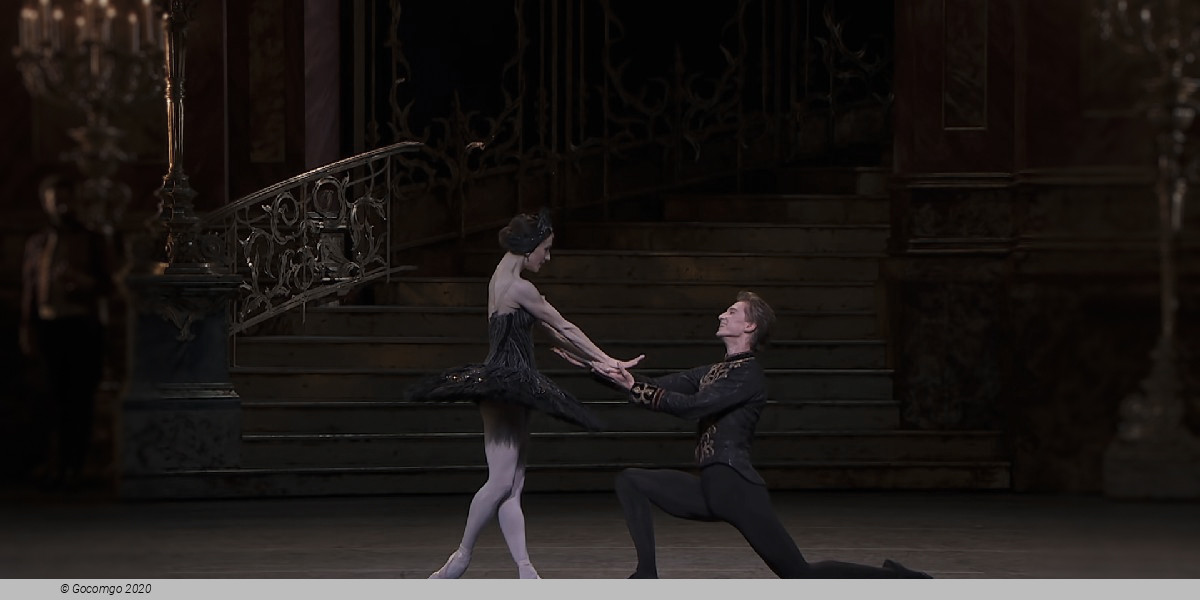
Modest Tchaikovsky was called upon to make changes to the ballet's libretto, including the character of Odette changing from a fairy swan-maiden into a cursed mortal woman, the ballet's villain changing from Odette's stepmother to the magician von Rothbart, and the ballet's finale: instead of the lovers simply drowning at the hand of Odette's stepmother as in the original 1877 scenario, Odette commits suicide by drowning herself, with Prince Siegfried choosing to die as well, rather than live without her, and soon the lovers' spirits are reunited in an apotheosis. Aside from the revision of the libretto the ballet was changed from four acts to three—with act 2 becoming act 1, scene 2.
All was ready by the beginning of 1895 and the ballet had its première on Friday, 27 January. Pierina Legnani danced Odette/Odile, with Pavel Gerdt as Prince Siegfried, Alexei Bulgakov as Rothbart, and Alexander Oblakov as Benno. Most of the reviews in the St. Petersburg newspapers were positive.




 Fastovskaya St, 20