Act 1
Scene 1: A tavern on the borders of Saxony.
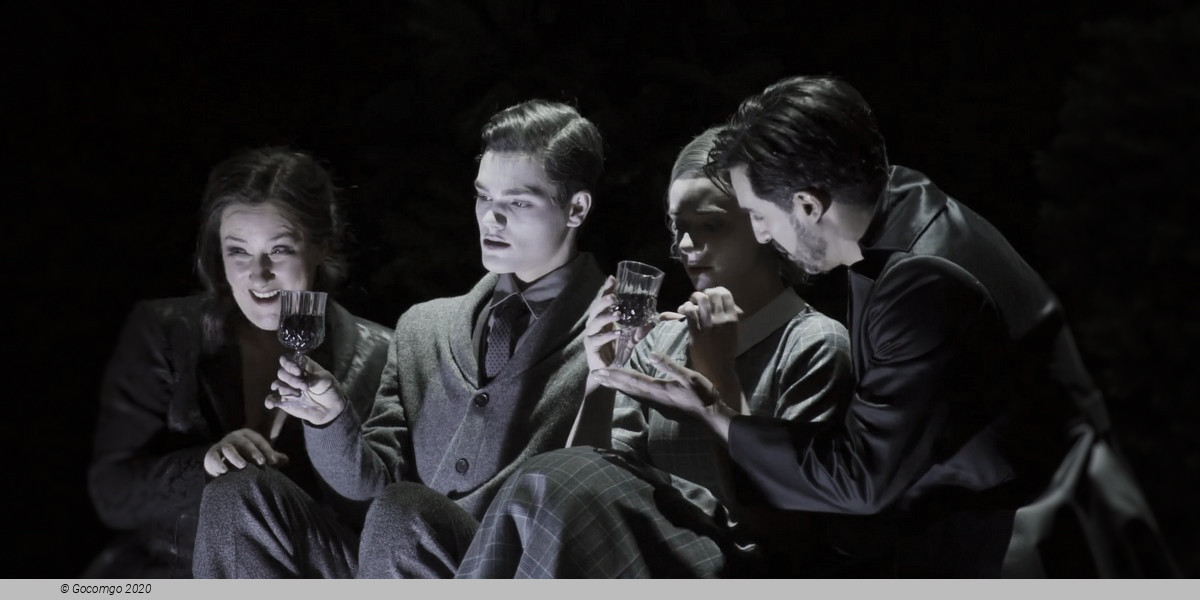
During a break from his studies at Dresden University, Carlo, the elder and favourite son of Count Massimiliano Moor has fallen amongst thieves, literally. He has become a member of a notorious gang of highwaymen and cut-throats who terrorise the local community by robbery, extortion and rowdy singing at all hours of the day and night.
But already Carlo has tired of living a life of depravity and longs to return home to be with Amalia, his gentle cousin and lifelong sweetheart (O mio castel paterno / "O castle of my fathers"). He is awaiting the reply to a letter he has sent to his father begging for forgiveness for his recent misdemeanors.
Rolla and the other robbers arrive with the longed-for reply from the Count. Carlo's joy soon turns to sorrow, and then anger (Nell'argilla maledetta / "Let my wrath plunge these swords into the accursed clay"), as he finds that the letter is not from his father but from his younger brother Francesco, who warns him not to return home because, far from having forgiven Carlo, the old Count is intent on punishing him and locking him away.
Carlo renounces his former life and swears an oath to remain with his new comrades for the rest of his days. The robbers unanimously elect him as their new leader.
Scene 2: A room in Count Moor's castle in Franconia.
Francesco is congratulating himself on having intercepted the letter from his brother to their father, knowing that Massimiliano would certainly have forgiven Carlo if he had received it. Now only the elderly, infirm Count stands between Francesco and the family title and estates, and he has devised a plan to hasten his father's death (La sua lampada vitale / "The lamp of his life burns low").
He forces Arminio, one of the castle servants, to disguise himself as a soldier recently arrived with tragic 'news' of Carlo's death, and sings his cabaletta, Tremate, o miseri / "Tremble, you wretches, you shall see me in my true terrible aspect".
Scene 3: Count Moor's bedroom in the castle.
Amalia is watching over the ailing Count. Each of them is thinking affectionately of the missing Carlo (Lo sguardo avea degli angeli / "His face had the smile of the angels").
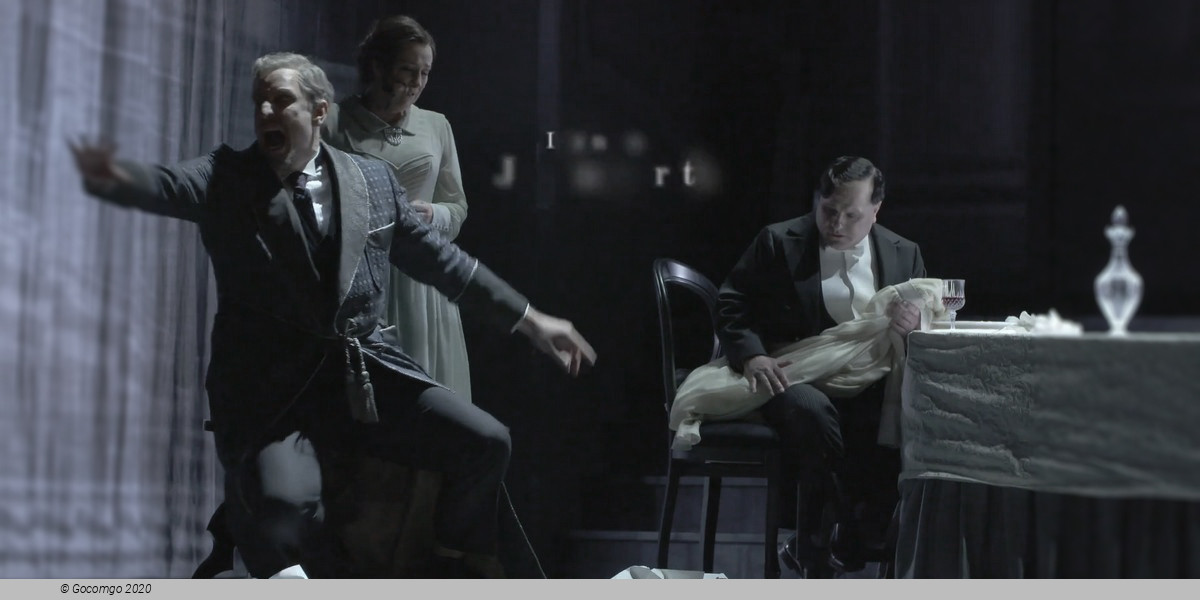
Francesco ushers the disguised Arminio into the room. Arminio describes how he fought alongside Carlo for King Frederick in a battle for the city of Prague, and how he saw him mortally wounded. Carlo's final act in this world was to inscribe a message, using his own blood, on the blade of his sword, that Amalia and Francesco should marry.
Amalia and the Count are completely taken in; Massimiliano falls into a dead faint and Amalia, in a frenzy of hysteria, rushes offstage leaving a jubilant Francesco.
Act 2
Scene 1: A graveyard near the castle.
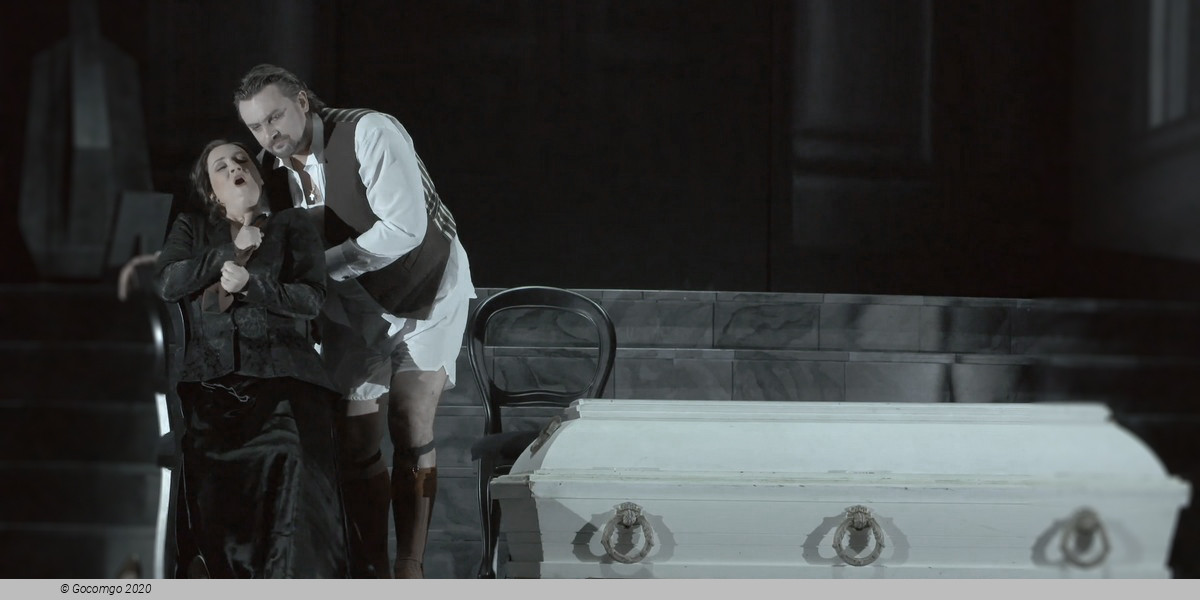
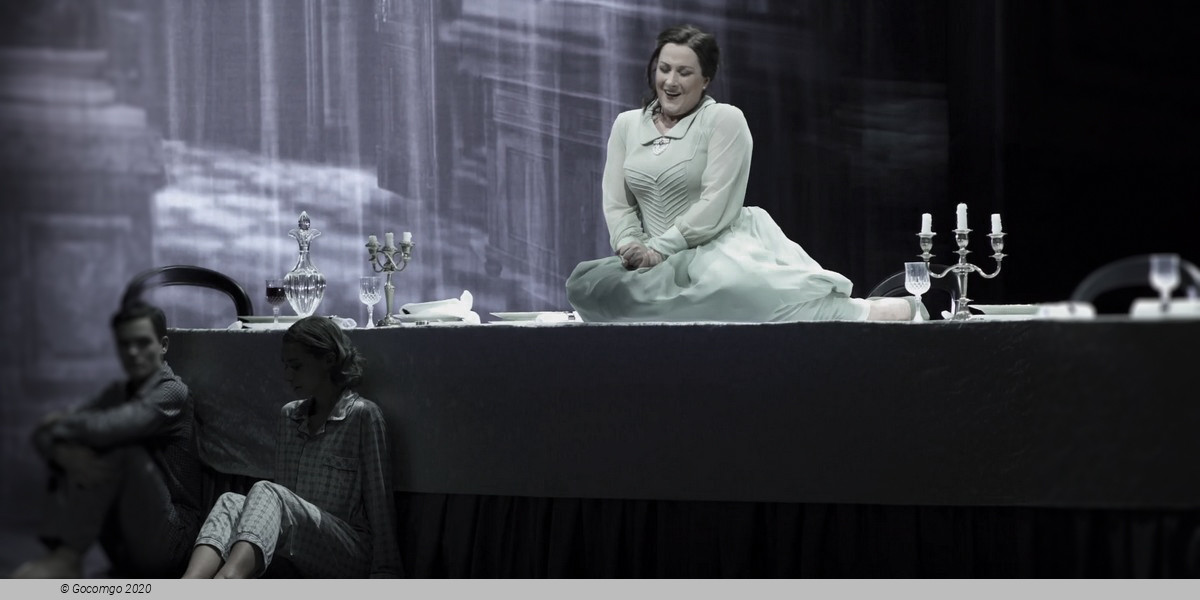
Several months have passed since the previous scene and Amalia enters to pray at Count Massimiliano's tomb (Tu del mio Carlo al seno / "Blessed spirit, you have flown to the bosom of my Carlo"). In the distance can be heard the sounds of a festive banquet hosted by Francesco, the new Count.
Arminio has followed Amalia from the castle because he is overcome by guilt at his part in Francesco's wicked scheming. He just has time to reveal that both Carlo and the old Count are still alive (provoking Amalia's cabaletta Carlo vive? O caro accento / "Carlo lives? ... O sweet words") before he is disturbed by the arrival of Francesco and forced to flee the scene.
Francesco has also been searching for Amalia with the intention of asking her to marry him. Her scornful refusal provokes him into a rage and he becomes violent. Amalia pretends a change of heart and embraces him so that she can seize his dagger and fend him off before making her escape into the nearby forest.
Scene 2: A clearing in a Bohemian forest.
Rolla has been captured in Prague and the brigands are awaiting the return of their leader, Carlo, who has gone to rescue him. The rescue is achieved, but at the same time Carlo has managed to set fire to much of the city, resulting in armed citizens pursuing him. The scene ends with Carlo exhorting his gallant band to fight like wolves to save themselves.
Act 3
Scene 1: A clearing in a Franconian forest.
The robbers sing of the pleasures of their criminal activities. They are now in the same forest as the distraught Amalia. Amalia fails to recognise her betrothed when he approaches her. Carlo reveals his identity, without mentioning his comrades, and there is a joyous reconciliation. Carlo is horrified when he learns of his brother's unsuccessful attack on her virtue.
Scene 2: Another clearing in the Franconian forest.
Carlo is alone and contemplates his dismal future (Di ladroni attorniato / "Surrounded by robbers, fettered to crime"). He considers suicide, but decides that he must accept his dreadful fate and live on in loneliness and misery, reviled by all decent people.
Arminio enters stealthily and approaches some nearby ruins. Hearing a voice within the ruins, Carlo investigates and discovers the emaciated figure of his father. Massimiliano fails to recognise his son, but nevertheless describes to him how Francesco attempted to bury him alive after his collapse on hearing of Carlo's death (Un ignoto tre lune or saranno / "An unknown - it will be three moons ago now - told me that my Carlo had been killed"). Fortunately Arminio saved him and has kept him hidden in the ruins where Carlo has found him.
Leaving the Count, Carlo calls on his band to storm the castle and capture his evil brother.
Act 4
Scene 1: Another room in Count Moor's castle.
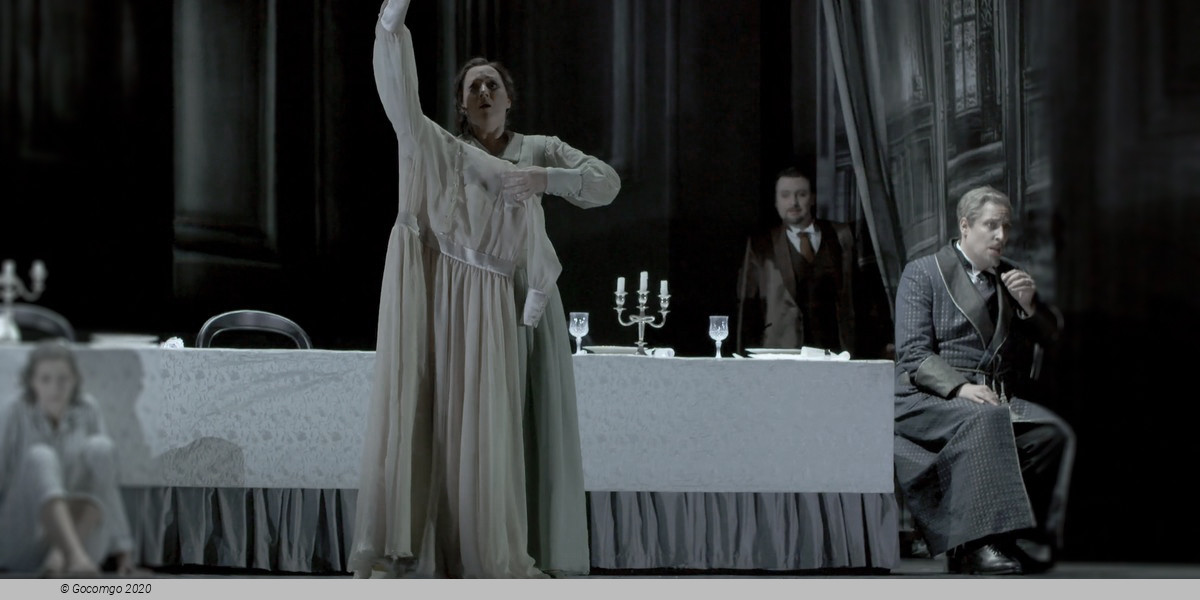
Francesco wakes after terrifying, guilt ridden nightmares (Pareami che sorto da lauto convito / "I fancied that, having risen from a sumptuous banquet, I was sleeping ..."). He summons the local priest who refuses him absolution for his heinous crimes. At this point the brigands are heard storming the castle and Francesco rushes out, swearing that he will defy the very fires of Hell.
Scene 2: The second clearing in the Franconian forest.
Massimiliano bewails Carlo's death, although he still does not recognise that the man standing in front of him is his favourite son. He blesses the "unknown stranger" for saving his life.
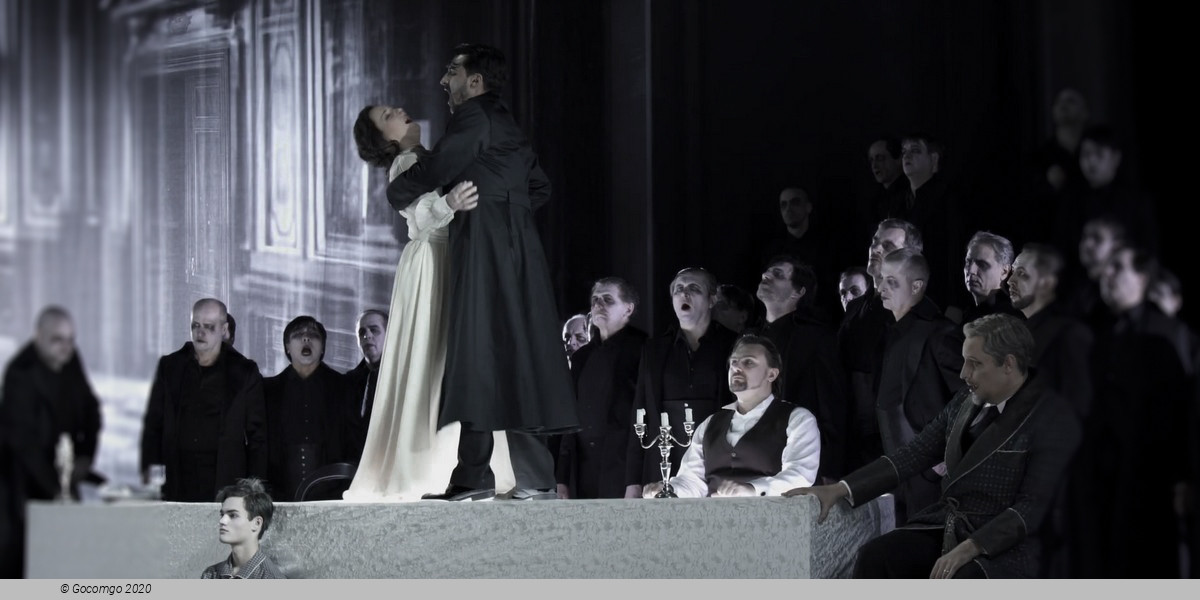
The robbers reappear and report that they had not been able to capture Francesco. This pleases Carlo who intends to change his ways. At this moment Amalia is dragged in by the brigands. Carlo is forced to admit to her, and to his father, his role as leader of the robbers. Massimiliano expresses his horror and despair, but Amalia declares that despite everything she still loves Carlo and wants to stay with him.
Although Carlo has sworn to change his ways, he has also given his oath of lifelong allegiance to his band of robbers. He cannot allow the woman he loves to be dragged down into his world of degradation and disgrace and he cannot escape his own evil fate; he resolves this paradox by stabbing Amalia to death. Carlo rushes offstage claiming he is going in search of his own death.




 Hugo-Rupf-Platz 1