



The Église de Verbier hosts morning, afternoon and evening concerts. It is the Verbier Festival’s primary venue for solo, chamber music and vocal recitals.
Alban Gerhardt (cello) and Julien Quentin (piano)
Eglise de Verbier,
Verbier, Switzerland
All photos (1)
Select date and time
4 PM
Request for Tickets
Important Info
E-tickets: Print at home or at the box office of the event if so specified. You will find more information in your booking confirmation email.
You can only select the category, and not the exact seats.
If you order 2 or 3 tickets: your seats will be next to each other.
If you order 4 or more tickets: your seats will be next to each other, or, if this is not possible, we will provide a combination of groups of seats (at least in pairs, for example 2+2 or 2+3).
Festival
Verbier Festival 2022
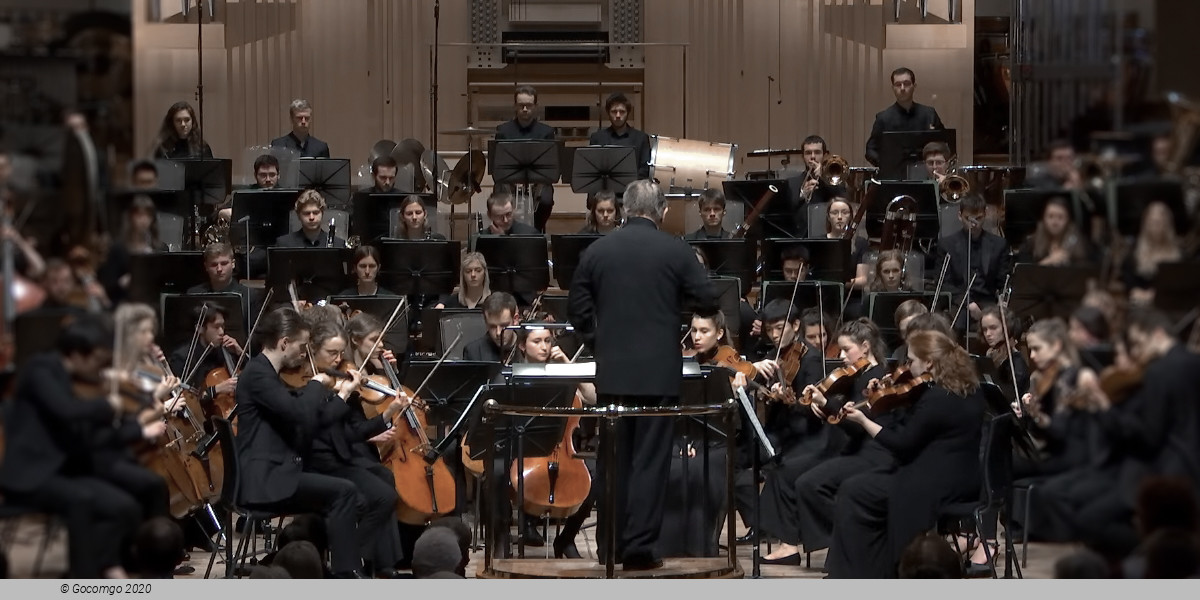
The classical world's most anticipated, highest-altitude festival of the year returned in summer 2022. The Verbier Festival came back on July 15 – 31, 2022. It brought the biggest and brightest stars in classical music, revisiting favorite works and taking on brand-new repertoire in the storied Salle des Combins and Verbier Église. Beloved performers of Verbiers past are once again on the docket—alongside some exciting Verbier debuts—in this blockbuster event from the gorgeous Swiss Alps, where the only thing more breathtaking than the view is the music.
Programme
Zoltán Kodály: Sonata for solo cello, Op.8
Johannes Brahms: Cello Sonata no. 2 in F major, Op.99
Overview
A virtuosic offering from cellist Alban Gerhardt who delivers a fresh take on Zoltán Kodály’s Sonata for Cello, a piece recognised as the most iconic work for the instrument since Bach’s Cello Suites. Moving on, Gerhardt takes audiences into the fantastical world of Brahms’ Sonata No. 2.
Suffused with the twin influences of Hungarian folk music and Bach, Kodály’s Solo Cello Sonata was for Jeno Kerpely of the Waldbauer-Kerpely Quartet which premiered his two quartets, and owes much of its dark, raw emotion to its wartime composition date of 1915. Intensely virtuosic, it spans the cello’s entire range and colouristic palette, and also extends it by retuning the bottom two strings down a tone. A declamatory Allegro maestoso ma appassionato is followed by an Adagio of mostly softer melancholy, before a defiant folk-dance-like finale. Brahms’s four-movement Second Cello Sonata of 1886 was equally for a cellist who championed many of his chamber works, Robert Hausmann of the Joachim Quartet. In its high tempestuousness – most strikingly the first movement and, following a heartfelt Adagio Affettuoso, the scherzo third – it was a perfect fit for his celebrated powerful sound.
Venue Info
Eglise de Verbier - Verbier
 Chemin de l’Église
Chemin de l’Église
Important Info
Festival: Verbier Festival 2022
Type: Classical Concert
City: Verbier, Switzerland
Starts at: 16:00