Venues in Shanghai
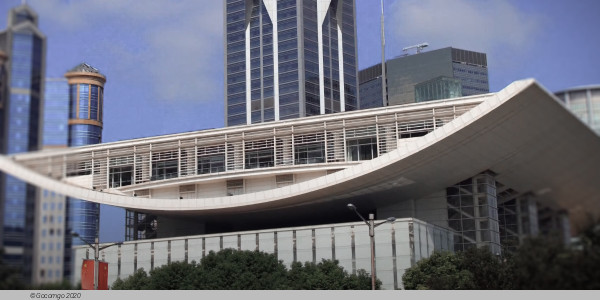
Shanghai is one of the four municipalities under the direct administration of the central government of the People's Republic of China, the largest city in China. Shanghai is one of the world's major centers for finance, business and economics, research, science and technology, manufacturing, transportation, tourism, and culture, and the Port of Shanghai is the world's busiest container port.Shanghai is one of the world's major centers for finance, business and economics, research, science and technology, manufacturing, transportation, tourism, and culture, and the Port of Shanghai is the world's busiest container port.
Shanghai has been described as the "showpiece" of the booming economy of China. Featuring several architectural styles such as Art Deco and shikumen, the city is renowned for its Lujiazui skyline, museums and historic buildings including the City God Temple, Yu Garden, the China Pavilion and buildings along the Bund, which includes Oriental Pearl TV Tower. Shanghai is also known for its sugary cuisine, distinctive local language and vibrant international flair.Shanghai has been described as the "showpiece" of the booming economy of China. Featuring several architectural styles such as Art Deco and shikumen, the city is renowned for its Lujiazui skyline, museums and historic buildings including the City God Temple, Yu Garden, the China Pavilion and buildings along the Bund, which includes Oriental Pearl TV Tower. Shanghai is also known for its sugary cuisine, distinctive local language and vibrant international flair.
Shanghai was formerly a part of Jiangsu province and still shares strong cultural similarities with Jiangsu although mass migration from all across China and the rest of the world has made Shanghai a melting pot of different cultures. It is geographically a part of the Jiangnan region and as such, Wuyue culture dominated Shanghai but the influx of Western influences since the mid-19th century has generated a unique "East Meets West" Haipai culture. Shanghai is considered a center of innovation and progress in China. It was in Shanghai, for example, that the first motor car was driven and (technically) the first train tracks and modern sewers were laid. It was also the intellectual battleground between socialist writers who concentrated on critical realism, which was pioneered by Lu Xun, Mao Dun, Nien Cheng and the famous French novel by André Malraux, Man's Fate, and the more "bourgeois", more romantic and aesthetically inclined writers, such as Shi Zhecun, Shao Xunmei, Ye Lingfeng and Eileen Chang.
In the past years Shanghai has been widely recognized as a new influence and inspiration for cyberpunk culture. Futuristic buildings such as the Oriental Pearl Tower and the neon-illuminated Yan'an Elevated Road are examples that have boosted Shanghai's cyberpunk image.
The culture of Shanghai was formed by a combination of the nearby Wuyue culture and the "East Meets West" Haipai culture. Wuyue culture's influence is manifested in Shanghainese language—which comprises dialectal elements from nearby Jiaxing, Suzhou, and Ningbo—and Shanghai cuisine, which was influenced by Jiangsu cuisine and Zhejiang cuisine. Haipai culture emerged after Shanghai became a prosperous port in the early 20th century, with numerous foreigners from Europe, America, Japan, and India moving into the city. The culture fuses elements of Western cultures with the local Wuyue culture, and its influence extends to the city's literature, fashion, architecture, music, and cuisine. The term Haipai—originally referring to a painting school in Shanghai—was coined by a group of Beijing writers in 1920 to criticize some Shanghai scholars for admiring capitalism and Western culture. In the early 21st century, Shanghai has been recognized as a new influence and inspiration for cyberpunk culture.
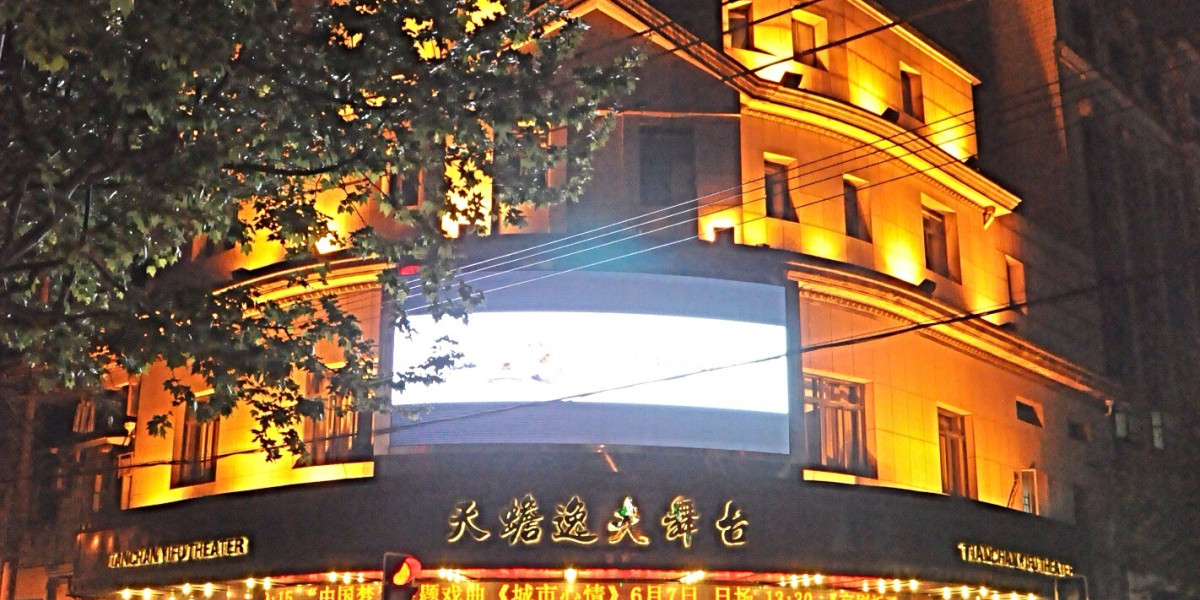
Traditional Chinese opera (Xiqu) became a popular source of public entertainment in the late 19th century. In the early 20th century, monologue and burlesque in Shanghainese appeared, absorbing elements from traditional dramas. The Great World opened in 1912 and was a significant stage at the time. In the 1920s, Pingtan expanded from Suzhou to Shanghai. Pingtan art developed rapidly to 103 programs every day by the 1930s because of the abundant commercial radio stations in the city. Around the same time, a Shanghai-style Beijing Opera was formed. Led by Zhou Xinfang and Gai Jiaotian, it attracted many Xiqu masters, like Mei Lanfang, to the city. A small troupe from Shengxian (now Shengzhou) also began to promote Yue opera on the Shanghainese stage. A unique style of opera, Shanghai opera, was formed when local folksongs were fused with modern operas. As of 2012, prominent troupes in Shanghai include Shanghai Jingju Theatre Company, Shanghai Kunqu Opera Troupe, Shanghai Yue Opera House, and Shanghai Huju Opera House.
Venues in Shanghai (31)