Salzburg | GoComGo.com

Venues in Salzburg

Salzburg

Nestled on the banks of the Salzach River and surrounded by the dramatic peaks of the Austrian Alps, Salzburg is one of Europe's most beautiful and culturally significant cities. Famous as the birthplace of Wolfgang Amadeus Mozart, the city combines magnificent Baroque architecture, a rich musical heritage, and spectacular Alpine scenery.

Salzburg's historic centre, a UNESCO World Heritage Site, is filled with elegant squares, medieval streets, churches, and aristocratic palaces. The city's most recognizable landmark is the imposing Hohensalzburg Fortress, rising above the Old Town and offering panoramic views across the city and surrounding mountains.

Music is at the heart of Salzburg's identity. The city celebrates its most famous son through numerous museums, concert venues, and annual events, while the prestigious Salzburg Festival has established the city as one of the world's foremost destinations for opera, classical music, and theatre. Founded in 1920, the festival attracts leading singers, conductors, orchestras, and directors from around the world and has become synonymous with artistic excellence.

Salzburg's musical traditions extend far beyond Mozart. The city has a long history of sacred and court music, reflected in magnificent venues such as Salzburg Cathedral, the Mirabell Palace, and the historic Mozarteum. Today, these traditions coexist with contemporary cultural institutions, orchestras, chamber ensembles, and international festivals.

The city's architectural beauty is complemented by its extraordinary natural setting. The surrounding Alps provide opportunities for hiking, cycling, skiing, and excursions throughout the year, while nearby lakes and picturesque villages offer a peaceful contrast to the lively historic centre.

Salzburg is also closely associated with The Sound of Music, which was filmed at numerous locations around the city and its surroundings. Visitors can discover many of these locations while exploring Salzburg's historic streets, gardens, and Alpine landscapes.

...Read more
...Less detail

Venues in Salzburg (16)
Hofstallgasse 1
The plans for a Grosses Festspielhaus (Large Festival Hall), where the former archiepiscopal princely stables were located, were drawn up primarily by the architect Clemens Holzmeister; Herbert von Karajan also made many suggestions for the building project, in particular regarding the design of the theatre hall. Every effort was made and no expense spared so as to “insert” between the three-centuries-old façade of the former court stables and the Mönchsberg a theatre with an opera stage whose structure and technical equipment would still meet highest international demands after fifty years. Between autumn 1956 and the early summer of 1960, 55,000 cubic metres of rock were blasted away to create the relevant space. The building was largely financed from the state budget and as a result the Republic of Austria is the owner of the Grosses Festspielhaus.
Schwarzstrasse 22
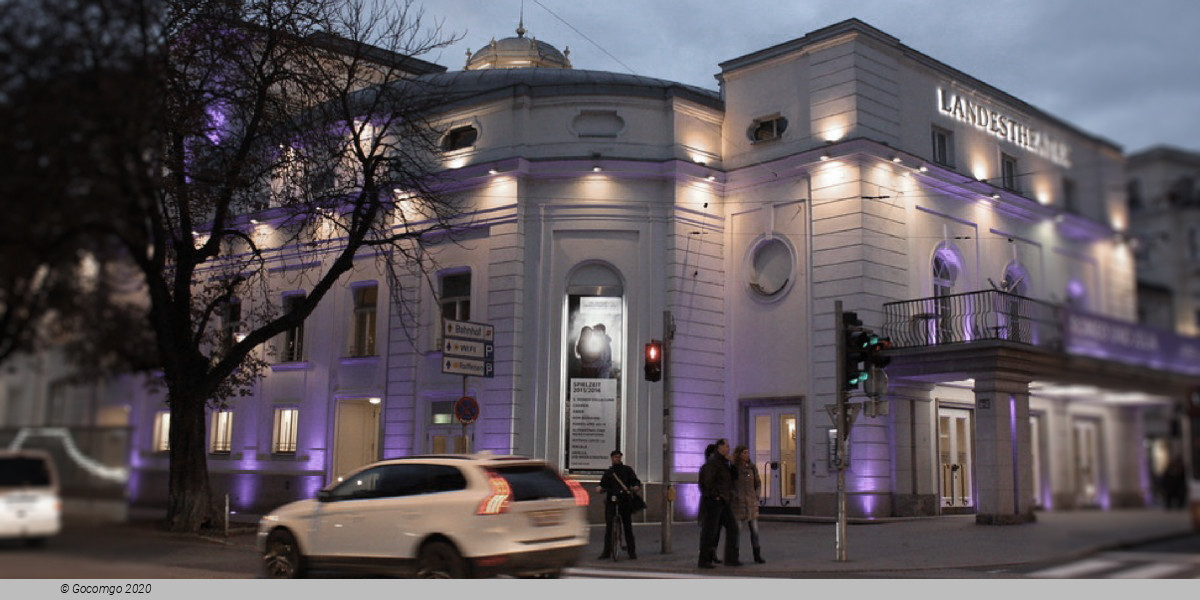
The Salzburg State Theatre (Salzburger Landestheater) is a theatre situated in Salzburg, Austria, a venue for opera, theatre, and dance, contemporary and older works, with resident companies of actors, singers, and dancers.
Universitätspl. 1
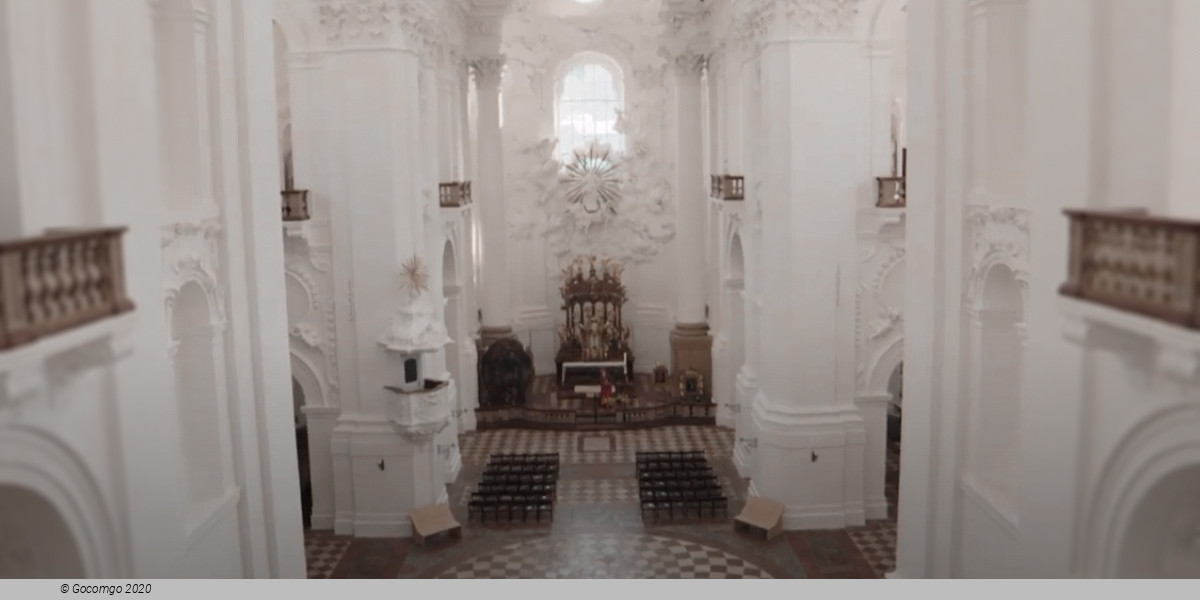
The Kollegienkirche (Collegiate Church) in Salzburg, Austria, is the church of the University of Salzburg. It was built in Baroque style by Johann Bernhard Fischer von Erlach. Dedicated to the Immaculate Conception, it is part of the UNESCO World Heritage Site Historic Centre of Salzburg. It is now both the parish church of people connected to the university and a venue of the Salzburg Festival.
Sankt-Peter-Bezirk 1
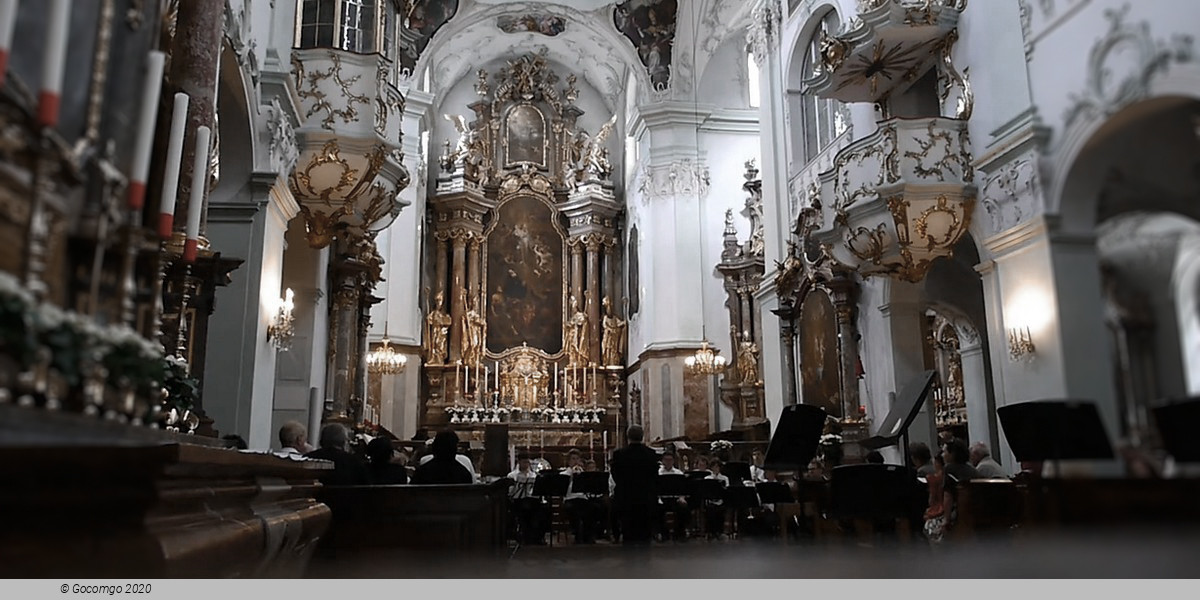
The Benedictine Abbey of St. Peter is the oldest existing monastery in the German speaking area and is regarded as the cradle of the city and region of Salzburg, especially since the first abbots were also the bishops of the archdiocese. Founded by St. Rupert towards the end of the 7th century, this order became an extremely important church and cultural institution.
Residenzplatz 1/Domplatz 1a
For many centuries, Salzburg was governed by prince-archbishops who were the spiritual and worldly rulers of the city. Their influence on the city’s culture and economy knew no bounds. Explore the former center of power of the prince-archbishops, the DomQuartier Salzburg: For the first time in 200 years, the entire complex of the Residence, Cathedral, and the Benedictine Monastery of St. Peter, is accessible to the public.  
Hofstallgasse 1
The Felsenreitschule (literally "rock riding school") is a theatre in Salzburg, Austria and a venue of the Salzburg Festival.
Hofstallgasse 1
When it became clear that the ambitious plans to build a festival theater in Hellbrunn could not be realized, the idea of ​​transforming parts of the Hofstallkaserne into a theater hall came to the fore. After only four months of construction, a provisional festival theater was opened in 1925 on the terrain of the Great Winter Riding School with the Salzburg World Theater. Already in 1926 a first reconstruction phase of the insufficient Festspielhaus provisional by Clemens Holzmeister. Adaptations were made again in 1927, and now operas were also presented: Beethoven's Fidelio was performed here in 1927 as the first music theater work.  
Mönchsberg 34
Fortress Hohensalzburg is a real eye-catcher, high above the Baroque towers of the city. The castle remains a visible landmark to this day and is an unmistakable feature of Salzburg’s world-famous skyline. From afar, the mighty walls begin to reveal the history visitors experience at first hand within these sturdy defenses.
Mirabellplatz 4
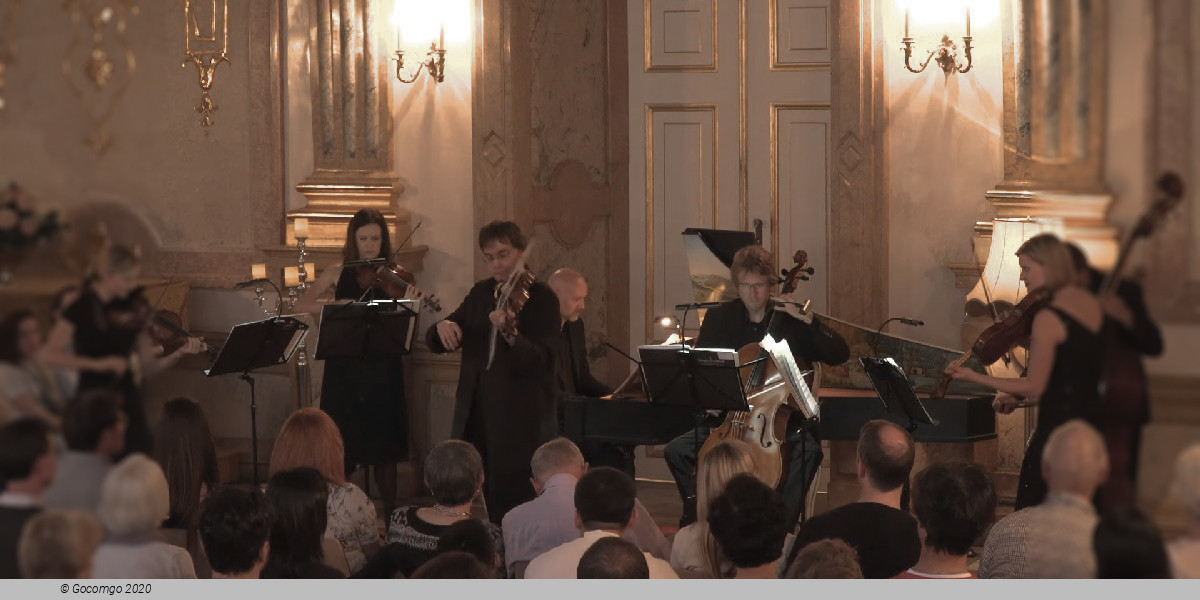
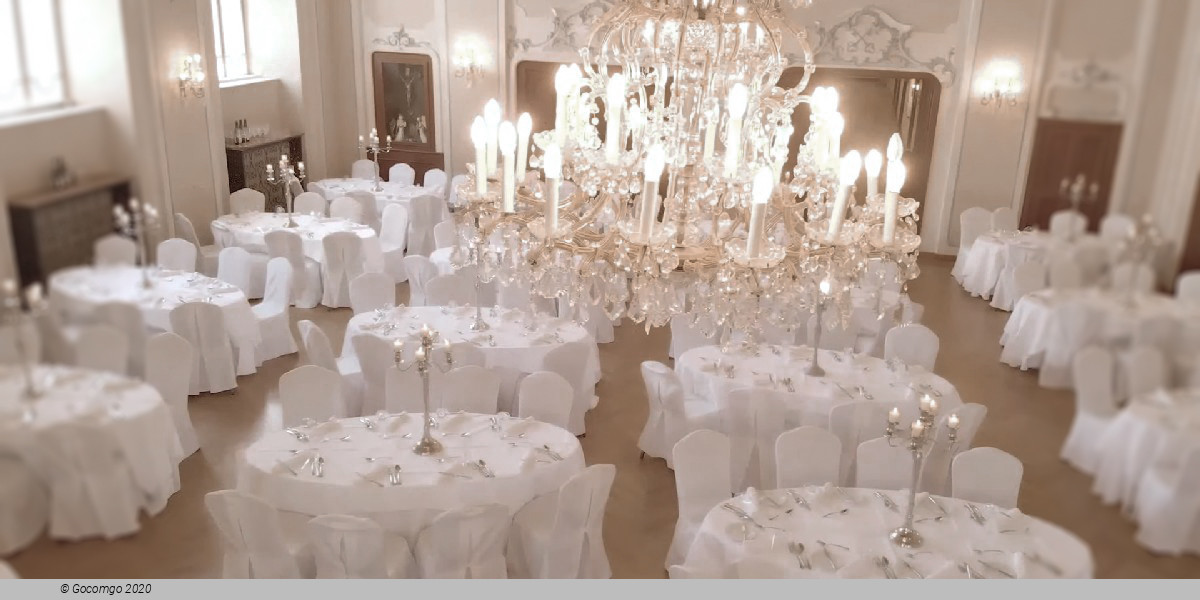
The baroque Marble Hall of Mirabell Palace is known as one of the most beautiful and historically important concert halls in Salzburg and the world. In former times the Mozart family played music there for the archbishops. Mirabell Palace was built in 1606 by prince-archbishop Wolf Dietrich for his beloved Salome Alt. Today, it serves as the backdrop for the most romantic weddings you could possibly imagine.
Mozart-Wohnhaus Makartplatz 8
From 1773 to 1787, the Mozarts lived at the so-called “Dance Master’s House”, standing on today’s Makartplatz. The spacious eight-room apartment on the first floor is now home to a museum.  
Europastraße 1
The meeting place for culture and cinema! The EUROPARK is Europe's first shopping center, which has its own art and cultural center: the OVAL - The Stage in the EUROPARK! As a diverse cultural platform, the OVAL has established itself in Salzburg as an attractive venue.
Schwarzstraße 24
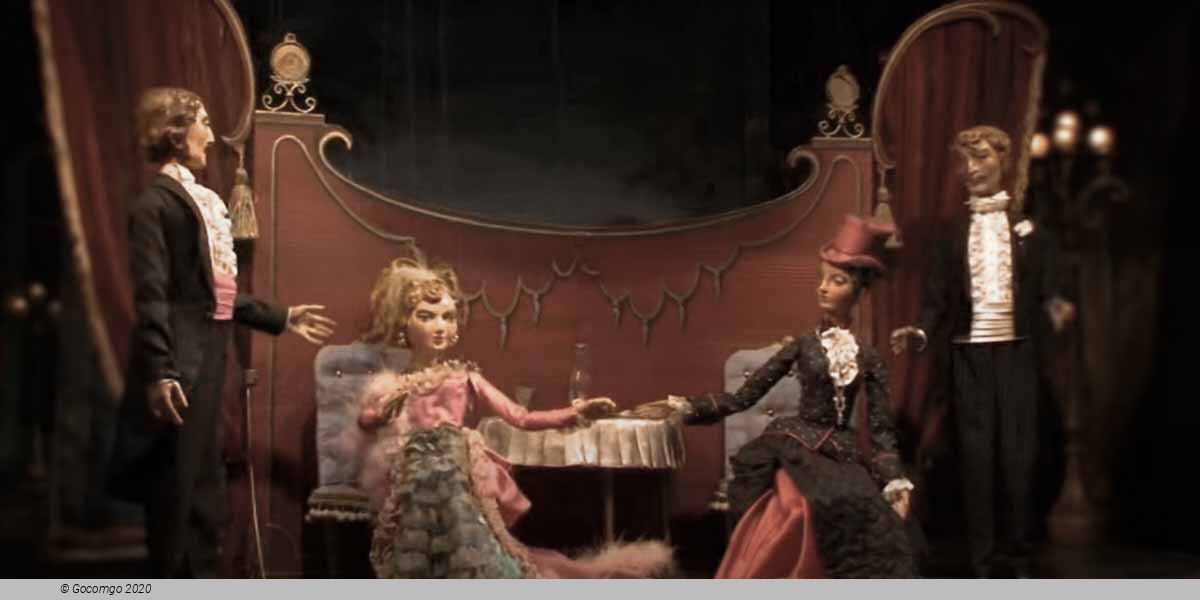
The size of the “performers” is deceptive: Visitors to the Salzburg Marionette Theater can look forward to performances that are definitely worthy of a big stage. Just like any major opera house, here they offer a wide program featuring elaborate productions.   
Sankt-Peter-Bezirk 1/4
St. Peter Stiftskulinarium (until 2017 Stiftskeller St. Peter) is a restaurant within the walls of St Peter's Abbey in Salzburg, Austria. It is claimed to be the oldest inn in Central Europe because of a supposed mention of it in the Carmina anthology by the English scholar Alcuin of York, issued in 803 AD when he served Emperor Charlemagne and Bishop Arno of Salzburg. The former guesthouse of the Benedictine monks was also mentioned by the Monk of Salzburg in the 14th century.
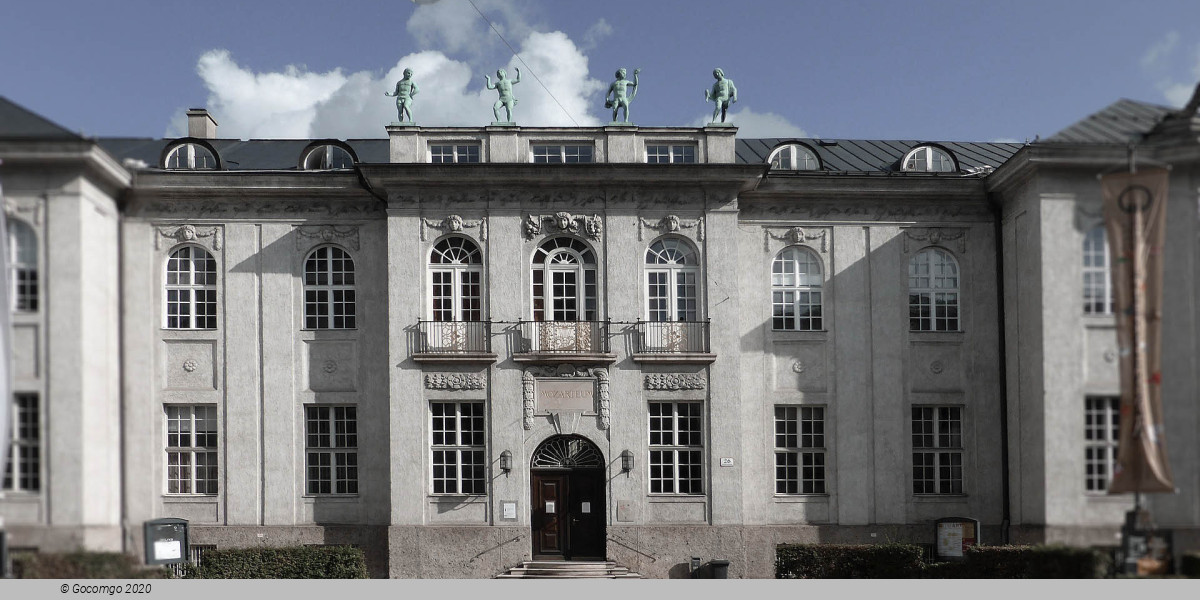
Schwarzstraße 26
In 1856, the 100th anniversary of Mozart’s birth, an association was founded with the aim of setting up a music school, with a library, archives and concert hall, devoted to Mozart.
Anton-Neumayr-Platz 2
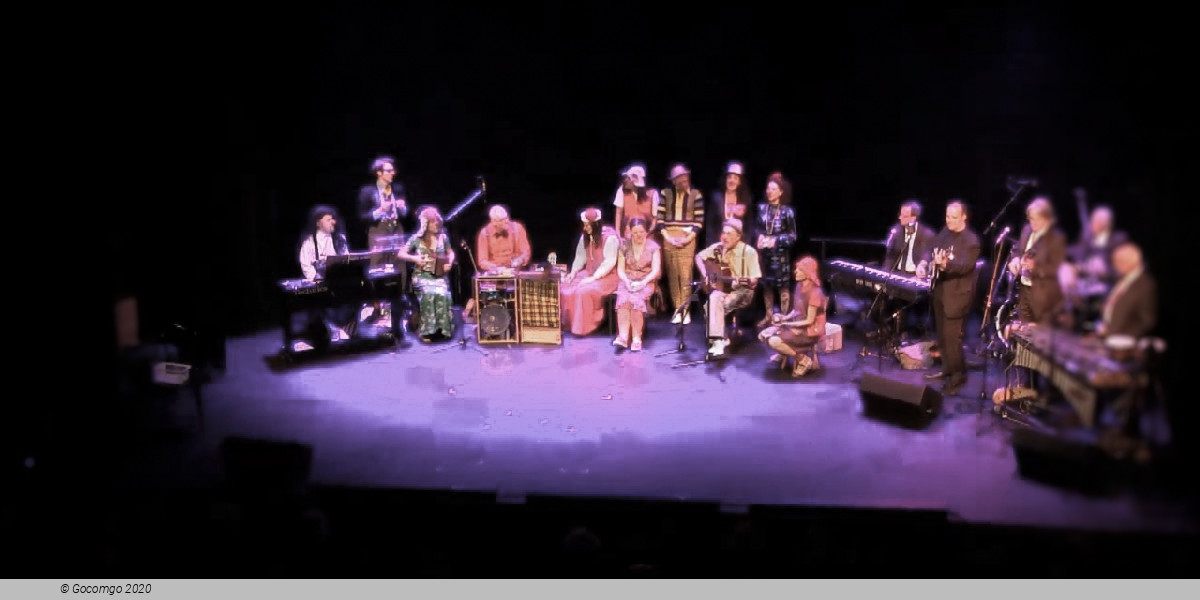
The "Szene Salzburg" is an association and since 1971 the organizer of an annual international dance and theater festival in the city of Salzburg.
Universität Mozarteum Mirabellplatz 1 5020 Salzburg
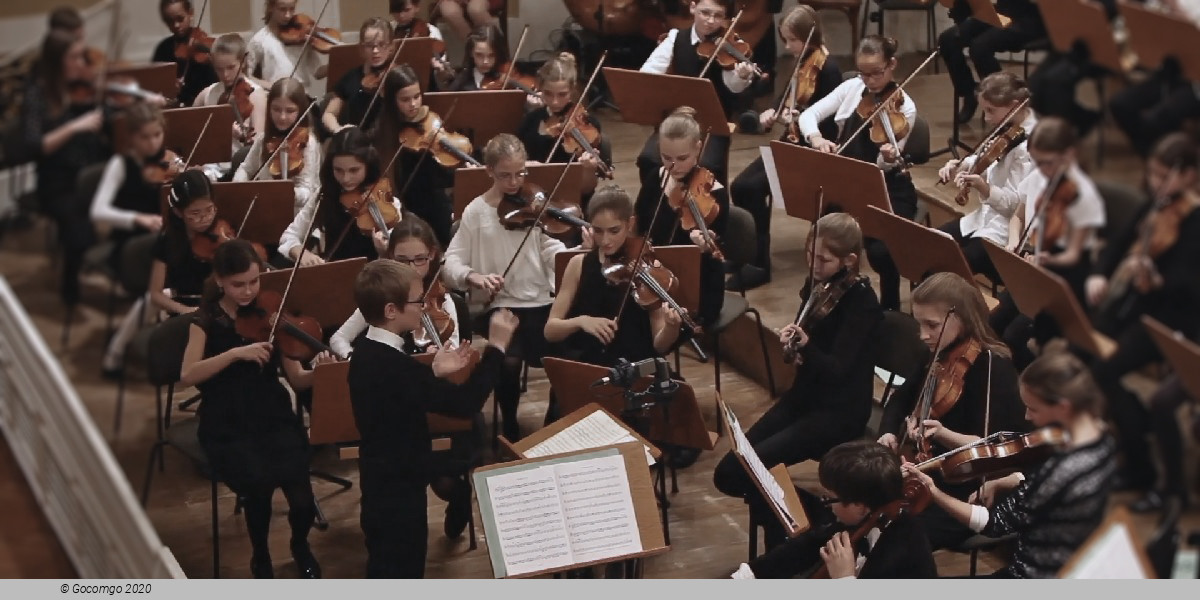
Mozarteum University Salzburg is one of three affiliated but separate entities under the “Mozarteum” moniker in Salzburg municipality; the International Mozarteum Foundation and the Mozarteum Orchestra Salzburg are the other two. It specializes in music, the dramatic arts, and to a lesser degree graphic arts.
Top of page