Buzhi Space (former Xintian'an Church) tickets 22 November 2026 - 1886: Lights of Century Dome - Candlelight Concert | GoComGo.com

1886: Lights of Century Dome - Candlelight Concert

Buzhi Space (former Xintian'an Church), Shanghai, China
Select date and time
7:30 PM
From
US$ 84

E-tickets: Print at home or at the box office of the event if so specified. You will find more information in your booking confirmation email.

You can only select the category, and not the exact seats.
If you order 2 or 3 tickets: your seats will be next to each other.
If you order 4 or more tickets: your seats will be next to each other, or, if this is not possible, we will provide a combination of groups of seats (at least in pairs, for example 2+2 or 2+3).

Important Info
Type: Classical Concert
City: Shanghai, China
Starts at: 19:30
Duration:

E-tickets: Print at home or at the box office of the event if so specified. You will find more information in your booking confirmation email.

You can only select the category, and not the exact seats.
If you order 2 or 3 tickets: your seats will be next to each other.
If you order 4 or more tickets: your seats will be next to each other, or, if this is not possible, we will provide a combination of groups of seats (at least in pairs, for example 2+2 or 2+3).

Cast
Creators
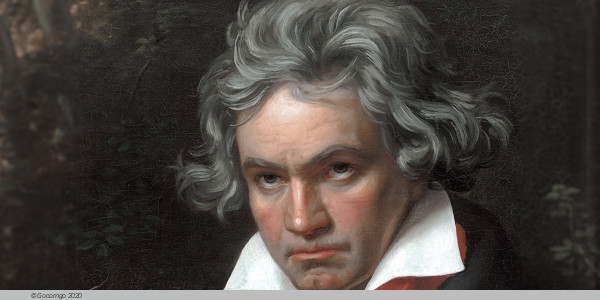
Composer: Ludwig van Beethoven
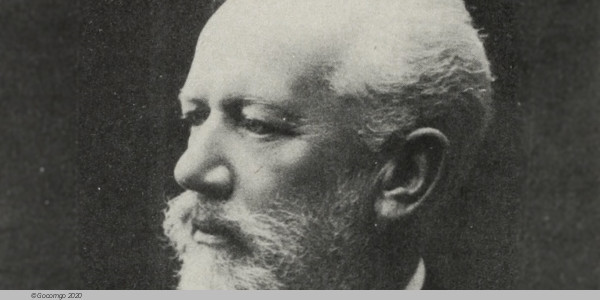
Composer: Pyotr Tchaikovsky
Composer: Dmitri Shostakovich
Composer: Jacques Offenbach
Composer: Johann Strauss II
Composer: Richard Clayderman
Composer: Richard Marx
Choreography: Marius Petipa
Programme
Ludwig van Beethoven : Candlelight septet arrangements: Für Elise, Can-Can, Ode to Joy, The Blue Danube and Swan Lake
Ludwig van Beethoven : Bagatelle for piano in A minor 'Für Elise', WoO 59
Jacques Offenbach: Orpheus in the Underworld: Can Can
Dmitri Shostakovich: Waltz No.2 from Suite for Variety Orchestra No.1
Richard Marx: Right Here Waiting
Ludwig van Beethoven : Symphony no. 9 in D minor "Choral", Op.125: Ode to Joy finale
Johann Strauss II: An der schönen blauen Donau (The Blue Danube), Op.314
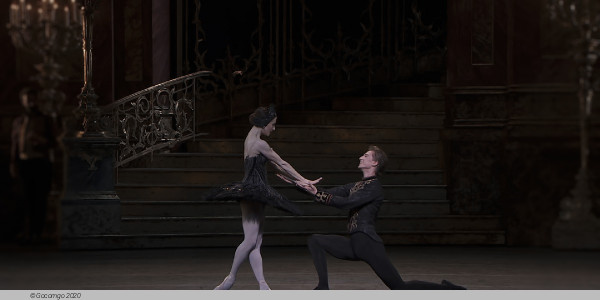
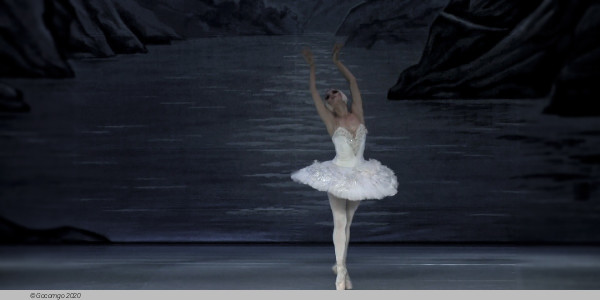
Pyotr Tchaikovsky: Swan Lake
Overview

A candlelit chamber septet brings familiar melodies beneath a historic dome.

The programme ranges from Für Elise, Can-Can and The Blue Danube to La La Land, Right Here Waiting and The Diary of Anne Frank. Classical favourites and screen music share an intimate instrumental setting.

For audiences aged 16 and over.

Full programme

  • Ludwig van Beethoven – Für Elise
  • Can-Can (Orpheus in the Underworld)
  • Richard Clayderman – Childhood Memories
  • Waltz No. 2 (Second Jazz Suite)
  • Right Here Waiting
  • Wild Goose (Hong Yan)
  • La La Land
  • Ludwig van Beethoven – Ode to Joy (Symphony No. 9)
  • The Cuckoo Waltz
  • The Diary of Anne Frank
  • Johann Strauss II – The Blue Danube
  • Yi Sheng Suo Ai
  • Swan Lake
  • The Great White Tower
History
Premiere of this production: 04 March 1877, Bolshoi Theatre, Moscow

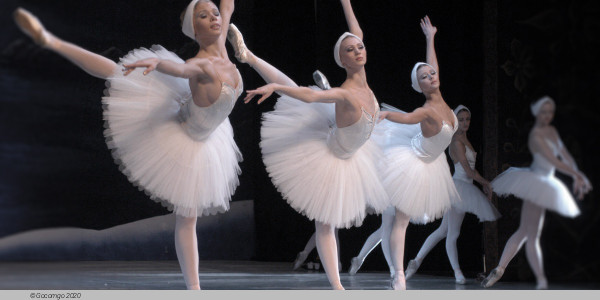
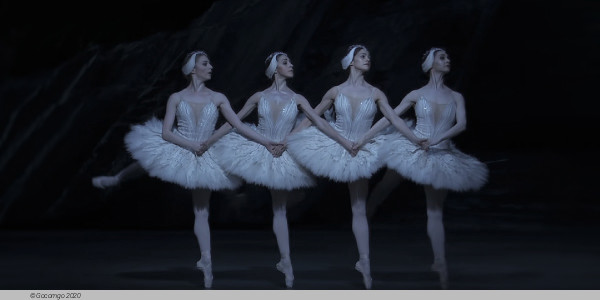
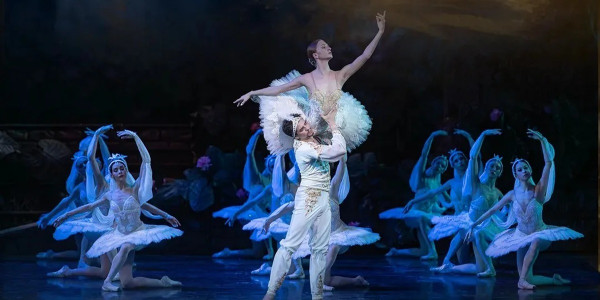
Swan Lake is a ballet composed by Pyotr Ilyich Tchaikovsky in 1875–76. Despite its initial failure, it is now one of the most popular of all ballets. Swan Lake is the ballet which embodies the soul of Russian art. The combination of brilliant music and choreography creates a special kind of magic; what the great 20th century choreographer George Balanchine had in mind when he famously said, “One should call every ballet Swan Lake because then people would come.”

Synopsis

Swan Lake is generally presented in either four acts, four scenes (primarily outside Russia and Eastern Europe) or three acts, four scenes (primarily in Russia and Eastern Europe). The biggest difference of productions all over the world is that the ending, originally tragic, is now sometimes altered to a happy ending.

Prologue
Some productions include a prologue that shows how Odette first meets Rothbart, who turns Odette into a swan.

Act 1

A magnificent park before a palace

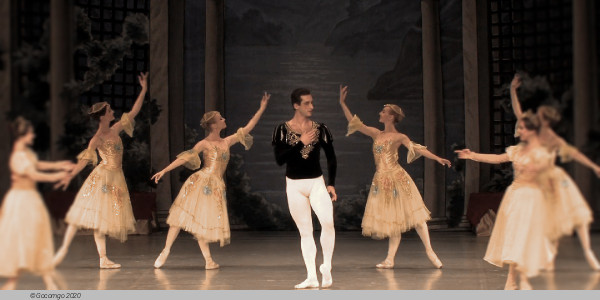
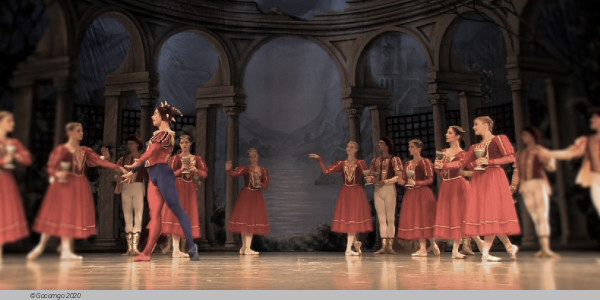
[Scène: Allegro giusto] Prince Siegfried is celebrating his birthday with his tutor, friends and peasants [Waltz]. The revelries are interrupted by Siegfried's mother, the Queen [Scène: Allegro moderato], who is concerned about her son's carefree lifestyle. She tells him that he must choose a bride at the royal ball the following evening (some productions include the presentation of some possible candidates). Siegfried is upset that he cannot marry for love. His friend Benno and the tutor try to lift his troubled mood. As evening falls [Sujet], Benno sees a flock of swans flying overhead and suggests they go on a hunt [Finale I]. Siegfried and his friends take their crossbows and set off in pursuit of the swans.

Act 2

A lakeside clearing in a forest by the ruins of a chapel. A moonlit night.

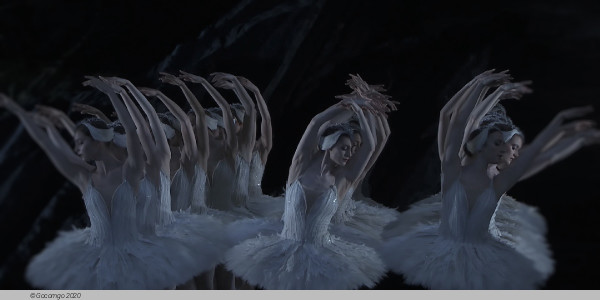
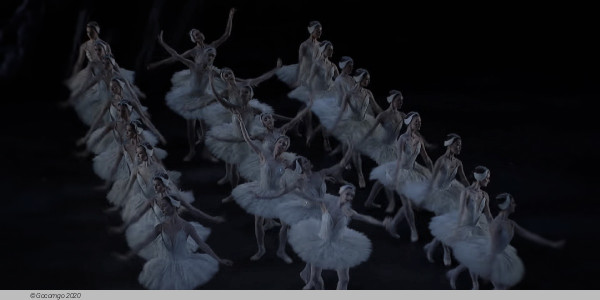
The "Valse des cygnes" from act 2 of the Ivanov/Petipa edition of Swan Lake
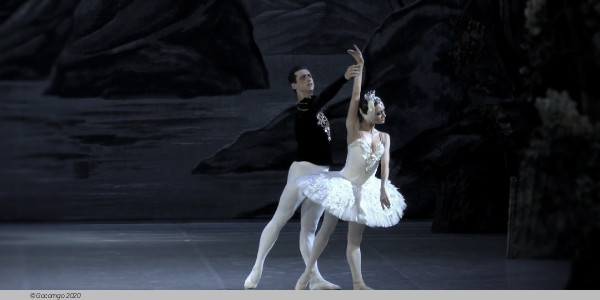
Siegfried has become separated from his friends. He arrives at the lakeside clearing, just as a flock of swans land [Scène. Moderato]. He aims his crossbow [Scène. Allegro moderato], but freezes when one of them transforms into a beautiful maiden, Odette [Scène. Moderato]. At first, she is terrified of Siegfried. When he promises not to harm her, she explains she and her companions are victims of a spell cast by the evil owl-like sorcerer Rothbart. By day they are turned into swans and only at night, by the side of the enchanted lake – created from the tears of Odette's mother – do they return to human form. The spell can only be broken if one who has never loved before swears to love Odette forever. Rothbart suddenly appears [Scène. Allegro vivo]. Siegfried threatens to kill him but Odette intercedes – if Rothbart dies before the spell is broken, it can never be undone.

As Rothbart disappears, the swan maidens fill the clearing [Scène: Allegro, Moderato assai quasi andante]. Siegfried breaks his crossbow, and sets about winning Odette's trust as the two fall in love. But as dawn arrives, the evil spell draws Odette and her companions back to the lake and they are turned into swans again.

Act 3

An opulent hall in the palace

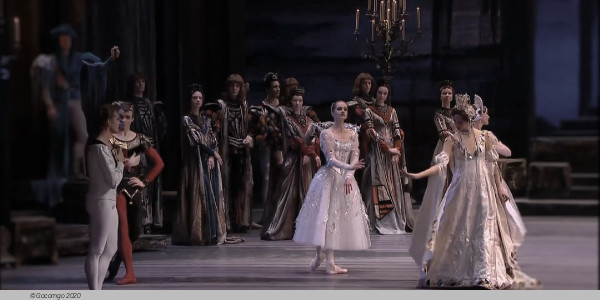
Guests arrive at the palace for a costume ball. Six princesses are presented to the prince [Entrance of the Guests and Waltz], as candidates for marriage. Rothbart arrives in disguise [Scène: Allegro, Allegro giusto] with his daughter, Odile, who is transformed to look like Odette. Though the princesses try to attract the prince with their dances [Pas de six], Siegfried has eyes only for Odile. [Scène: Allegro, Tempo di valse, Allegro vivo] Odette appears (usually at the castle window) and attempts to warn Siegfried, but he does not see her. He then proclaims to the court that he will marry "Odette" (Odile) before Rothbart shows him a magical vision of Odette. Grief-stricken and realizing his mistake, Siegfried hurries back to the lake.

Act 4

By the lakeside

Odette is distraught. The swan-maidens try to comfort her. Siegfried returns to the lake and makes a passionate apology. She forgives him, but his betrayal cannot be undone. Rather than remain a swan forever, Odette chooses to die. Siegfried chooses to die with her and they leap into the lake. This breaks Rothbart's spell over the swan maidens, causing him to lose his power over them and he dies. In an apotheosis, the swan maidens watch as Siegfried and Odette ascend into the Heavens together, forever united in love.

Venue Info

Buzhi Space (former Xintian'an Church) - Shanghai
Location   103 South Suzhou Road, Huangpu District, Shanghai (上海市黄浦区南苏州路103号); OSM and SmartShanghai give No. 107

Buzhi Space is a chamber-music and performance venue in the former Union Church (Xintian'an Church) on South Suzhou Road in Huangpu, Shanghai.

Buzhi Space occupies the former Xintian'an Church, a Gothic Revival building completed in 1886 on the bank of Suzhou Creek and designed by W. M. Dowdall. After a fire in 2007 and a restoration finished in 2010, the building was converted into a performance venue, with an opening concert on 11 September 2021 by the arts organisation Siqi Culture. Its interior was adapted to the acoustic standards of a small classical concert hall, and it holds about 200 people.

Important Info
Type: Classical Concert
City: Shanghai, China
Starts at: 19:30
Duration:
Top of page