
Bregenz Festspielhaus: The Excursions of Mr. Brouček Tickets | Event Dates & Schedule | GoComGo.com

The Excursions of Mr. Brouček Tickets

Bregenz Festspielhaus, Bregenz, Austria
All photos (19)
1 / 19
Available Dates: 23 Jul - 3 Aug, 2026 (3 events)
Important Info
Type: Opera
City: Bregenz, Austria
Duration: 2h 30min with 1 interval
Acts: 2
Intervals: 1
Sung in: Czech
Titles in: German,English

E-tickets: Print at home or at the box office of the event if so specified. You will find more information in your booking confirmation email.

You can only select the category, and not the exact seats.
If you order 2 or 3 tickets: your seats will be next to each other.
If you order 4 or more tickets: your seats will be next to each other, or, if this is not possible, we will provide a combination of groups of seats (at least in pairs, for example 2+2 or 2+3).

Cast
Performers
Choose the date to see the peformers
Creators
Composer: Leoš Janáček
Writer: Svatopluk Čech
Director: Yuval Sharon
Overview

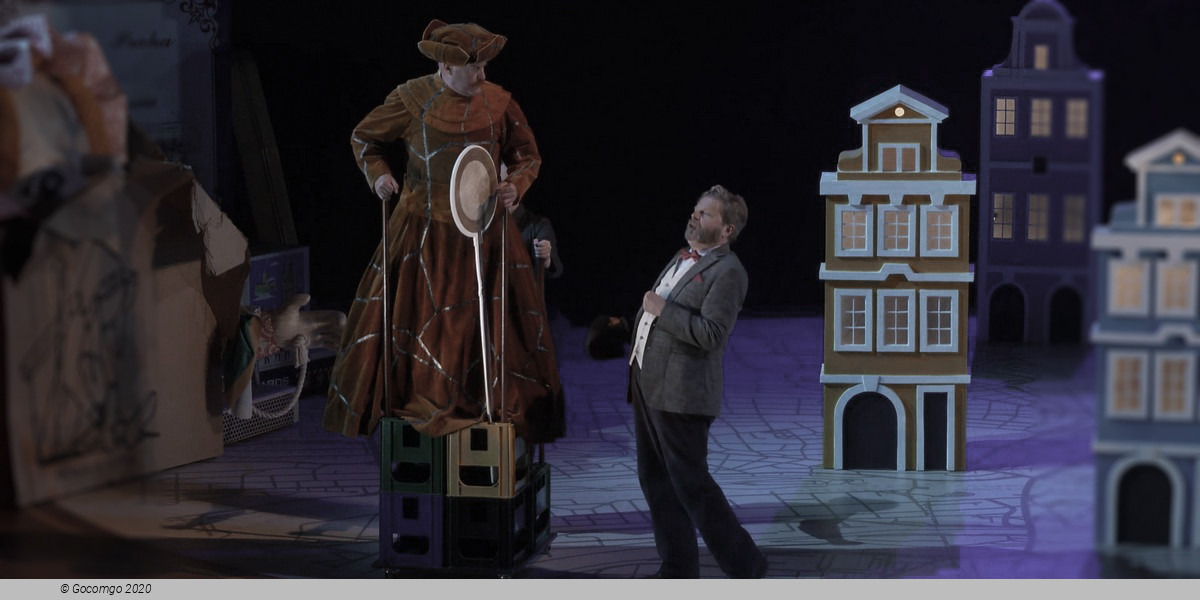
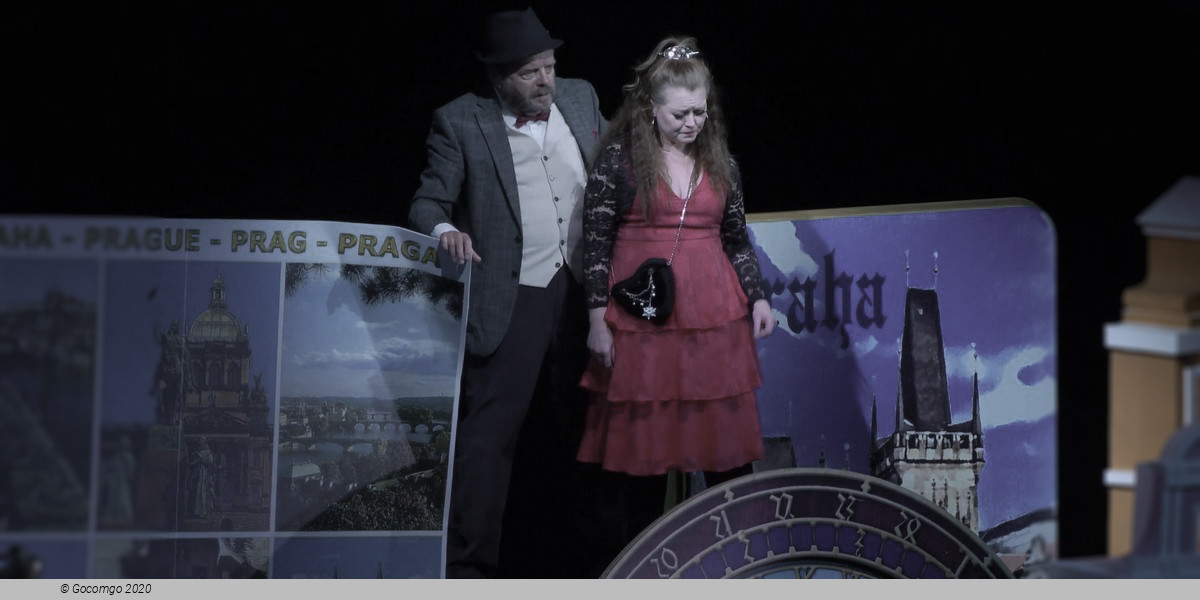
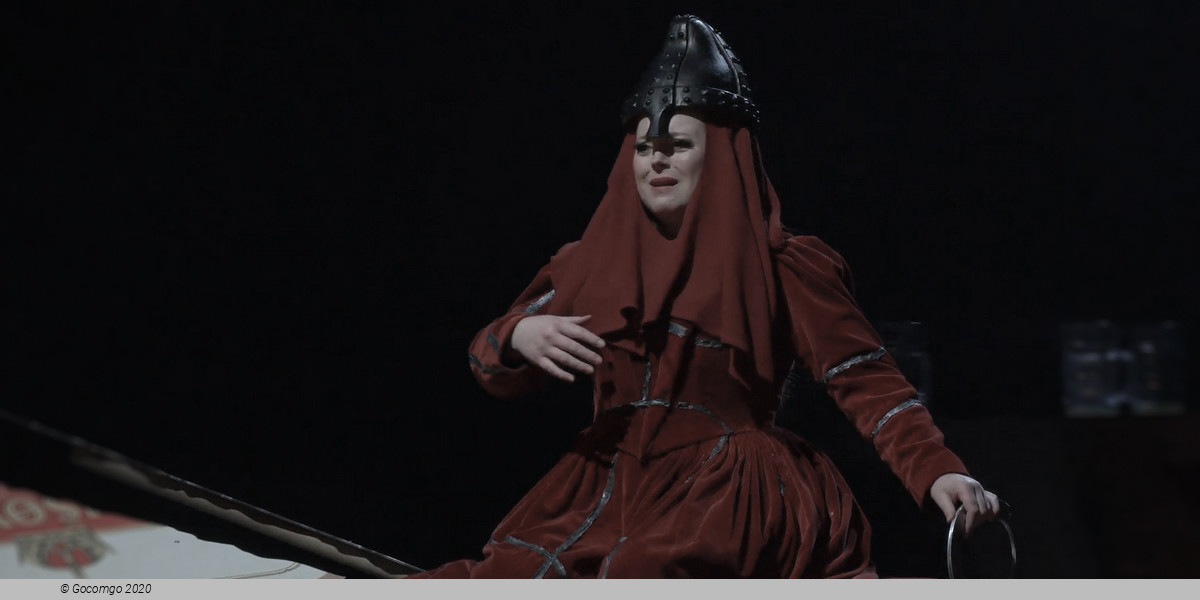
Matěj Brouček really wants just one thing: to be left in peace. The world outside is too loud, too complicated, too exhausting. But life has other plans: Brouček is torn from his comfort zone – first catapulted to the moon, then into 15th-century Prague: An odyssey with grotesque societies, bizarre trials, and a past that feels strangely unfamiliar.

With The Excursions of Mr. Brouček, Leoš Janáček created an opera of biting wit and profound comedy – a satire on bourgeois complacency, moral laziness, and humanity’s eternal inability to learn from history. Yet Janáček’s critique is never cynical. Like Mozart, he approaches humanity with subtle irony and profound empathy. With virtuosic ease and a richly nuanced musical language, he moves effortlessly between irony and earnestness, waltzing bliss and pathos – imbuing his music with a deeply human dimension.

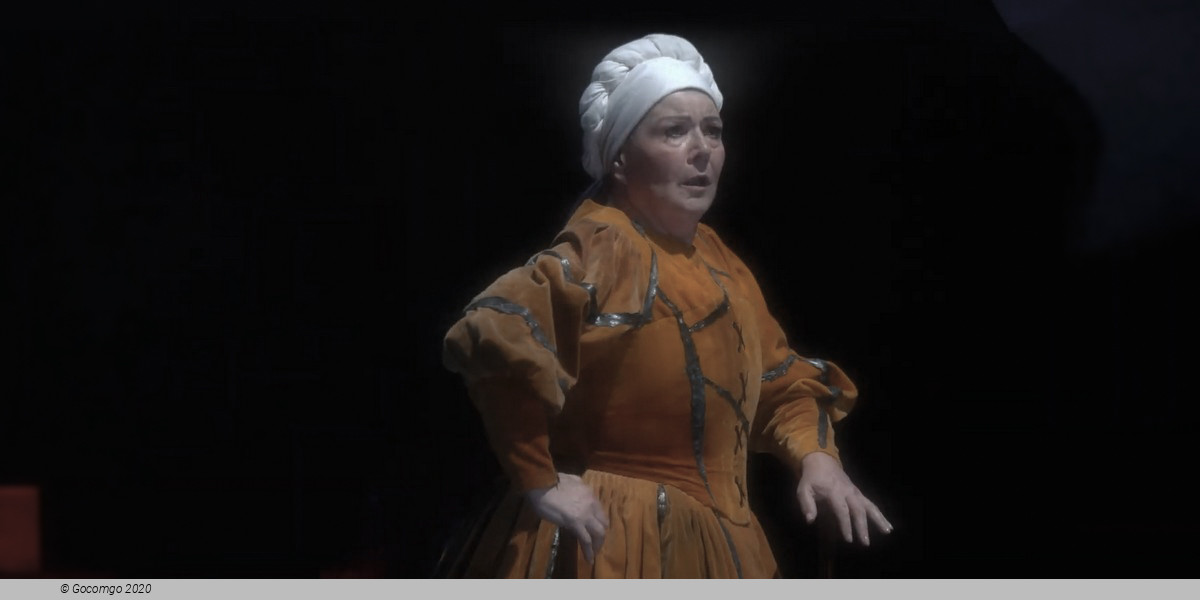
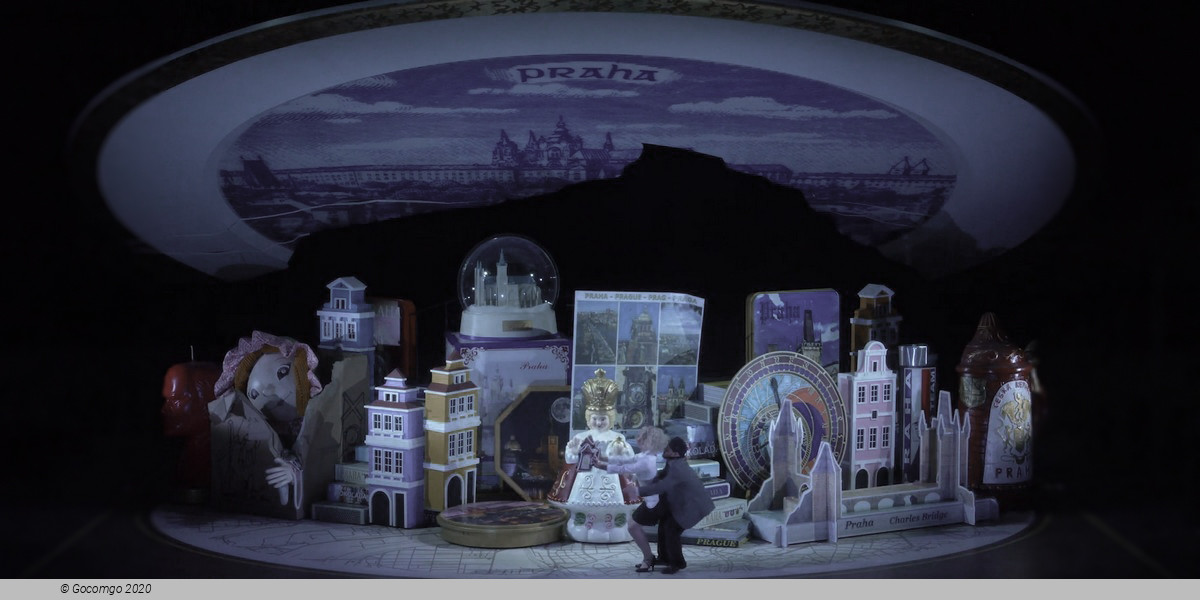
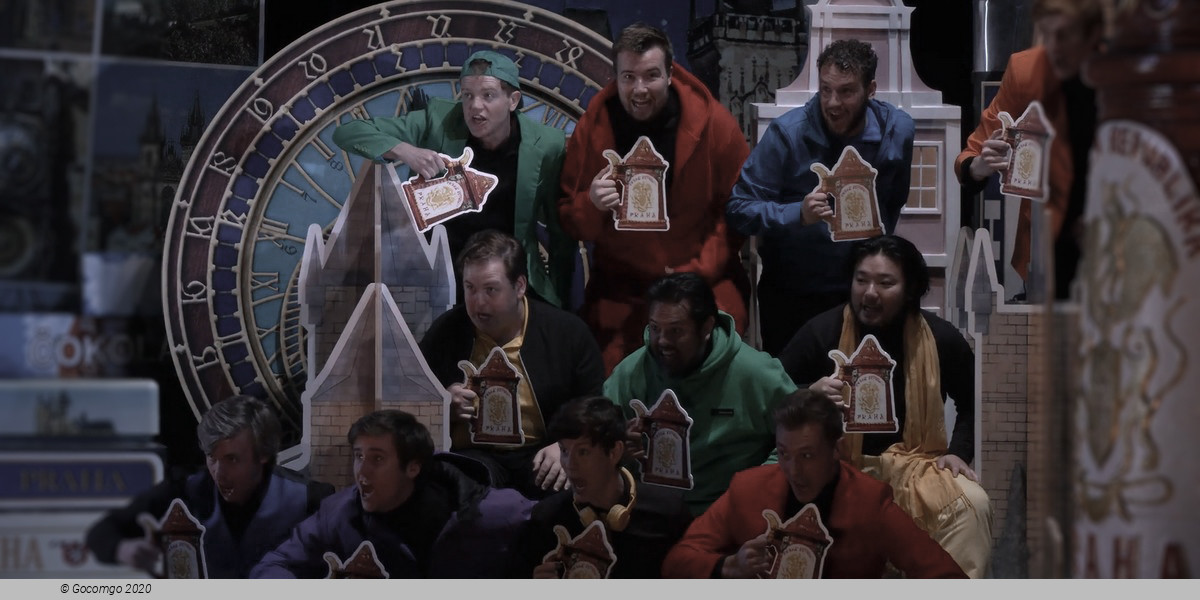
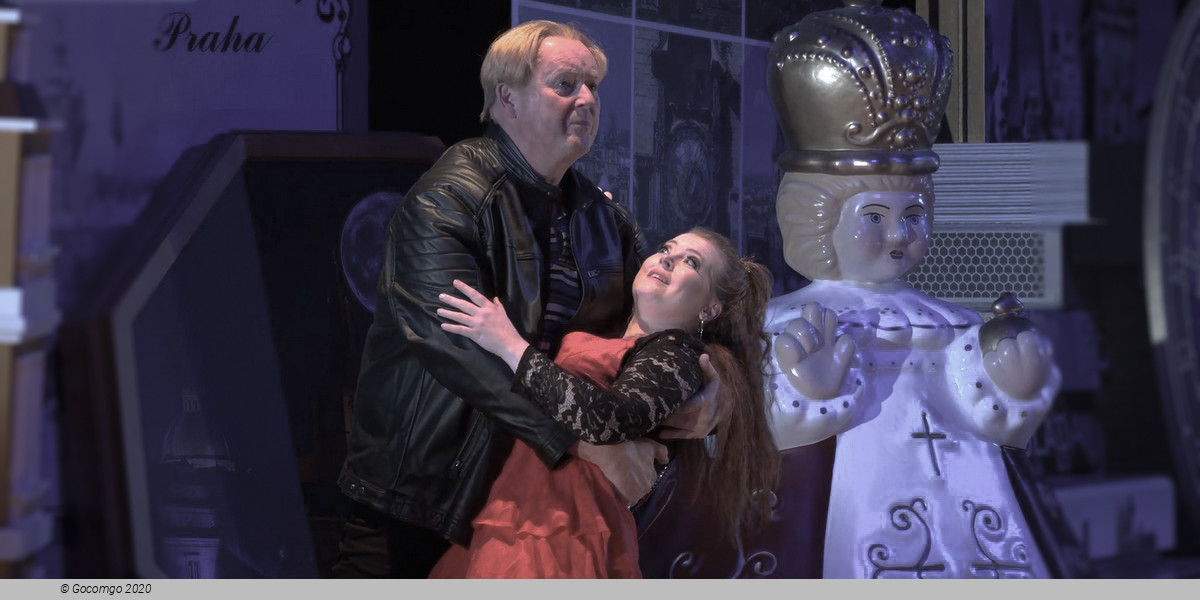
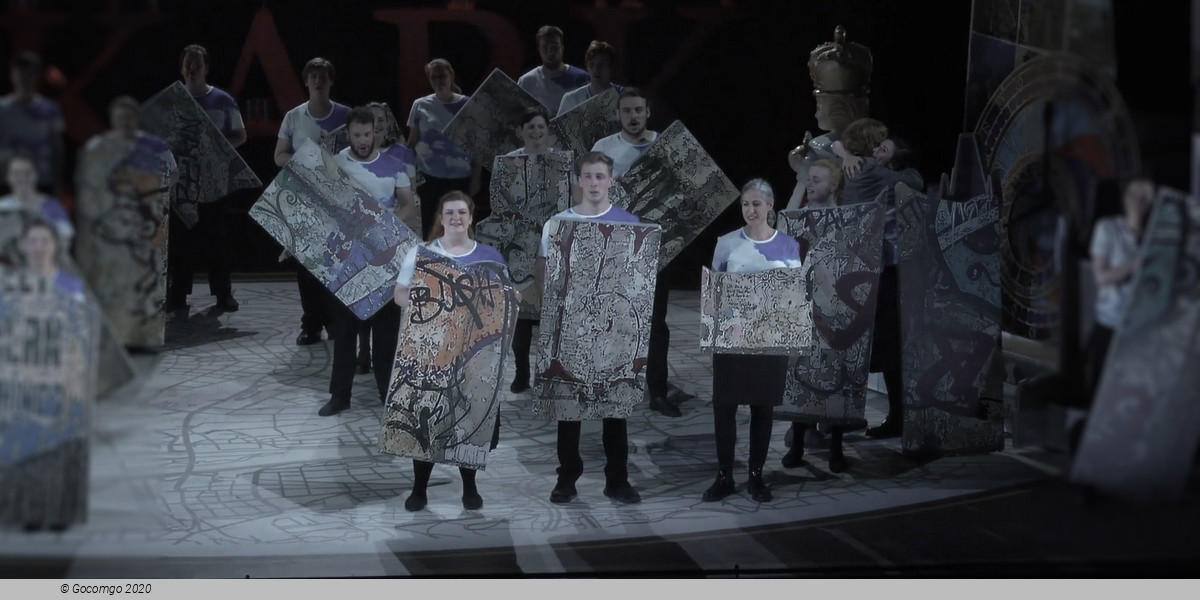
At a time when societies are increasingly closing themselves off from one another, Brouček’s journey feels more relevant than ever. Inspired by Dadaism and the Theatre of the Absurd, US-American director Yuval Sharon brings Janáček’s rarely performed opera to the stage, in a production as bold as it is visually striking. Aesthetically compelling, musically vibrant, and theatrically daring, Janáček’s original opera stands as a satirical masterpiece of existential depth.

History
Premiere of this production: 23 April 1920, National Theatre, Prague

The Excursions of Mr. Brouček to the Moon and to the 15th Century (Výlety páně Broučkovy) is the complete title of Leoš Janáček’s fifth opera, based on two Svatopluk Čech novels, Pravý výlet pana Broučka do Měsíce (1888) (The True Excursion of Mr. Brouček to the Moon) and Nový epochální výlet pana Broučka, tentokráte do XV. století (1889) ('‘The Epoch-making Excursion of Mr. Brouček, this time to the 15th Century'’). The librettists for Part 1 were František Gellner, Viktor Dyk, František Sarafínský Procházka and others, while Part 2 was written by F. S. Procházka.

Synopsis

Part 1: The Excursions of Mr. Brouček to the Moon
Scene 1
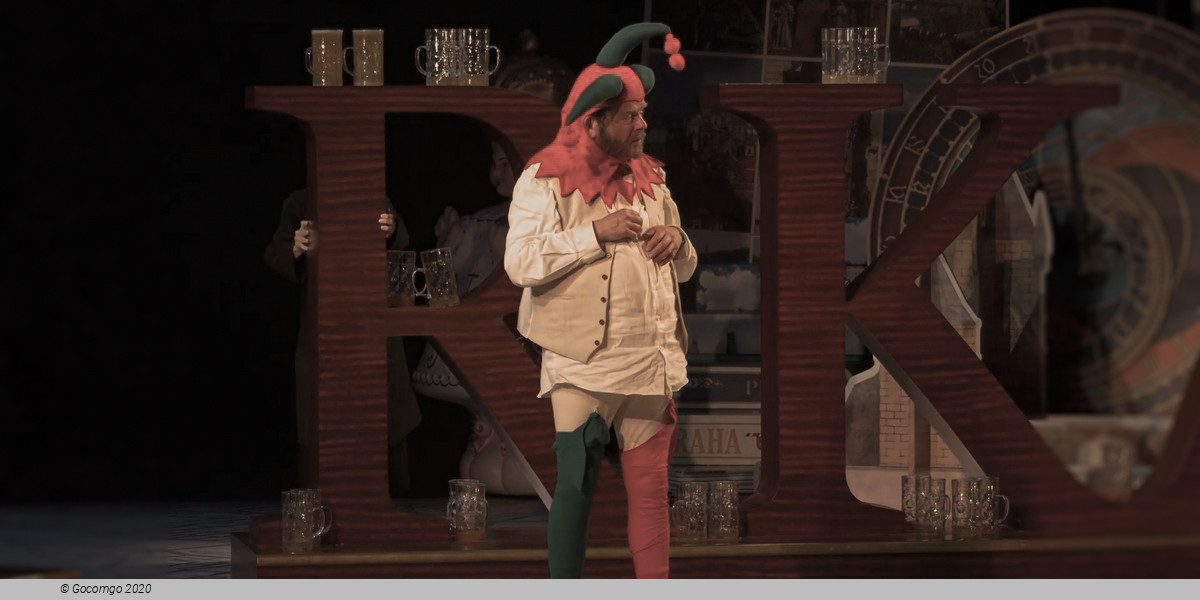
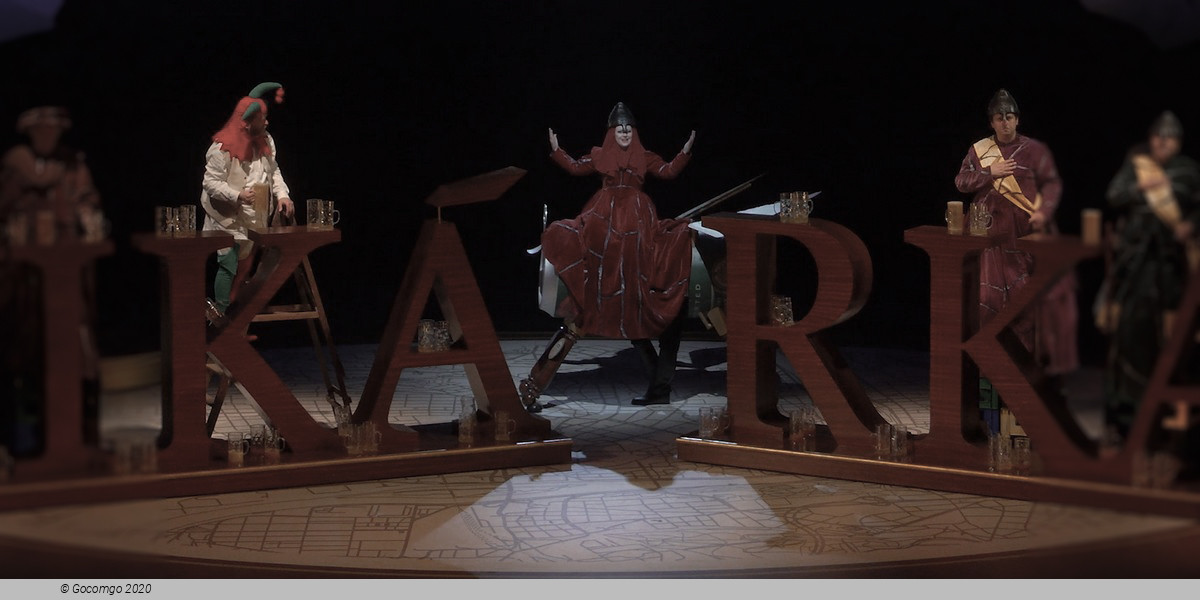
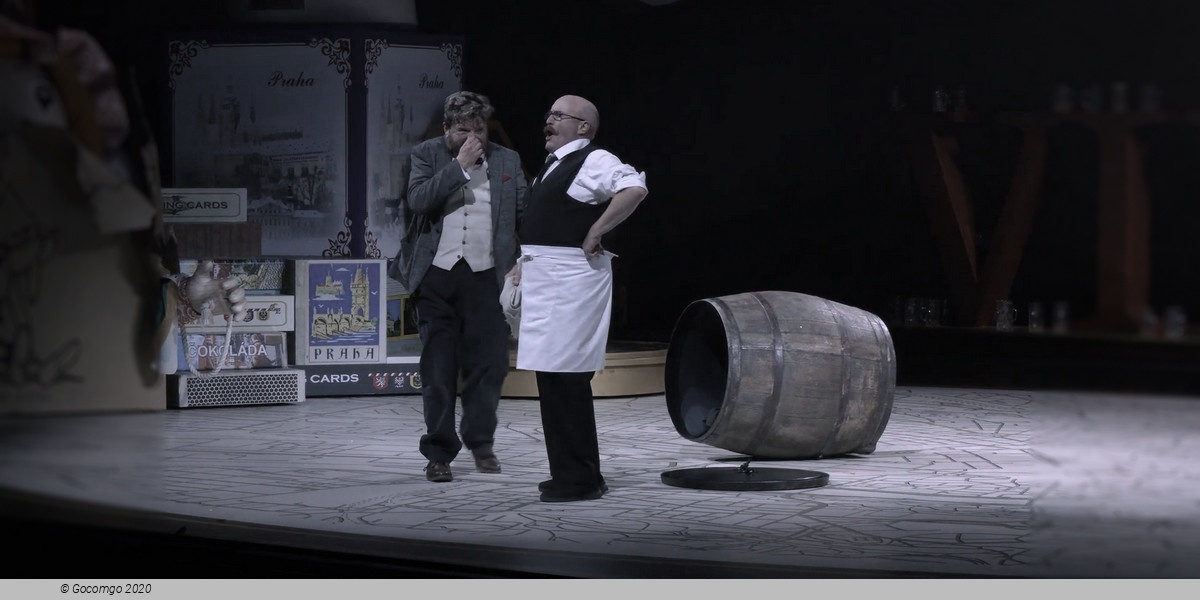
Mr. Matěj Brouček is a rather unkempt drunken landlord in late 19th-century Prague. On a moonlit night in 1888, Mr. Brouček stumbles down Vikárka street after a drinking binge at the Hradčany tavern. In his impaired state, he encounters Málinka. She is upset and dramatically suicidal after discovering that her lover, Mazál (who happens to be one of Brouček's tenants) has been cheating on her. In an ill-advised attempt to calm Málinka, Brouček agrees to marry her. He quickly realizes the error in this and retracts his offer, leaving Málinka to return to her bohemian lover. Brouček decides he has had enough of this stress and dreams of a more relaxed life on the Moon.

Scene 2
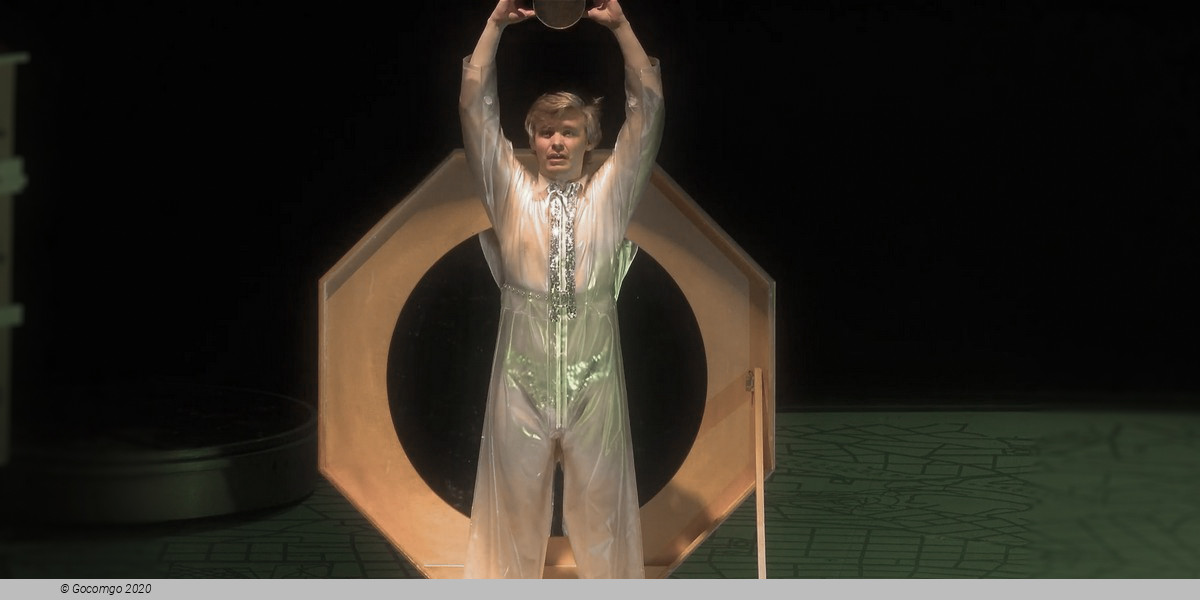
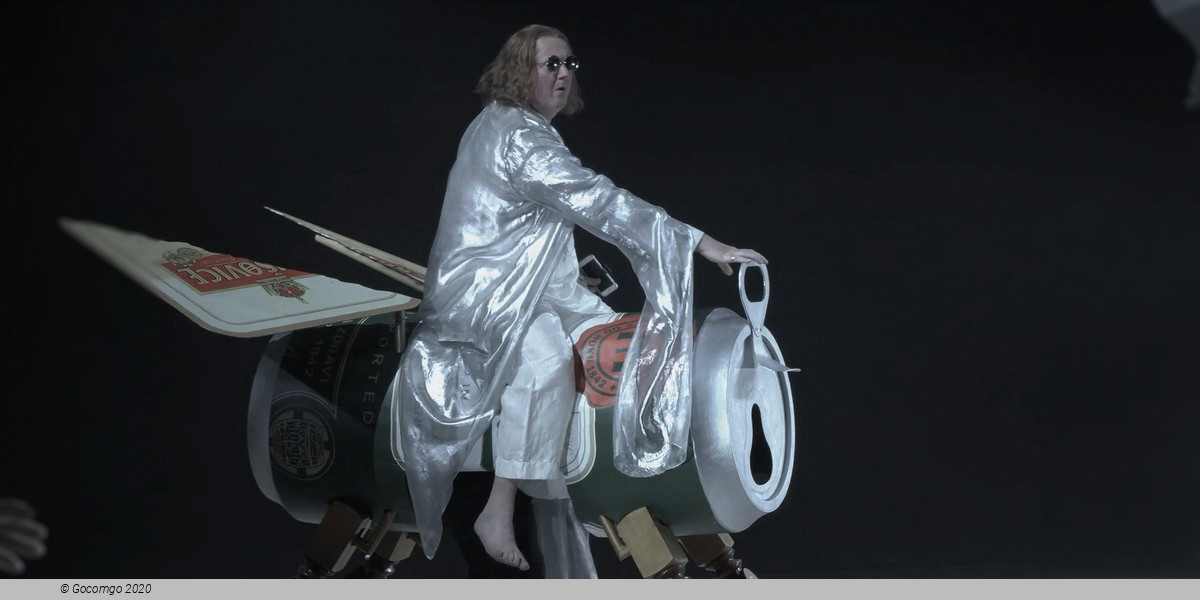
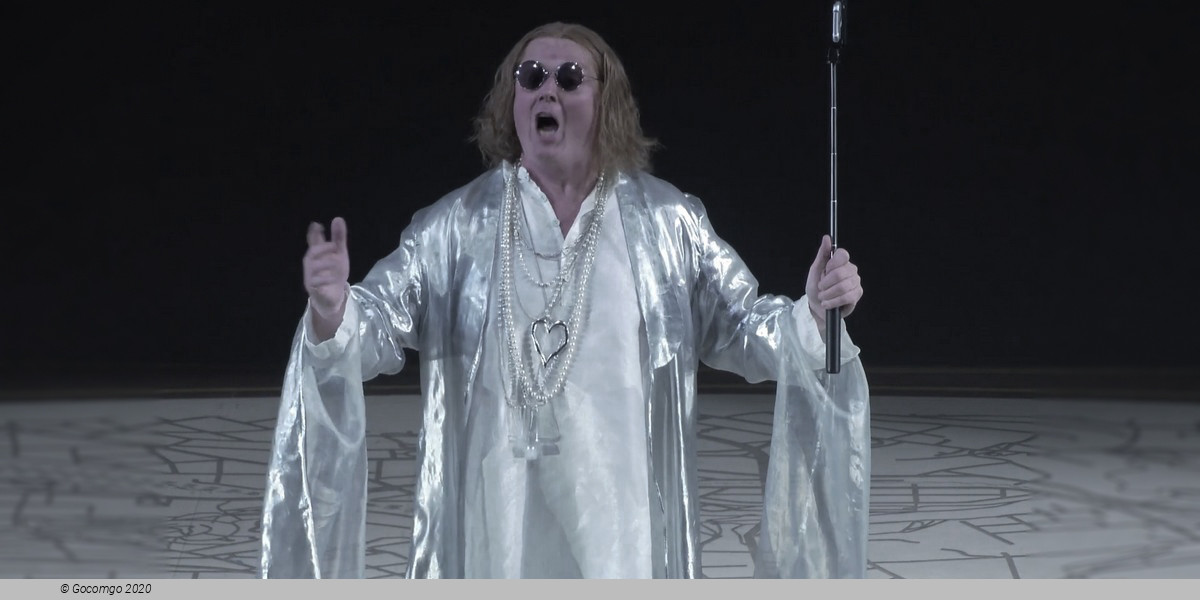
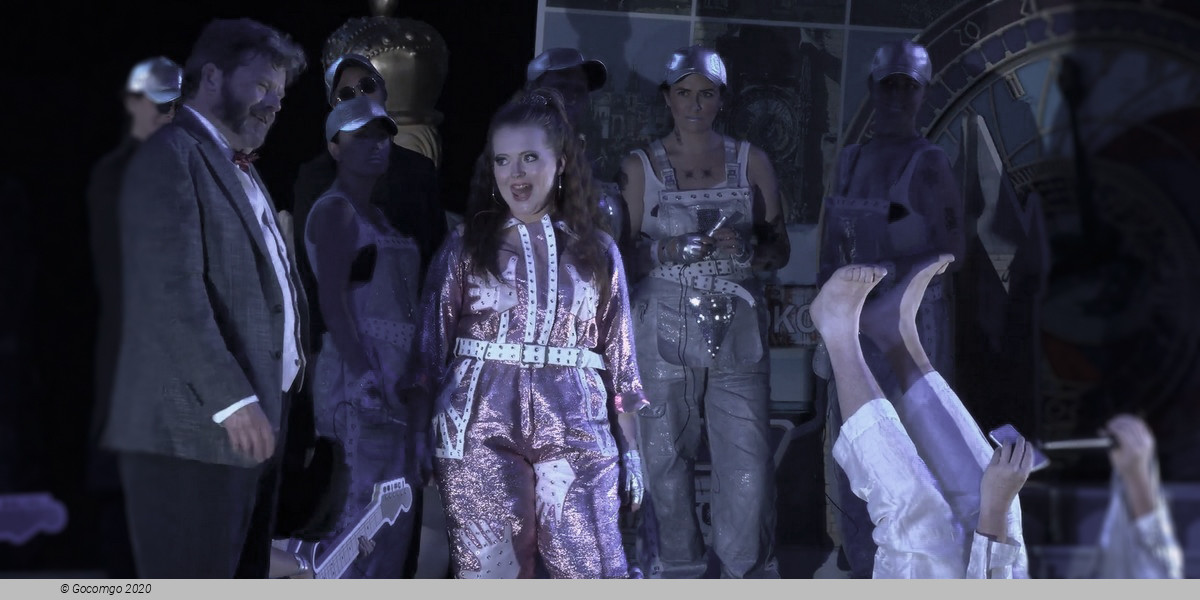
Brouček is quickly disillusioned by what he finds in his lunar paradise. He "lands" in the middle of an avant-garde colony of lunar artists and intellectuals, whom the uncultured Brouček clearly despises. He finds himself in the home of an avant-garde artist, Blankytny (a parallel character to Mazál). Blankytny sings a heartfelt ode of platonic love to the lunar maiden, Etherea. This signals the arrival of Etherea and her ‘sisters’ who commence with a song preaching the benefits of a healthy lifestyle. Ironically, Brouček catches the eye of the maiden, who becomes instantly infatuated with the exotic stranger. She whisks him away aboard mythical Pegasus, leaving behind Blankytny in disbelief and despair.

Scene 3
Etherea and Brouček land in the Lunar Temple of the Arts, where a group of inhabitants has gathered. They are immediately startled and frightened at the sight of Brouček, but soon see him as the latest vogue. The locals proceed to present Brouček with the latest in lunar art and treat him to a "meal" of sniffing flowers. Brouček is not at all pleased with this display of art, nor is he nourished by the fragrances. He is soon caught sneaking a bite of pork sausage; the crowd quickly turns on him, and he is forced into a furious escape aboard Pegasus. As he flees, the lunar artists sing praises to art.

Scene 4
As the Moon scene transforms back into the tavern courtyard in Prague, Mazál and Málinka are returning home, and the artists are enjoying a final drink. A young waiter laughs at the drunken Brouček who is being carried off in a barrel. Málinka is apparently recovered from her turmoil, as she and Mazál sing a duet of their love for each other.

Part 2: The Excursions of Mr. Brouček to the 15th Century
Scene 1
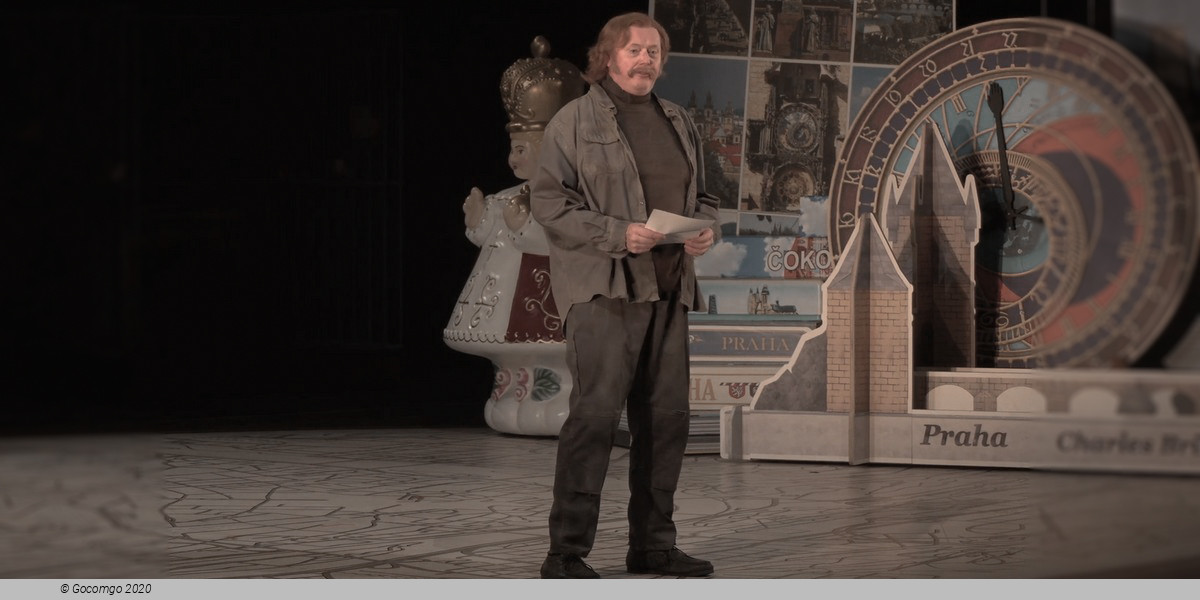
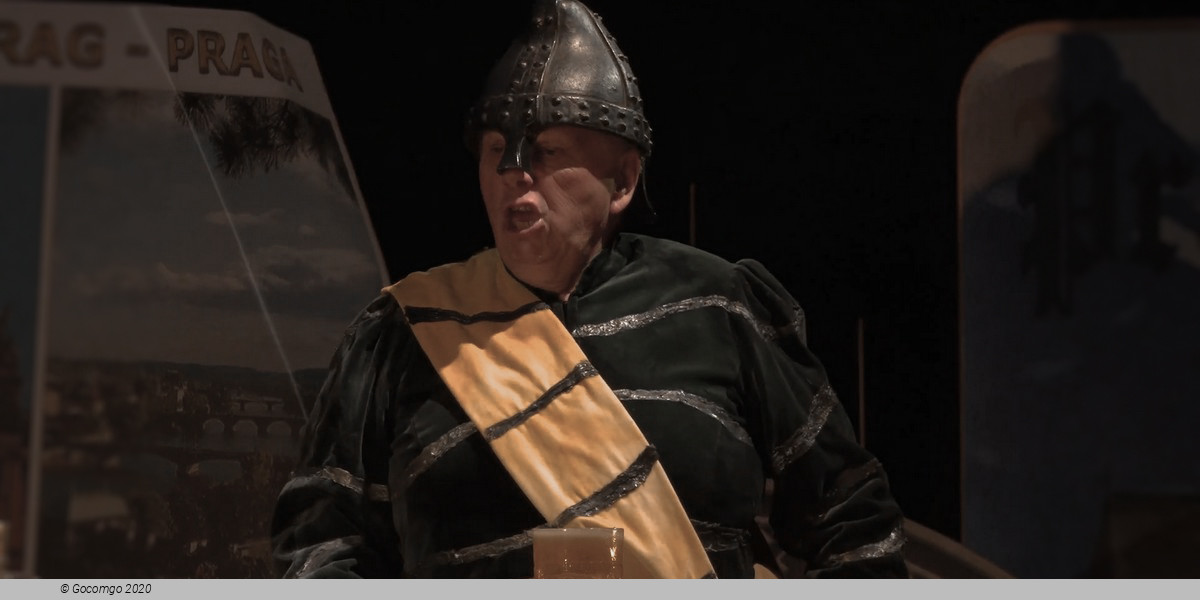
Set in the Castle of Wenceslas IV, Mr. Brouček and his fellow drinkers debate the particulars of the medieval tunnels that were believed to exist beneath the city of Prague. Once again, an inebriated Brouček staggers toward his home and is interrupted. He finds himself somehow in one of these dark tunnels, where he encounters apparitions from the past. One of these ghostly figures is Svatopluk Čech, the author of the Brouček stories and a famous Czech poet. Čech expresses his regret over the decline of moral values in the Czech nation. He sings about the loss of true heroes and yearns for a rebirth of his nation. Ironically, Čech's lament is directed toward Brouček himself and toward the satirical nature of this very opera.

Scene 2
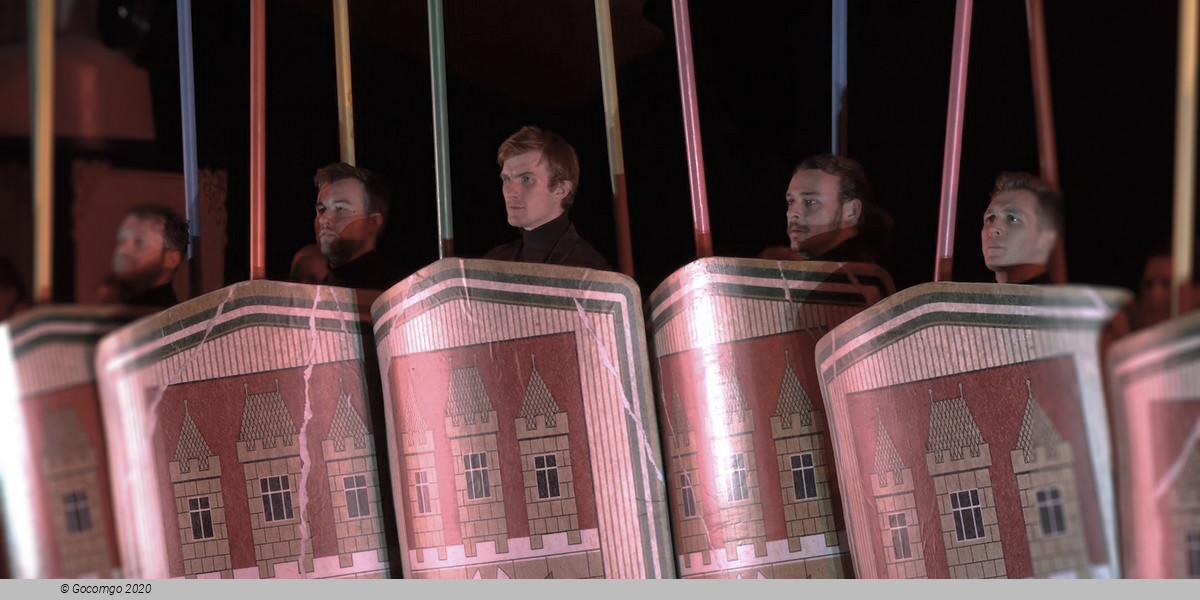
Mr. Brouček is transported back in time and finds himself in the Old Town Square in 1420. This is a tumultuous period in 15th-century Prague, when the Czech people, led by Jan Žižka, were under siege by the German armies of the Holy Roman Empire. Brouček is quickly confronted by Hussite rebels, who accuse him of being a German spy, due to his poor Czech grammar laden with German expressions. Brouček somehow convinces the rebels that he is on their side and is allowed to join them.

Scene 3
Brouček is brought to the house of Domšik, a sacristan, and his daughter Kunka. Brouček now finds himself in the midst of an impending battle for the future of the Czech nation, signified by the powerful singing of battle hymns by the gathered masses. The rebels ask Brouček to assist in the defense of Prague, to which he is characteristically averse. As the battle begins, our hero flees the scene.

Scene 4
In Old Town Square, the people of Prague celebrate their hard-fought victory but lament the death of Domšik. Brouček is found in hiding and accused of treason. He is appropriately sentenced to death by burning...in a beer barrel.

Scene 5
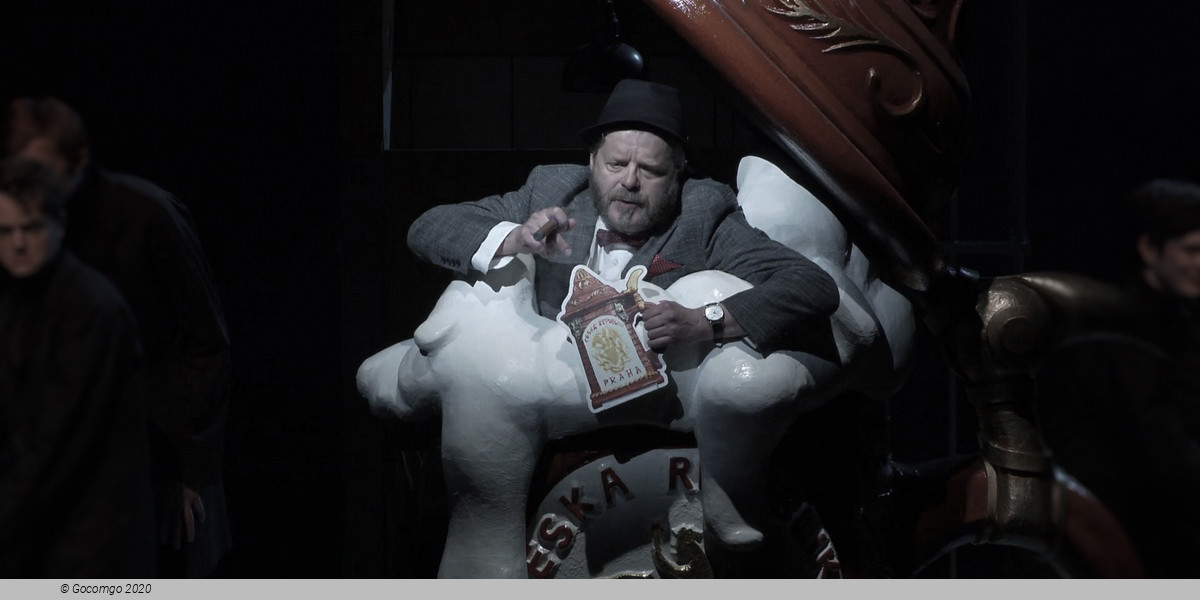
Back in 1888 Prague, just outside the Vikárka Inn (Home of the Hradčany Tavern), Mr. Würfl, the landlord of the Inn and the maker of the infamous pork sausage from the Moon, hears moans coming from the cellar. He discovers Mr. Brouček in a beer barrel, visibly relieved to be alive and back home. Our shameless hero boasts to Würfl that he single-handedly liberated the city of Prague.

Venue Info

Bregenz Festspielhaus - Bregenz
Location   Platz der Wr. Symphoniker

The Bregenz Festspielhaus is an event center in Bregenz and was opened in July 1980. It is the venue for the Bregenz Festival and the venue for conferences, congresses, and events. The operator of the Congress culture Bregenz GmbH, a wholly-owned subsidiary of the state capital Bregenz is.

In 1990, architectural competition for an extension of the building was announced, which was won by the architects Helmut Dietrich and Much Untertrifaller, based in Bregenz and Vienna, with their architectural office of the same name, Dietrich/Untertrifaller. The concept envisaged a two-stage expansion of the existing building.

The first part of the extension was built in 1996/1997, including the workshop stage with side stage, lake studio, lake foyer, central kitchen, and the new administrative part of the house.

In 2005/2006, the existing building from 1980 was completely renovated and expanded by 10,000 cubic meters. The "Platz der Wiener Symphoniker" in front of the Festival and Congress Hall was redesigned as part of an "Art and Construction" project.

The approximately 7-meter high sculpture "Ready Maid" was created by Gottfried Bechtold. According to the renowned Vorarlberg artist, the inverted tree made of polished bronze is a striding tree woman, an antipode, a diametrically opposed art object to the performances. The sculpture stands in a slight depression, which, depending on the amount of precipitation, turns into a water-based paint and mirror surface up to 15 centimeters deep.

Cerith Wyn Evans created an installation of white neon light that reads "299,792,458 m/s" - the speed of light. The installation was mounted on the Festspielhaus and can be perceived as a light object itself, as a reflection in window panes and in the water, as shadows, etc.
The multifunctional orientation of the Festspielhaus now enables the implementation of a wide variety of event types. Conferences and congresses, cultural events, entertainment as well as company events, and social events form the portfolio of the house. In 2009 the Festspielhaus in Bregenz was voted one of the best event centers of its size in Europe by the European Association of Event Centers (EVVC) and received the corresponding award "Best Center 2009". In 2013, the Bregenz Festival Hall again received an award from the EVVC, this time in cooperation with the German Convention Bureau, namely the “Meeting Experts Green Award” in the “Sustainable Event Center” category.

In addition to the annual Bregenz Festival, performances of the Bregenz Spring Dance Festival, the Bregenz master concerts, concerts of the Vorarlberg Symphony Orchestra, and shows and concerts of all genres take place in the Festspielhaus.

At the Seebühne Stars like Falco, Peter Gabriel, Supertramp, Herbert Grönemeyer, Elton John, Udo Jürgens, Xavier Naidoo and Cro gave concerts. In 2008, film recordings of James Bond 007: a Quantum consolation were recorded there.

Important Info
Type: Opera
City: Bregenz, Austria
Duration: 2h 30min with 1 interval
Acts: 2
Intervals: 1
Sung in: Czech
Titles in: German,English

E-tickets: Print at home or at the box office of the event if so specified. You will find more information in your booking confirmation email.

You can only select the category, and not the exact seats.
If you order 2 or 3 tickets: your seats will be next to each other.
If you order 4 or more tickets: your seats will be next to each other, or, if this is not possible, we will provide a combination of groups of seats (at least in pairs, for example 2+2 or 2+3).

From
$ 123
Top of page