Bolshoi Theatre tickets 9 May 2026 - War and Peace. Mariinsky Theatre presents | GoComGo.com

War and Peace. Mariinsky Theatre presents

Bolshoi Theatre, Historic Stage, Moscow, Russia
All photos (11)
Select date and time
7 PM
Request for Tickets
Important Info
Type: Opera
City: Moscow, Russia
Starts at: 19:00
Acts: 2
Intervals: 1
Duration: 3h 55min
Sung in: Russian
Titles in: Russian,English

E-tickets: Print at home or at the box office of the event if so specified. You will find more information in your booking confirmation email.

You can only select the category, and not the exact seats.
If you order 2 or 3 tickets: your seats will be next to each other.
If you order 4 or more tickets: your seats will be next to each other, or, if this is not possible, we will provide a combination of groups of seats (at least in pairs, for example 2+2 or 2+3).

Cast
Creators
Composer: Sergei Prokofiev
Music Director: Valery Gergiev
Stage Director: Andrei Konchalovsky
Director: Irkin Gabitov
Writer: Leo Tolstoy
Librettist: Mira Mendelson
Librettist: Sergei Prokofiev
Overview

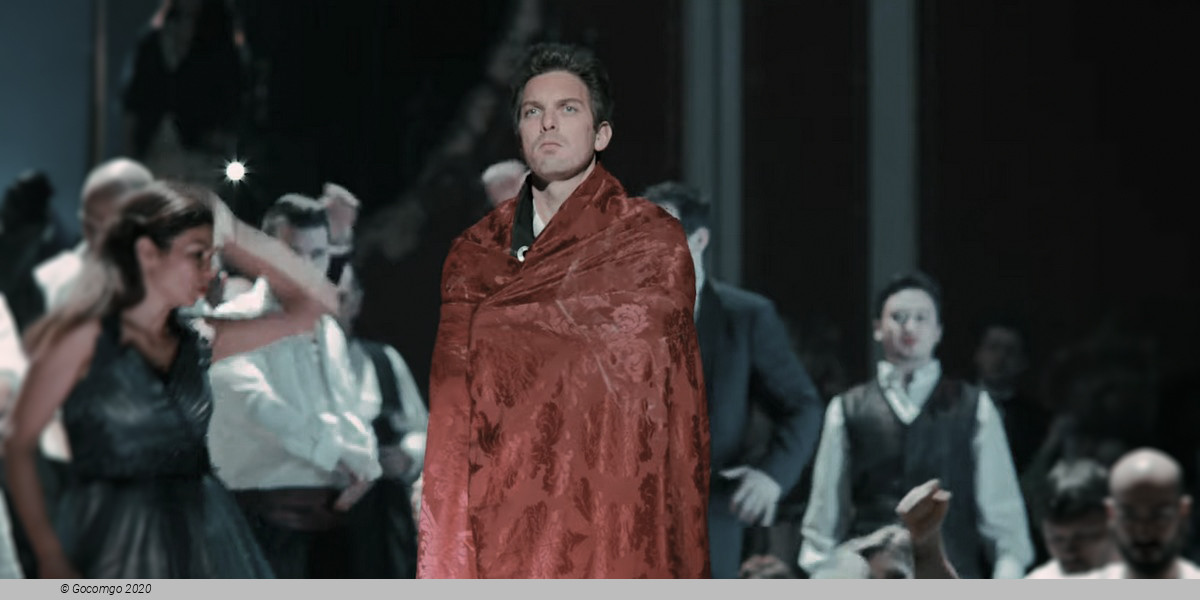
The production of Andrei Konchalovsky is the theater’s third appeal to Prokofiev’s opera War and Peace. In 1977, her production became one of the first works of the new chief conductor Yuri Temirkanov. The director’s concept was then developed by Boris Pokrovsky. The conductor and assistant of the play was a 24-year-old trainee, Valery Gergiev. The following production took place in the year of the 100th anniversary of Prokofiev. In 1991, Gergiev and the English director Graham Wieck first presented the opera without a single bill in one evening. In 2000, Prokofiev’s gigantic score was laid out on the scale of a normal opera performance. Before the intermission, scenes of the world took place, after - the war. The editorial board, which was invited to stage by Andrei Konchalovsky, and designed by Georgy Tsypin, has become one of the most exported Mariinsky performances. Conceived as a co-production, he walked to the Metropolitan Opera and had a happy touring fate. It is no coincidence that a director and an artist worked with him with great Western, primarily American, experience.

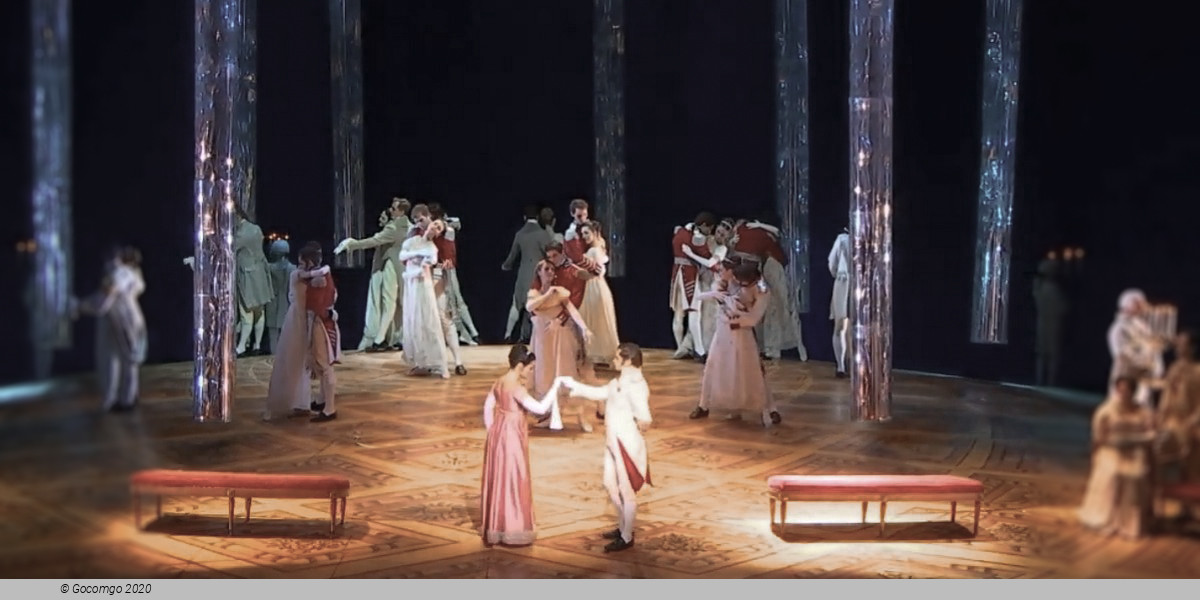
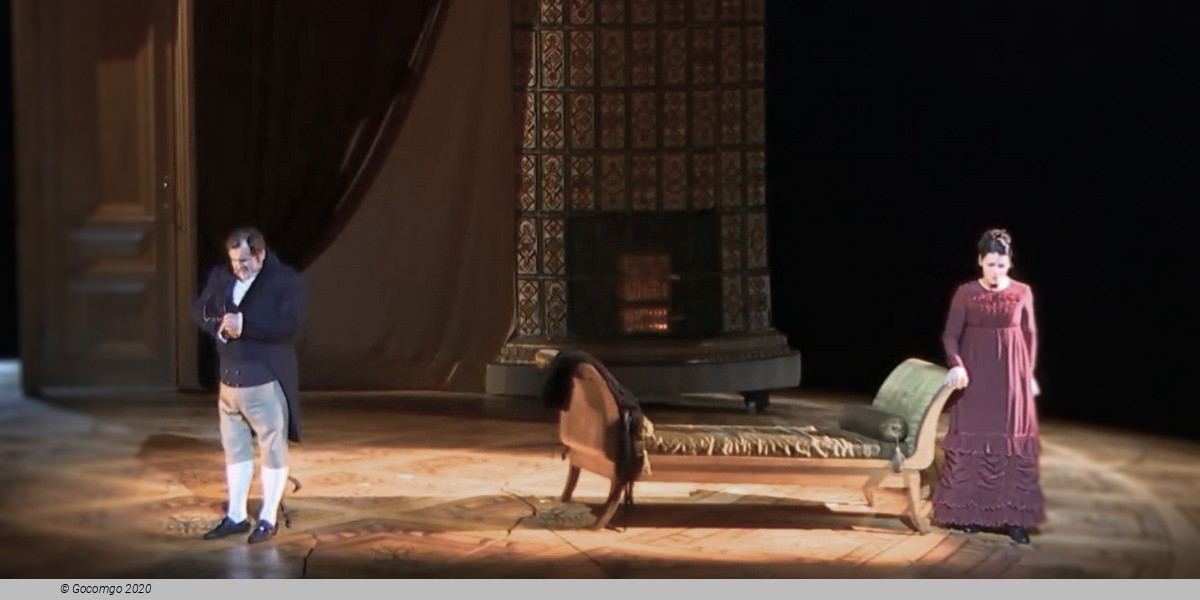
In War and Peace, Russian culture, like few other texts, is turned to the Western reader, open to him and attractive. This is true of Prokofiev’s music. The national patriotic epic was decided by the composer in a strict and completely international neoclassical style - not according to the concrete signs of the "old" in the score, but according to its empire orderliness, harmony and hierarchy. The opera’s scenic solution tunes in the same way: minimalist graphic scenery in scenes of the world, sparingly decorated, but dramatized by giant masses of war scenes.

After a long break and another version of Graham Wick's War and Peace (2014), the theater resumed the play of Tsypin - Konchalovsky.

Co-production with the Metropolitan Opera

History
Premiere of this production: 12 June 1946, Maly Theatre, Leningrad

War and Peace is an opera in two parts (an Epigraph and 13 scenes), sometimes arranged as five acts, by Sergei Prokofiev to a Russian libretto by the composer and Mira Mendelson, based on the novel War and Peace by Leo Tolstoy. Although Tolstoy's work is classified as a novel, the 1812 invasion of Russia by the French was based on real-life events, and some real-life people appear as characters in both the novel and the opera, e.g. Prince Mikhail Kutuzov and Napoleon Bonaparte.

Synopsis

Part 1 (Peace)
The Overture or the Epigraph usually precedes the action

Scene 1: After dark, in the garden of Count Rostov's country estate, May, 1806

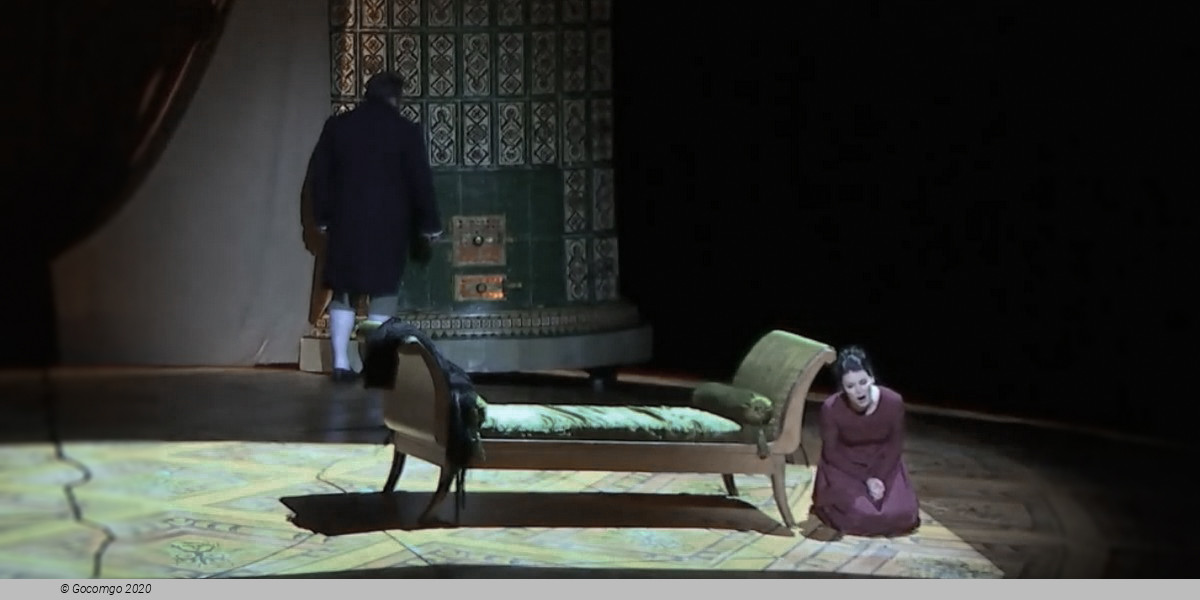
Andrei, who is a guest there, is depressed by the loss of his wife. Natasha, who also cannot sleep, looks out of her window and tells Sonya how beautiful the garden looks in the moonlight, and Andrei recovers his spirits.

Scene 2: New Year's Eve, 1810

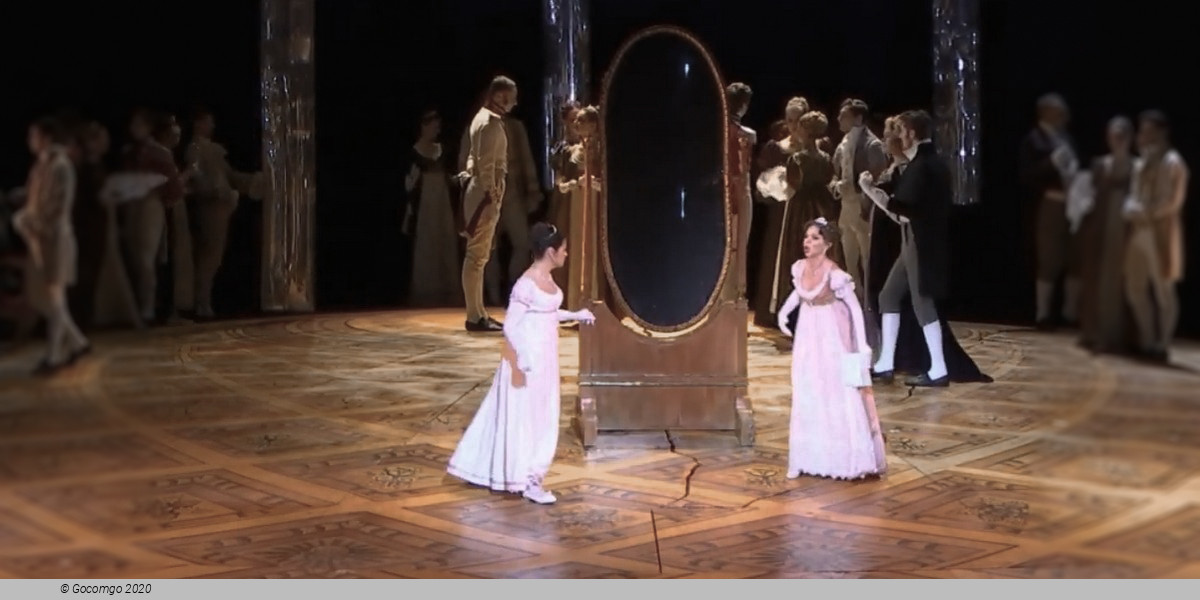
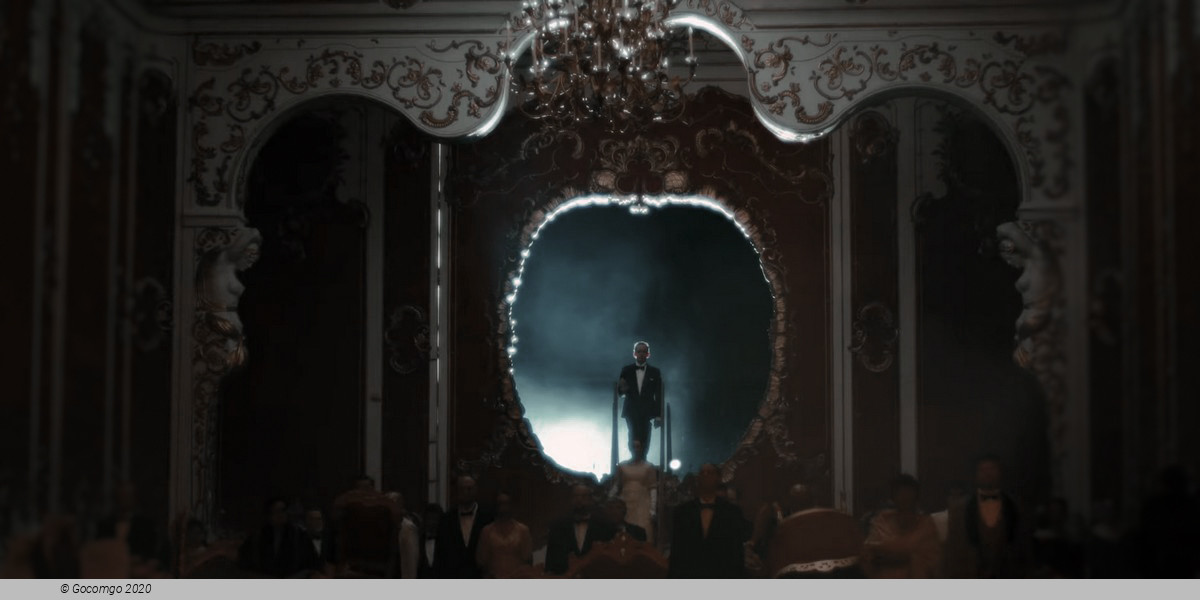
At a ball in St Petersburg attended by the Tsar, Pierre encourages Andrei, who is attracted to Natasha, to ask her to dance. Anatole, also attracted to her, asks Hélène to arrange an introduction.

Scene 3: Town house of Prince Nikolai, February 1812

Count Rostov and Natasha visit Prince Nikolai's home. He is the father of Andrei, to whom she is engaged. Andrei has been abroad for a year. Princess Marya indicates that her father will not see them, and Count Rostov departs. However, the Prince, dressed eccentrically and behaving boorishly, does appear, and Natasha realises that he does not approve of the marriage.

Scene 4: Pierre's Moscow house, May 1812

Hélène tells Natasha that Anatole is attracted to her, and, after some hesitation, Natasha hears his declaration of love and agrees to meet him.

Scene 5: Dolokhov's apartment, 12 June 1812

Dolokhov has made the arrangements for his friend Anatole's elopement with Natasha. The coach-driver Balaga, Dolokhov and Anatole drink to the escapade and to the latter's mistress Matriosha.

Scene 6: Later that night

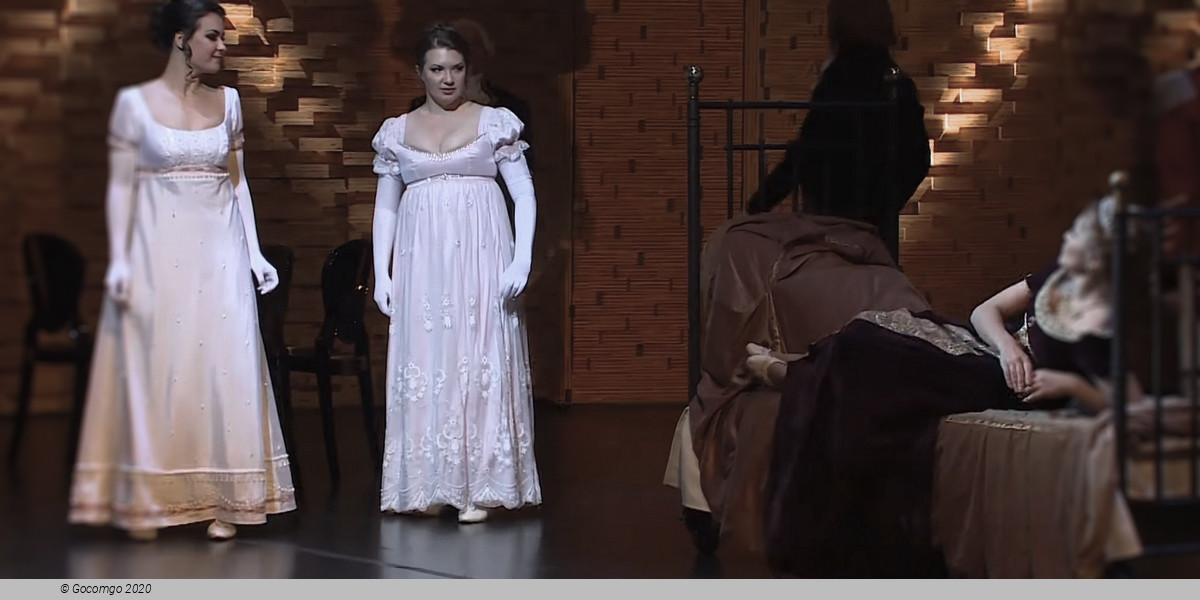
Natasha discovers that Sonya has given away her secret to Madame Akhrosimova, with whom they are staying. Anatole and Dolokhov are sent away by Gavrila, and Akhrosimova reduces Natasha to tears. Pierre arrives, reveals that Anatole is married, and agrees to ask Andrei to forgive Natasha. He shyly admits that he himself would want to marry her if he were free. Natasha makes her peace with Sonya.

Scene 7: Later still

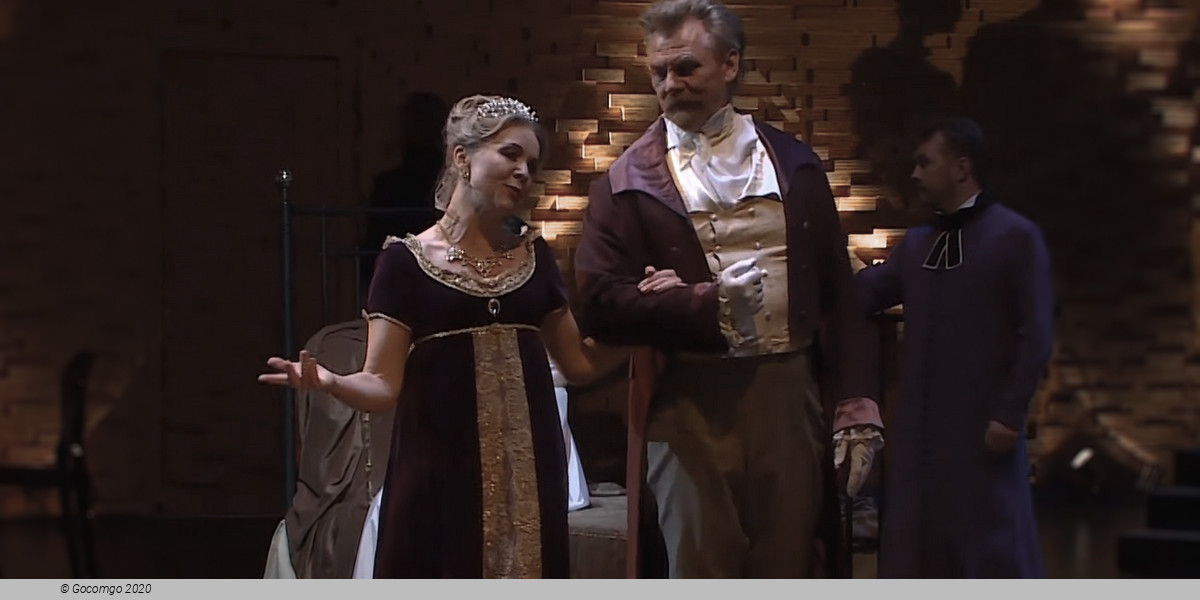
Hélène is entertaining Anatole, Metivier and an Abbé. Pierre, returning home, upbraids Anatole and demands that he leave Moscow immediately. He agrees, and Pierre is left alone to bemoan his own circumstances. Denisov arrives with the news that Napoleon and his army are crossing into Russia. War is inevitable.

Part 2 (War)
The Epigraph is usually performed here if it was not used at the start of Part 1.

Scene 8: Near Borodino, 25 August 1812

Amid preparations for the defence of Moscow, Andrei and Denisov discuss utilising partisans to make life difficult for Napoleon's army. Pierre, wanting to observe the scene, arrives, and he and Andrei embrace, perhaps for the last time. Field-Marshal Kutuzov offers Andrei a position on his staff, but Andrei prefers to go into battle with his own regiment. The battle starts.

Scene 9: Later that day

Napoleon ponders his position, first refusing to commit more men, then agreeing. An unexploded cannonball lands at his feet and he kicks it away.

Scene 10: Two days later

Kutuzov and his generals are holding a Council of War at Fili, near Smolensk. The army will be at risk if Moscow is to be defended to the last - but if the army retreats, Moscow will be at the mercy of the French. Kutuzov decides that only by retreating, and potentially sacrificing Moscow, will there be any hope of victory.

Scene 11: Moscow is burning

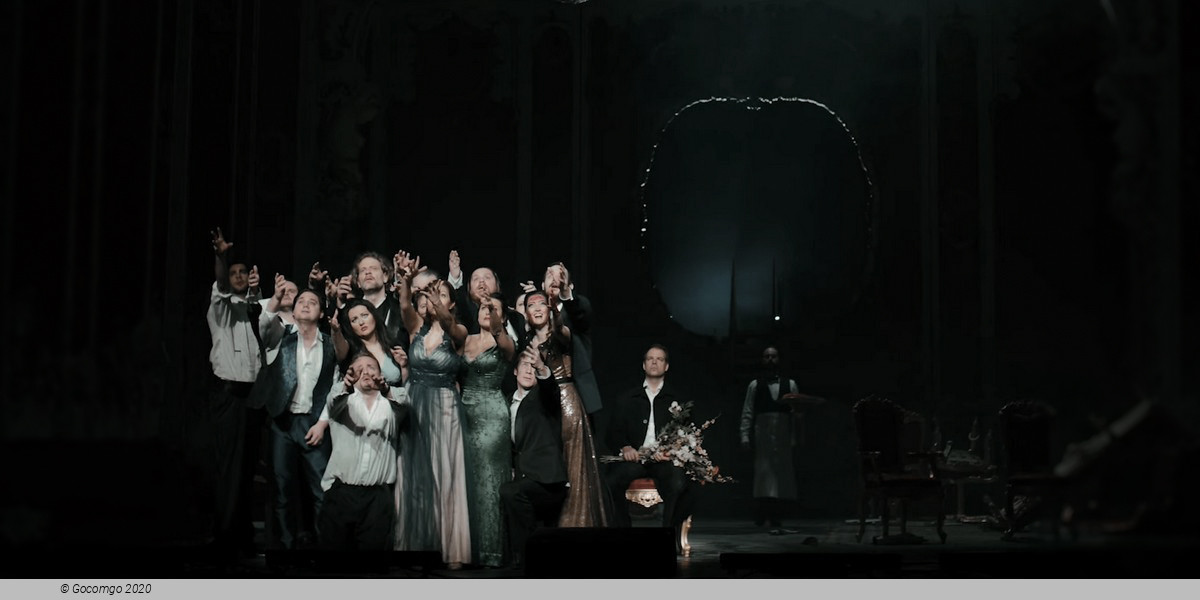
The city is on fire because its citizens try to avoid a surrender. Pierre is caught up among some Muscovites, including the veteran Platon Karataev, who are accused by the French of fire-raising. As the asylum and theatre burn, lunatics and actresses flee - but Napoleon has to admit that the courage of the people has frustrated his plans.

Scene 12: In a peasant's hut at Mitishi

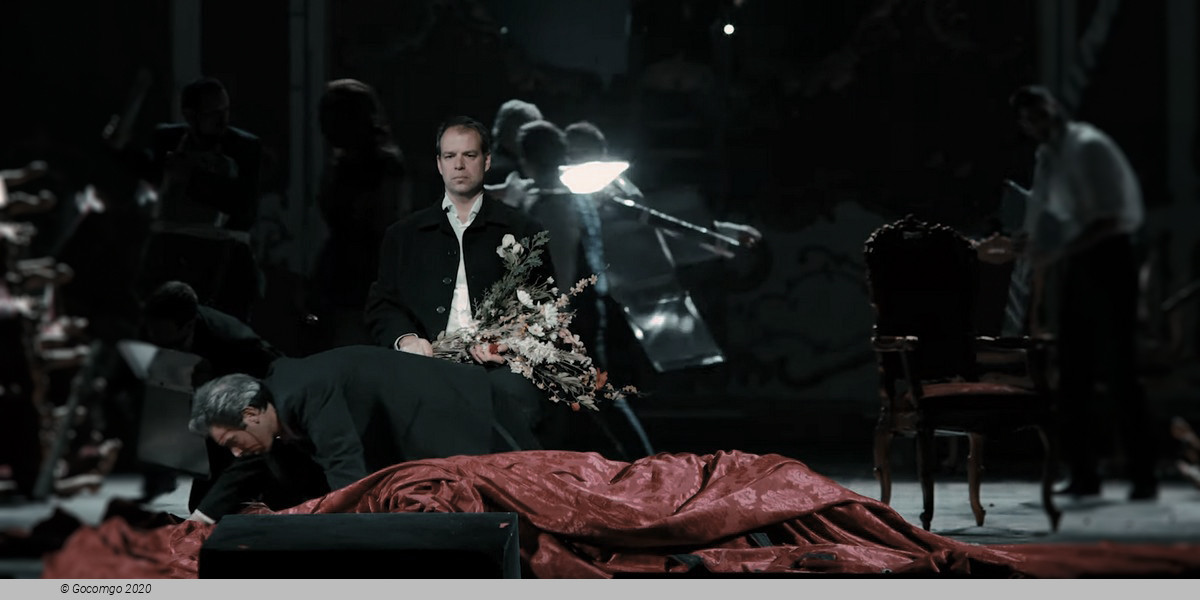
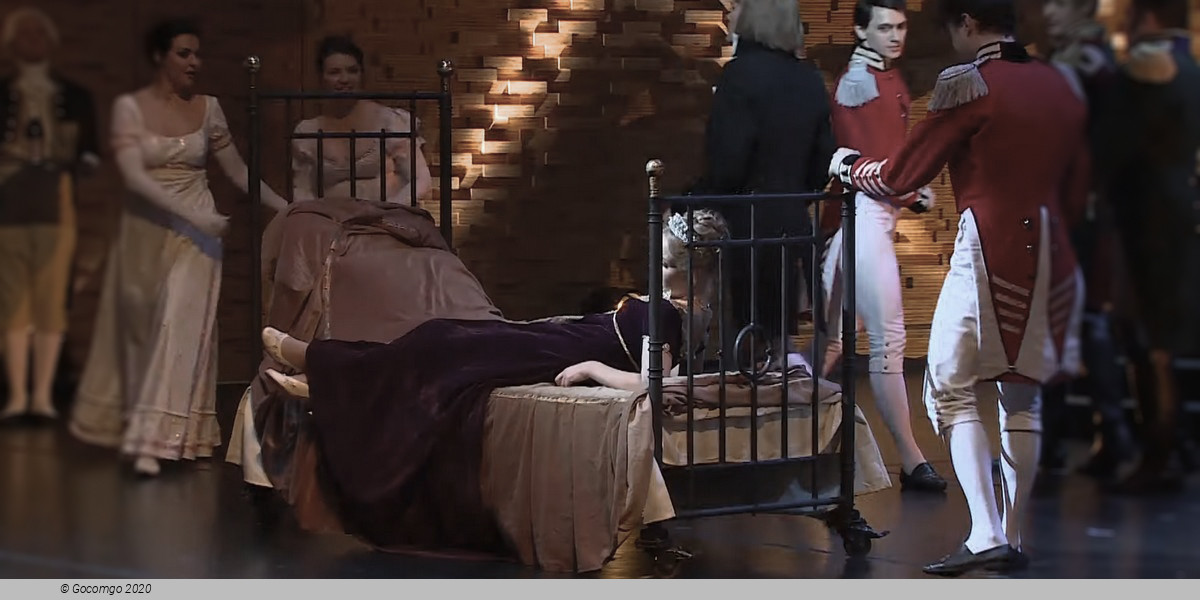
The wounded Prince Andrei, delirious, has been evacuated with the Rostovs from Moscow. Natasha, who had been unaware that he was among her fellow evacuees, visits him. She tries to apologise for her conduct, but he again declares his love for her, and they sing of their happiness as Natasha reassures him that he will live. He falls asleep, and his heartbeat (conveyed by an offstage chorus) stops for ever.

Scene 13: November, 1812

On the road to Smolensk, the retreating French are escorting a group of prisoners through a snow-storm. Karataev cannot keep up and is shot, but Pierre and the others are rescued by the partisans. Denisov tells Pierre that Andrei is dead but that Natasha is alive and well. Kutuzov and his men rejoice in their victory, and celebrate the indomitable will of the Russian people.


Venue Info

Bolshoi Theatre - Moscow
Location   Teatralnaya Square 1

The Bolshoi Theatre is one of the world’s most iconic cultural landmarks, renowned for its grandeur, history, and artistic excellence. Located in the heart of Moscow, this legendary theatre has been home to unforgettable performances of opera and ballet for over two centuries. Its majestic architecture, world-class acoustics, and rich tradition make every event at the Bolshoi a truly unforgettable experience.

On 28 March (17 according to the old style) 1776, Catherine II granted the prosecutor, Prince Pyotr Urusov, the "privilege" of "maintaining" theatre performances of all kinds, including masquerades, balls and other forms of entertainment, for a period of ten years. And it is from this date that Moscow’s Bolshoi Theatre traces its history.

The Bolshoi building, which for many years now has been regarded as one of Moscow’s main sights, was opened on 20 October 1856, on Tsar Alexander II’s coronation day.

On 29 October 2002 the Bolshoi was given a New Stage and it was here it presented its performances during the years the Main Stage was undergoing massive reconstruction and refurbishment.

The reconstruction project lasted from l July 2005 to 28 October 2011. As a result of this reconstruction, many lost features of the historic building were reinstated and, at the same time, it has joined the ranks of most technically equipped theatre buildings in the world.

The Bolshoi Theatre is a symbol of Russia for all time. It was awarded this honor due to the major contribution it made to the history of the Russian performing arts. This history is on-going and today Bolshoi Theatre artists continue to contribute to it many bright pages.

The Bolshoi Ballet and Bolshoi Opera are among the oldest and best known ballet and opera companies in the world. It is by far the world's biggest ballet company, with more than 200 dancers.

Important Info
Type: Opera
City: Moscow, Russia
Starts at: 19:00
Acts: 2
Intervals: 1
Duration: 3h 55min
Sung in: Russian
Titles in: Russian,English
Top of page