Place: Antwerp, on the Scheldt.
Time: 10th century
Summary
The people of the Duchy of Brabant are divided by quarrels and political infighting; also, a devious hostile power left over from the region's pagan past is seeking to subvert the prevailing monotheistic government and to return the Duchy to pagan rule. A mysterious knight, sent by God and possessing superhuman charisma and fighting ability, arrives to unite and strengthen the people, and to defend the innocent noble woman Elsa from a false accusation of murder, but he imposes a condition: the people must follow him without knowing his identity. Elsa in particular must never ask his name, or his heritage, or his origin. The conspirators attempt to undermine her faith in her rescuer, to create doubt among the people, and to force him to leave.
Act 1
King Henry the Fowler has arrived in Brabant, where he has assembled the German tribes in order to expel the marauding Hungarians from his dominions. He also needs to settle a dispute involving the disappearance of the child-Duke Gottfried of Brabant. The Duke's guardian, Count Friedrich von Telramund, has accused the Duke's older sister, Elsa, of murdering her brother in order to become Duchess of Brabant. Telramund calls upon the King to punish Elsa and to make him the new Duke of Brabant.
The King calls for Elsa to answer Telramund's accusation. Elsa does not answer the King's inquiries, only lamenting her brother's fate. The King declares that he cannot resolve the matter and will leave it to God's judgment through ordeal by combat. Telramund, a strong and seasoned warrior, agrees enthusiastically. When the King asks Elsa who shall be her champion, Elsa describes a knight she has beheld in her dreams (Narrative: "Alone in dark days").
Twice the Herald calls for a champion to step forward, but gets no response. Elsa kneels and prays that God may send her champion to her. A boat drawn by a swan appears on the river and in it stands a knight in shining armour. He disembarks, dismisses the swan, respectfully greets the king, and asks Elsa if she will have him as her champion and marry him. Elsa kneels in front of him and places her honour in his keeping. He asks only one thing in return for his service: Elsa must never ask him his name or where he has come from. Elsa agrees to this.
Telramund's supporters advise him to withdraw because he cannot prevail against the Knight's powers, but he proudly refuses. The chorus prays to God ("Herr und Gott") for victory for the one whose cause is just. Ortrud, Telramund's wife, does not join the prayer, but privately expresses confidence that Telramund will win. The combat commences. The unknown Knight defeats Telramund but spares his life. Taking Elsa by the hand, he declares her innocent. The crowd exits, cheering and celebrating.
Act 2
Night in the courtyard outside the cathedral
Telramund and Ortrud, banished from court, listen unhappily to the distant party-music. Ortrud reveals that she is a pagan witch (daughter of Radbod Duke of Frisia), and tries to revive Telramund's courage, assuring him that her people (and he) are destined to rule the kingdom again. She plots to induce Elsa to violate the mysterious knight's only condition.
When Elsa appears on the balcony before dawn, she hears Ortrud lamenting and pities her. As Elsa descends to open the castle door, Ortrud prays to her pagan gods, Wodan and Freia, for malice, guile, and cunning, in order to deceive Elsa and restore pagan rule to the region. Ortrud warns Elsa that since she knows nothing about her rescuer, he could leave at any time as suddenly as he came, but Elsa is sure of the Knight's virtues. The two women go into the castle. Left alone outside, Telramund vows to bring about the Knight's downfall.
The sun rises and the people assemble. The Herald announces that Telramund is now banished, and that anyone who follows Telramund shall be considered an outlaw by the law of the land. In addition, he announces that the King has offered to make the unnamed knight the Duke of Brabant; however, the Knight has declined the title, and prefers to be known only as "Protector of Brabant". The Herald further announces that the Knight will lead the people to glorious new conquests, and will celebrate the marriage of himself and Elsa. In the back of the crowd, four noblemen quietly express misgivings to each other because the Knight has rescinded their privileges and is calling them to arms. Telramund secretly draws the four noblemen aside and assures them that he will regain his position and stop the Knight, by accusing him of sorcery.
As Elsa and her attendants are about to enter the church, Ortrud rushes to the front of the procession and challenges Elsa to explain who the Knight is and why anyone should follow him. Their conversation is interrupted by the entrance of the King with the Knight. Elsa tells both of them that Ortrud was interrupting the ceremony. The King tells Ortrud to step aside, then leads Elsa and the Knight toward the church. Just as they are about to enter the church, Telramund enters. He claims that his defeat in combat was invalid because the Knight did not give his name (trial by combat traditionally being open only to established citizens), then accuses the Knight of sorcery. He demands that the Knight must reveal his name; otherwise the King should rule the trial by combat invalid. The Knight refuses to reveal his identity and claims that only one person in the world has the right to make him do so: his beloved Elsa, and she has pledged not to exercise that right. Elsa, though visibly shaken and uncertain, assures him of her confidence. King Henry refuses Telramund's questions, and the nobles of Brabant and Saxony praise and honor the Knight. Elsa falls back into the crowd where Ortrud and Telramund try to intimidate her, but the Knight forces them both to leave the ceremony, and consoles Elsa. Elsa takes one last look at the banished Ortrud, then enters the church with the wedding procession.
Act 3
Scene 1: The bridal chamber
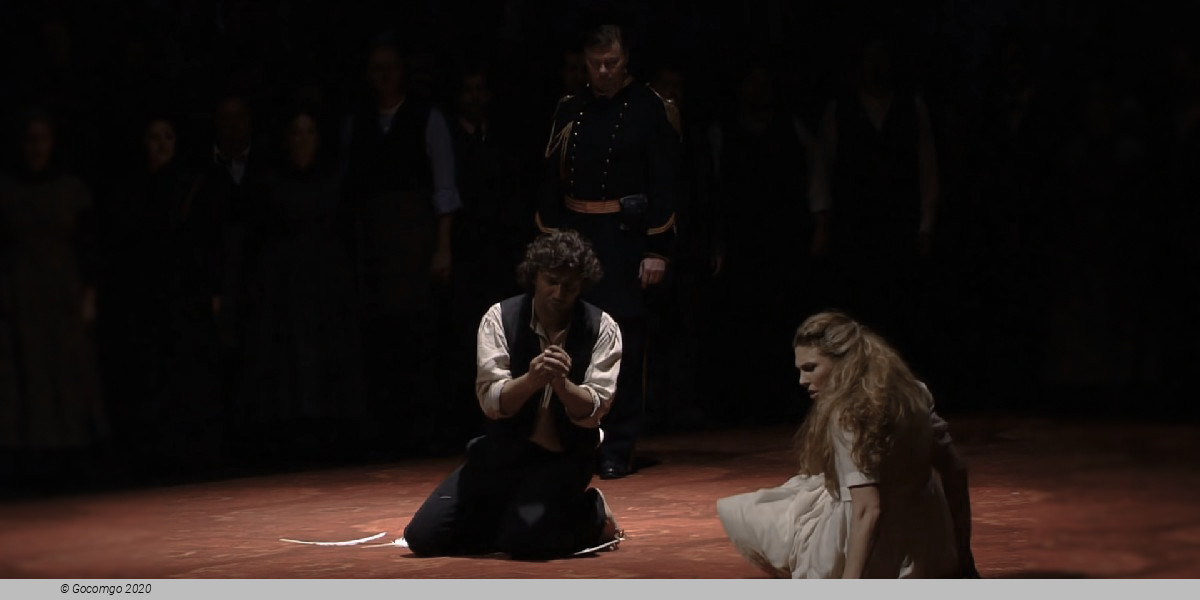
Elsa and her new husband are ushered in with the well-known bridal chorus, and they express their love for each other. Ortrud's words, however, have made an impression on Elsa; she laments that her name sounds so sweet on her husband's lips but she cannot utter his name. She asks him to tell her his name when no one else is around, but at all instances he refuses. Finally, despite his warnings, she asks the Knight the fatal questions. Before the Knight can answer, Telramund and his four recruits rush into the room in order to attack him. The Knight defeats and kills Telramund. Then, he sorrowfully turns to Elsa and asks her to follow him to the King, to whom he will now reveal his secrets.
Scene 2: On the banks of the Scheldt (as in Act 1)
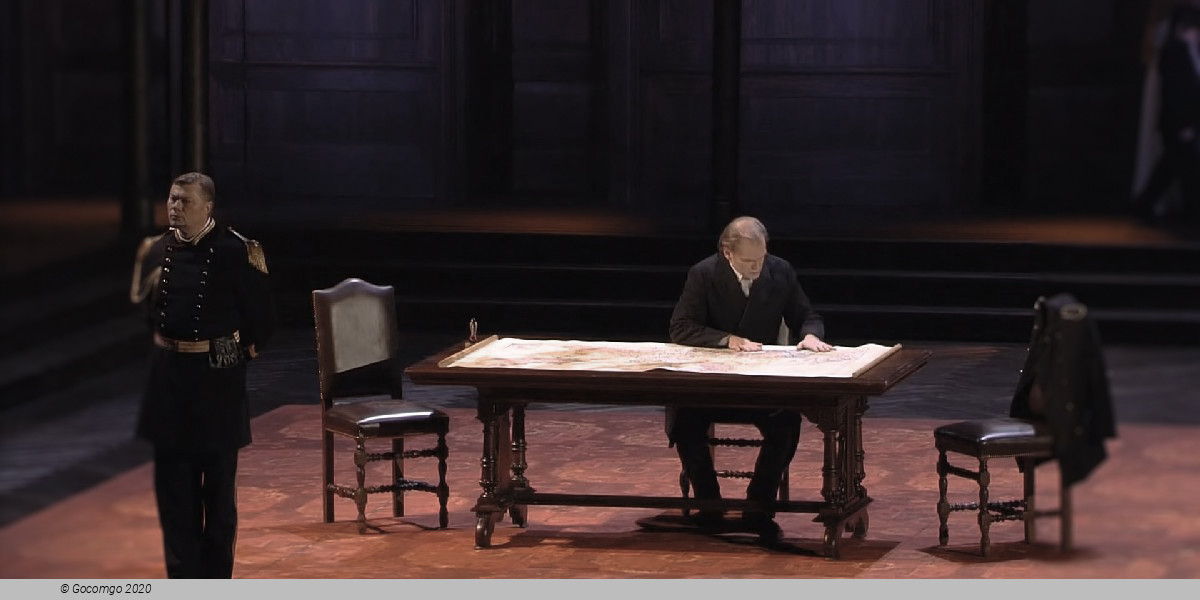
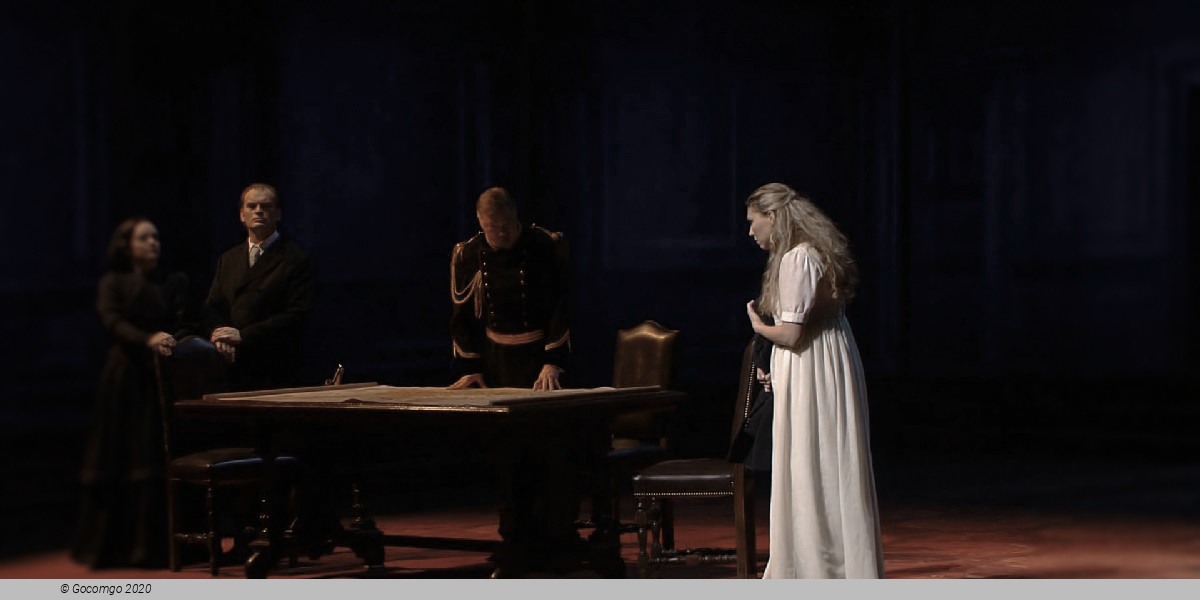
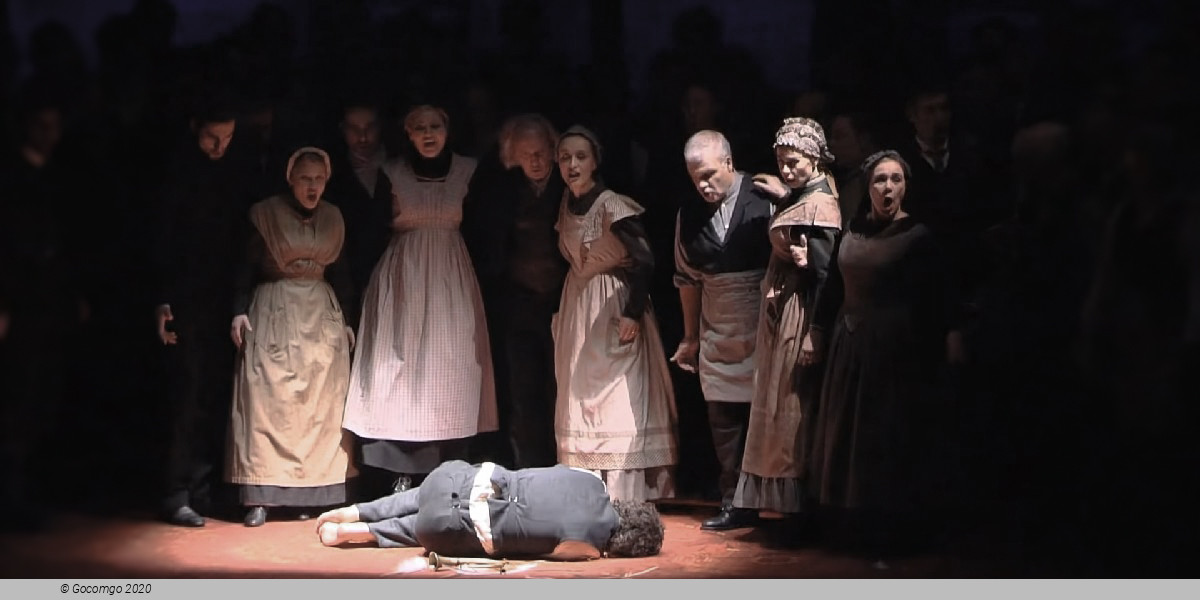
The troops arrive equipped for war. Telramund's corpse is brought in. Elsa comes forward, then the Knight. He tells the King that Elsa has broken her promise, and discloses his identity ("In fernem Land") by recounting the story of the Holy Grail and of Monsalvat. He reveals himself as Lohengrin, Knight of the Grail and son of King Parsifal, sent to protect an unjustly accused woman. The laws of the Holy Grail say that Knights of the Grail must remain anonymous. If their identity is revealed, they must return home.
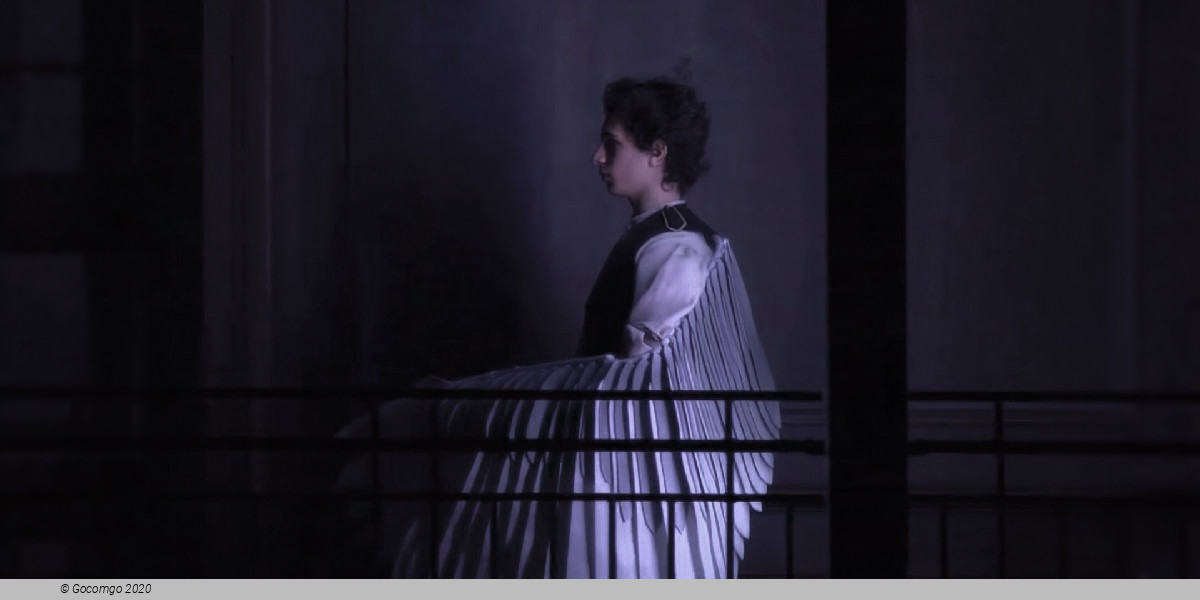
As Lohengrin sadly bids farewell to Elsa, the swan-boat reappears. Lohengrin tells Elsa that if she had kept her promise, she could have recovered her lost brother, and gives her his sword, horn and ring, for he is to become the future leader of Brabant. As Lohengrin tries to get in the boat, Ortrud appears. She tells Elsa that the swan is actually Gottfried, Elsa's brother, whom she cursed to become a swan. The people consider Ortrud guilty of witchcraft. Lohengrin prays and the swan turns back into young Gottfried. Lohengrin declares him the Duke of Brabant. Ortrud sinks as she sees her plans thwarted.
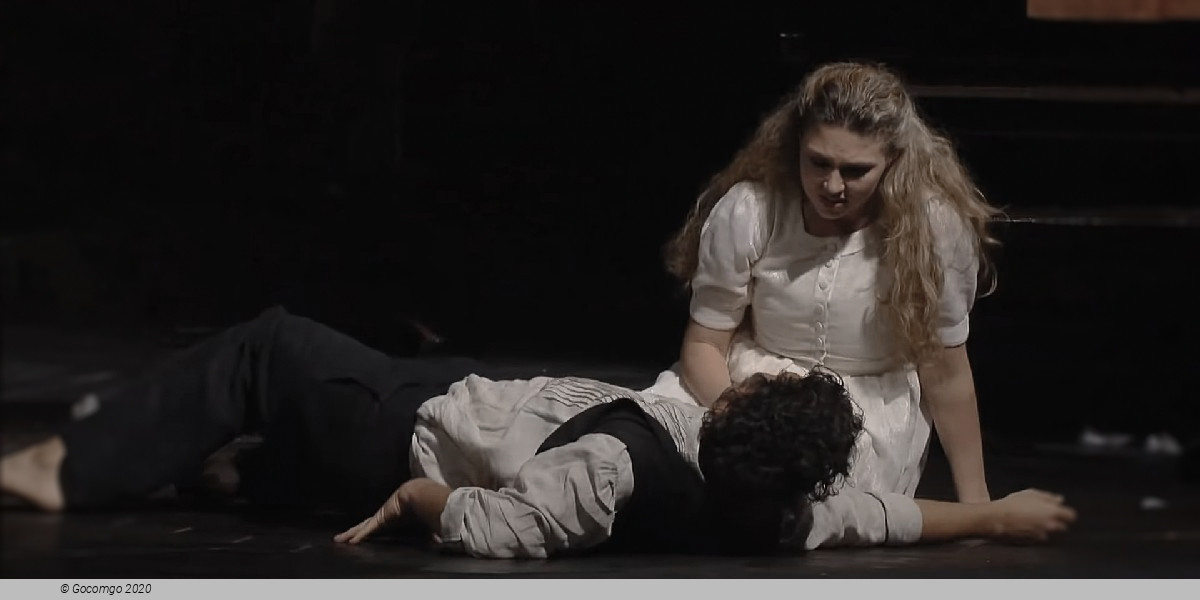
A dove descends from heaven and, taking the place of the swan at the head of the boat, leads Lohengrin to the castle of the Holy Grail. Elsa is stricken with grief and falls to the ground dead.




 Teatralnaya Square 1