Act I
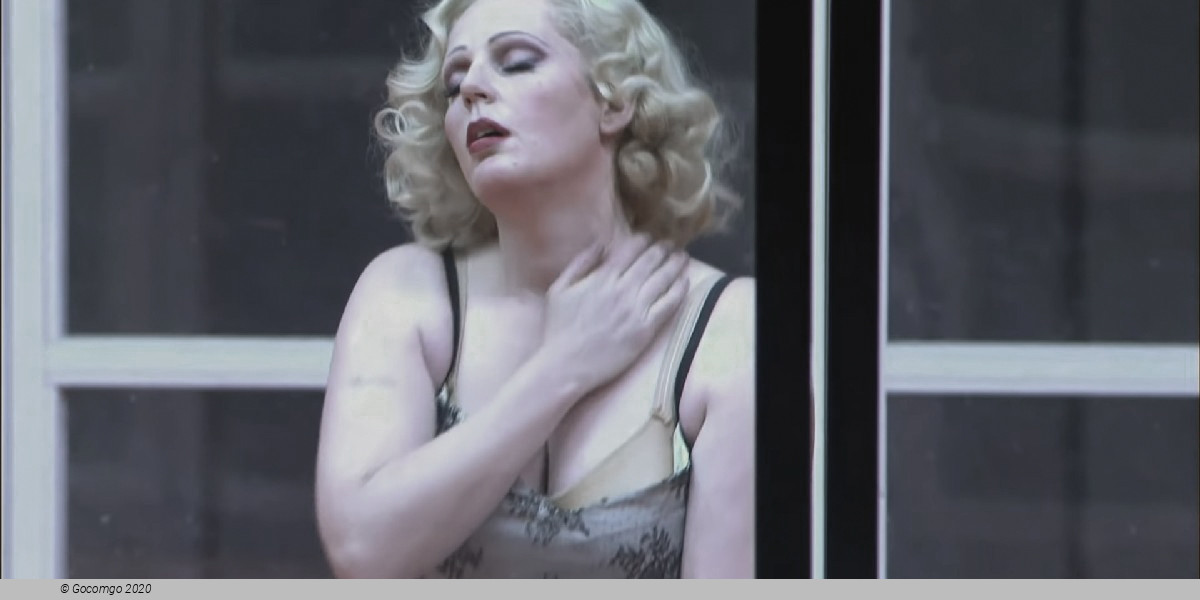
Scene 1. Katerina Lvovna leads an unhappy existence in the home of her husband, the distinguished merchant Zinovy Borisovich Ismailov. The marriage has produced no children. Katerina spends her time in agonising idleness, languishing in melancholy and loneliness. She is exasperated by her father-in-law Boris Timofeyevich, who is frustrated that she has been married five years and has failed to produce an heir.
Zinovy Borisovich brings in Sergei, a new worker. Business forces Zinovy Borisovich to leave home for a period: the dam at the mill has burst. Ordered by Boris Timofeyevich the workers pretend they are sad when their master leaves. Katerina’s cruel and suspicious father-in-law insists that Katerina swear fidelity to her husband. The cook Aksinya tells Katerina about Sergei: “Name any woman who’s taken his fancy, he’ll get her into trouble.”
Scene 2. Taking advantage of the master’s absence, the Ismailovs’ servants loaf around. Sergei and his friends mock and play tricks on the clumsy Aksinya. Katerina Lvovna enters the yard and defends the cook, threatening to do away with Sergei, the ring-leader. He proposes a battle of strength. At the peak of the jovial scuffle Boris Timofeyevich appears. He sends everyone back to work and threatens Katerina that he will tell her husband everything.
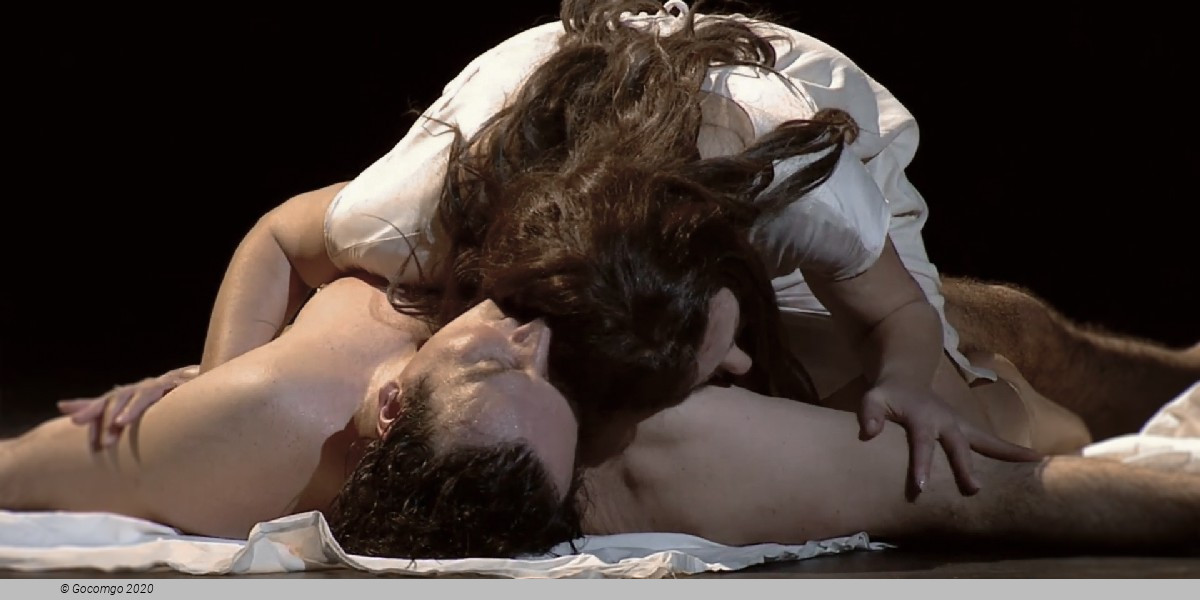
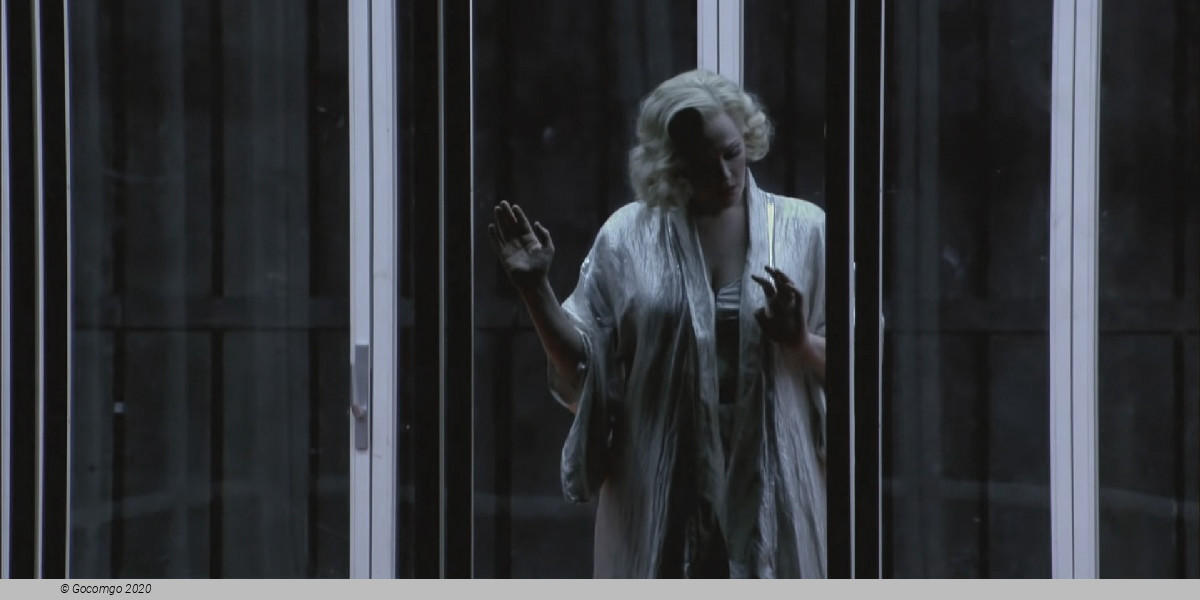
Scene 3. Katerina Lvovna’s bedroom. She is tormented by boredom and recalls how in her childhood she admired a pair of doves that billed and cooed around their nest… But now her life is to pass with no joy, no happiness. Sergei’s unexpected appearance shatters her loneliness: he asks “if I can borrow a book” and speaks of woman’s sorrowful lot, but all this is a mere ruse to seduce Katerina. In confusion she yields to him: Sergei has awoken hitherto unknown emotions.
Act II
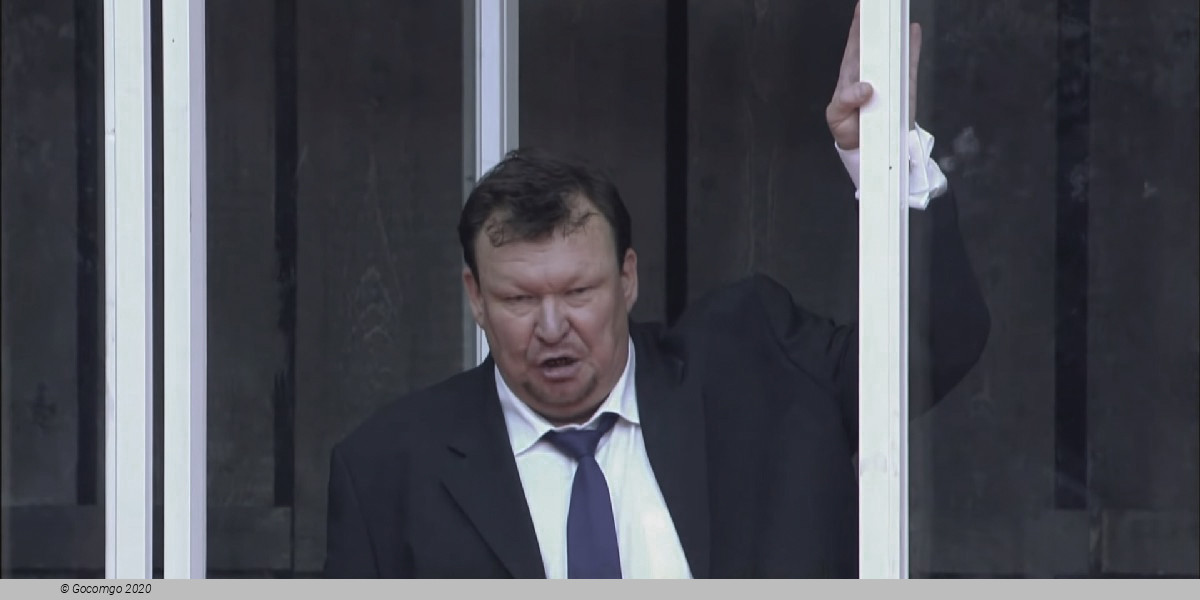
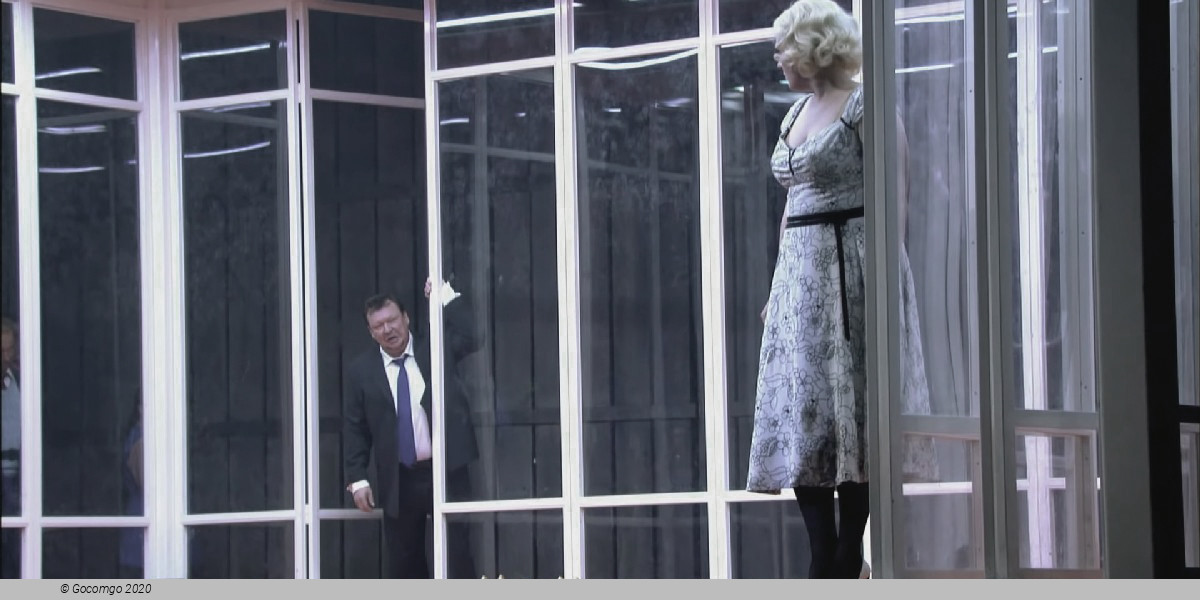
Scene 4. Boris Timofeyevich cannot sleep, he sees thieves everywhere. He remembers how he found it hard to sleep in his younger years too, but for a different reason: he loved to stroll past the windows of other men’s wives. Even now he enjoys reflecting on the old days and having a glimpse at his son’s young wife.
And so he sees Sergei slinking out of Katerina’s apartments. Old Ismailov is merciless. Katerina’s pleas are to no avail: Sergei is beaten half to death before her very eyes then locked in the storeroom.
In furious madness Katerina serves her loathsome father-in-law mushrooms tainted with rat poison for dinner. As he dies, the old man confesses to the priest and accuses his daughter-in-law of the foul deed.
Scene 5. Katerina is happy. Her lover is at her side. But Sergei is dispirited at Zinovy Borisovich’s impending return: it is not enough for him to be Katerina’s secret lover – he wants to be her husband and the master. Katerina pacifies him, but her conscience is in torment: everywhere she sees the ghost of Boris Timofeyevich, cursing the woman who poisoned him.
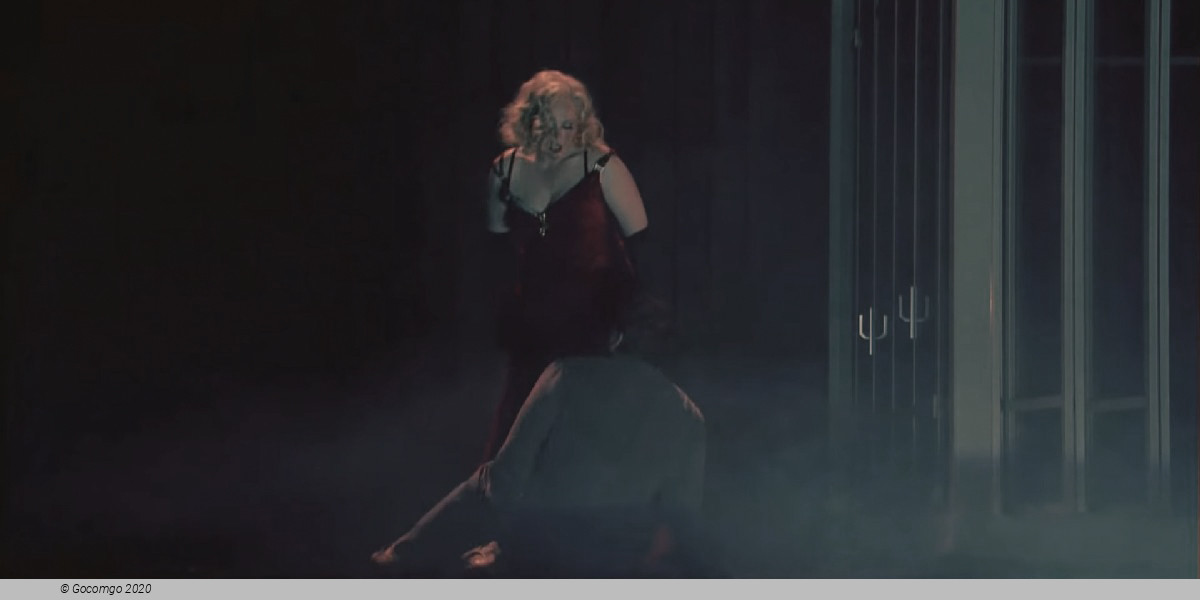
Zinovy Borisovich’s unexpected return and mockery of Katerina incite the lovers to murder. They kill Zinovy Borisovich and hide the corpse in the cellar.
Act III
Scene 6. Although the path to happiness now seems clear, Katerina’s soul knows no happiness: her conscience troubles her. Even on the day of her marriage to Sergei she stands by the cellar containing the corpse of Zinovy Borisovich…
A covetous Shabby Peasant has long believed the cellar to be full of good wine. After the couple leave for church he breaks open the lock, finds the corpse and hastens off to the police in terror.
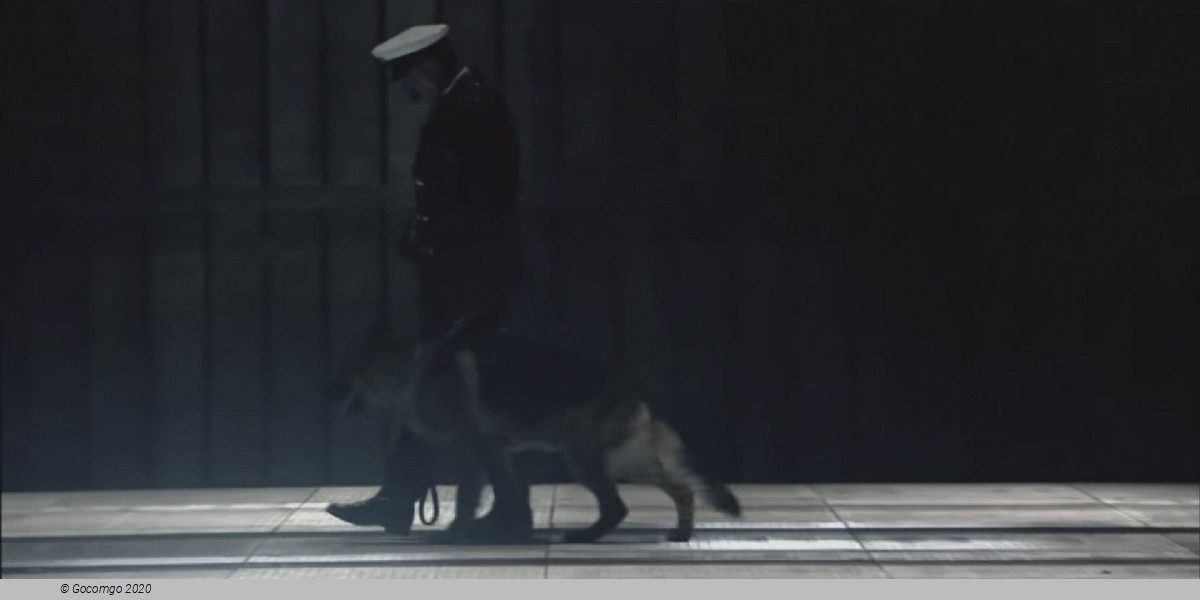
Scene 7. The police station. The constable is complaining that “They pay us most unfairly and good bribes are rarely offered.” But he is particularly aggrieved that, contradictory to custom, he has not been invited to the Ismailovs’ house for the wedding. The Shabby Peasant’s tale thus arouses vengeful delight. The policemen rush off to the Ismailovs’.
Scene 8. The wedding feast is in full swing. Drunken guests and the priest praise the newlyweds. Katerina is envious and angry at the guests. Suddenly she sees that the cellar lock has been broken open. Seeing that the murder of Zinovy Borisovich has been discovered she decides to flee with Sergei. But too late – the police are already at the gates. In an attempt to save Sergei, Katerina takes the blame: “I, I alone, am guilty.” Sergei tries to flee with the money but is apprehended. The newlyweds are taken to prison.
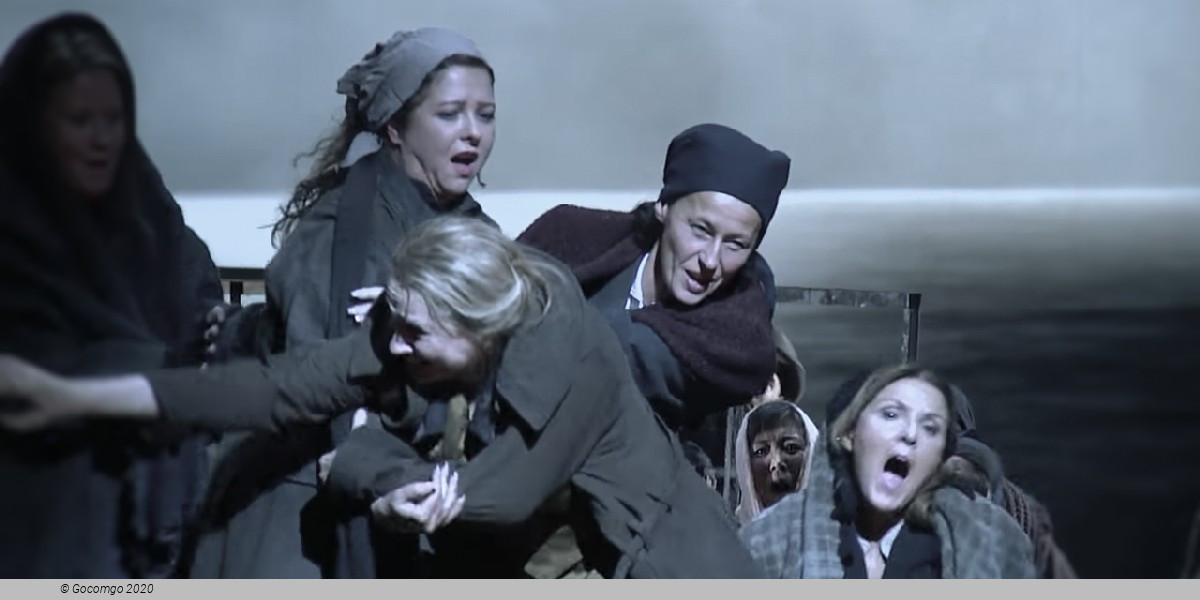
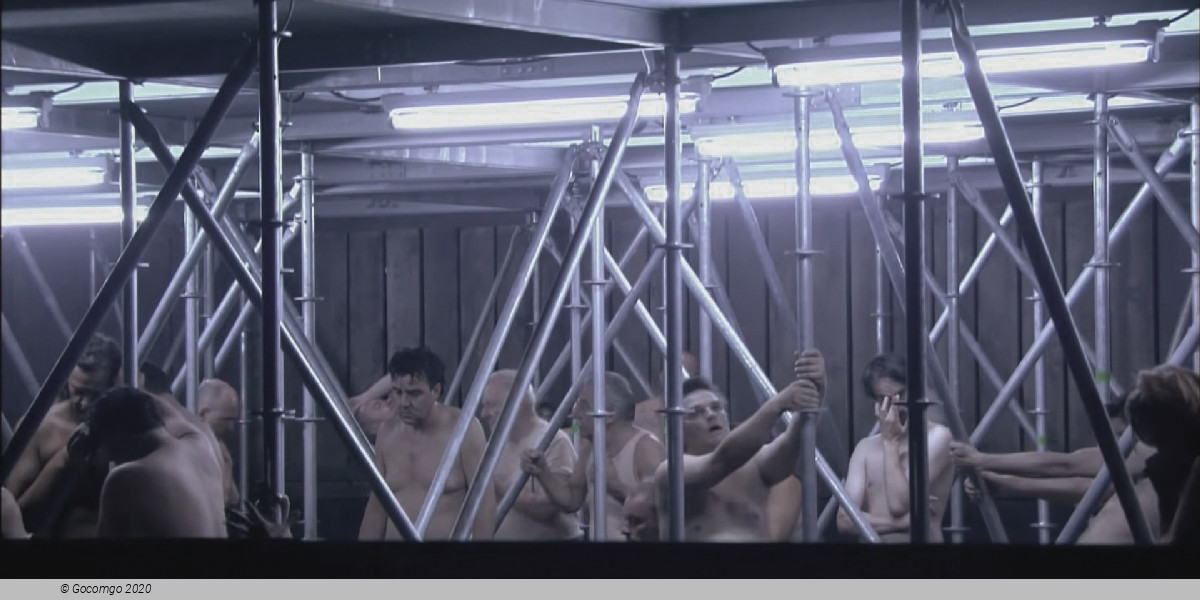
Scene 9. A group of convicts headed for Siberia has settled for the night on the banks of a river. Sergei and Katerina are among them. Now Sergei has no reason to pretend he is in love. He accuses Katerina of being the source of all his miseries and that she has brought him to this. In front of everyone he openly flirts with the young convict Sonyetka; together they poke fun at the “rich merchant’s wife”. Sergei seeks Sonyetka’s favour, but she demands a present – Katerina’s warm stockings. Sergei comes to Katerina Lvovna and tricks her into giving him the stockings by feigning sickness. The convicts roar in laughter at the abandoned Katerina.
It is time for debts to be settled. Sergei’s treachery is the last straw for Katerina: she realises the true horror of everything that has passed. Neither the drum roll reveille nor the kind words from the Old Convict can restore her energies. Death is the key to salvation…
She thrusts Sonyetka into the water and then plunges in after her. The swift current carries them both away, and the Old Convict’s bitter voice seems to hang over the surface of the river: “Oh, why is this life so dark and terrifying? Is man born for such a life?”
Although the opera shares the basic characters and outline of the play, it has a number of differences from the original story in terms of plot and emphasis. One example is in the convoy after Katerina gives Sergei her stockings: in the opera, all the women mock Katerina, whereas in the story, Sergei and Sonya mock her while Fiona and Gordyushka shame them in response to their cruelty toward her.
Act 1
Scene 1: Katerina's room
Katerina is unhappily married to Zinovy, a provincial flour-merchant. She complains to herself of her loneliness. Her father-in-law Boris, angered at her attitude in response to his saying that mushrooms are his favourite dish, says it is her fault for not producing an heir. She replies that Zinovy cannot give her a child – which Boris disdains; he then threatens her if she decides to seduce some youthful lover. Zinovy is called away on business, and Boris – against his son's inclinations – makes Katerina swear before an icon to be faithful. A servant, Aksinya, tells Katerina about the womanising new clerk, Sergei.
Scene 2: The Izmailovs' yard
Sergei and his comrades are sexually harassing Aksinya. Katerina intervenes. She berates him for his machismo and asserts that women are as brave and capable as men. Sergei is willing to prove her wrong and they wrestle; she is thrown down and Sergei falls on top of her. Boris appears. She says that she tripped and Sergei in trying to help her, fell down also. The other peasants back her up. Boris however is suspicious and roars at the peasants, telling them to get back to work before ordering Katerina to fry some mushrooms for him and threatening to tell Zinovy all about her behaviour.
Scene 3: Katerina's room
Katerina prepares to go to bed. Sergei knocks on her door with the excuse that he wants to borrow a book because he cannot sleep, but Katerina has none; she cannot read. As she is about to close the door he continues attempting to seduce her by remembering their wrestling match earlier that day. He gets into the room and forces himself on her. After this is done, she tells him to leave, but he refuses and she agrees to embark on an affair with him. Boris knocks on the door and confirms that Katerina is in bed and locks her in. Sergei is trapped in the room, and the two make love.
Act 2
Scene 4: The yard
One night a week later. Boris, unable to sleep due to unease about thieves being on the prowl, is walking in the courtyard in the pre-dawn darkness. He, remembering his own youthful days as a rake and knowing Zinovy's low libido, is considering seducing Katerina himself to fulfill his son's marital duties. He spots Sergei climbing out of Katerina's window. He catches him and publicly whips him as a burglar, then has him locked up. Katerina witnesses this but cannot stop him because she remains locked in her room. When finally she manages to climb down the eavestrough-drainpipe the other servants restrain her on Boris' order. After being exhausted by beating Sergei, Boris demands some dinner, saying that he will whip Sergei again the next day and dispatches a servant to call Zinovy back, saying that Zinovy is to be told that there's trouble at home. Katerina adds rat-poison to some mushrooms and gives them to him. As he is dying, calling for a priest, she retrieves the keys to free Sergei. The priest, called by the arriving morning shift of workers who find Boris in agony, arrives: Boris vainly tries to tell him that he was poisoned and falls back dead pointing at Katerina. Katerina, weeping crocodile tears, convinces him that Boris has accidentally eaten poisonous mushrooms and he says a prayer over Boris' body.
Scene 5: Katerina's room
Katerina and Sergei are together. Sergei querulously says that their affair will have to end due to Zinovy's impending return and wishes he and Katerina could marry – Katerina assures him that they'll marry but refuses to tell him how she'll arrange it. Sergei then falls asleep; Katerina is then tormented by Boris' ghost and cannot sleep. Later she hears Zinovy returning. He has been called back by one of the servants with the news of his father's death. Although Sergei hides, Zinovy sees Sergei's trousers and belt and guesses the truth. As he and Katerina quarrel, he whips her with the belt. Hearing Katerina's cries, Sergei emerges and confronts Zinovy, who then tries to escape and call the servants. Katerina stops Zinovy: she and Sergei then proceed to strangle Zinovy, who's finally finished off by Sergei with a blow on the head with a heavy candlestick. The lovers hide the corpse in the wine-cellar.
Act 3
Scene 6: Near the cellar
Following Zinovy's disappearance he has been presumed dead. Katerina and Sergei prepare to get married, but she is tormented by the fact that Zinovy's corpse is hidden in the wine cellar. Sergei reassures her and they leave for the wedding ceremony. A drunken peasant breaks into the cellar, finds Zinovy's body and goes to fetch the police.
Scene 7: The police station
The police are complaining about not being invited to the wedding and vainly try to distract themselves by tormenting a "nihilist" schoolteacher because of atheism when the peasant arrives and gives them the opportunity for revenge.
Scene 8: The Izmailov garden
Everyone is drunk at the wedding. Katerina sees that the cellar door is open, but the police arrive as she and Sergei are trying to escape.
Act 4
Scene 9. A temporary convict camp near a bridge
On the way to penal labour to Siberia, Katerina bribes a guard to allow her to meet Sergei. He blames her for everything. After she leaves, Sergei tries to seduce another convict, Sonyetka. She demands a pair of stockings as her price. Sergei tricks Katerina into giving him hers, whereupon he gives them to Sonyetka. Sonyetka and the other convicts taunt Katerina, who pushes Sonyetka into an icy river – also, herself, falling in. They are swept away and the convict train moves on.




 Teatralnaya Square 1