
Arena di Verona tickets 26 June 2027 - Romeo and Juliet | GoComGo.com

Romeo and Juliet

Arena di Verona, Arena, Verona, Italy
All photos (7)
Select date and time
9:15 PM
From
US$ 86

E-tickets: Print at home or at the box office of the event if so specified. You will find more information in your booking confirmation email.

You can only select the category, and not the exact seats.
If you order 2 or 3 tickets: your seats will be next to each other.
If you order 4 or more tickets: your seats will be next to each other, or, if this is not possible, we will provide a combination of groups of seats (at least in pairs, for example 2+2 or 2+3).

Important Info
Type: Ballet
City: Verona, Italy
Starts at: 21:15
Acts: 4
Intervals: 2
Duration: 2h 50min

E-tickets: Print at home or at the box office of the event if so specified. You will find more information in your booking confirmation email.

You can only select the category, and not the exact seats.
If you order 2 or 3 tickets: your seats will be next to each other.
If you order 4 or more tickets: your seats will be next to each other, or, if this is not possible, we will provide a combination of groups of seats (at least in pairs, for example 2+2 or 2+3).

Cast
Performers
Ballet company: Arena di Verona Ballet
Orchestra: Orchestra of the Arena di Verona
Creators
Composer: Sergei Prokofiev
Choreographer: Adrian Piotrovskij
Choreographer: Leonid Lavrovsky
Choreographer: Sergej Radlov
Playwright: William Shakespeare
Festival

Arena di Verona Opera Festival 2027

While the engines are revving for the 2026 Festival, next year’s program is already here! Discover the first previews of the 104th Arena di Verona Opera Festival 2027 billboard.

Overview

Ballet makes its grand return to the Arena di Verona.

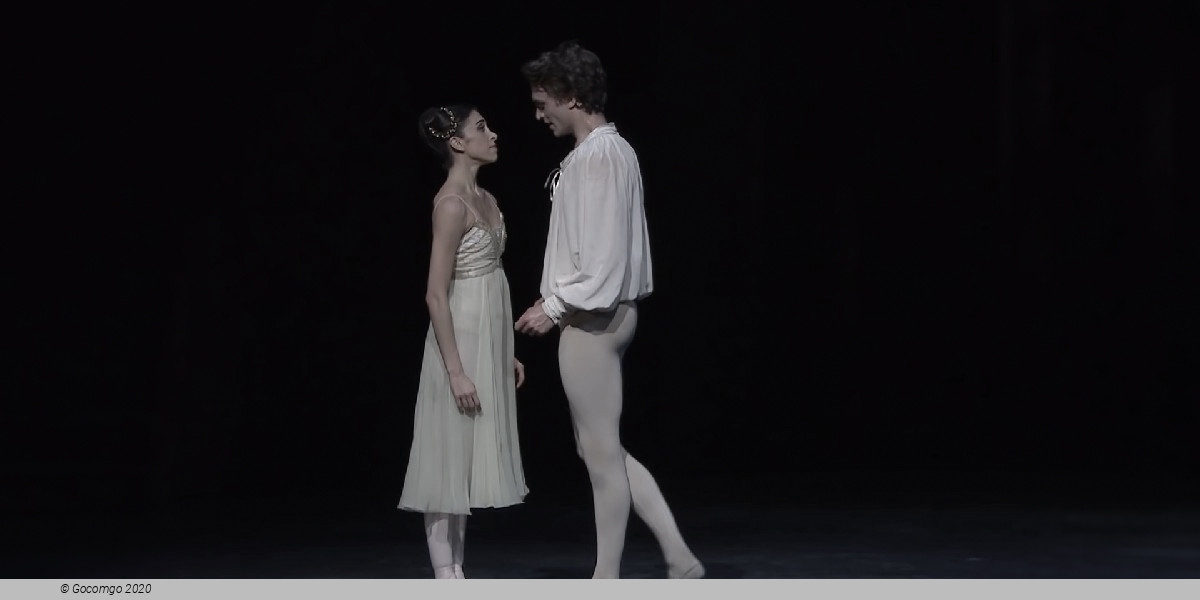
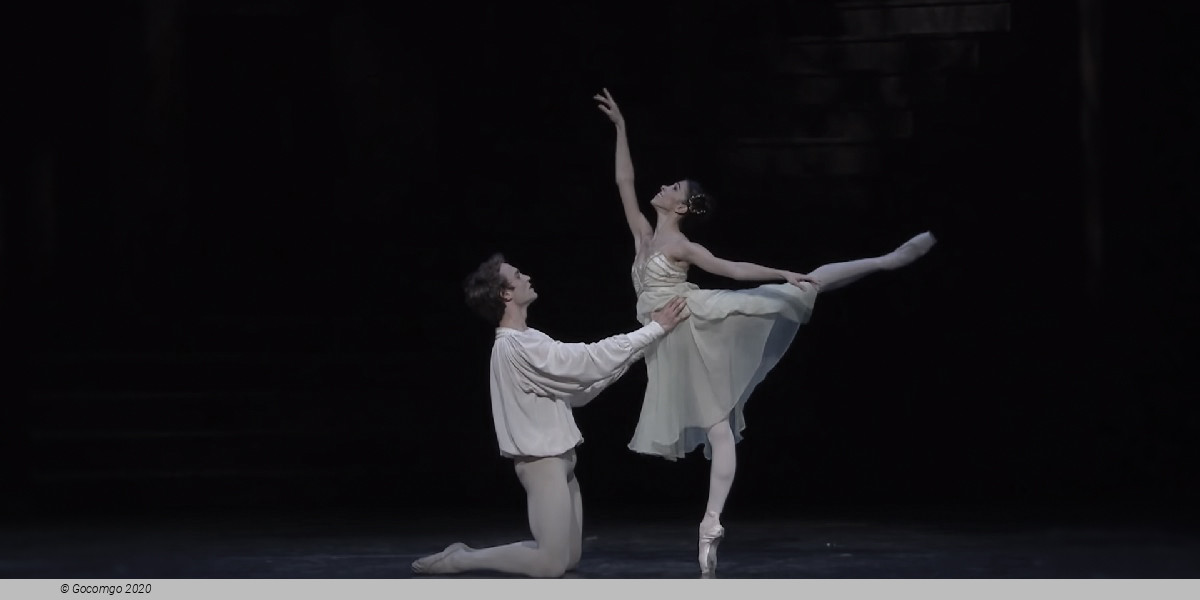
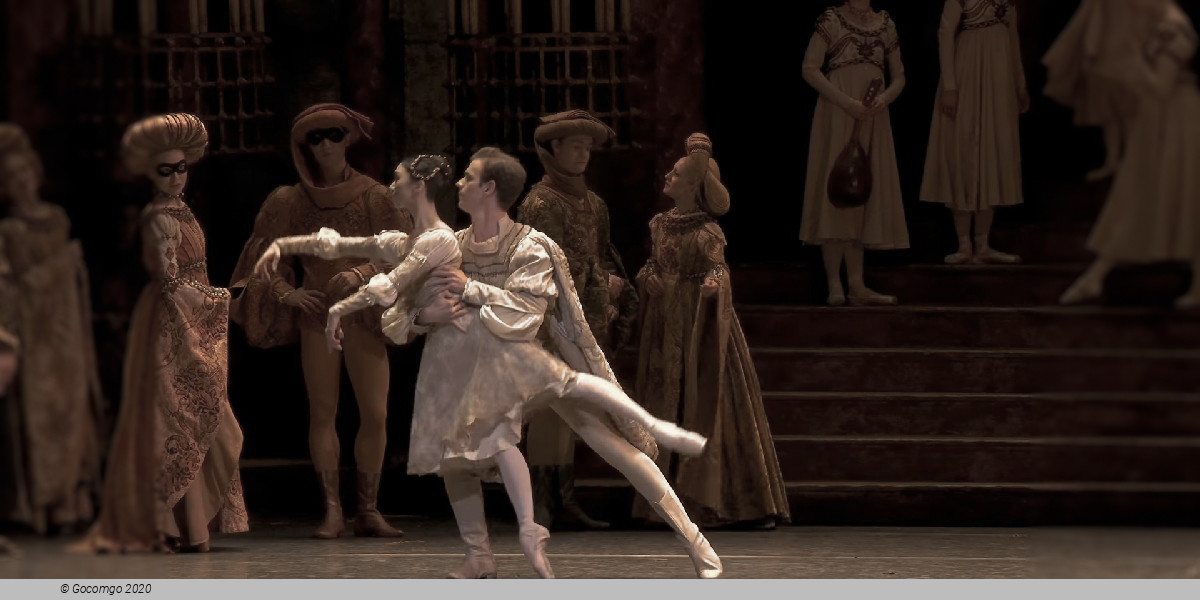
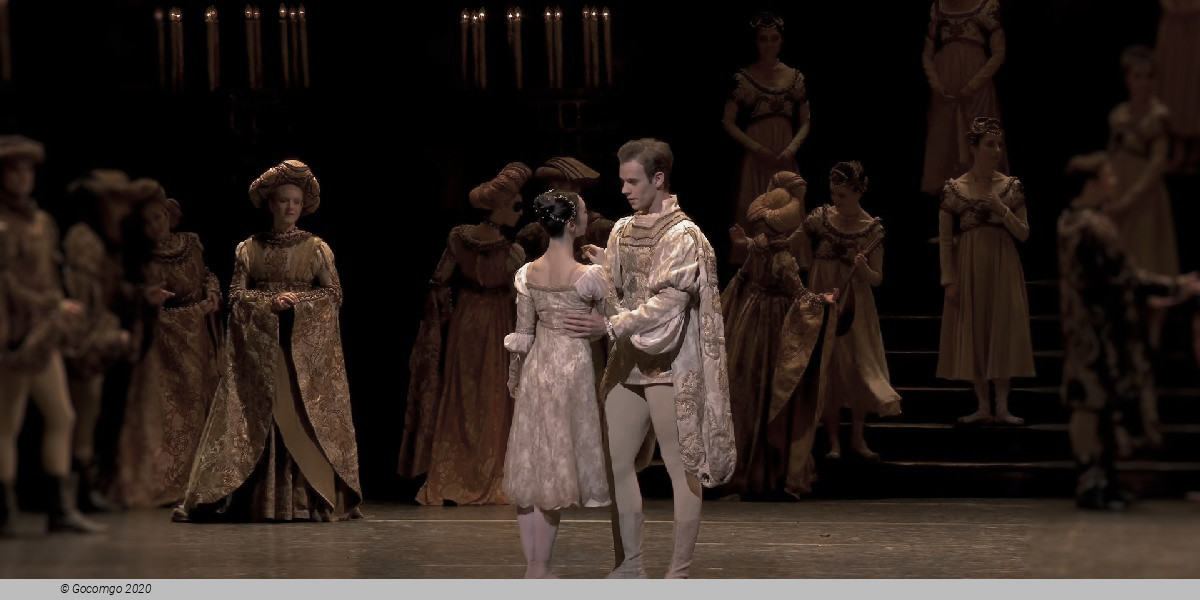
After a 34-year wait, a new production of the most famous love story of all time is on its way. Romeo and Juliet lives again in “fair Verona”, from the verses of Shakespeare to the stage, with Prokofiev’s immortal music.

An unmissable event for all ballet fans and for those seeking to discover dance in a magical setting.

In 1938, the Kirov Theater agreed to stage Sergei Prokofiev's Romeo and Juliet. Lavrovsky and Prokofiev struggled for a period over the score and libretto, Lavrovsky eventually persuading the composer to add variations for Romeo and Juliet as well as some other incidental numbers. The ballet premiered on January 11, 1940. It featured sets by Pyotr Vilyams and starred Galina Ulanova in the role of Juliet and Konstantin Sergeyev in the role of Romeo. Lavrovsky's production is widely recognized as one of the greatest examples of the drambalet genre in Soviet Theater. Lavrovsky's choreography for the ballet is highly dramatic and largely realistic, closely hewing to the motions taken by stage actors and mostly eschewing traditional ballet divertissements.

The choreographer made a meticulous study of Veronese archives, medieval novels and descriptions of early dances. For his principal expressive means he chose dramatically vivid pantomime dance. Swearing allegiance to the spirit of Shakespeare, Lavrovsky demanded the removal of all radical elements from the libretto in addition to expanding several parts and augmenting the orchestration. Prokofiev resisted the changes even after the premiere.
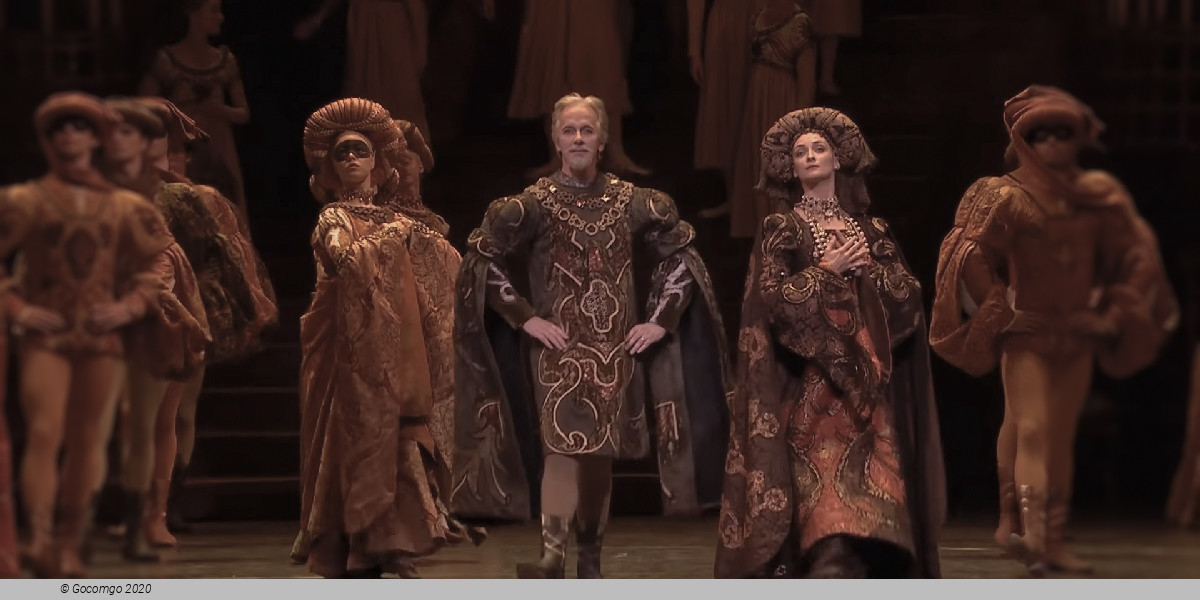
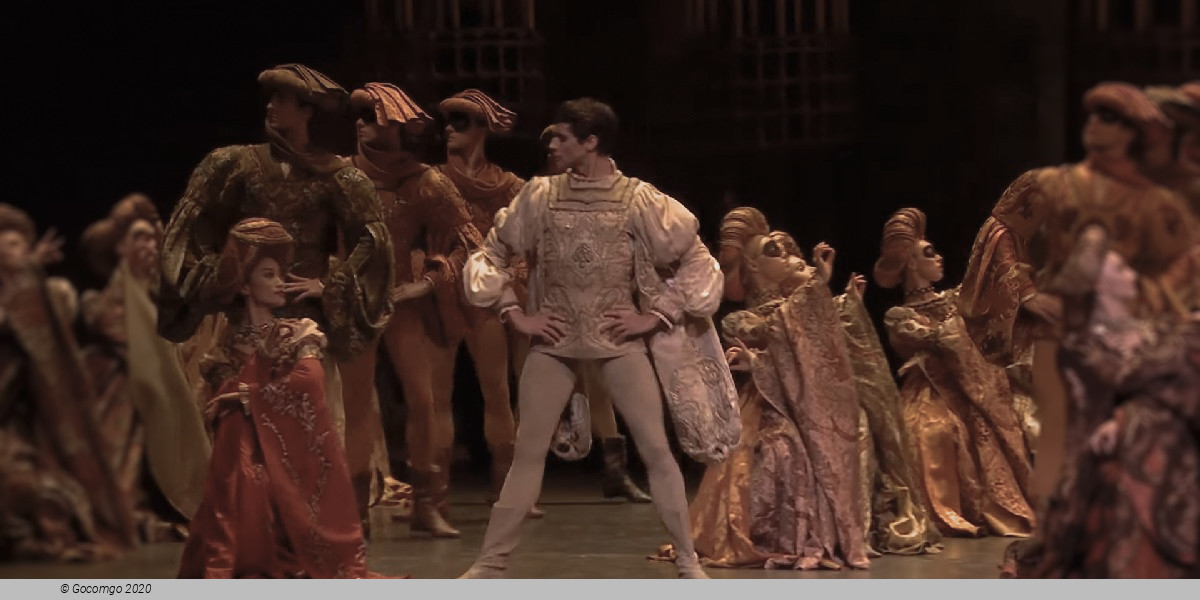
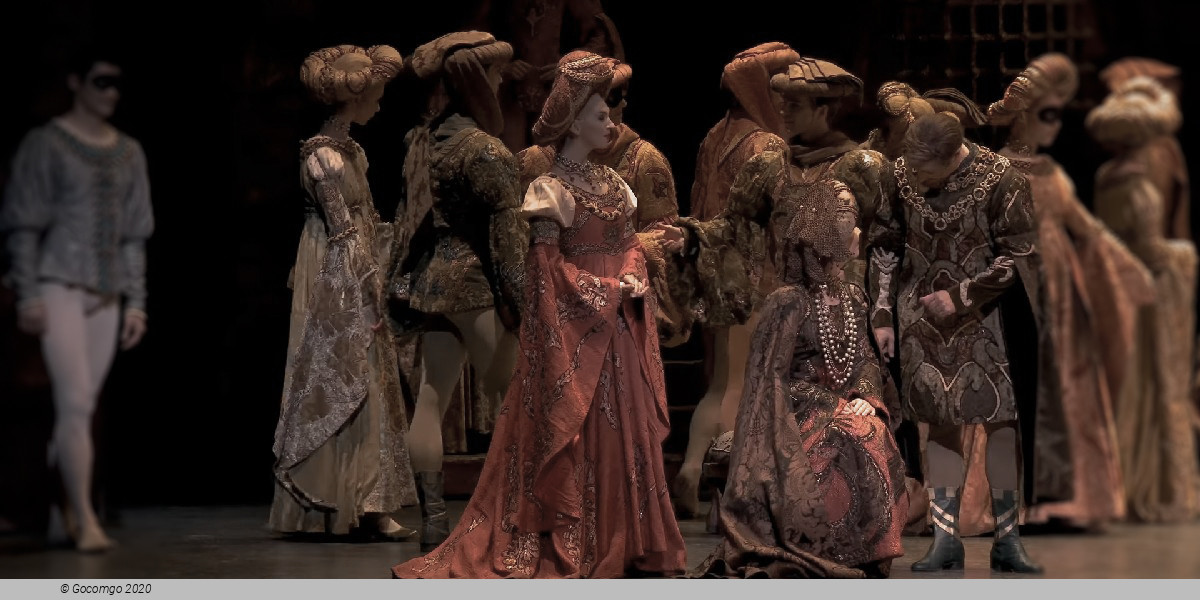
The production was designed by Pyotr Williams, one of the finest theatre designers of the age. Williams’ Italy arbitrarily combined heterogeneous elements of the Renaissance: on the squares of Verona there was the cupola of Santa Maria del Fiore and in the costume sketches one could find traces of portraits by Botticelli and Cranach the Elder. Verona literally moved to the expanses of Leningrad: many columnists noted the restrained and not remotely southern flavour of the production.

History
Premiere of this production: 30 November 1937, Mahen Theatre, Brno

Romeo and Juliet is a ballet by Sergei Prokofiev based on William Shakespeare's play Romeo and Juliet. Prokofiev reused music from the ballet in three suites for orchestra and a solo piano work.

Venue Info

Arena di Verona - Verona
Location   Piazza Bra, 1

Arena di Verona - the name by which the ancient Roman amphitheater is known, built in Verona around 30 ad. Arena di Verona is a world-famous concert venue. The amphitheatre in Verona is the fourth largest among similar Roman buildings in Italy (after the Colosseum, the amphitheatre in Santa Maria Capua vetera and the amphitheatre in Pozzuoli). One of the best preserved buildings of this type. In 2000, as part of other historical monuments of Verona, the amphitheater was included in the world heritage list. Arena di Verona located on the main square of the city — Piazza Bra.

History of the amphitheater

The amphitheatre was built about 30 years for holding Gladiator fights, naval battles (of navlakhi) and circus performances. After the earthquake of 1117, which almost completely destroyed the outer ring of the amphitheater, it was used as a source of stone for other buildings. In the Middle ages in its arena burned heretics, organized tournaments, festivals, and in the XVIII—XIX centuries — bullfights.

Since 1913, the amphitheater has become a regular venue for Opera performances.

The architecture of the amphitheatre

The building was built outside the city limits and consisted of four elliptical rings (inner axis 44,43 and 73,68 meter; external (including unpreserved fourth ring) — 109,52 and is 138,77 m). The original facade was faced with white and pink limestone from Valpolicella. The preserved facade of the amphitheater is made of stone, cement, river pebbles and pieces of brick.

Inside the amphitheater is completely preserved Cavea. The structure was designed for more than 30,000 spectators, the seats are made according to the Greek custom in the form of marble stairs in 44 tiers.

Opera production

The amphitheater is known for its Opera and concert performances held in it. It is the largest Opera concern in the world, receiving up to 600,000 spectators a year.

Due to the exceptional acoustics of the building, its use was resumed in 1913. To mark the centenary of Giuseppe Verdi, the Opera singer and impresario Giovanni Zenatello and his colleague Ottone Rovato staged the Opera Aida here. Since then, the festival has been held more than 70 times, eventually becoming an annual event.

Nowadays, there are usually four different stage productions each year between June and August. In mid-July, performances are given almost every day. During the winter months, Opera and ballet are performed at the

Philharmonic theatre.

Seats on the stone steps of the amphitheater are much cheaper than specially installed chairs at the bottom. After sunset, candles are lit. The capacity of the arena for Opera performances until recently was 20,000 guests, but for security reasons it is reduced to 15,000.

The arena has become a venue for performances of many world Opera celebrities. It was here that Maria Callas made her debut on the Italian stage, singing Gioconda in Ponchielli's Opera of The same name in the Arena in 1947. In addition to Callas, Giuseppe di Stefano, Tito Gobbi, Luciano Pavarotti, Placido Domingo, Renata Tebaldi, Anatoly Solovyanenko, Vladimir Atlantov, Evgeny Nesterenko, Christian Johansson, and many other performers took part in the festival in different years.

The operas were staged by conductors such as Donato Renzetti, M. Eklund, Z. Peshko and others.

Among the variety performers, the most famous concert was presented by singer Adriano Celentano in 2012, who performed his main songs for two evenings. Tickets for both concerts were sold out in 30 minutes, with a total of more than 30,000 people attending the amphitheater. The concert was a significant event not only for Verona, but also for the whole of Italy.

Important Info
Type: Ballet
City: Verona, Italy
Starts at: 21:15
Acts: 4
Intervals: 2
Duration: 2h 50min
Top of page