
Arena di Verona tickets 9 July 2027 - Carmen | GoComGo.com

Carmen

Arena di Verona, Arena, Verona, Italy
All photos (25)
Select date and time
9:15 PM
From
US$ 104

E-tickets: Print at home or at the box office of the event if so specified. You will find more information in your booking confirmation email.

You can only select the category, and not the exact seats.
If you order 2 or 3 tickets: your seats will be next to each other.
If you order 4 or more tickets: your seats will be next to each other, or, if this is not possible, we will provide a combination of groups of seats (at least in pairs, for example 2+2 or 2+3).

Important Info
Type: Opera
City: Verona, Italy
Starts at: 21:15
Acts: 4
Intervals: 2
Duration: 3h 45min
Sung in: French
Titles in: Italian,English

E-tickets: Print at home or at the box office of the event if so specified. You will find more information in your booking confirmation email.

You can only select the category, and not the exact seats.
If you order 2 or 3 tickets: your seats will be next to each other.
If you order 4 or more tickets: your seats will be next to each other, or, if this is not possible, we will provide a combination of groups of seats (at least in pairs, for example 2+2 or 2+3).

Cast
Performers
Chorus: Chorus of the Arena di Verona
Ballet company: Compañía Antonio Gades
Orchestra: Orchestra of the Arena di Verona
Creators
Composer: Georges Bizet
Stage Director: Franco Zeffirelli
Librettist: Henri Meilhac
Librettist: Ludovic Halévy
Author: Prosper Mérimée
Festival

Arena di Verona Opera Festival 2027

While the engines are revving for the 2026 Festival, next year’s program is already here! Discover the first previews of the 104th Arena di Verona Opera Festival 2027 billboard.

Overview

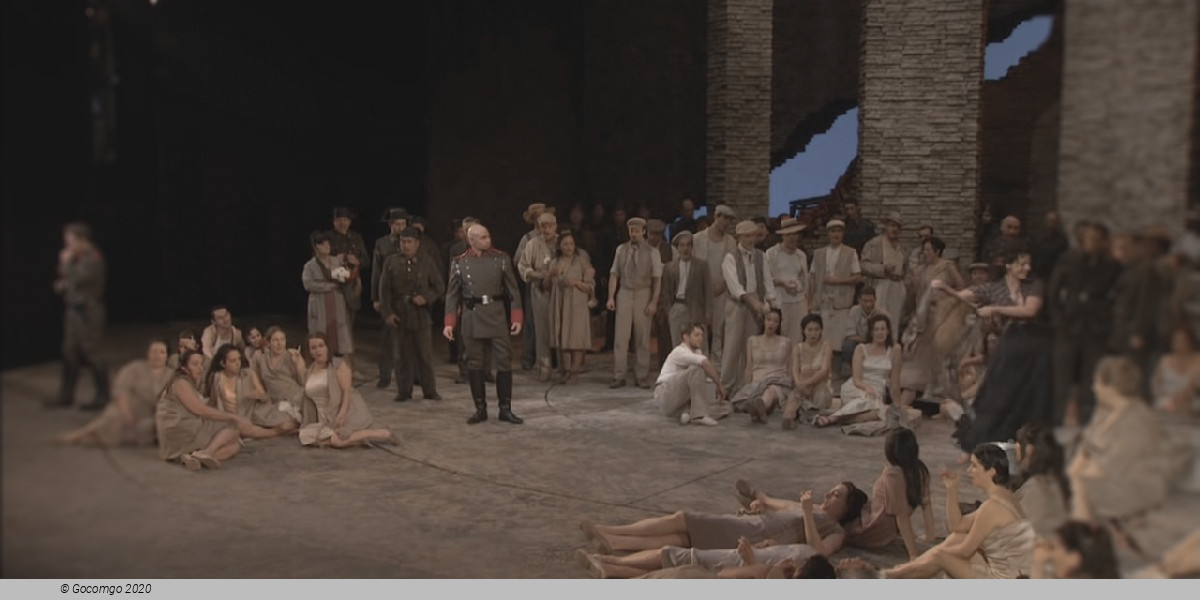
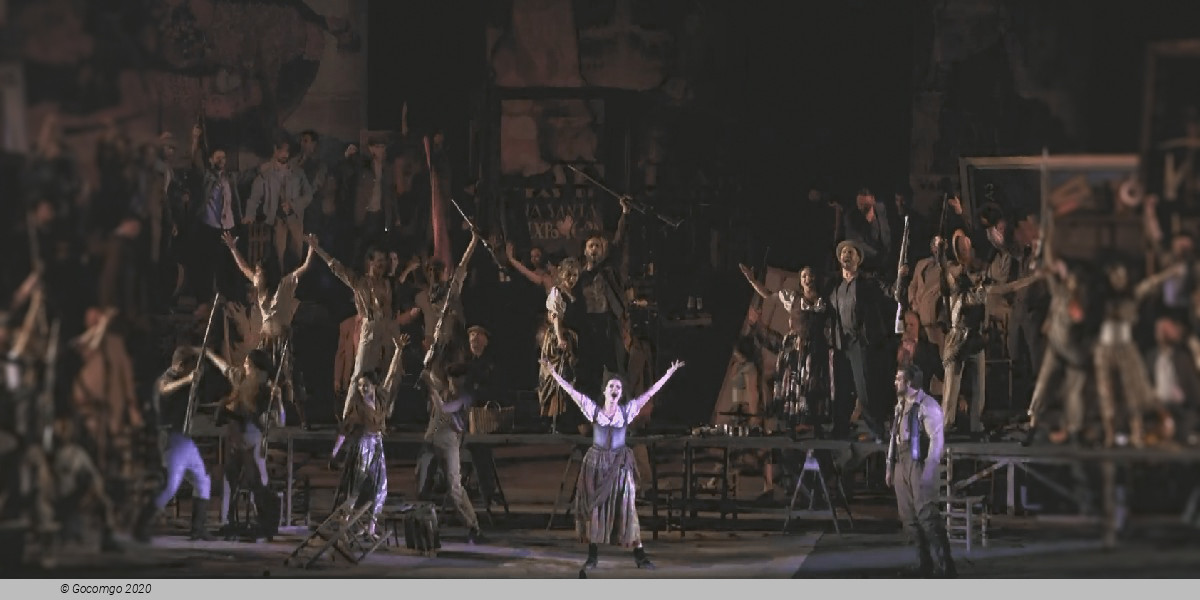
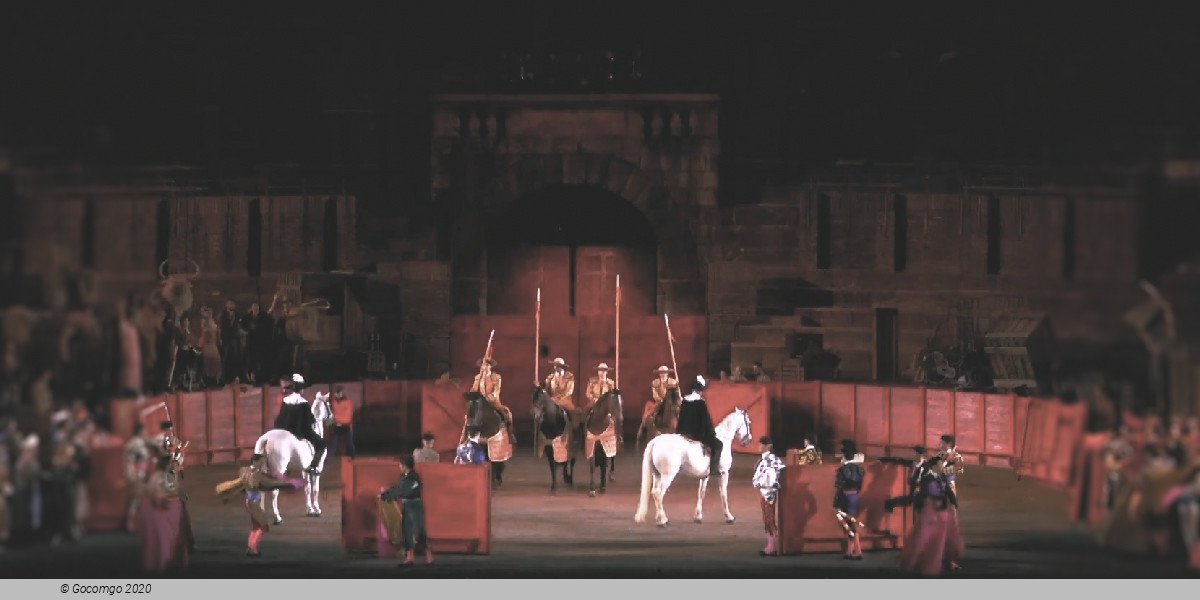
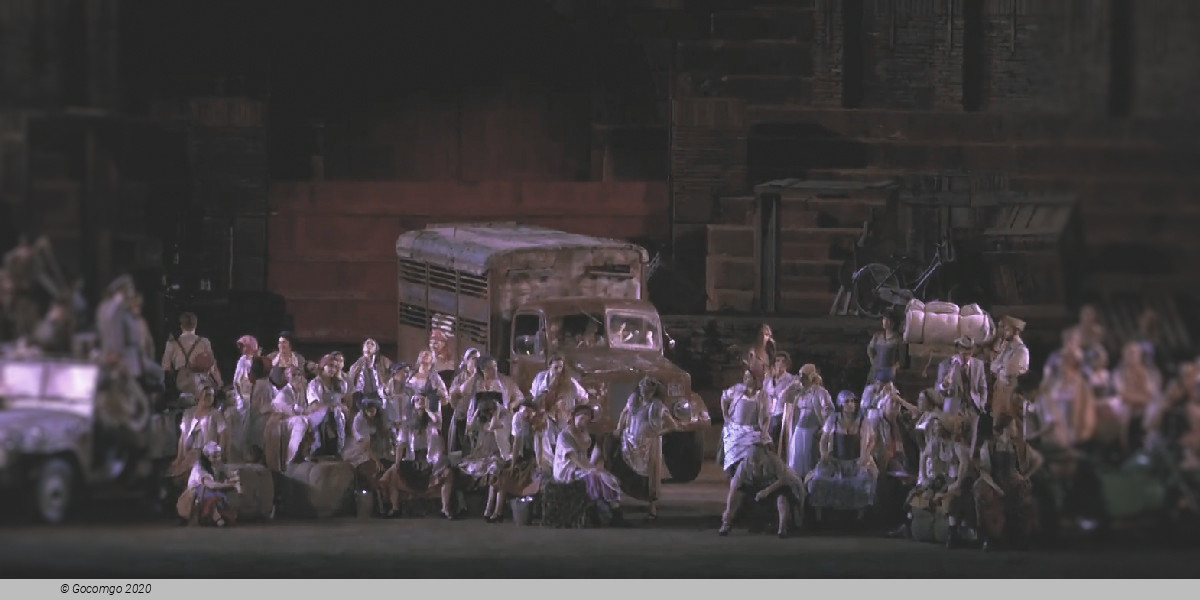
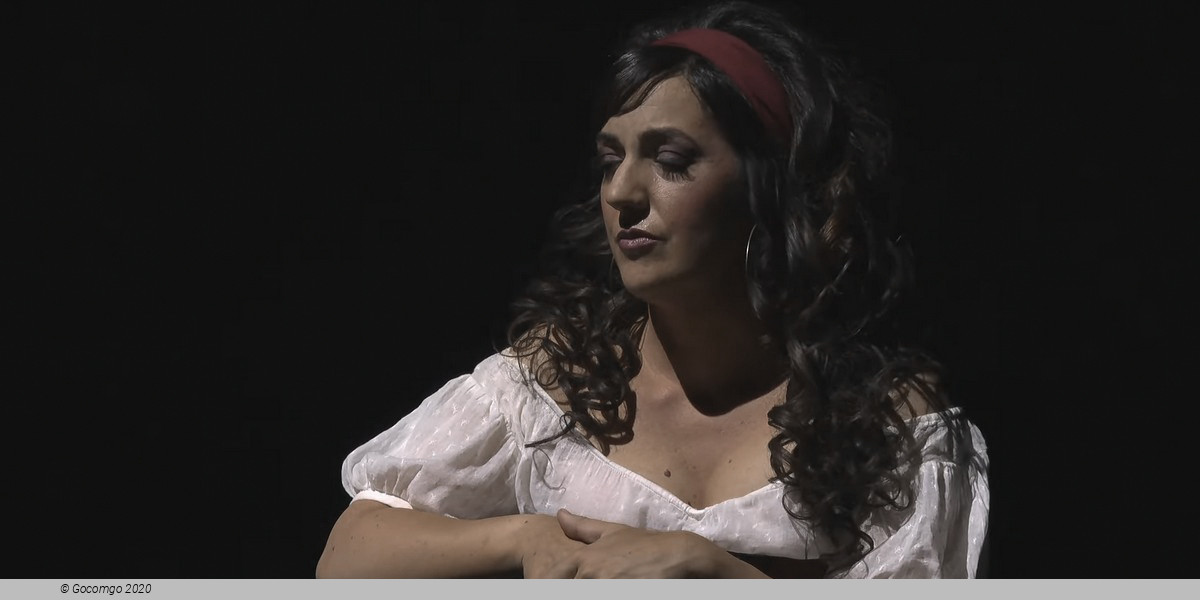
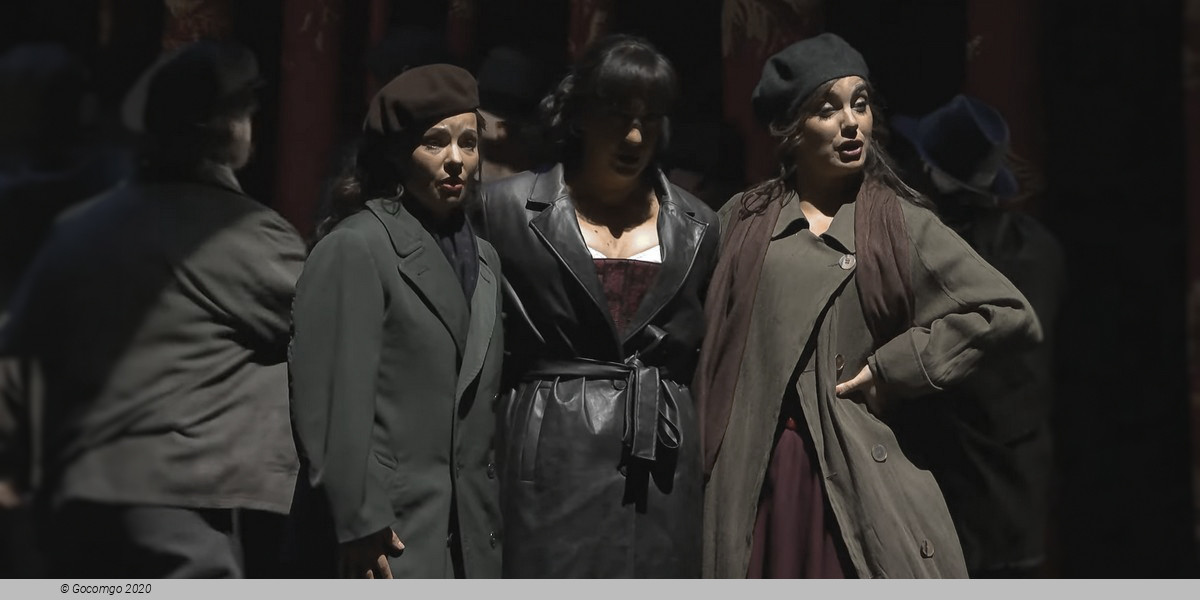
Carmen returns to the Arena in Franco Zeffirelli's ‘colossal’ staging, with a bustling, colourful and truer-than-life Seville. Carmen is a masterpiece that has changed the history of music, opera and, over time, society itself. Through its music, realism and the legendary protagonist, willing to die to defend her freedom.

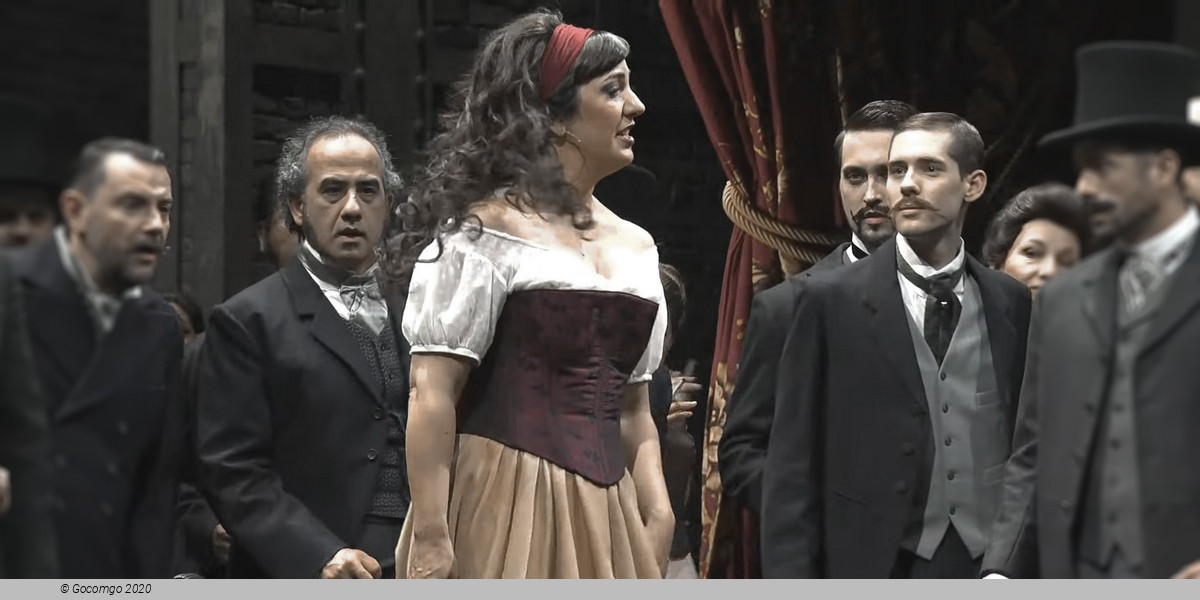
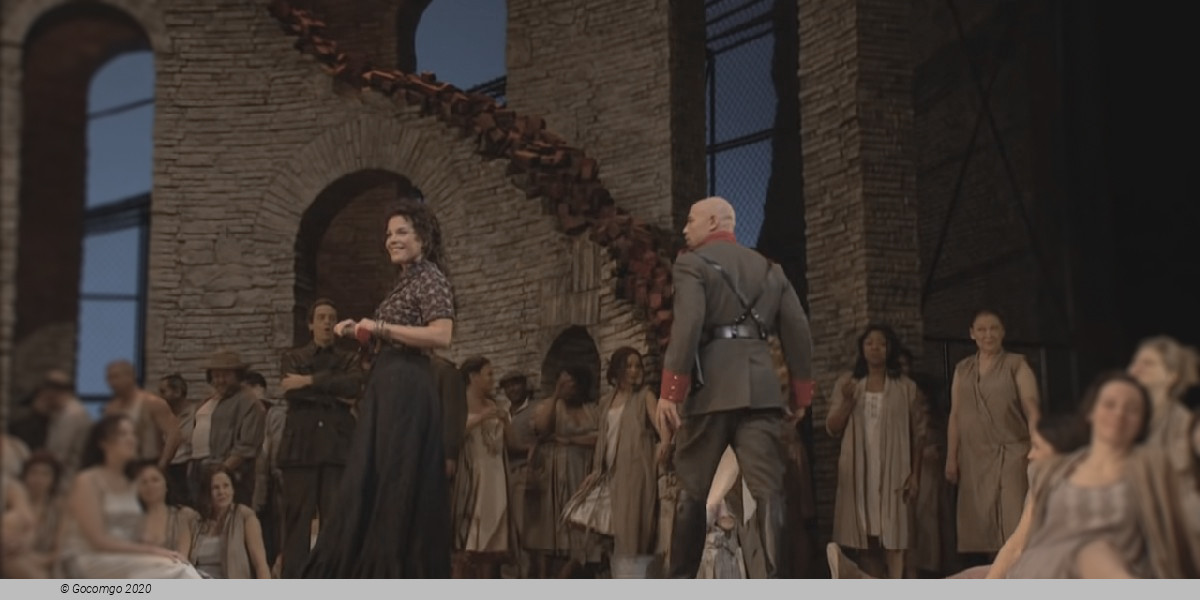
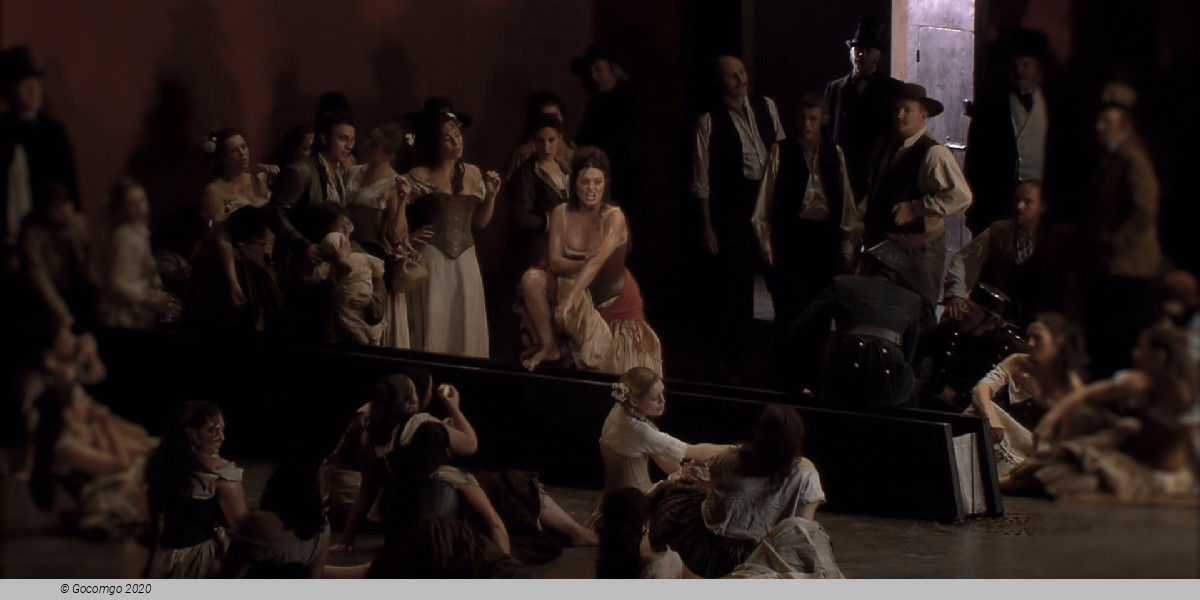
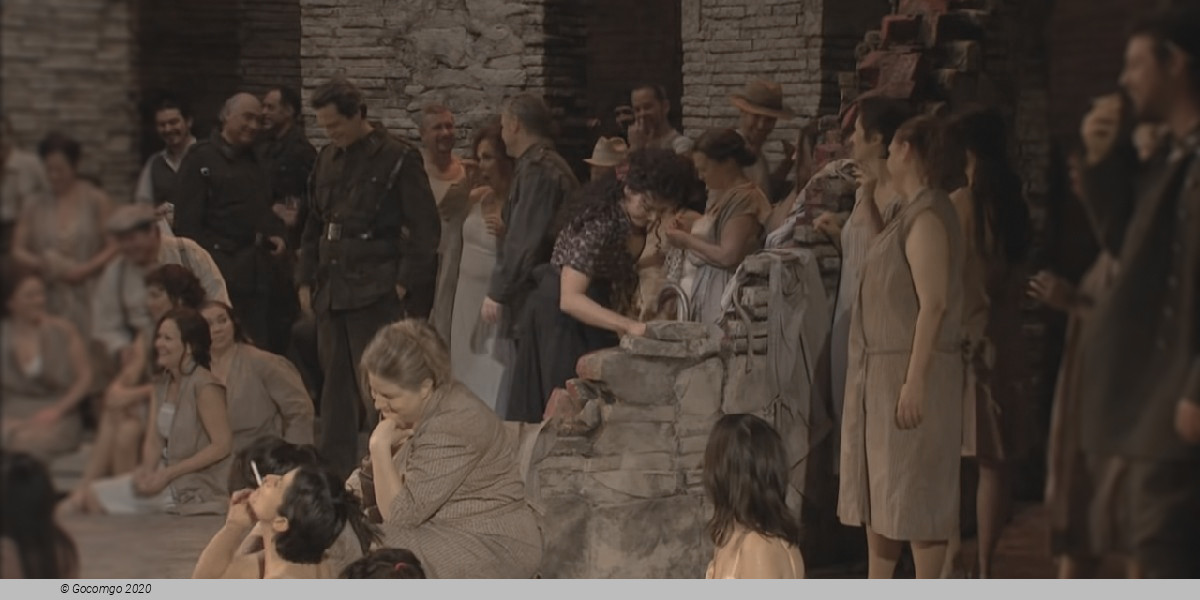
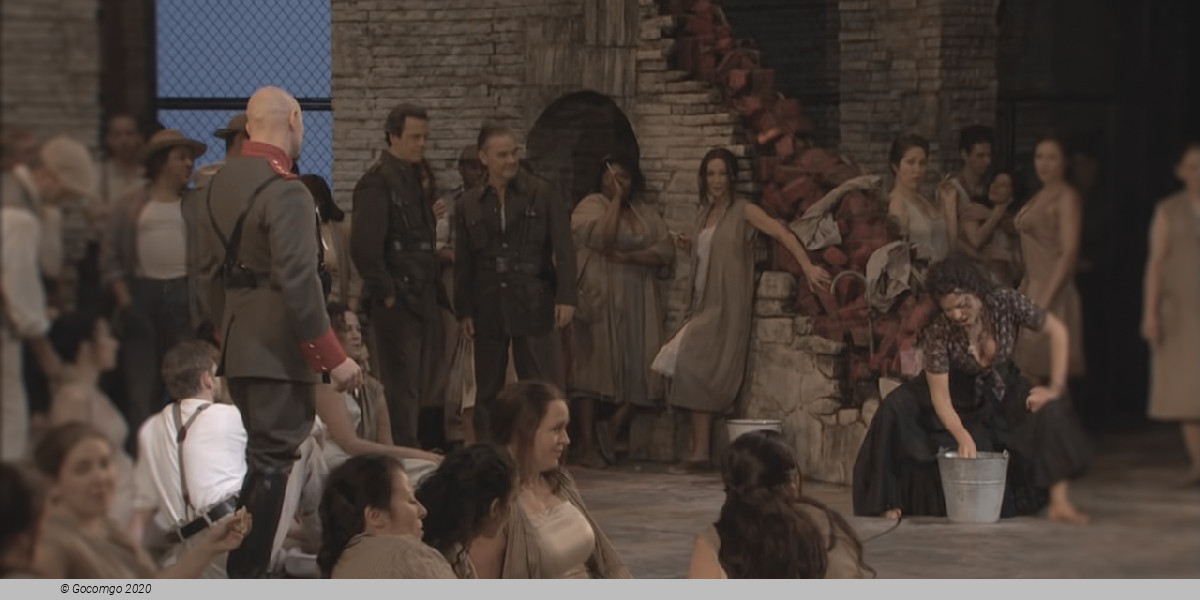
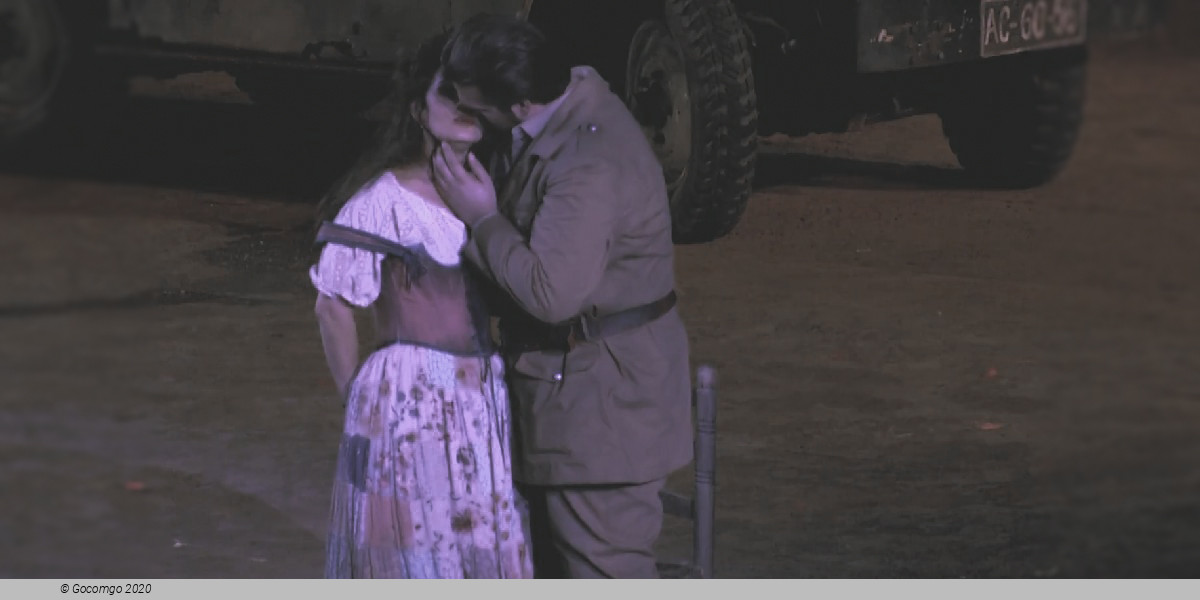
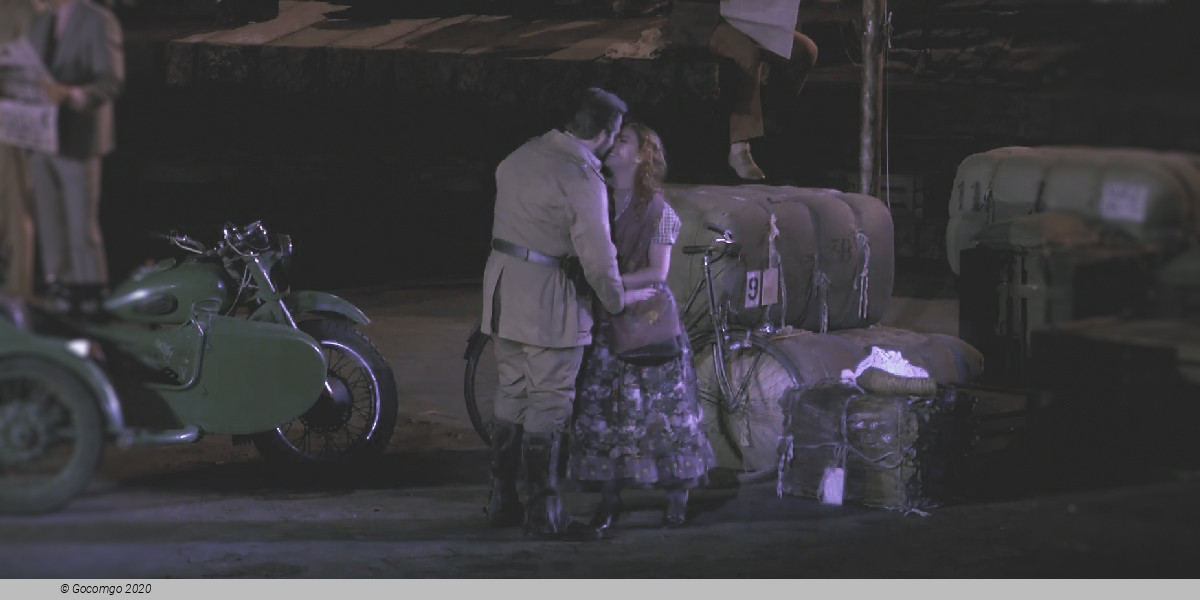
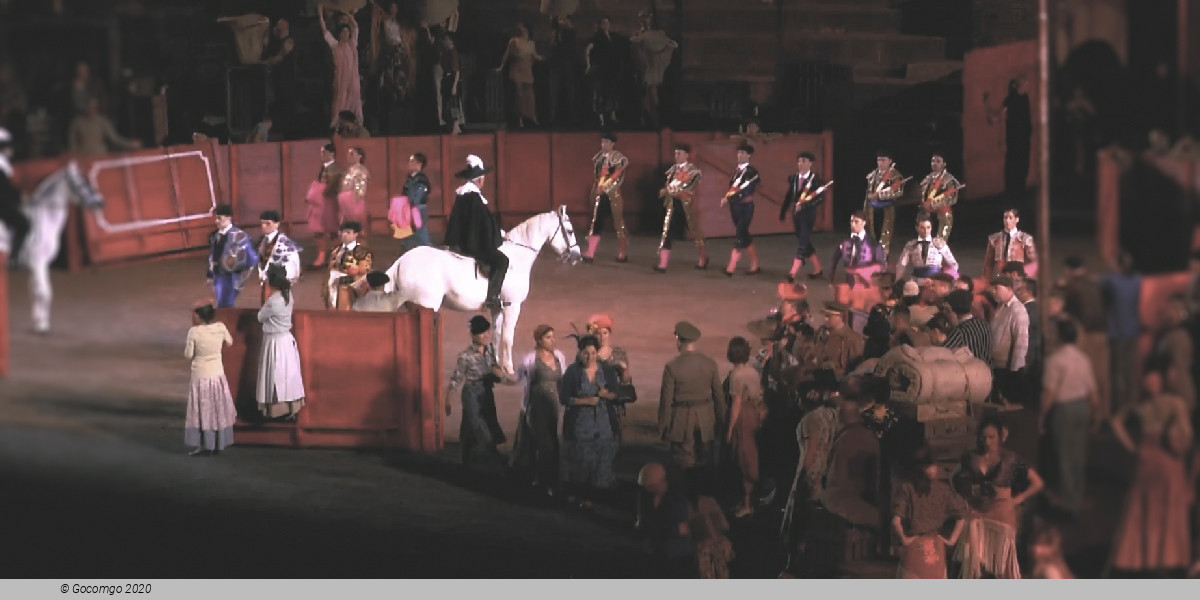
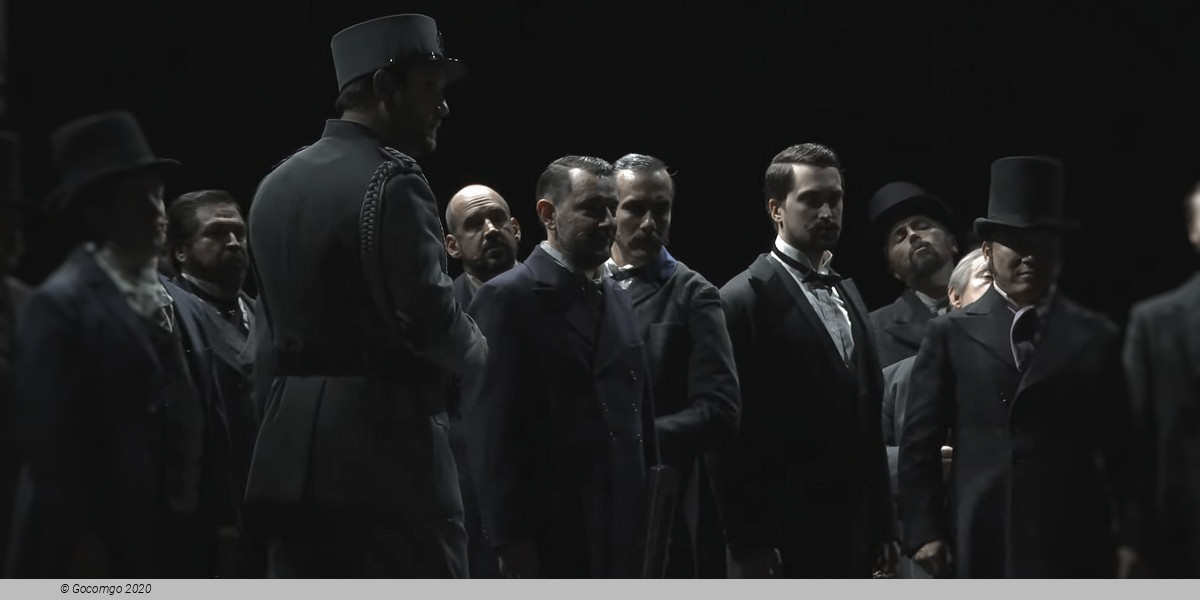
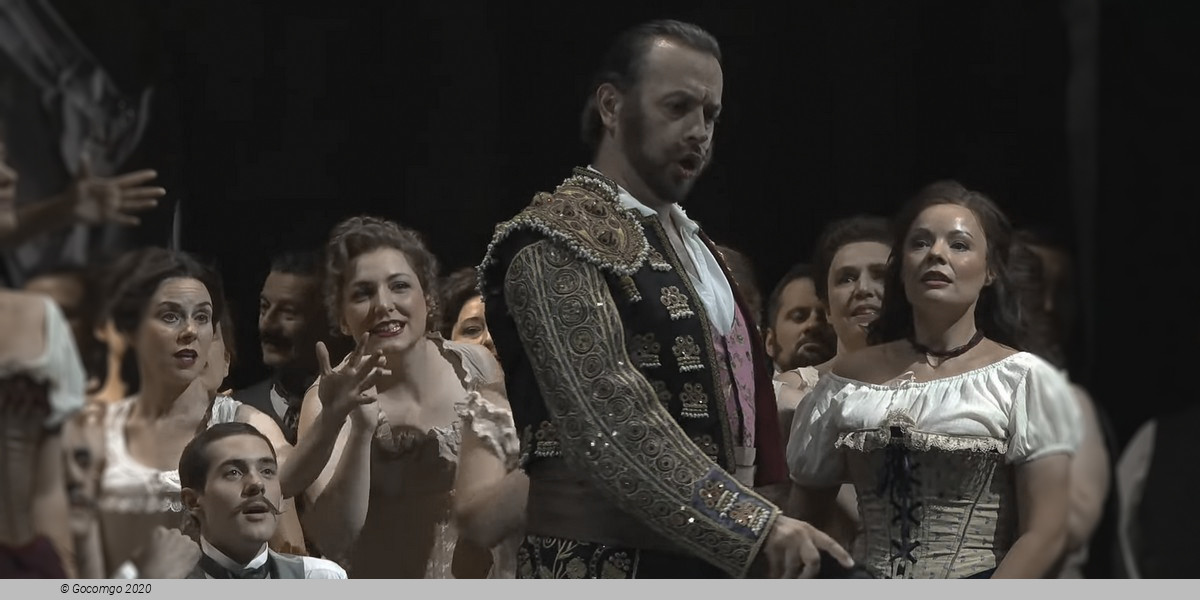
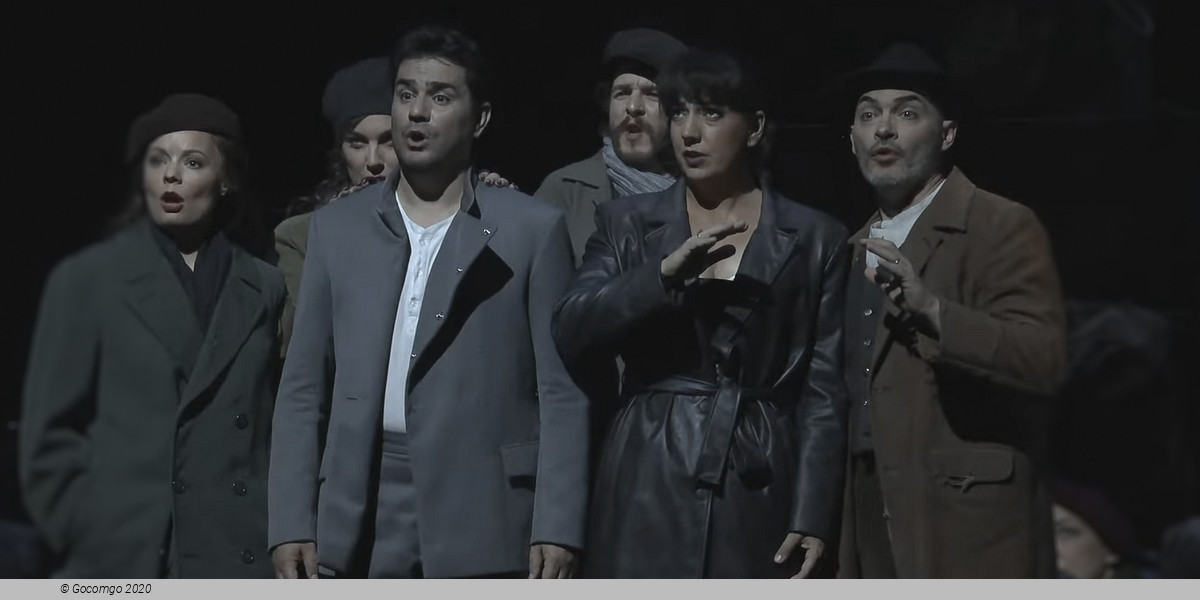
The Carmen by Georges Bizet in the legendary production which was in fact the 1995 Arena debut at the amphitheatre of Franco Zeffirelli, and will be proposed in the best synthesis of the various editions staged at the Arena di Verona, narrating the strongest passion with the background of a multi-coloured Seville teeming with life, and featuring convincing realism with a cinematographic slant.

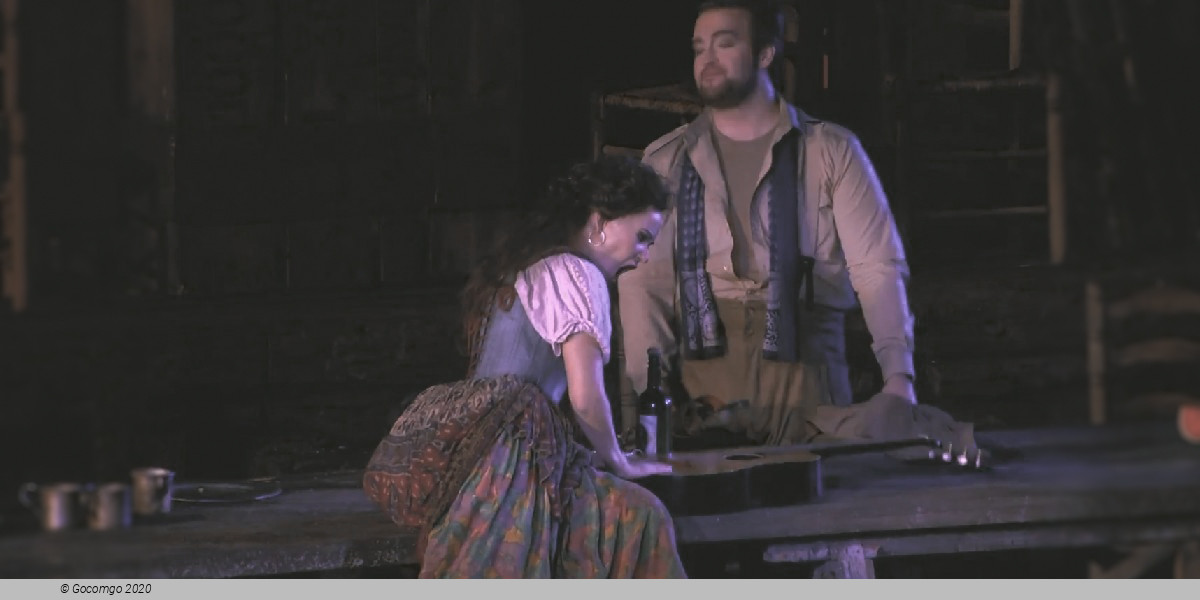
Despite his engagement to the local girl Micaela, the soldier Don José becomes infatuated with the rebellious Carmen, whom he arrests and later abandons. However, her unyielding spirit and unfettered independence clash with his traditional values, fuelling jealousy. The tragic climax occurs when Carmen crosses paths with the renowned bullfighter Escamillo.

With the extraordinary participation of Compañia Antonio Gades.

History
Premiere of this production: 03 March 1875, Opéra-Comique, Paris

Carmen is an opera in four acts by French composer Georges Bizet. The libretto was written by Henri Meilhac and Ludovic Halévy, based on a novella of the same title by Prosper Mérimée. The opera was first performed by the Opéra-Comique in Paris on 3 March 1875, where its breaking of conventions shocked and scandalized its first audiences.

Synopsis

Place: Seville, Spain, and surrounding hills
Time: Around 1820

Act 1

A square, in Seville. On the right, a door to the tobacco factory. At the back, a bridge. On the left, a guardhouse.

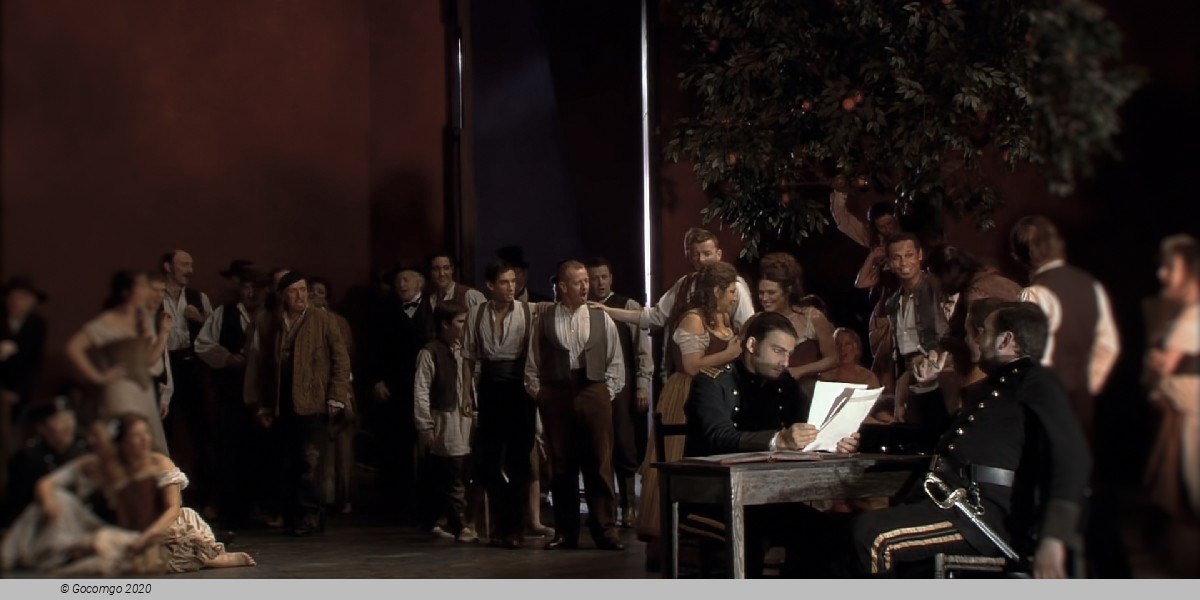
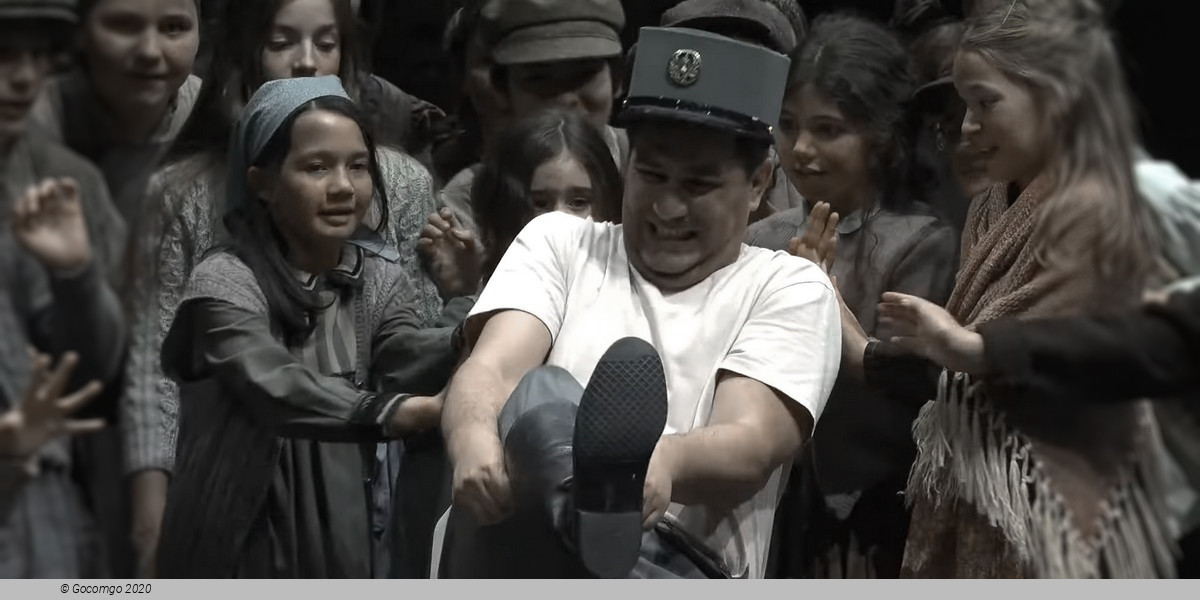
A group of soldiers relaxes in the square, waiting for the changing of the guard and commenting on the passers-by ("Sur la place, chacun passe"). Micaëla appears, seeking José. Moralès tells her that "José is not yet on duty" and invites her to wait with them. She declines, saying she will return later. José arrives with the new guard, who is greeted and imitated by a crowd of urchins ("Avec la garde montante").

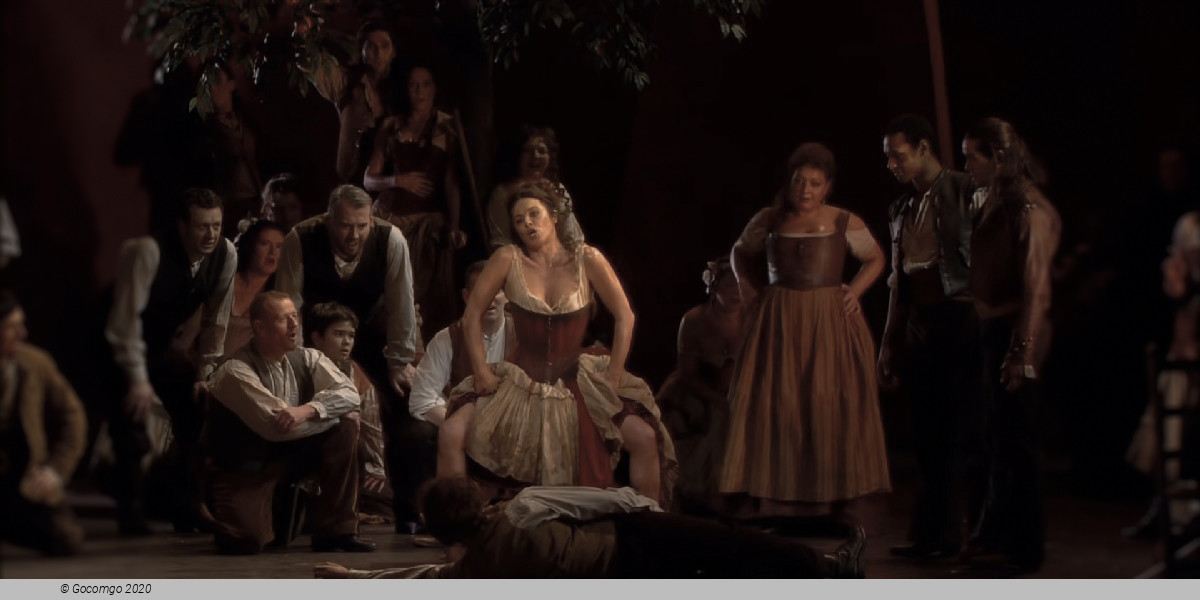
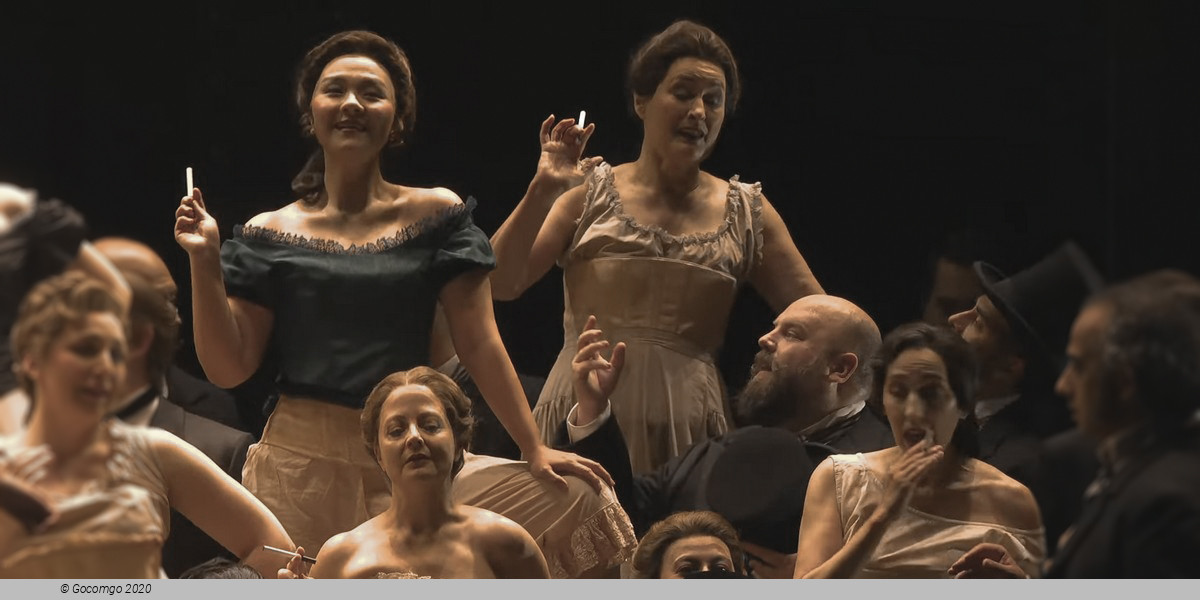
As the factory bell rings, the cigarette girls emerge and exchange banter with young men in the crowd ("La cloche a sonné"). Carmen enters and sings her provocative habanera on the untameable nature of love ("L'amour est un oiseau rebelle"). The men plead with her to choose a lover, and after some teasing she throws a flower to Don José, who thus far has been ignoring her but is now annoyed by her insolence.

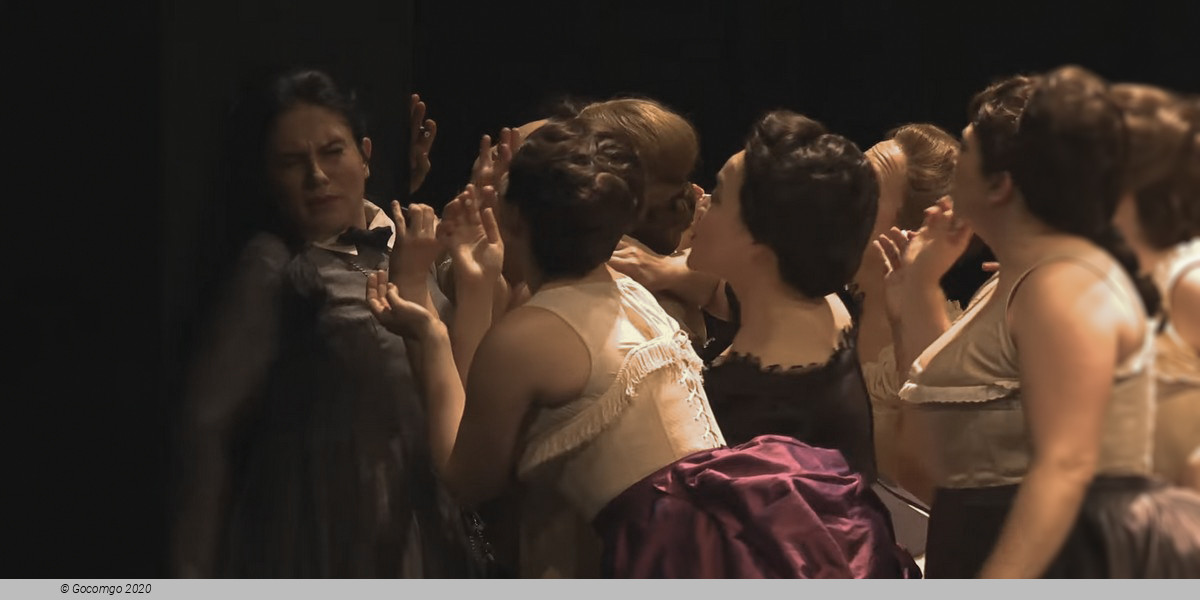
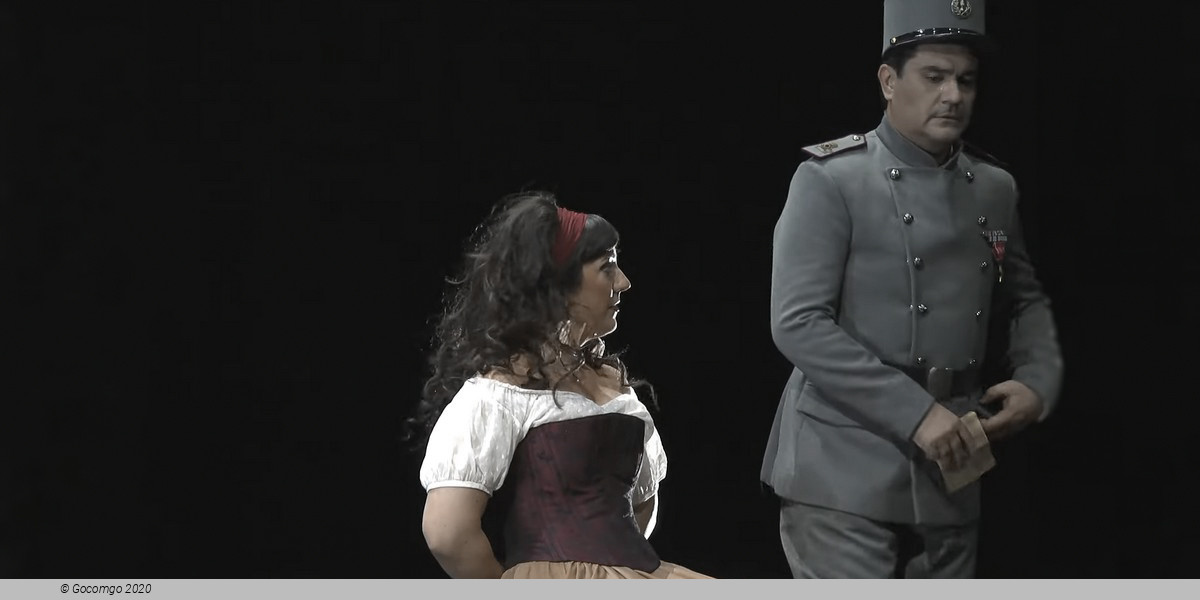
As the women go back to the factory, Micaëla returns and gives José a letter and a kiss from his mother ("Parle-moi de ma mère!"). He reads that his mother wants him to return home and marry Micaëla, who retreats in shy embarrassment on learning this. Just as José declares that he is ready to heed his mother's wishes, the women stream from the factory in great agitation. Zuniga, the officer of the guard, learns that Carmen has attacked a woman with a knife. When challenged, Carmen answers with mocking defiance ("Tra la la... Coupe-moi, brûle-moi"); Zuniga orders José to tie her hands while he prepares the prison warrant. Left alone with José, Carmen beguiles him with a seguidilla, in which she sings of a night of dancing and passion with her lover—whoever that may be—in Lillas Pastia's tavern. Confused yet mesmerised, José agrees to free her hands; as she is led away she pushes her escort to the ground and runs off laughing. José is arrested for dereliction of duty.

Act 2

Lillas Pastia's Inn

Two months have passed. Carmen and her friends Frasquita and Mercédès are entertaining Zuniga and other officers ("Les tringles des sistres tintaient") in Pastia's inn. Carmen is delighted to learn of José's release from two months' detention. Outside, a chorus and procession announces the arrival of the toreador Escamillo ("Vivat, vivat le Toréro"). Invited inside, he introduces himself with the "Toreador Song" ("Votre toast, je peux vous le rendre") and sets his sights on Carmen, who brushes him aside. Lillas Pastia hustles the crowds and the soldiers away.

When only Carmen, Frasquita and Mercédès remain, smugglers Dancaïre and Remendado arrive and reveal their plans to dispose of some recently acquired contraband ("Nous avons en tête une affaire"). Frasquita and Mercédès are keen to help them, but Carmen refuses, since she wishes to wait for José. After the smugglers leave, José arrives. Carmen treats him to a private exotic dance ("Je vais danser en votre honneur ... La la la"), but her song is joined by a distant bugle call from the barracks. When José says he must return to duty, she mocks him, and he answers by showing her the flower that she threw to him in the square ("La fleur que tu m'avais jetée"). Unconvinced, Carmen demands he show his love by leaving with her. José refuses to desert, but as he prepares to depart, Zuniga enters looking for Carmen. He and José fight, and are separated by the returning smugglers, who restrain Zuniga. Having attacked a superior officer, José now has no choice but to join Carmen and the smugglers ("Suis-nous à travers la campagne").

Act 3

A wild spot in the mountains

Carmen and José enter with the smugglers and their booty ("Écoute, écoute, compagnons"); Carmen has now become bored with José and tells him scornfully that he should go back to his mother. Frasquita and Mercédès amuse themselves by reading their fortunes from the cards; Carmen joins them and finds that the cards are foretelling her death, and José's. The women depart to suborn the customs officers who are watching the locality. José is placed on guard duty.

Micaëla enters with a guide, seeking José and determined to rescue him from Carmen ("Je dis que rien ne m'épouvante"). On hearing a gunshot she hides in fear; it is José, who has fired at an intruder who proves to be Escamillo. José's pleasure at meeting the bullfighter turns to anger when Escamillo declares his infatuation with Carmen. The pair fight ("Je suis Escamillo, toréro de Grenade"), but are interrupted by the returning smugglers and girls ("Holà, holà José"). As Escamillo leaves he invites everyone to his next bullfight in Seville. Micaëla is discovered; at first, José will not leave with her despite Carmen's mockery, but he agrees to go when told that his mother is dying. As he departs, vowing he will return, Escamillo is heard in the distance, singing the toreador's song.

Act 4

A square in Seville. At the back, the walls of an ancient amphitheatre

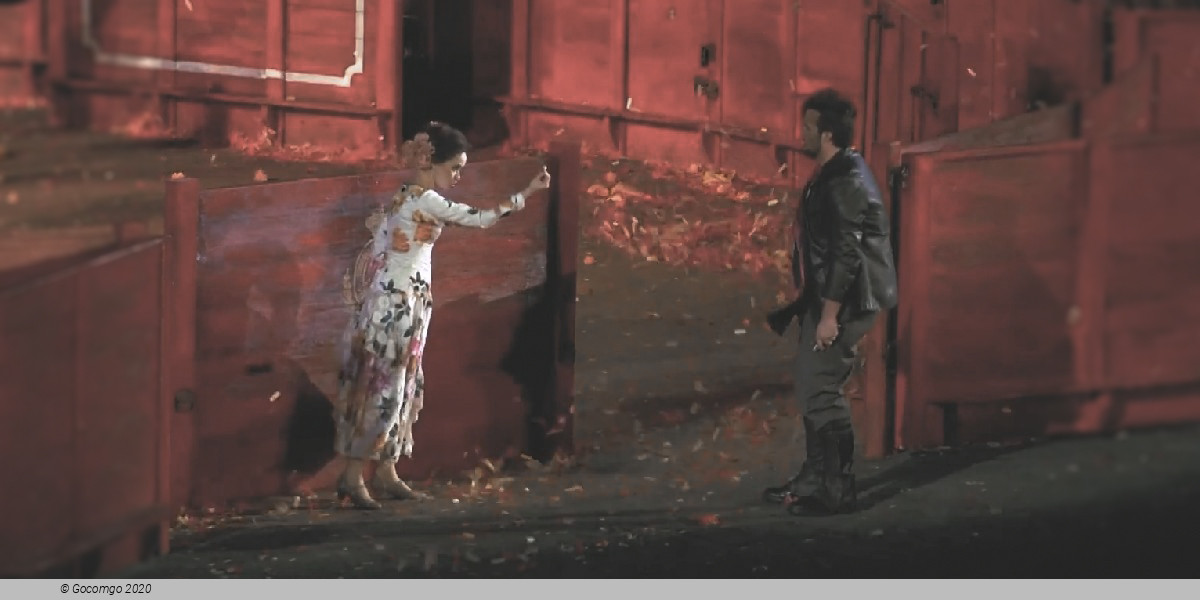
Zuniga, Frasquita and Mercédès are among the crowd awaiting the arrival of the bullfighters ("Les voici ! Voici la quadrille!"). Escamillo enters with Carmen, and they express their mutual love ("Si tu m'aimes, Carmen"). As Escamillo goes into the arena, Frasquita and Mercedes warn Carmen that José is nearby, but Carmen is unafraid and willing to speak to him. Alone, she is confronted by the desperate José ("C'est toi ! C'est moi !"). While he pleads vainly for her to return to him, cheers are heard from the arena. As José makes his last entreaty, Carmen contemptuously throws down the ring he gave her and attempts to enter the arena. He then stabs her, and as Escamillo is acclaimed by the crowds, Carmen dies. José kneels and sings "Ah! Carmen! ma Carmen adorée!"; as the crowd exits the arena, José confesses to killing the woman he loved.

Venue Info

Arena di Verona - Verona
Location   Piazza Bra, 1

Arena di Verona - the name by which the ancient Roman amphitheater is known, built in Verona around 30 ad. Arena di Verona is a world-famous concert venue. The amphitheatre in Verona is the fourth largest among similar Roman buildings in Italy (after the Colosseum, the amphitheatre in Santa Maria Capua vetera and the amphitheatre in Pozzuoli). One of the best preserved buildings of this type. In 2000, as part of other historical monuments of Verona, the amphitheater was included in the world heritage list. Arena di Verona located on the main square of the city — Piazza Bra.

History of the amphitheater

The amphitheatre was built about 30 years for holding Gladiator fights, naval battles (of navlakhi) and circus performances. After the earthquake of 1117, which almost completely destroyed the outer ring of the amphitheater, it was used as a source of stone for other buildings. In the Middle ages in its arena burned heretics, organized tournaments, festivals, and in the XVIII—XIX centuries — bullfights.

Since 1913, the amphitheater has become a regular venue for Opera performances.

The architecture of the amphitheatre

The building was built outside the city limits and consisted of four elliptical rings (inner axis 44,43 and 73,68 meter; external (including unpreserved fourth ring) — 109,52 and is 138,77 m). The original facade was faced with white and pink limestone from Valpolicella. The preserved facade of the amphitheater is made of stone, cement, river pebbles and pieces of brick.

Inside the amphitheater is completely preserved Cavea. The structure was designed for more than 30,000 spectators, the seats are made according to the Greek custom in the form of marble stairs in 44 tiers.

Opera production

The amphitheater is known for its Opera and concert performances held in it. It is the largest Opera concern in the world, receiving up to 600,000 spectators a year.

Due to the exceptional acoustics of the building, its use was resumed in 1913. To mark the centenary of Giuseppe Verdi, the Opera singer and impresario Giovanni Zenatello and his colleague Ottone Rovato staged the Opera Aida here. Since then, the festival has been held more than 70 times, eventually becoming an annual event.

Nowadays, there are usually four different stage productions each year between June and August. In mid-July, performances are given almost every day. During the winter months, Opera and ballet are performed at the

Philharmonic theatre.

Seats on the stone steps of the amphitheater are much cheaper than specially installed chairs at the bottom. After sunset, candles are lit. The capacity of the arena for Opera performances until recently was 20,000 guests, but for security reasons it is reduced to 15,000.

The arena has become a venue for performances of many world Opera celebrities. It was here that Maria Callas made her debut on the Italian stage, singing Gioconda in Ponchielli's Opera of The same name in the Arena in 1947. In addition to Callas, Giuseppe di Stefano, Tito Gobbi, Luciano Pavarotti, Placido Domingo, Renata Tebaldi, Anatoly Solovyanenko, Vladimir Atlantov, Evgeny Nesterenko, Christian Johansson, and many other performers took part in the festival in different years.

The operas were staged by conductors such as Donato Renzetti, M. Eklund, Z. Peshko and others.

Among the variety performers, the most famous concert was presented by singer Adriano Celentano in 2012, who performed his main songs for two evenings. Tickets for both concerts were sold out in 30 minutes, with a total of more than 30,000 people attending the amphitheater. The concert was a significant event not only for Verona, but also for the whole of Italy.

Important Info
Type: Opera
City: Verona, Italy
Starts at: 21:15
Acts: 4
Intervals: 2
Duration: 3h 45min
Sung in: French
Titles in: Italian,English
Top of page